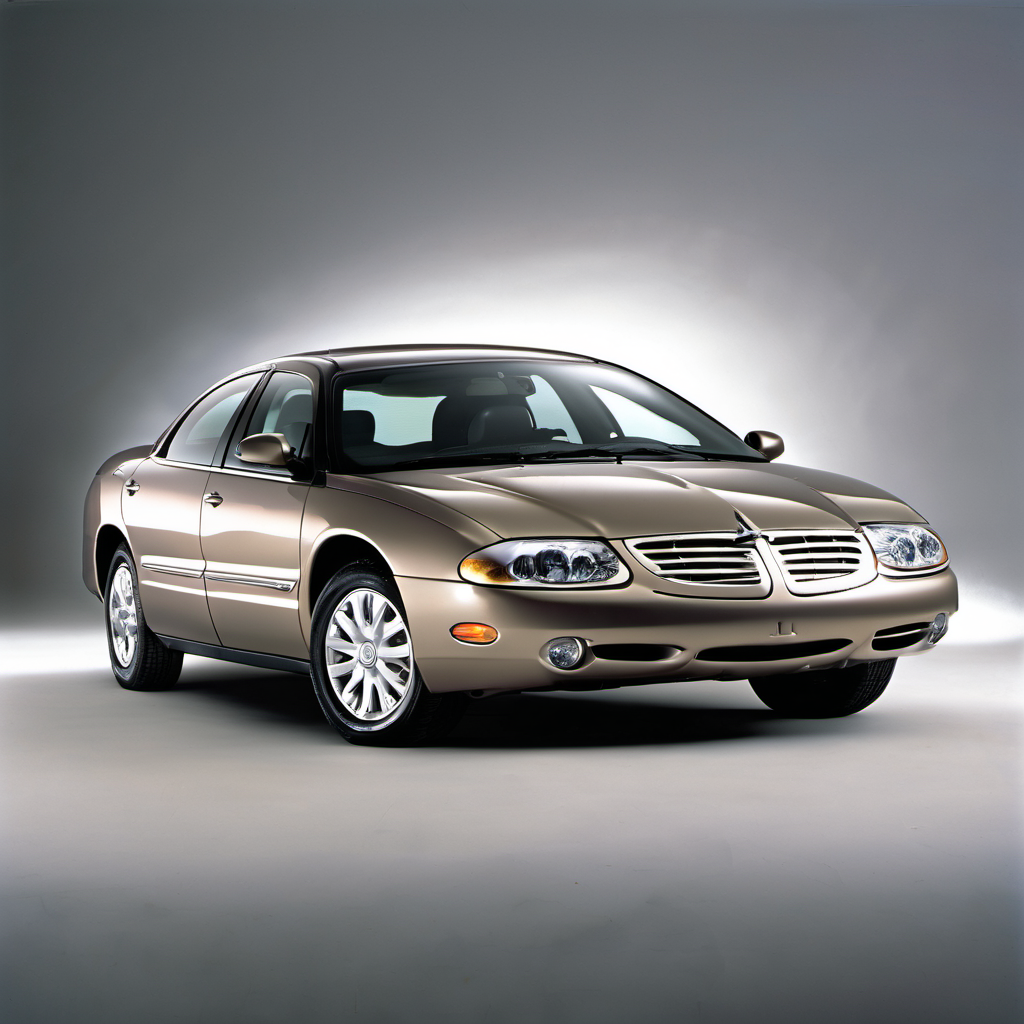
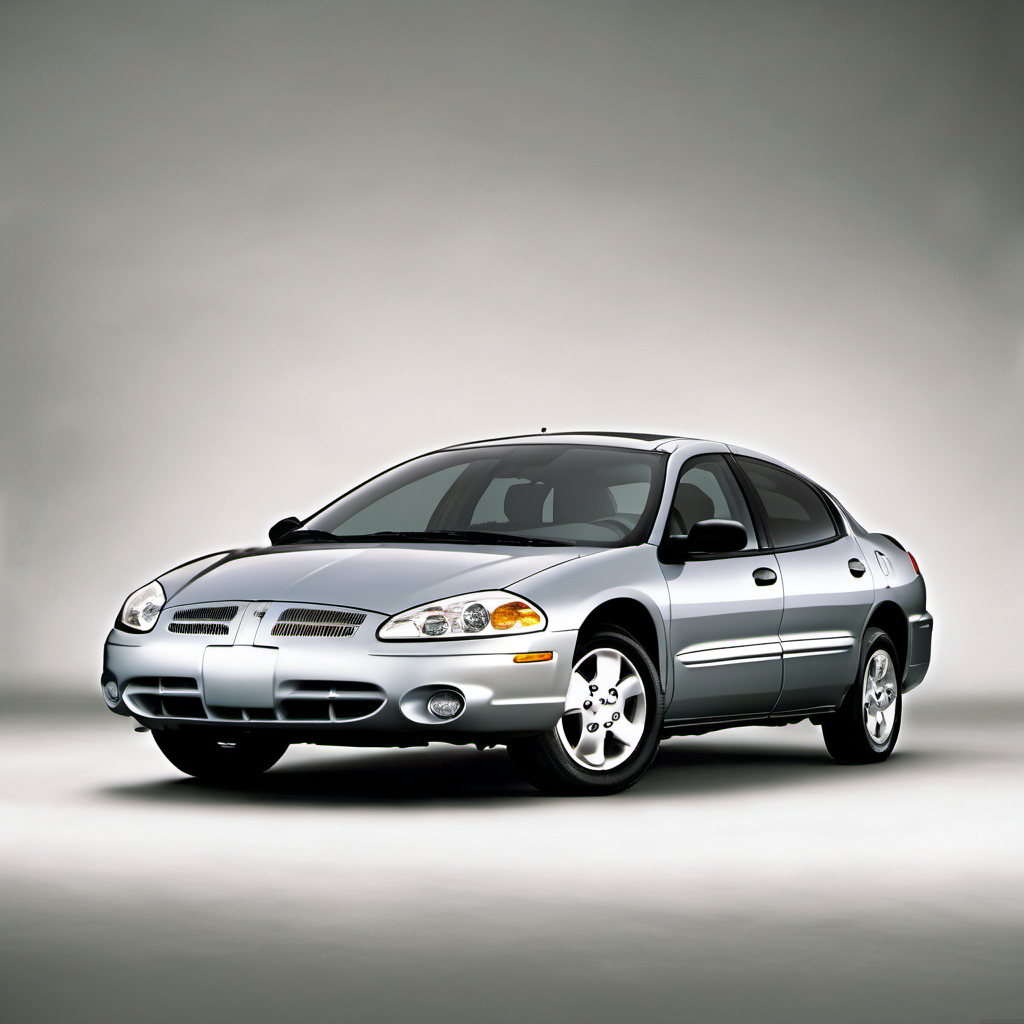
2001 Chrysler Concorde Sedan

2001 Chrysler

ConcordeSedan

Sedan

The 2001 Chrysler Concorde is a full-size front-wheel-drive sedan built on Chrysler's LH platform, shared with the Dodge Intrepid and Chrysler 300M. It was marketed as an affordable, spacious American alternative to import sedans, offering a roomy interior and a smooth highway ride at a competitive price point. The Concorde came standard with a 2.7L V6 in base trim, with an optional 3.2L or 3.5L V6 for higher trims. The 2.7L engine is the weakest link in this generation — it has a well-documented sludge problem tied to infrequent oil changes and a poorly designed oiling system. Owners who kept up with oil changes every 3,000–4,000 miles generally fared much better than those who followed the longer factory intervals. By 2001, Chrysler had addressed some early LH-platform growing pains, but the Concorde was already approaching the end of its production run (discontinued after 2004). These cars are now 20+ years old, so finding one in solid mechanical condition requires careful inspection — especially of the engine, transmission, and underbody for rust.

Reliability
2/5
Verified data
Specs shown for Concorde — the most common configuration. Other trims may vary in engine, drivetrain, or fuel economy. Sign in to see your vehicle's exact specs.
Engine
[object Object]
Drivetrain
FWD
Fuel
Gasoline
MPG
17 city / 25 hwy / 20 combined
Seats
Doors
Body
Large Cars

Overview

AI-curated

The 2001 Chrysler Concorde is a full-size front-wheel-drive sedan built on Chrysler's LH platform, shared with the Dodge Intrepid and Chrysler 300M. It was marketed as an affordable, spacious American alternative to import sedans, offering a roomy interior and a smooth highway ride at a competitive price point. The Concorde came standard with a 2.7L V6 in base trim, with an optional 3.2L or 3.5L V6 for higher trims. The 2.7L engine is the weakest link in this generation — it has a well-documented sludge problem tied to infrequent oil changes and a poorly designed oiling system. Owners who kept up with oil changes every 3,000–4,000 miles generally fared much better than those who followed the longer factory intervals. By 2001, Chrysler had addressed some early LH-platform growing pains, but the Concorde was already approaching the end of its production run (discontinued after 2004). These cars are now 20+ years old, so finding one in solid mechanical condition requires careful inspection — especially of the engine, transmission, and underbody for rust.

Known for
  • Exceptionally roomy interior for a mid-2000s domestic sedan
  • Smooth, comfortable highway ride
  • 2.7L V6 engine oil sludge problems with neglected maintenance
  • Affordable purchase price, but potentially high ownership costs
Best for
  • Budget-conscious buyers who can verify a documented oil change history
  • Highway commuters who prioritize ride comfort over sporty handling
  • Owners willing to do proactive maintenance on an aging platform
Watch for
  • 2.7L engine oil sludging — the single biggest killer of this vehicle
  • Transmission wear and solenoid issues on high-mileage examples
  • Rust on subframe, brake lines, and underbody in Wisconsin/salt-belt use
  • Cooling system deterioration — leaking intake manifold gaskets and water pump

Common issues by mileage

6 known

2.7L Engine Oil Sludge / Bearing Failure

high
Typically appears
60–130k mi
Estimated repair
$1,800 – $5,500

Intake Manifold / Coolant Leak

high
Typically appears
70–120k mi
Estimated repair
$300 – $750

Transmission Solenoid Pack / Shift Quality

medium
Typically appears
80–150k mi
Estimated repair
$250 – $900

Water Pump Failure

medium
Typically appears
60–100k mi
Estimated repair
$350 – $700

Brake Line Corrosion

high
Typically appears
Any mileage on salt-belt cars
Estimated repair
$400 – $1,200

Evaporative Emission / Fuel System Leaks

medium
Typically appears
80k+ mi
Estimated repair
$150 – $500

Maintenance schedule

  1. 1
    Every 3,000–4,000 miles — do not extend Engine oil and filter change

    The 2.7L V6 cannot tolerate long oil change intervals. Even slightly degraded oil accelerates sludge formation in this engine's narrow passages. Use the short interval regardless of what the owner's manual says.

  2. 2
    Every 2 years or 30,000 miles Coolant system inspection and flush

    Degraded coolant becomes acidic and attacks the plastic intake manifold and gaskets. Keeping fresh coolant in the system reduces the risk of internal leaks that lead to overheating and engine damage.

  3. 3
    Every 30,000 miles Transmission fluid change

    The 42LE automatic is sensitive to fluid condition. Fresh fluid keeps solenoids functioning correctly and extends transmission life significantly on high-mileage examples.

  4. 4
    Every 60,000 miles or at first signs of cracking Serpentine belt inspection and replacement

    Belt failure on this engine can cause rapid overheating. Wisconsin winters accelerate belt degradation — inspect each fall.

  5. 5
    Every year — mandatory for Wisconsin vehicles Brake line and fuel line underbody inspection

    Road salt aggressively corrodes factory steel lines on this platform. Catching pinhole corrosion early is far cheaper than emergency line replacement or dealing with brake failure.

  6. 6
    Every fall before Wisconsin winter Battery test and terminal cleaning

    Cold-cranking demands on a sub-zero Wisconsin morning can kill a marginal battery instantly. A battery over 4 years old should be load-tested in October.

  7. 7
    Every 30,000 miles Spark plugs and ignition wires

    Worn plugs cause misfires that raise exhaust temps and stress the catalytic converters. The 2.7L benefits from fresh plugs to maintain fuel economy and smooth idle.

  8. 8
    Every 5,000–6,000 miles; pressure check monthly in winter Tire rotation and pressure check

    This FWD sedan puts all drive and steering load on the front tires. Even rotation extends tread life. Tire pressure drops roughly 1 PSI per 10°F in Wisconsin winters, affecting handling and MPG.

Always defer to the manufacturer's service manual for warranty-mandated intervals.

Cost of ownership

Annual maintenance
$700 – $2,000
Fuel
At 20 MPG combined and ~12,000 miles/year, expect roughly $1,500–$1,800/year at current Midwest gas prices. Highway-heavy driving improves this noticeably.
Insurance
Insurance is generally low — this is an older, low-value domestic sedan. Expect $600–$1,000/year for full coverage depending on driving record and location, though liability-only may make more financial sense given the car's market value.

The Concorde is cheap to buy, but its aging 2.7L engine makes it an expensive gamble on the used market. A well-documented, well-maintained example can be kept running for $700–$1,200/year in routine costs. However, a single engine or transmission failure can easily exceed the car's entire market value. Budget for the worst-case scenario before committing to one of these.
Seasonal care

Lake Geneva, WI
Winter
  • Test the battery every October — the 2.7L needs reliable cold cranks in sub-zero Lake Geneva temps. Replace any battery over 4 years old proactively.
  • Switch to a full-synthetic 5W-30 oil if not already using one — it flows faster at cold startup, which is critical for this sludge-prone engine.
  • Inspect and top off windshield washer fluid with a -20°F or lower rated formula before first freeze. The Concorde's large windshield collects road spray fast.
  • Check underbody brake lines and fuel lines for corrosion every fall — Wisconsin salt exposure on a 20+ year old car demands annual inspection.
  • Keep the fuel tank above half when temperatures drop below 10°F to reduce condensation in the fuel system.
  • Confirm the cooling system has a proper 50/50 antifreeze mix rated to at least -34°F before winter.
Summer
  • Watch coolant temperature closely during hot weather — the aging cooling system on these cars is prone to leaks, and an overheating 2.7L can be a total-loss event.
  • Check tire pressure monthly. Wisconsin summer heat causes pressure to rise; overinflated tires reduce grip and wear unevenly.
  • Run the A/C through its full range early in the season to catch refrigerant leaks or compressor issues before the hottest days.
  • Inspect serpentine belt for cracking or glazing — heat accelerates belt degradation on this platform.

Comparable vehicles

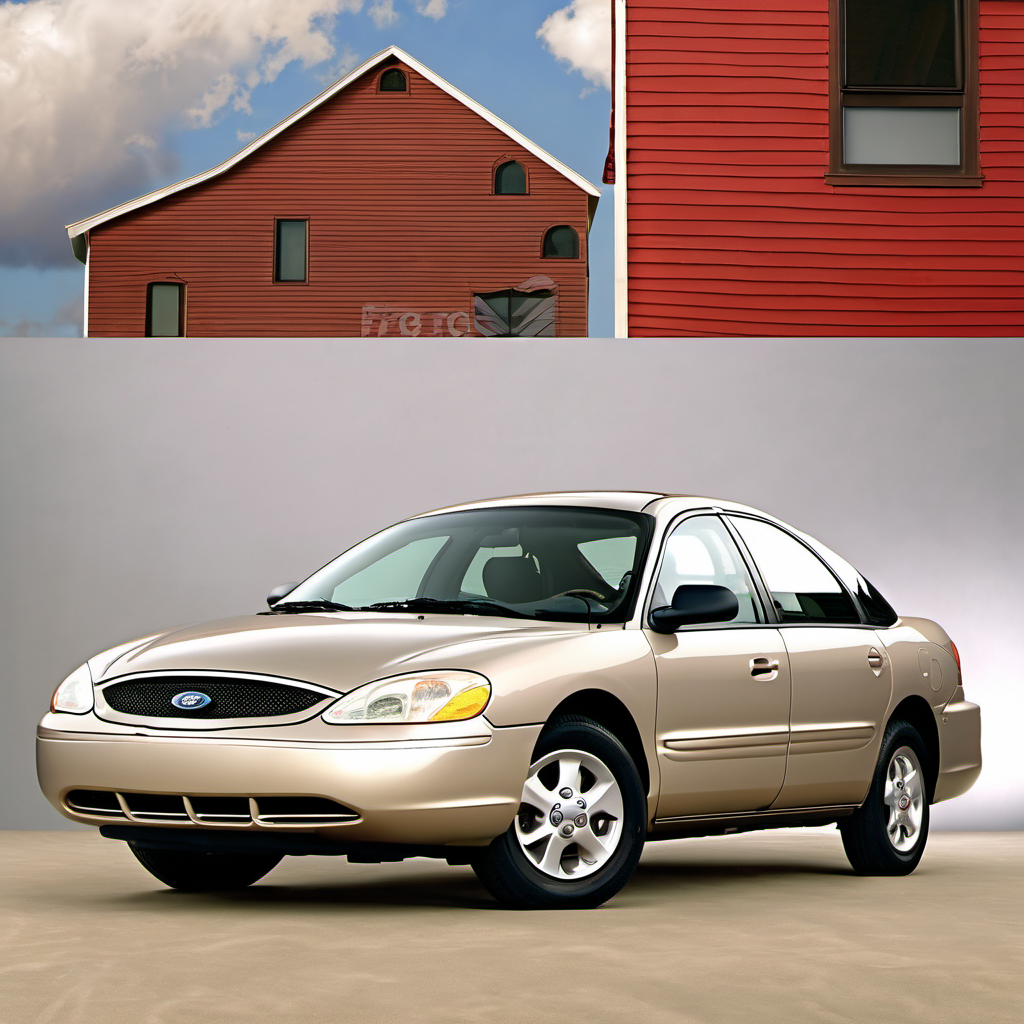
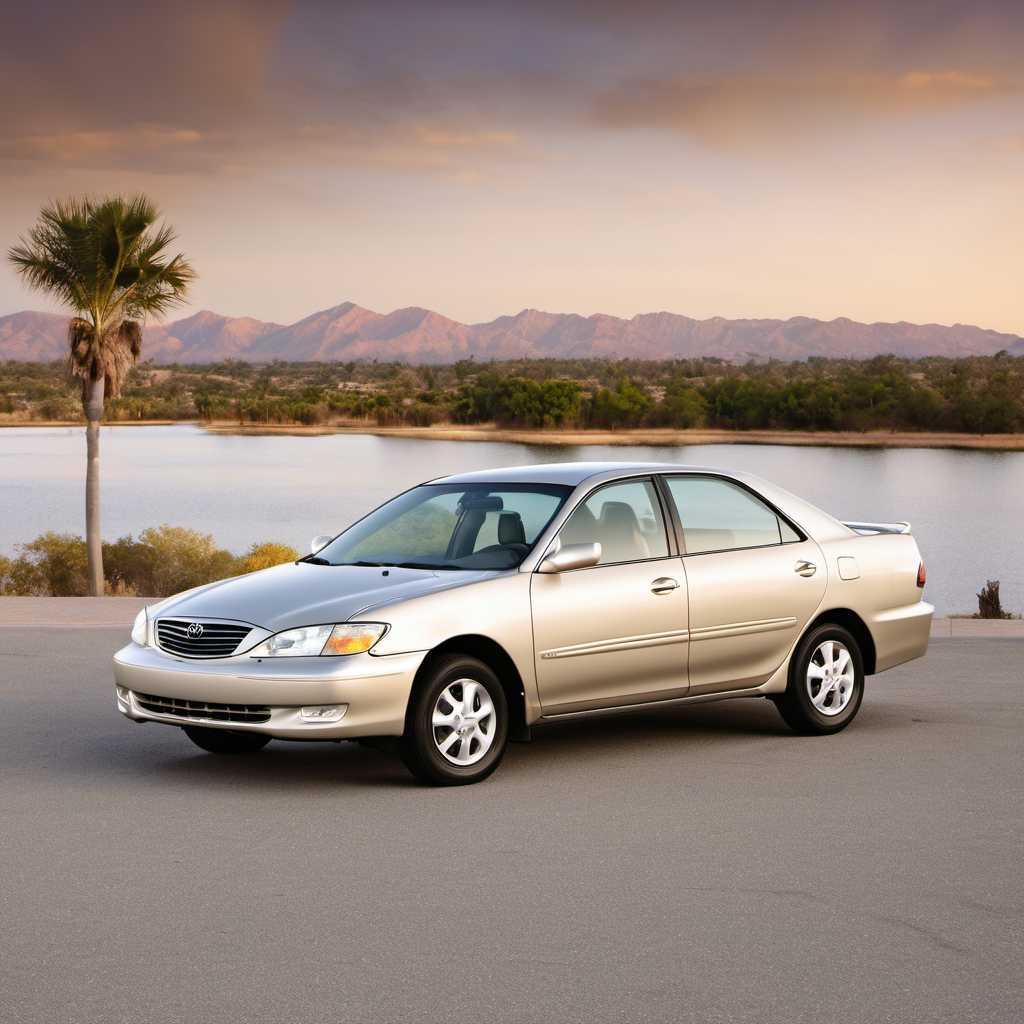
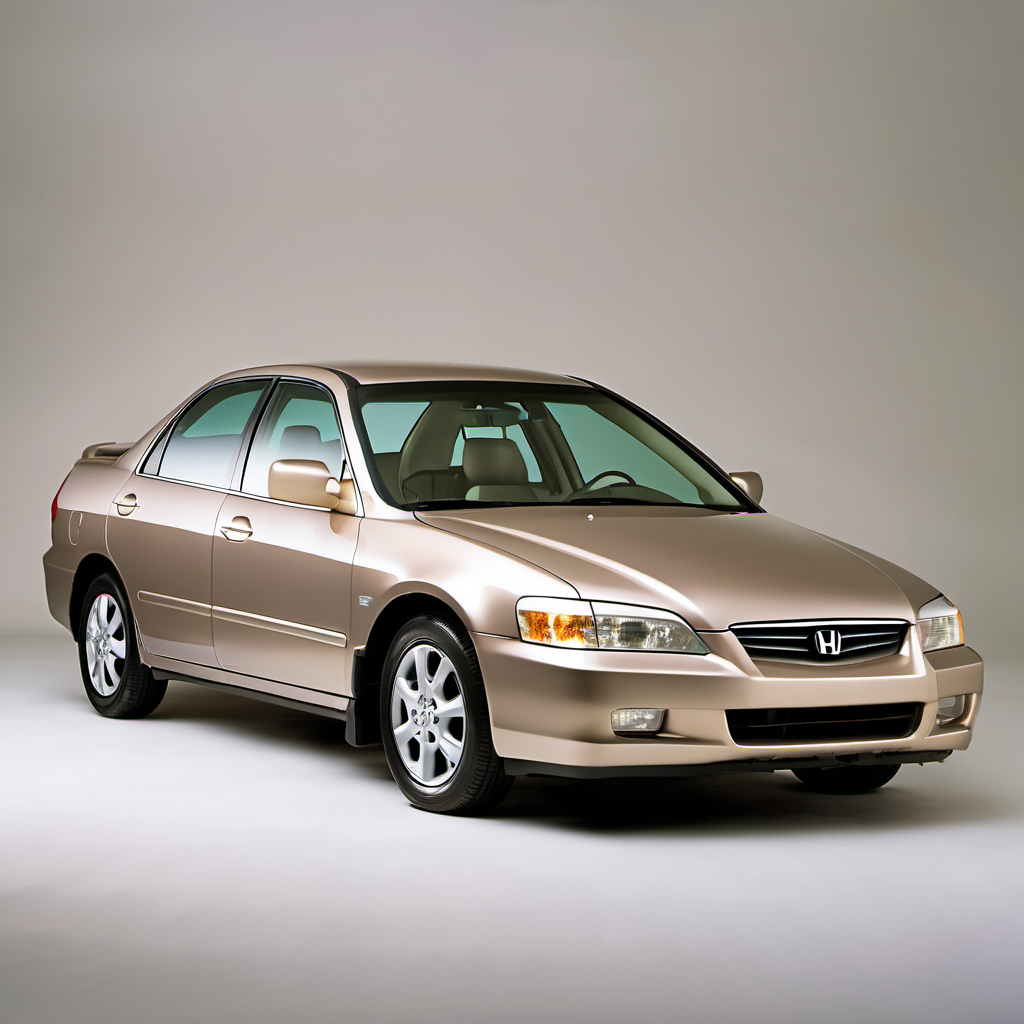
If you're shopping for one

Red flags
  • No oil change records — walk away. The 2.7L engine lives or dies by oil change history.
  • Any ticking or knocking from the engine at startup — classic sign of oil sludge damage to camshafts or bearings.
  • Coolant that looks oily or oil that looks milky — internal water pump or gasket leak mixing fluids.
  • Transmission slipping, hunting for gears, or delayed engagement — expensive repair on a low-value car.
  • Visible rust on the underside brake or fuel lines — a safety issue that must be resolved before driving.
  • Overheating history noted by seller — even one overheat event on a 2.7L can cause permanent engine damage.
What to inspect
  • Pull the oil dipstick and oil cap — look for sludge (dark, tar-like buildup). If present, the engine is compromised.
  • Check the coolant reservoir for discoloration or oily residue indicating an internal leak.
  • Inspect the entire undercarriage for brake line and subframe rust — bring a flashlight.
  • Take a long enough test drive to fully warm the engine and observe transmission shift quality at highway speeds.
  • Scan for stored and pending DTCs before purchase — timing and camshaft codes (P0012, P0015, P0022, P0025) indicate serious engine issues.
AI profile generated 11 days ago · claude-sonnet-4-6 · v2.