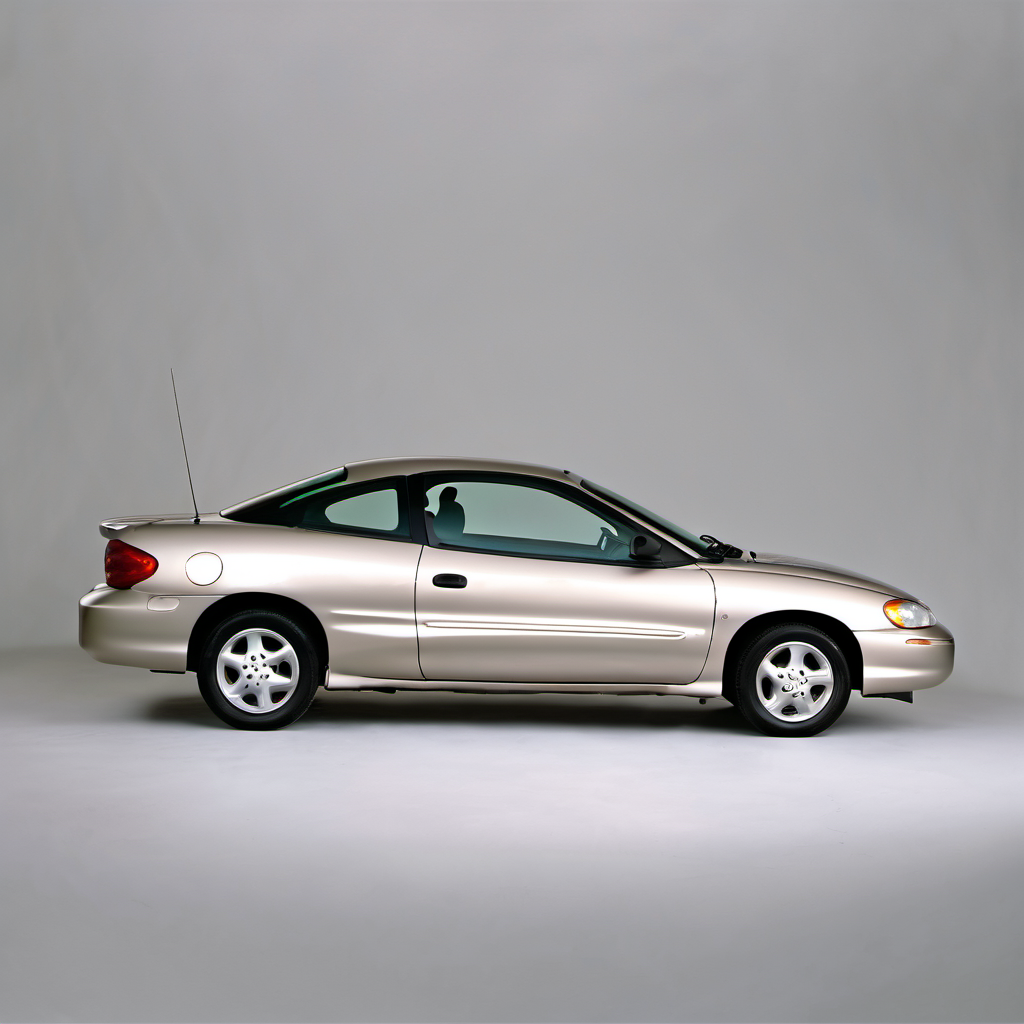
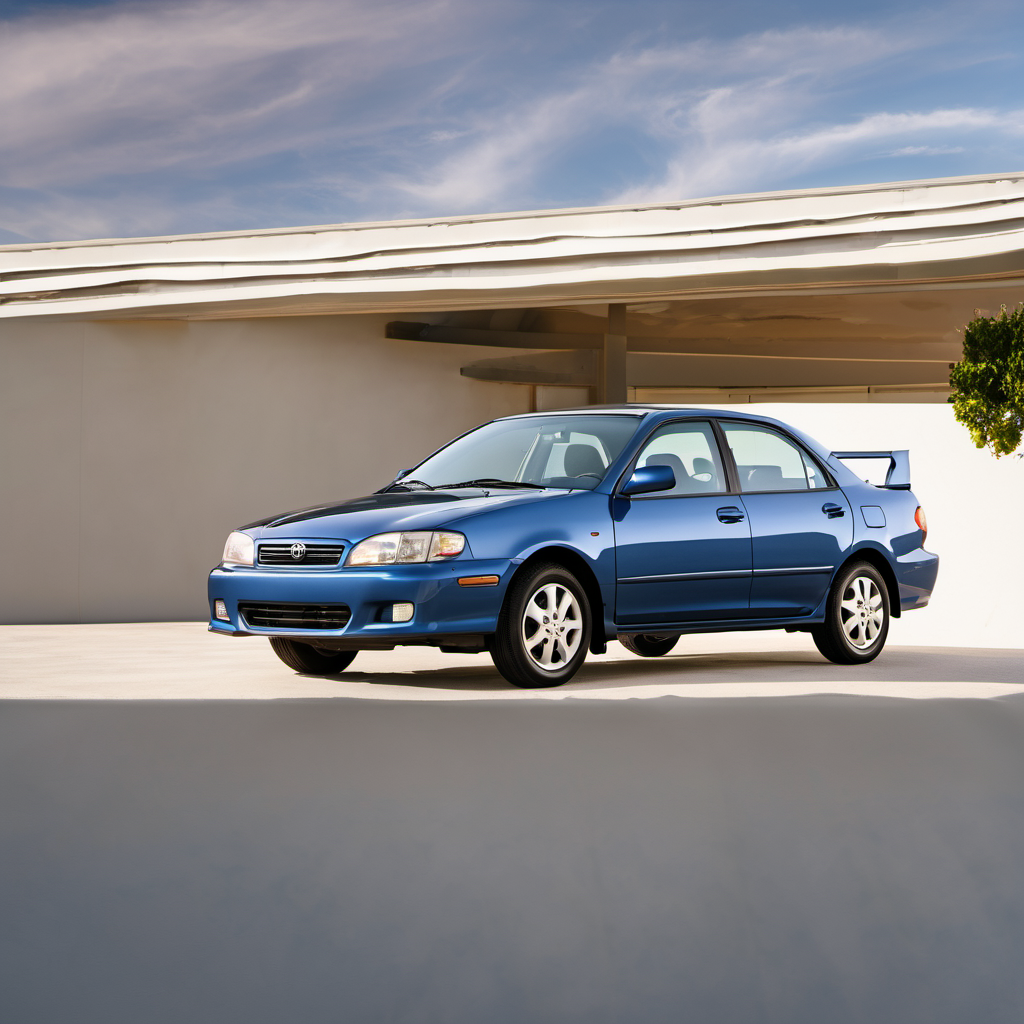
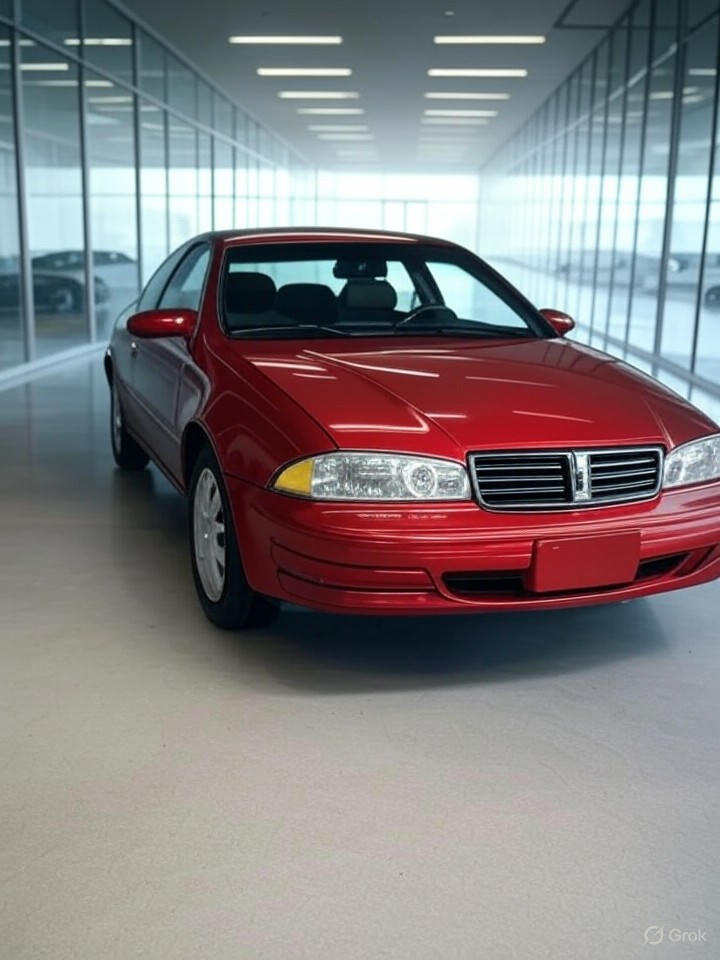
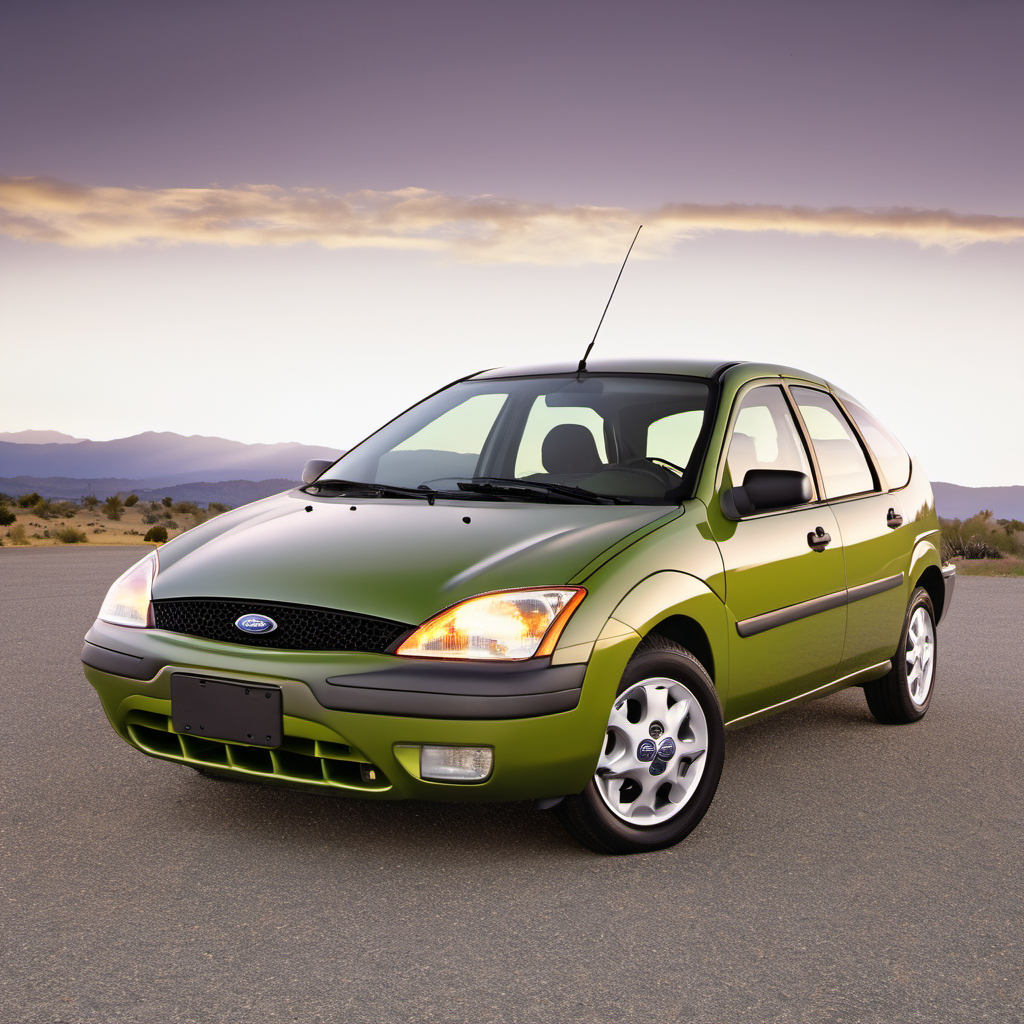
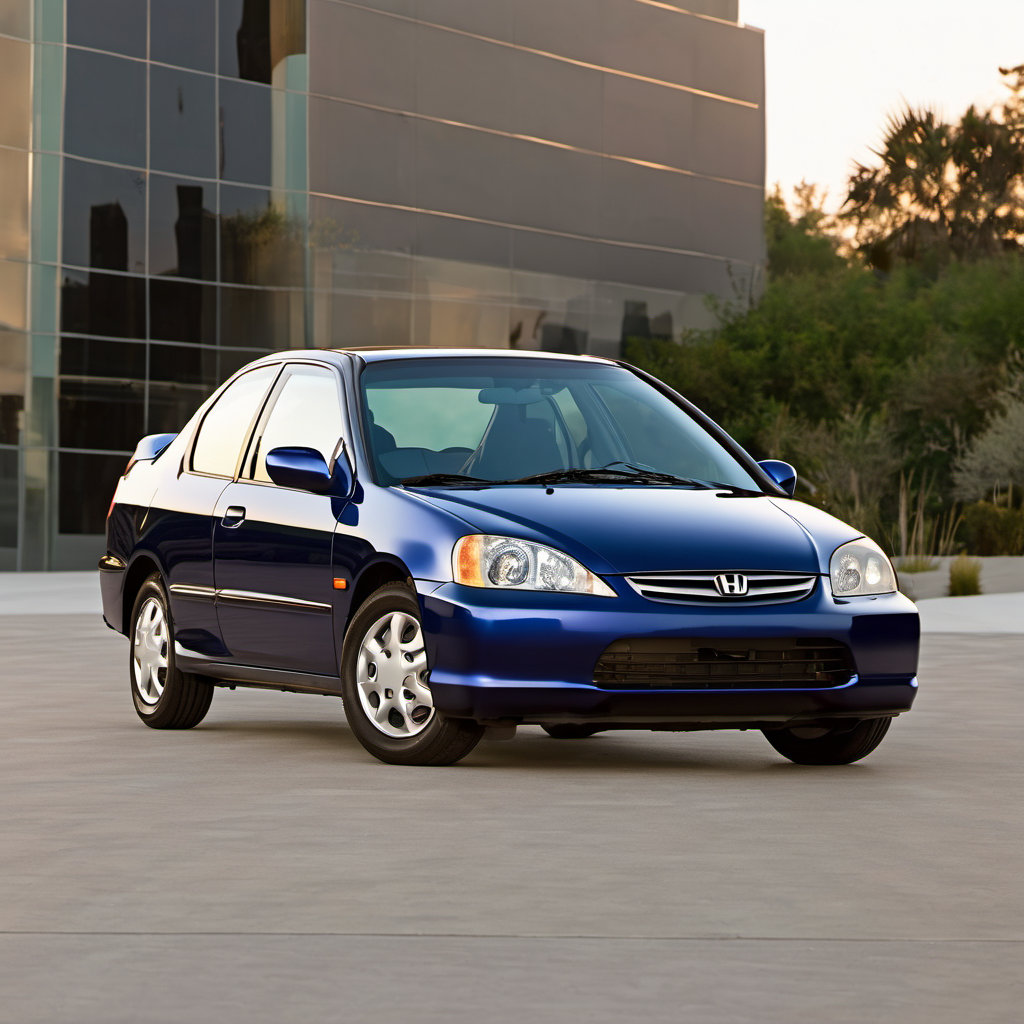
2001 Pontiac Grand Am Coupe

2001 Pontiac

Grand AmCoupe

Coupe

The 2001 Pontiac Grand Am Coupe is a front-wheel-drive compact that was GM's bread-and-butter entry for younger buyers throughout the late 1990s and early 2000s. Sporty styling, a comfortable interior, and a relatively low sticker price made it one of the best-selling cars in its class during its run. The 2.4L Twin Cam four-cylinder in this coupe trim delivers adequate everyday performance without being exciting, and the platform is shared with the Oldsmobile Alero and Buick Skylark. By 2001 the Grand Am was near the end of its life (the line ended in 2005), so the platform was mature but not modernized. Interior plastics are notoriously cheap, the lower body is a rust magnet in salt-belt states like Wisconsin, and the Passlock anti-theft system is a well-documented headache. That said, owners who stay on top of basic maintenance can get solid mileage out of these cars. At this age, any surviving Grand Am should be treated as a high-mileage used car regardless of the odometer. Rust, neglected cooling systems, and worn suspension components are the top concerns for Wisconsin drivers. If the car has been maintained and shows no undercarriage rot, it can still serve as reliable daily transportation on a tight budget.

Reliability
2/5
Verified data
Specs shown for Grand Am — the most common configuration. Other trims may vary in engine, drivetrain, or fuel economy. Sign in to see your vehicle's exact specs.
Engine
[object Object]
Drivetrain
FWD
Fuel
Gasoline
MPG
19 city / 27 hwy / 22 combined
Seats
Doors
Body
Compact Cars

Overview

AI-curated

The 2001 Pontiac Grand Am Coupe is a front-wheel-drive compact that was GM's bread-and-butter entry for younger buyers throughout the late 1990s and early 2000s. Sporty styling, a comfortable interior, and a relatively low sticker price made it one of the best-selling cars in its class during its run. The 2.4L Twin Cam four-cylinder in this coupe trim delivers adequate everyday performance without being exciting, and the platform is shared with the Oldsmobile Alero and Buick Skylark. By 2001 the Grand Am was near the end of its life (the line ended in 2005), so the platform was mature but not modernized. Interior plastics are notoriously cheap, the lower body is a rust magnet in salt-belt states like Wisconsin, and the Passlock anti-theft system is a well-documented headache. That said, owners who stay on top of basic maintenance can get solid mileage out of these cars. At this age, any surviving Grand Am should be treated as a high-mileage used car regardless of the odometer. Rust, neglected cooling systems, and worn suspension components are the top concerns for Wisconsin drivers. If the car has been maintained and shows no undercarriage rot, it can still serve as reliable daily transportation on a tight budget.

Known for
  • Bold, sporty coupe styling for its price point
  • Widespread availability of cheap OEM and aftermarket parts
  • Passlock theft-deterrent system that frequently causes no-start conditions
  • Tinny interior plastics that crack and rattle with age
  • Lower body and rocker panel rust in salt-belt states
Best for
  • Budget-conscious daily commuters
  • First-time car owners looking for an inexpensive coupe
  • DIY mechanics comfortable with GM N-body platform parts
Watch for
  • Passlock security system failures causing extended no-start events
  • Intake manifold gasket leaks on the 2.4L Twin Cam
  • Advanced rocker panel and frame rail rust on Midwest examples
  • Worn lower control arm ball joints and struts
  • Cooling system neglect leading to overheating and head gasket damage

Common issues by mileage

6 known

Passlock Anti-Theft No-Start

high
Typically appears
Any mileage
Estimated repair
$50 – $300

Intake Manifold Gasket Leak (coolant or oil)

high
Typically appears
80–130k mi
Estimated repair
$350 – $650

Lower Control Arm Ball Joint / Strut Wear

high
Typically appears
70–120k mi
Estimated repair
$250 – $600

Rocker Panel and Undercarriage Rust (Wisconsin salt exposure)

high
Typically appears
Any mileage on Midwest cars
Estimated repair
$400 – $2,000

Coolant Overflow Tank Cracks / Cooling System Failure

medium
Typically appears
60–100k mi
Estimated repair
$80 – $400

Oxygen Sensor Heater Circuit Fault

medium
Typically appears
80–150k mi
Estimated repair
$100 – $250

Maintenance schedule

  1. 1
    Every 5,000 miles or 6 months Engine oil and filter change

    The 2.4L Twin Cam is sensitive to sludge buildup from extended intervals. Fresh oil is the single best thing you can do for longevity on this engine.

  2. 2
    Every 2 years / 30,000 miles Coolant flush and overflow tank inspection

    The plastic overflow tank cracks with age and can cause sudden coolant loss. Flush Dex-Cool on schedule — old Dex-Cool turns acidic and attacks intake gaskets.

  3. 3
    Every 30,000 miles Spark plug replacement

    The 2.4L Twin Cam has tight plug access; worn plugs cause misfires and stress the ignition coil packs, which are expensive on this engine.

  4. 4
    Every 60,000 miles or at any sign of squealing Serpentine belt and tensioner inspection

    Belt failure strands you and can cause rapid overheating. Tensioner springs weaken with age on this platform.

  5. 5
    Every 40,000 miles or annually Front struts and control arm ball joint inspection

    Worn ball joints are a safety issue. Wisconsin frost heaves and potholes accelerate wear on the N-body front suspension.

  6. 6
    Every 2–3 years Brake fluid flush

    Glycol-based brake fluid absorbs moisture over time, lowering boiling point and promoting internal corrosion — especially important in a wet Wisconsin climate.

  7. 7
    Annually, before winter Undercarriage rust inspection and treatment

    Rocker panels and rear wheel wells are rust hot spots on this body. Catching perforation early is far cheaper than structural repair later.

  8. 8
    Every 30,000–45,000 miles Transmission fluid change (automatic)

    The 4T40-E automatic used on this car is durable when fluid is fresh but degrades quickly with neglected fluid, especially with stop-and-go driving.

Always defer to the manufacturer's service manual for warranty-mandated intervals.

Cost of ownership

Annual maintenance
$600 – $1,400
Fuel
At 22 MPG combined and roughly 12,000 miles/year, expect $1,400–$1,700/year at current Midwest gas prices.
Insurance
Typically low — older, low-value coupe with no collector status. Liability-only coverage is common and affordable for this vehicle.

The Grand Am is cheap to insure and parts are inexpensive and widely available. However, at 20+ years old, a Wisconsin car should have a repair reserve set aside. If rust is already present or the intake gasket hasn't been done, budget for a $400–$800 repair in the near term. Routine annual costs are modest, but age-related surprises are the real risk — especially cooling system and suspension items.
Seasonal care

Lake Geneva, WI
Winter
  • Test the battery before November — the 2.4L cranks hard in sub-zero temps and a marginal battery will fail. Replace anything under 500 CCA.
  • Switch to a winter-rated washer fluid rated to at least -20°F. The stock reservoir and lines can crack if water-based fluid freezes.
  • Inspect wiper blades and consider winter blades — the low hood profile traps ice and debris against the wipers.
  • Apply undercarriage wash every 2–3 weeks during salting season. The rocker panels and rear wheel arches on this car rust fast with salt exposure.
  • Check coolant freeze protection to at least -34°F with a test strip or hydrometer before the first hard freeze.
  • Verify the Passlock system is operating normally before cold weather — Passlock failures are more common in cold temps and can leave you stranded.
Summer
  • Inspect the coolant overflow tank for cracks before hot weather — heat accelerates plastic fatigue and a failing tank causes rapid overheating.
  • Check A/C refrigerant charge and cabin filter. The A/C on these cars is marginal when refrigerant is low and a dirty cabin filter makes it worse.
  • Monitor tire pressure weekly — every 10°F rise in ambient temp adds roughly 1 PSI. Over-inflation from summer heat increases blowout risk.
  • Inspect the serpentine belt for glazing or cracking — heat cycles degrade rubber, and belt failure in summer traffic is a common roadside call.

Comparable vehicles

If you're shopping for one

Red flags
  • Any rust bubbling through the rockers or rear quarters — structural rust on a 20+ year old Wisconsin car is often not worth repairing
  • Overheating history or a replaced thermostat without a coolant flush — likely sign of a neglected cooling system
  • Security light staying on or intermittent no-start complaints — Passlock issues can be a recurring money pit
  • Oil that looks like chocolate milk or a sweet coolant smell from the exhaust — head gasket or intake gasket failure
  • Musty interior or wet carpet — these coupes develop door seal and windshield leaks with age, leading to floor rust and mold
What to inspect
  • Rocker panels, rear wheel arches, and frame rails for rust perforation — poke with a screwdriver, not just visual inspection
  • Coolant condition and overflow tank for cracks or brown sludge indicating Dex-Cool deterioration
  • Intake manifold area for oil seepage or coolant smell at operating temperature
  • Front strut condition and ball joint play — grab the front wheels and check for slop
  • Passlock function: let the car fully warm up and then try a cold restart; a Passlock fault often appears after the engine is warm
  • Underside for prior rust repair (body filler over rust is common on these)
AI profile generated 13 days ago · claude-sonnet-4-6 · v2.