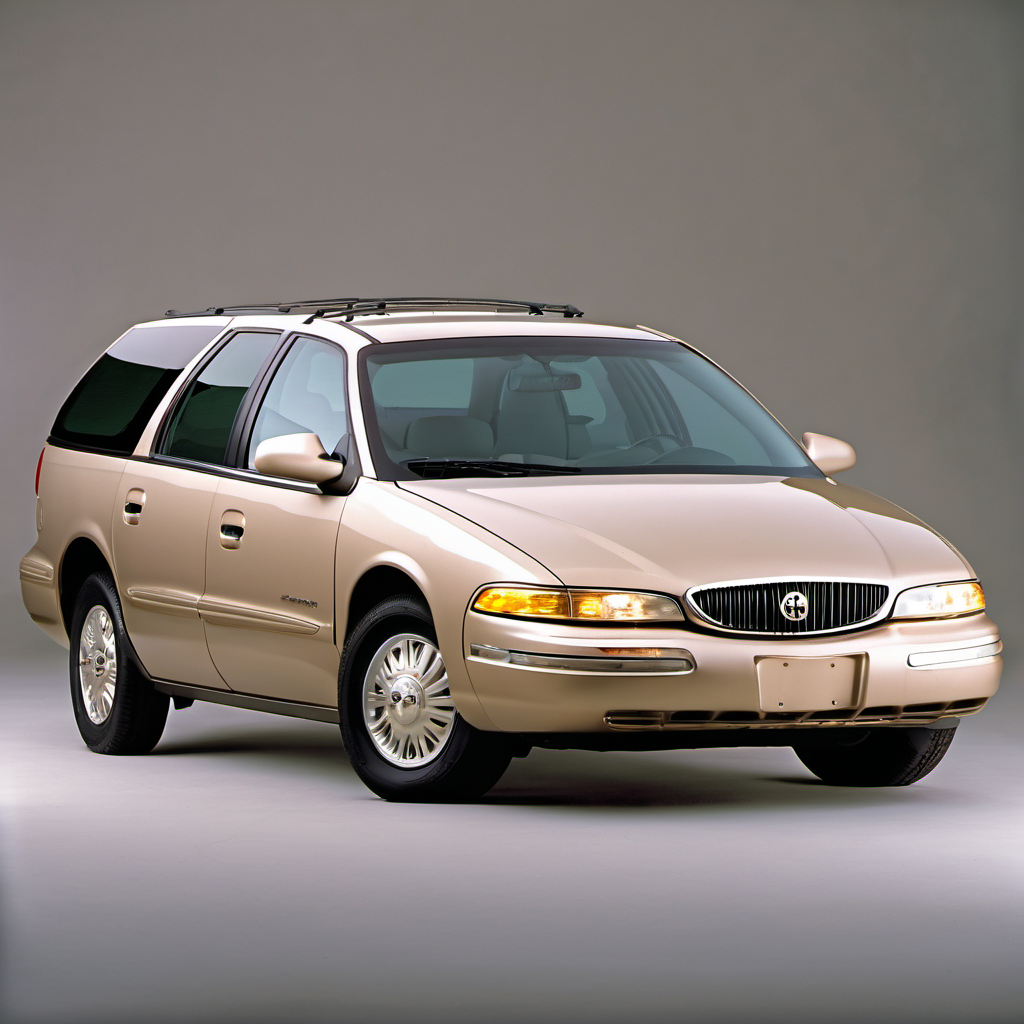
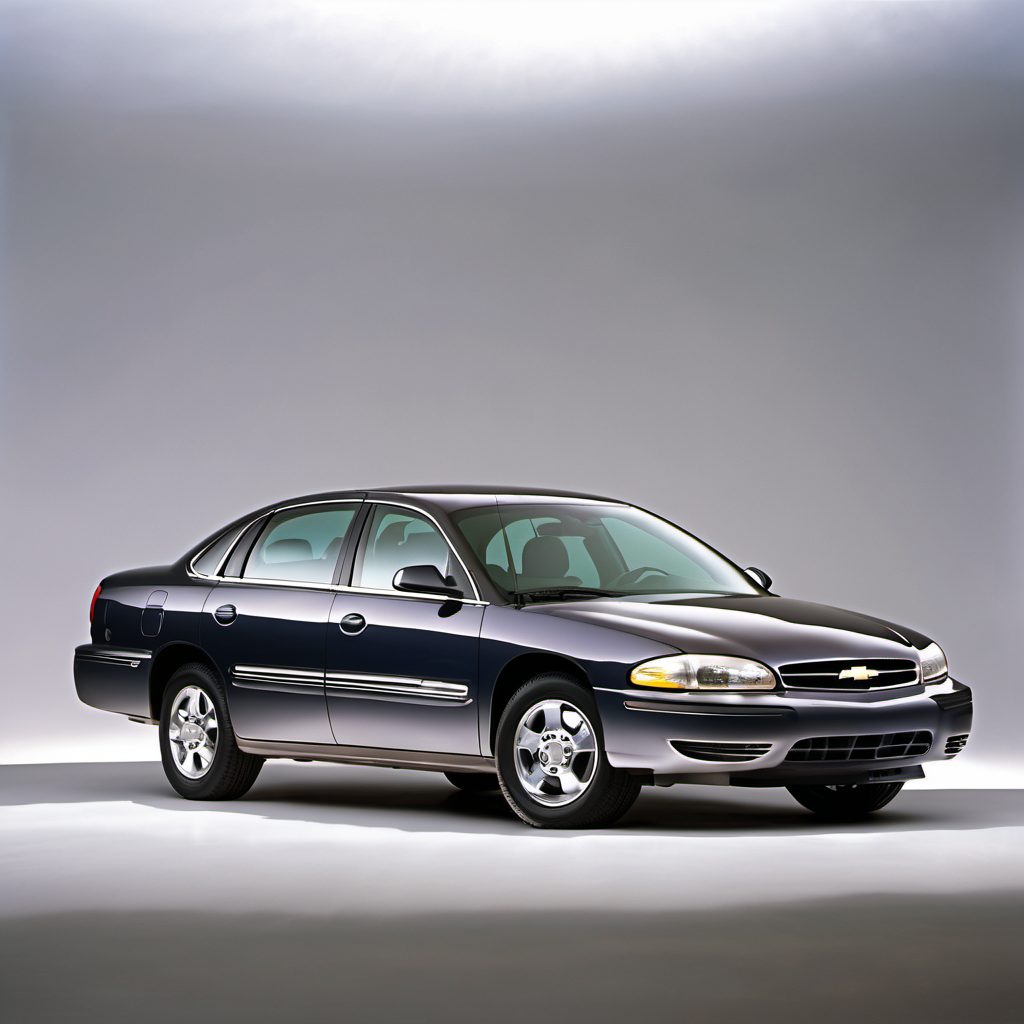
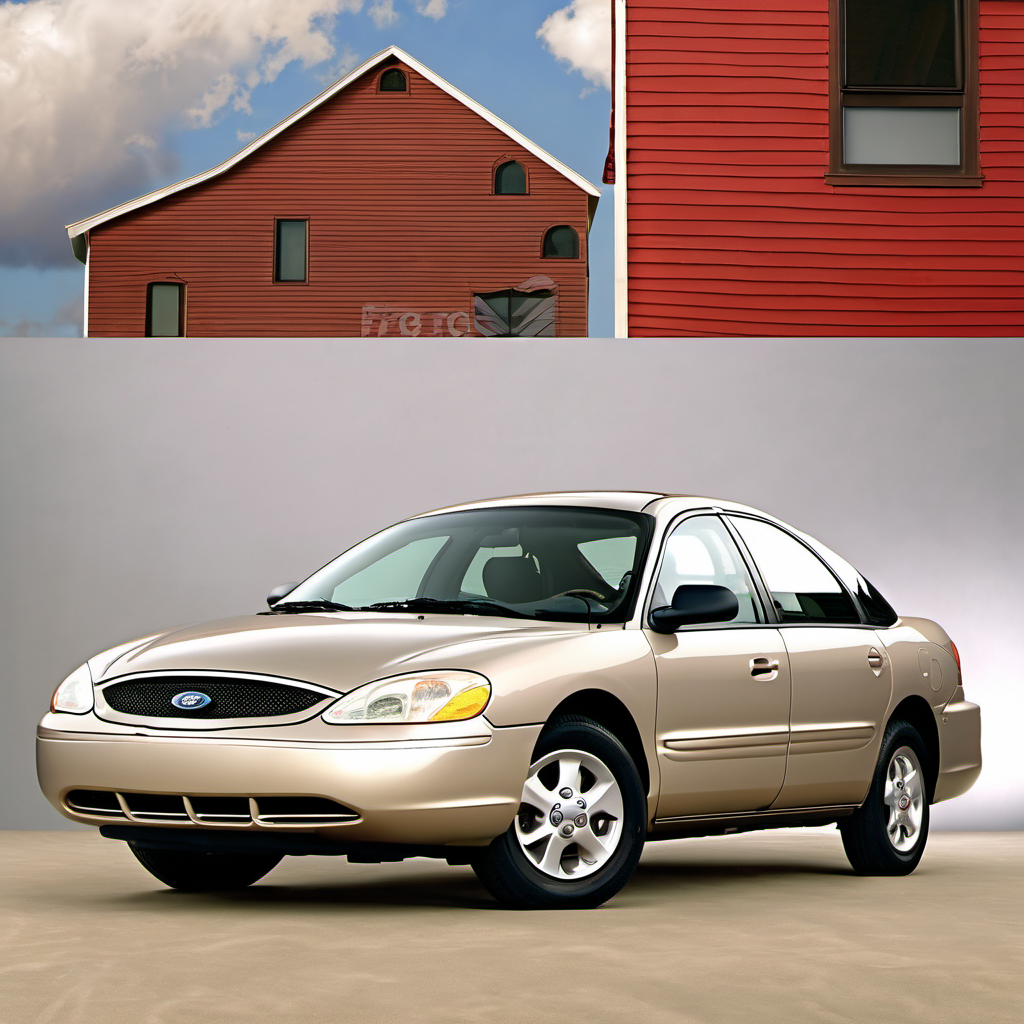
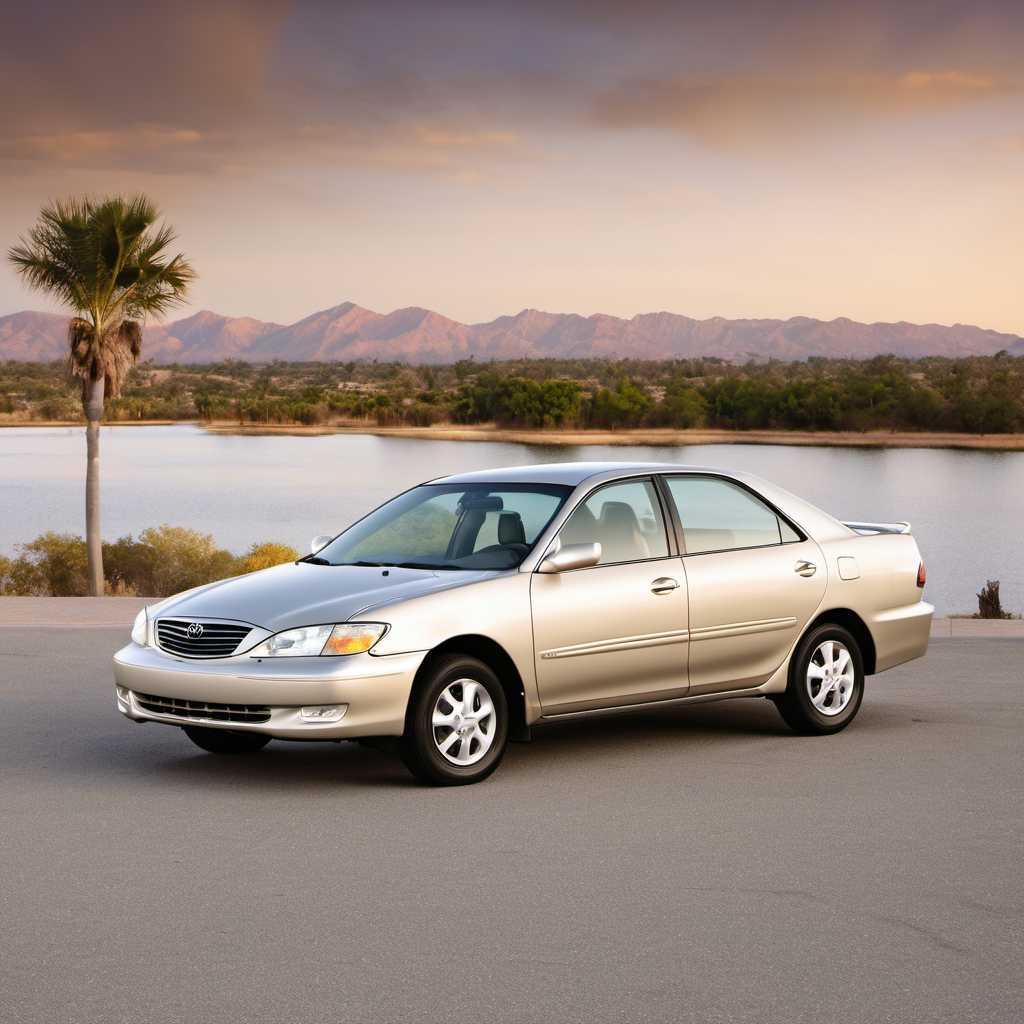
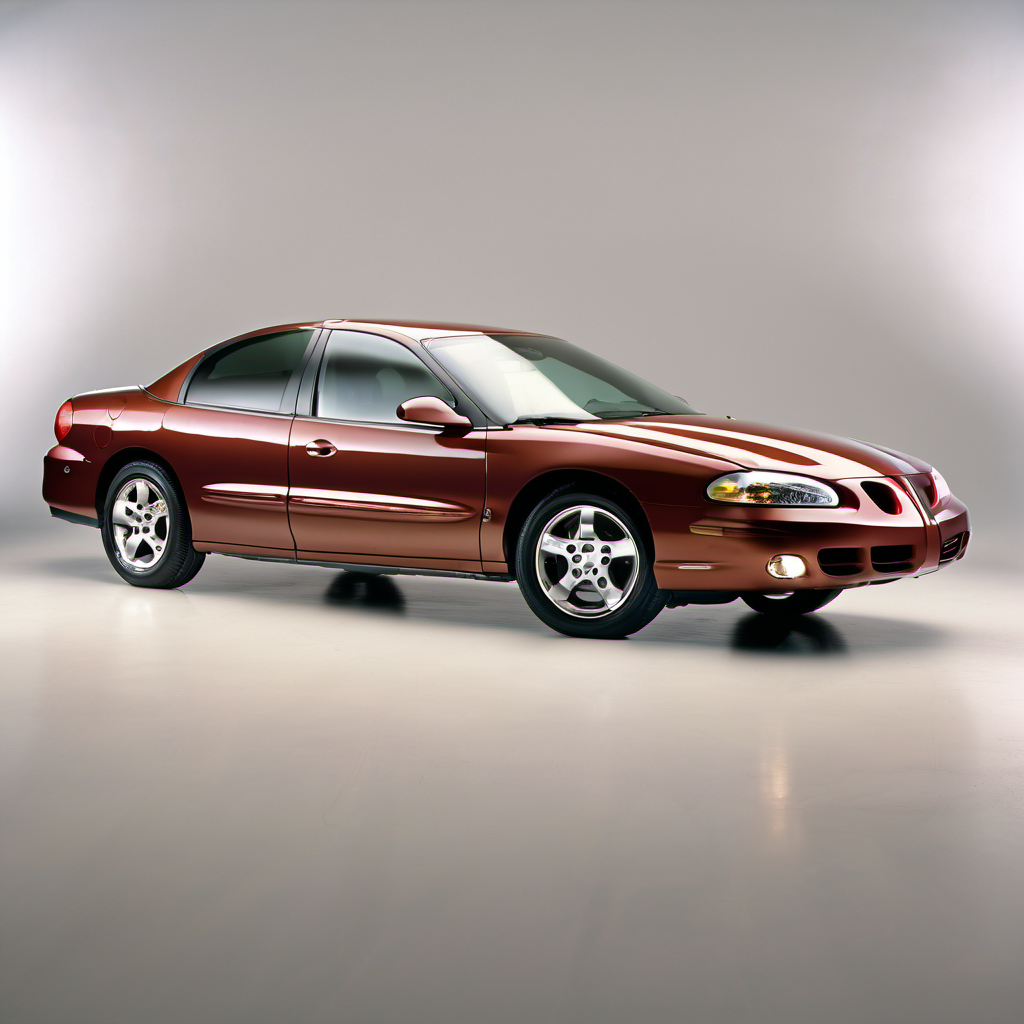
2001 Buick Century Sedan

2001 Buick

CenturySedan

Sedan

The 2001 Buick Century is a front-wheel-drive mid-size sedan built on GM's W-body platform, sharing its bones with the Pontiac Grand Prix and Oldsmobile Intrigue. It was squarely aimed at buyers who wanted a comfortable, quiet ride with minimal fuss — and it delivered that well for its era. At 20-plus years old, most examples on the road today are high-mileage, and condition varies enormously. Powered exclusively by GM's 3.1L V6 (LG8), the Century is a known quantity in the shop. Parts are cheap and plentiful, and any competent independent mechanic can work on it. The flip side: this engine has a few well-documented weak points — most notably the lower intake manifold gaskets — that must be addressed to keep the car alive. For a buyer on a tight budget who needs reliable transportation and is willing to do or pay for overdue maintenance, a well-kept Century can still earn its keep. Skip the ones with deferred work or a mystery cooling-system history.

Reliability
3/5
Verified data
Specs shown for Century — the most common configuration. Other trims may vary in engine, drivetrain, or fuel economy. Sign in to see your vehicle's exact specs.
Engine
[object Object]
Drivetrain
FWD
Fuel
Gasoline
MPG
18 city / 26 hwy / 21 combined
Seats
Doors
Body
Midsize Cars

Overview

AI-curated

The 2001 Buick Century is a front-wheel-drive mid-size sedan built on GM's W-body platform, sharing its bones with the Pontiac Grand Prix and Oldsmobile Intrigue. It was squarely aimed at buyers who wanted a comfortable, quiet ride with minimal fuss — and it delivered that well for its era. At 20-plus years old, most examples on the road today are high-mileage, and condition varies enormously. Powered exclusively by GM's 3.1L V6 (LG8), the Century is a known quantity in the shop. Parts are cheap and plentiful, and any competent independent mechanic can work on it. The flip side: this engine has a few well-documented weak points — most notably the lower intake manifold gaskets — that must be addressed to keep the car alive. For a buyer on a tight budget who needs reliable transportation and is willing to do or pay for overdue maintenance, a well-kept Century can still earn its keep. Skip the ones with deferred work or a mystery cooling-system history.

Known for
  • Smooth, comfortable highway ride
  • Affordable parts and widespread mechanic familiarity
  • GM 3.1L V6 — a high-volume, well-understood engine
  • Roomy interior for a mid-size sedan
  • Long production run (1997–2005) means shared parts with many GM models
Best for
  • Budget-conscious buyers needing a highway commuter
  • Retirees or light-duty daily drivers
  • Owners comfortable with older vehicles and basic maintenance
  • Flat/salt-belt driving where AWD isn't needed
Watch for
  • Lower intake manifold gasket failure — extremely common, often causes coolant loss or overheating
  • Heavy rust underneath, especially on subframe and brake lines, in salt-belt states like Wisconsin
  • Neglected coolant system — many of these engines were damaged by ignored gasket leaks
  • Aging rubber: coolant hoses, belts, and power steering lines are all original-era parts
  • High mileage with no documented service history

Common issues by mileage

6 known

Lower Intake Manifold Gasket Failure

high
Typically appears
60–120k mi
Estimated repair
$400 – $750

Coolant Leak / Overheating (related to gasket failure)

high
Typically appears
60–130k mi
Estimated repair
$150 – $600

Oxygen Sensor Failure (upstream or downstream)

medium
Typically appears
80–150k mi
Estimated repair
$120 – $250

Brake Line Corrosion / Failure

high
Typically appears
Any age in salt-belt states
Estimated repair
$300 – $900

Power Steering Rack Leak or Hose Failure

medium
Typically appears
80–150k mi
Estimated repair
$150 – $500

Maintenance schedule

  1. 1
    Immediately on any unknown-history vehicle; inspect at 60k mi Inspect and replace lower intake manifold gaskets if not already done

    The original Dex-Cool compatible gaskets on the 3.1L V6 are notorious for failing and allowing coolant to enter the oil. This is the single most important service item on this engine.

  2. 2
    Every 5 years or 50k mi Flush and refill coolant system with correct Dex-Cool extended-life coolant

    Old or diluted Dex-Cool becomes acidic and accelerates gasket and water pump deterioration. Always check coolant condition on a used Century.

  3. 3
    Every 2 years or when purchasing used Inspect all rubber coolant hoses and clamps

    At 20+ years, original hoses are well past service life. A burst hose in a Wisconsin winter is a roadside emergency.

  4. 4
    Every 5,000 mi with conventional oil Change engine oil and filter

    The 3.1L responds well to consistent oil changes. Extended intervals on a high-mileage engine accelerate wear.

  5. 5
    Annually — especially before and after Wisconsin winters Inspect brake lines and fuel lines for corrosion

    Road salt eats steel brake and fuel lines. Pinhole leaks in brake lines are a serious safety hazard and are common on any Wisconsin vehicle of this age.

  6. 6
    Every 60k mi or every 4 years Inspect drive belt (serpentine) and tensioner

    Original belts and tensioners are long past their service window on a 2001. A failed belt disables the alternator, power steering, and water pump simultaneously.

  7. 7
    Every 30k mi on the 4T60-E Transmission fluid service (drain and refill, not flush)

    The 4T60-E is durable but sensitive to dirty fluid. Many used examples have neglected transmission service — fresh fluid can extend life significantly.

  8. 8
    Every fall before Wisconsin winter Battery load test and terminal inspection

    Cold-cranking demand in sub-zero temperatures will expose a weak battery immediately. A battery over 4 years old should be tested, not assumed good.

Always defer to the manufacturer's service manual for warranty-mandated intervals.

Cost of ownership

Annual maintenance
$600 – $1,800
Fuel
At 21 MPG combined and typical Wisconsin driving, expect roughly $1,800–$2,200/year at current regional fuel prices. Mostly highway use will push toward the lower end.
Insurance
Liability-only coverage on a vehicle of this value is typical; expect $400–$800/year depending on driver history. Full coverage rarely makes financial sense at this age and value.

The Century is genuinely cheap to own if the intake manifold gaskets have already been fixed and the car is rust-solid underneath. Parts are inexpensive and GM-trained mechanics are everywhere. The big risk is buying an example with deferred maintenance — catching up on all neglected items (coolant system, brakes, belts, hoses) can run $1,500–$2,500 in the first year. Once sorted, ongoing costs are low.
Seasonal care

Lake Geneva, WI
Winter
  • Load-test the battery every fall — the 3.1L draws heavy cranking current in sub-zero temps and a marginal battery will fail at the worst moment
  • Switch to a winter-weight washer fluid rated to at least -20°F; Lake Geneva winters will freeze standard fluid solid in the reservoir
  • Inspect and treat brake lines and any exposed steel underneath before first salt exposure of the season
  • Check coolant freeze protection with a test strip or refractometer — Dex-Cool should protect to at least -34°F
  • Inspect wiper blades and consider winter-specific blades to handle ice and heavy snow buildup
  • Keep the gas tank at least half full to prevent fuel line condensation and add weight over the front drive wheels
Summer
  • Monitor coolant temperature closely — a partially failed intake manifold gasket that's manageable in winter can cause overheating once ambient temps rise
  • Check tire pressure monthly; pressure drops roughly 1 PSI for every 10°F temperature change and summer heat affects consistency
  • Inspect the A/C system for refrigerant charge and compressor clutch operation before the first hot stretch — recharging an R-134a system on this era vehicle is straightforward
  • Check the power steering fluid level and look under the car for drips — heat accelerates power steering hose and rack seal deterioration

Comparable vehicles

If you're shopping for one

Red flags
  • Any sign of coolant in the oil (milky dipstick) — walk away unless the price accounts for a complete engine teardown
  • Overheating history or a temperature gauge that creeps high during the test drive
  • Heavy undercarriage rust, particularly on brake lines, fuel lines, or the subframe — repair cost can exceed the car's value
  • No service records and high mileage — with this engine, unknown maintenance history means unknown gasket history
  • Transmission that slips, shudders, or hesitates on the 1-2 shift — a worn 4T60-E is a costly repair relative to car value
  • Check engine light — have the codes pulled before purchase; oxygen sensor codes (P0030–P0036) suggest neglected maintenance
What to inspect
  • Pull the oil dipstick and look for a milky or foamy appearance — this signals coolant mixing with oil from a blown intake manifold gasket
  • Check the coolant overflow tank for oily residue or brown sludge — another sign of gasket failure
  • Get under the car and look at the brake lines along the frame rails — heavy rust flaking or pitting is a serious safety red flag in Wisconsin
  • Check the subframe and control arm mounting points for structural rust — these are expensive to repair and can be a total loss item on a cheap car
  • Look for water stains or mineral deposits around the intake manifold area on top of the engine
  • Test the A/C, heat, and all power accessories — window motors, locks, and the HVAC blower resistor are common failures on this generation
  • Ask for any service records; specifically look for coolant system service or intake gasket work
AI profile generated 11 days ago · claude-sonnet-4-6 · v2.