Engine Oil Sludge (1.8T)
high- Typically appears
- 60–150k mi
- Estimated repair
- $500 – $3,500
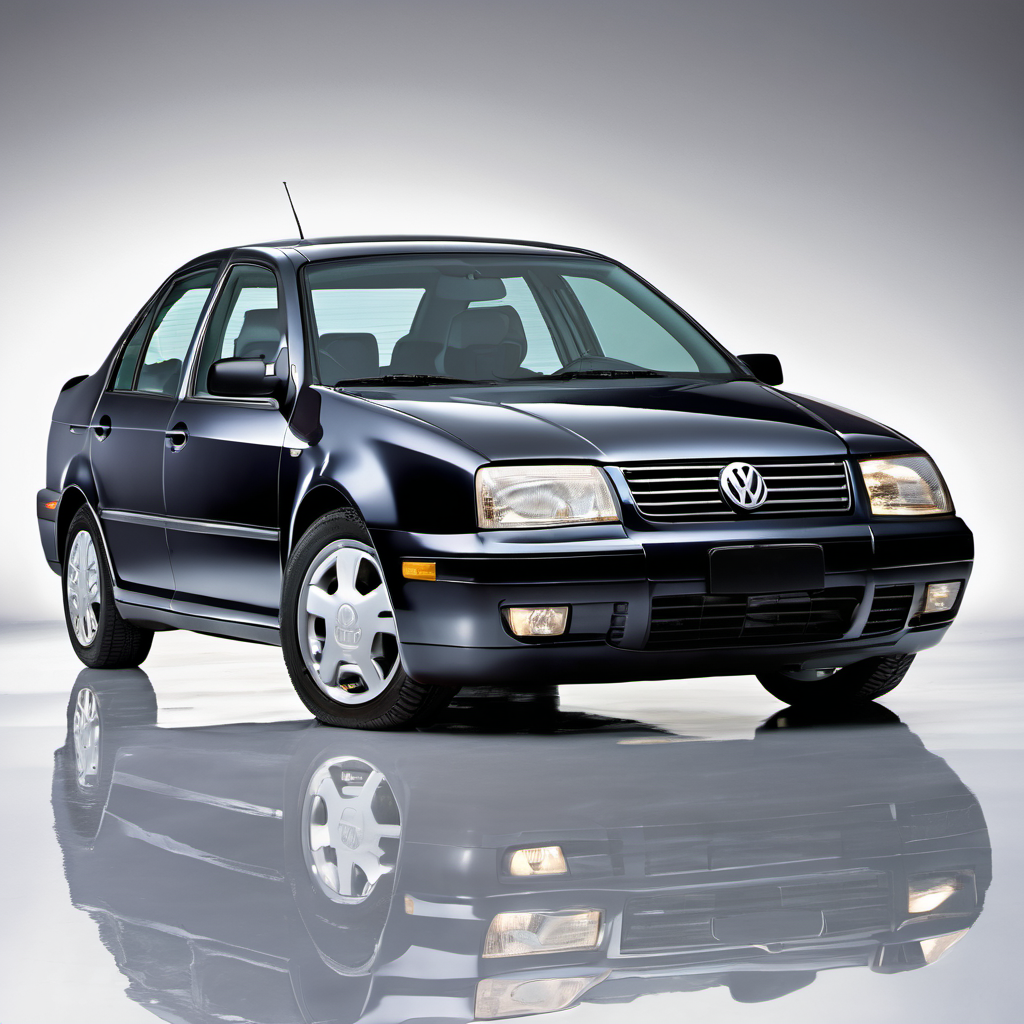
2000 Volkswagen
Sedan
The 2000 Volkswagen Jetta (fourth generation, known as the "MkIV") was VW's attempt to bring European compact-car sophistication to the American market at an affordable price. Built on the Golf platform, it offered a more upscale interior feel than most competitors in its class, along with a tight, composed ride that stood out in the segment. The 1.8T (turbocharged 1.8L four-cylinder) was the most popular powertrain choice and gave the Jetta genuinely spirited performance for its era. However, the MkIV generation has a well-documented reliability reputation that potential buyers should understand before committing: the platform is German-complex in a way that adds up at the shop over time. At 25+ years old, these cars are now firmly in enthusiast/hobbyist territory. A well-maintained example can still be a rewarding daily driver, but deferred-maintenance cars are a money pit. Budget and mechanical access matter a lot with this one.
The 2000 Volkswagen Jetta (fourth generation, known as the "MkIV") was VW's attempt to bring European compact-car sophistication to the American market at an affordable price. Built on the Golf platform, it offered a more upscale interior feel than most competitors in its class, along with a tight, composed ride that stood out in the segment. The 1.8T (turbocharged 1.8L four-cylinder) was the most popular powertrain choice and gave the Jetta genuinely spirited performance for its era. However, the MkIV generation has a well-documented reliability reputation that potential buyers should understand before committing: the platform is German-complex in a way that adds up at the shop over time. At 25+ years old, these cars are now firmly in enthusiast/hobbyist territory. A well-maintained example can still be a rewarding daily driver, but deferred-maintenance cars are a money pit. Budget and mechanical access matter a lot with this one.
This engine sludges badly on extended intervals. Use full synthetic 5W-40 meeting VW 502.00 spec. Skipping or stretching this service is the single fastest way to destroy a 1.8T.
Interference engine — belt failure destroys the engine instantly. Always do the water pump, tensioner, and idler at the same time since they're all exposed during the job.
Check the plastic coolant flange, thermostat housing, and all hoses for seeping or cracking. VW G12/G13 coolant only — mixing types causes gel deposits that clog the cooling system.
Use only platinum or iridium plugs to VW spec. Worn plugs increase misfire risk, which accelerates coil pack wear — an expensive secondary failure.
VW specifies this interval because DOT 4 brake fluid absorbs moisture over time, lowering its boiling point. Especially important for Wisconsin winters where wet road conditions demand reliable braking.
The MkIV's cabin filter is easy to neglect. A clogged filter strains the blower motor and reduces defrost effectiveness — a problem in Wisconsin winters.
Road salt accelerates rust on the subframe, suspension components, and brake lines. Sunroof drains also clog and route water into the cabin floor, causing hidden rust. Flush drains and inspect every spring.
Belt condition is easy to check when timing belt components are exposed. Replace if cracked or glazed.
Always defer to the manufacturer's service manual for warranty-mandated intervals.
The 2000 Jetta 1.8T is cheap to buy but not cheap to own. A well-maintained car in good shape might cost $700–$1,000/year in routine maintenance. A neglected car, or one that hits a major failure (timing belt-related engine damage, sludge, or head gasket), can spike to $2,000–$4,000+ in a single year. Labor costs are elevated relative to domestic competitors because VW specialty knowledge is required — a shop unfamiliar with MkIV quirks will cost you more time and money. Parts availability is decent thanks to a strong enthusiast community, but OEM or quality aftermarket parts are essential; cheap parts fail quickly on these cars.
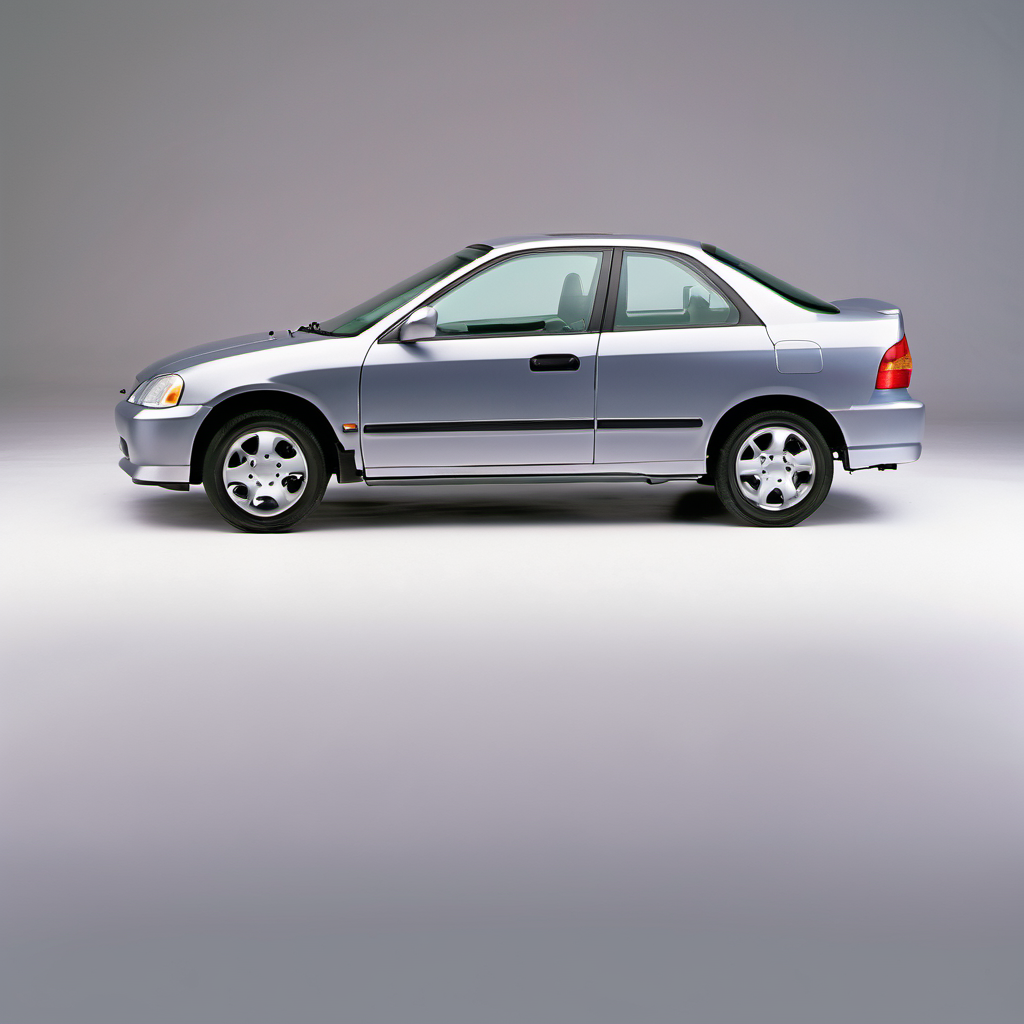
Same compact sedan segment and price range, but significantly more reliable and cheaper to maintain. Less fun to drive, but a much safer used-car purchase at this age.
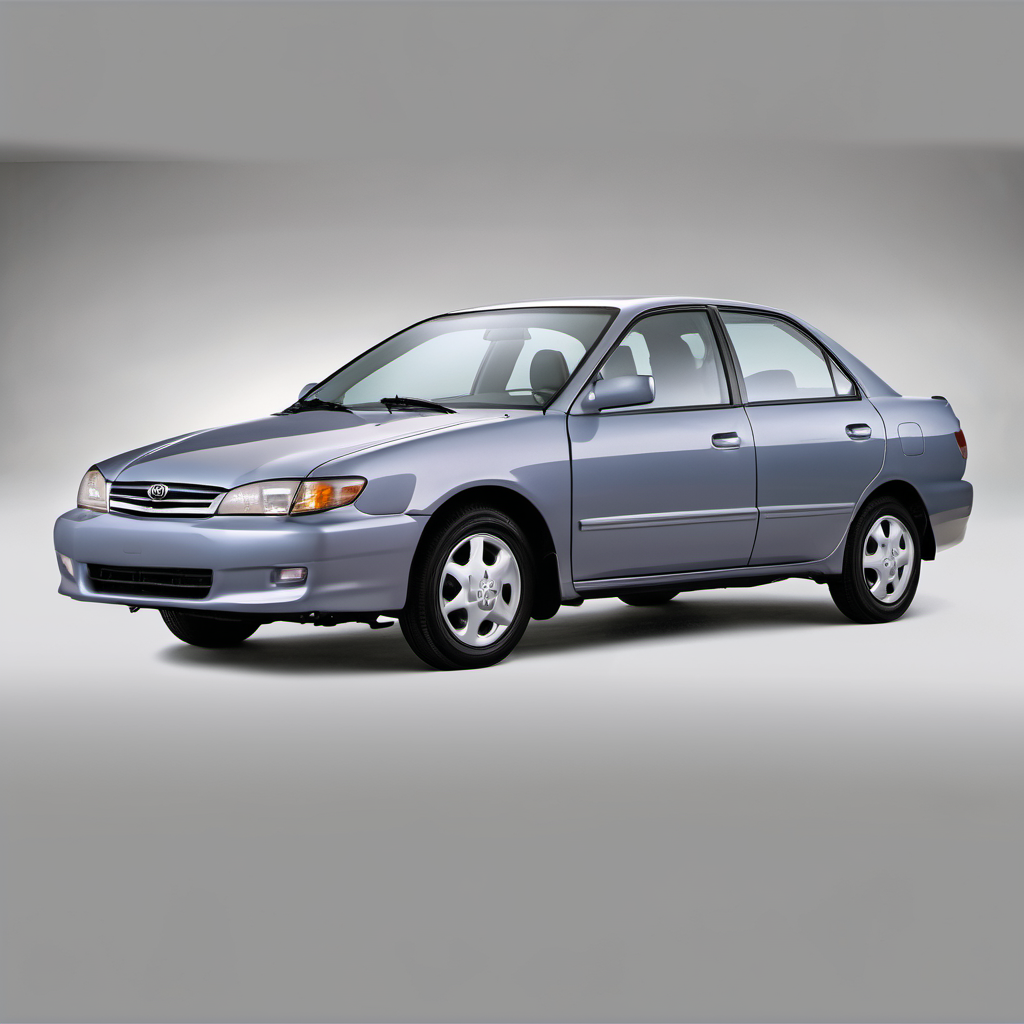
Extremely reliable compact at a similar used-car price. Boring by comparison but will absorb neglect the Jetta simply cannot. Strong resale and parts availability.
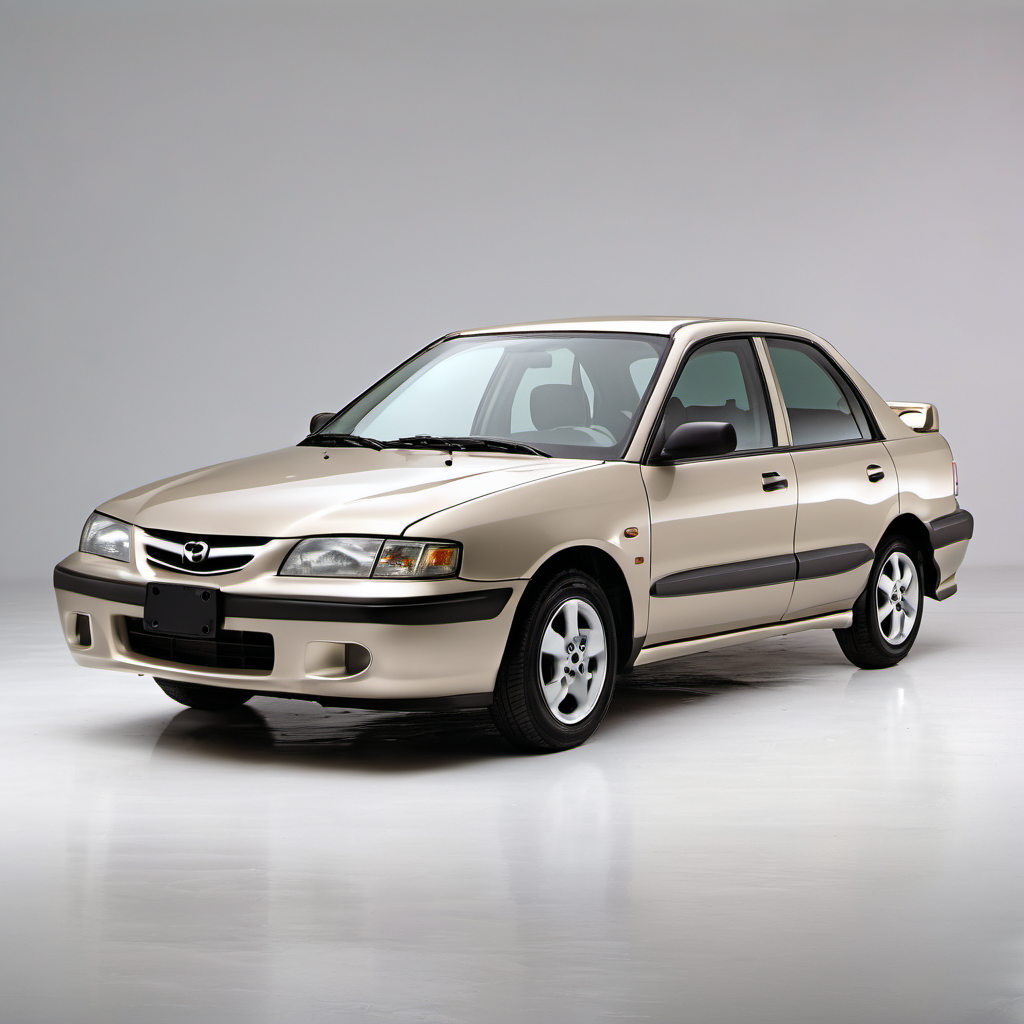
Sporty feel and European-influenced handling in the same compact class. More reliable than the Jetta, cheaper to fix, and underrated in the used market.
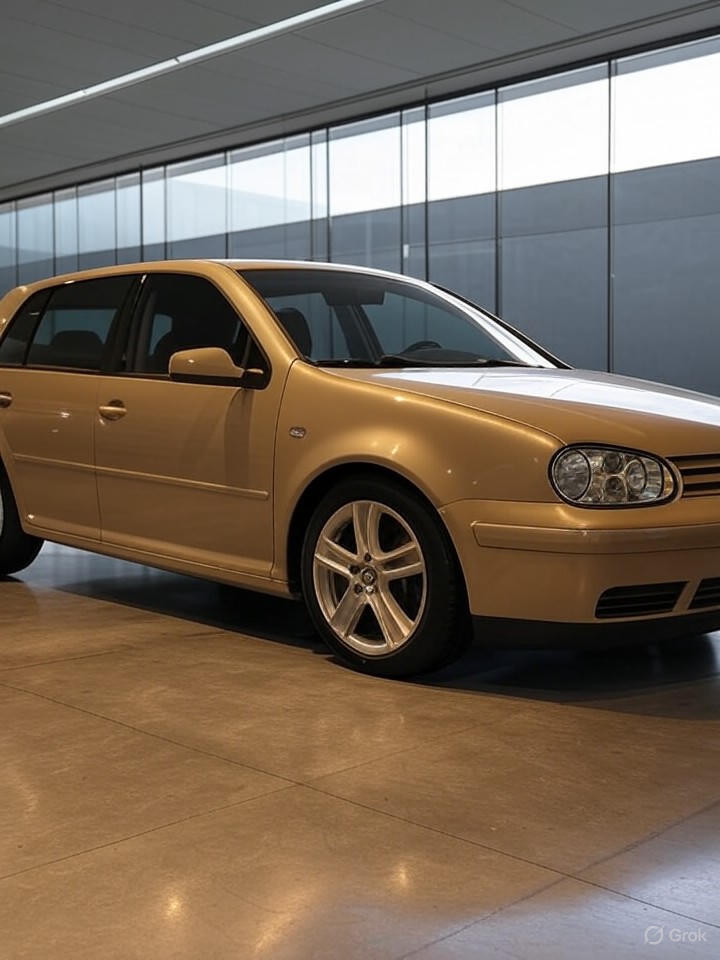
Shares the same MkIV platform and 1.8T engine, so reliability considerations are identical. Offers a hatchback body and often sells for less, with the same driving experience.