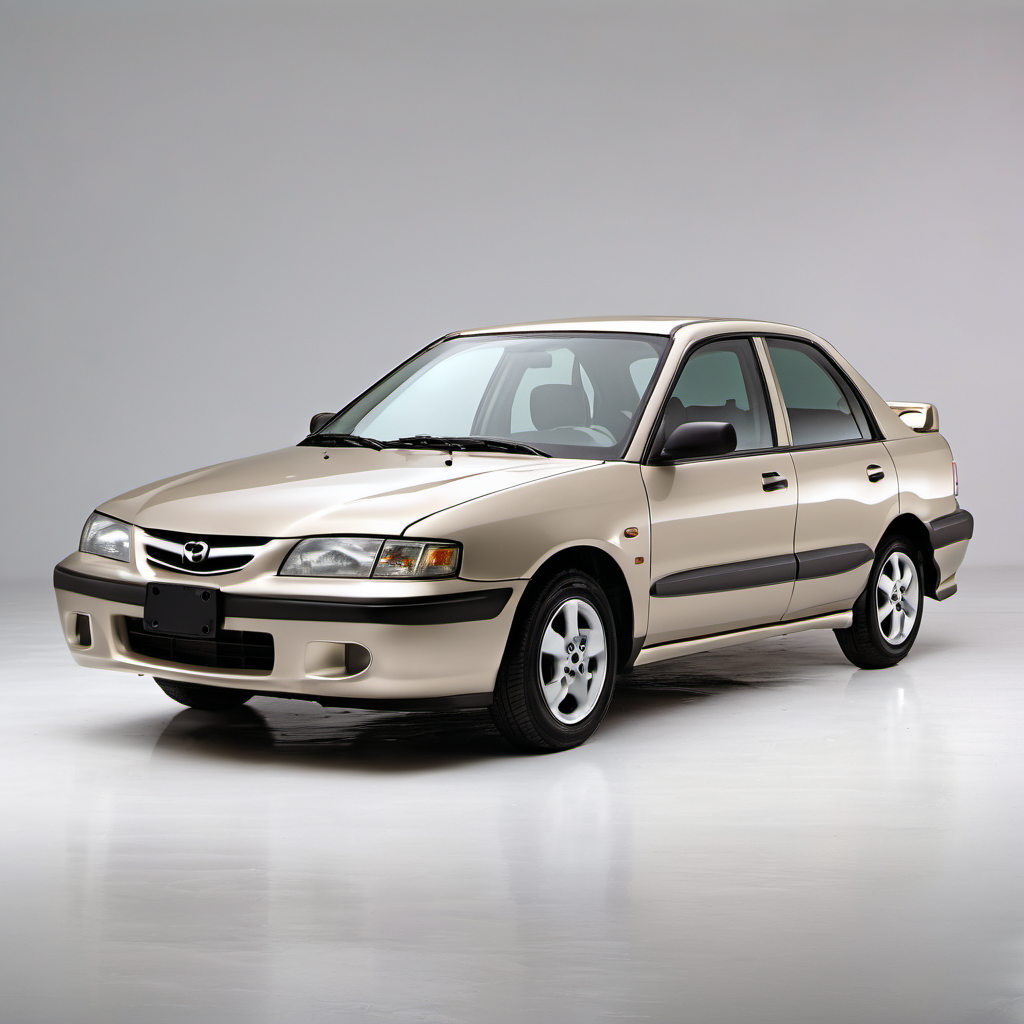
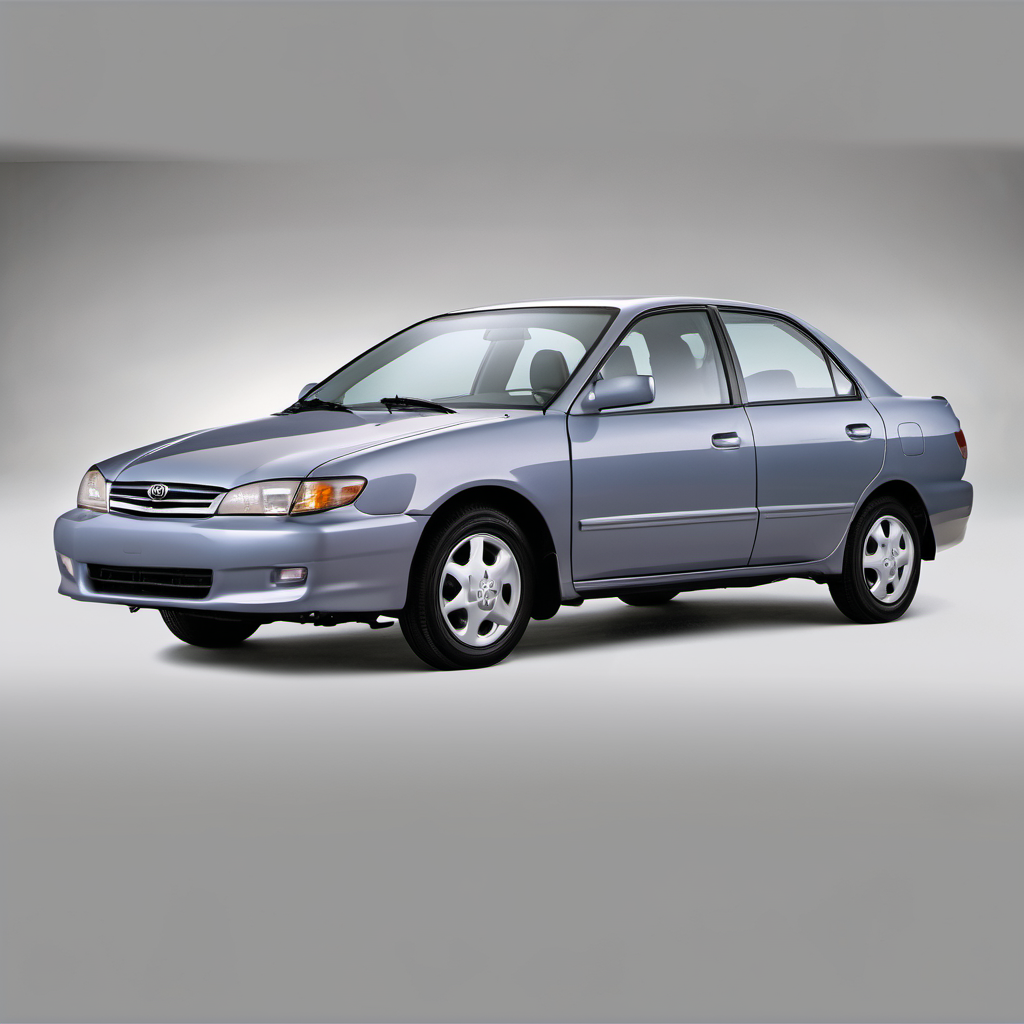
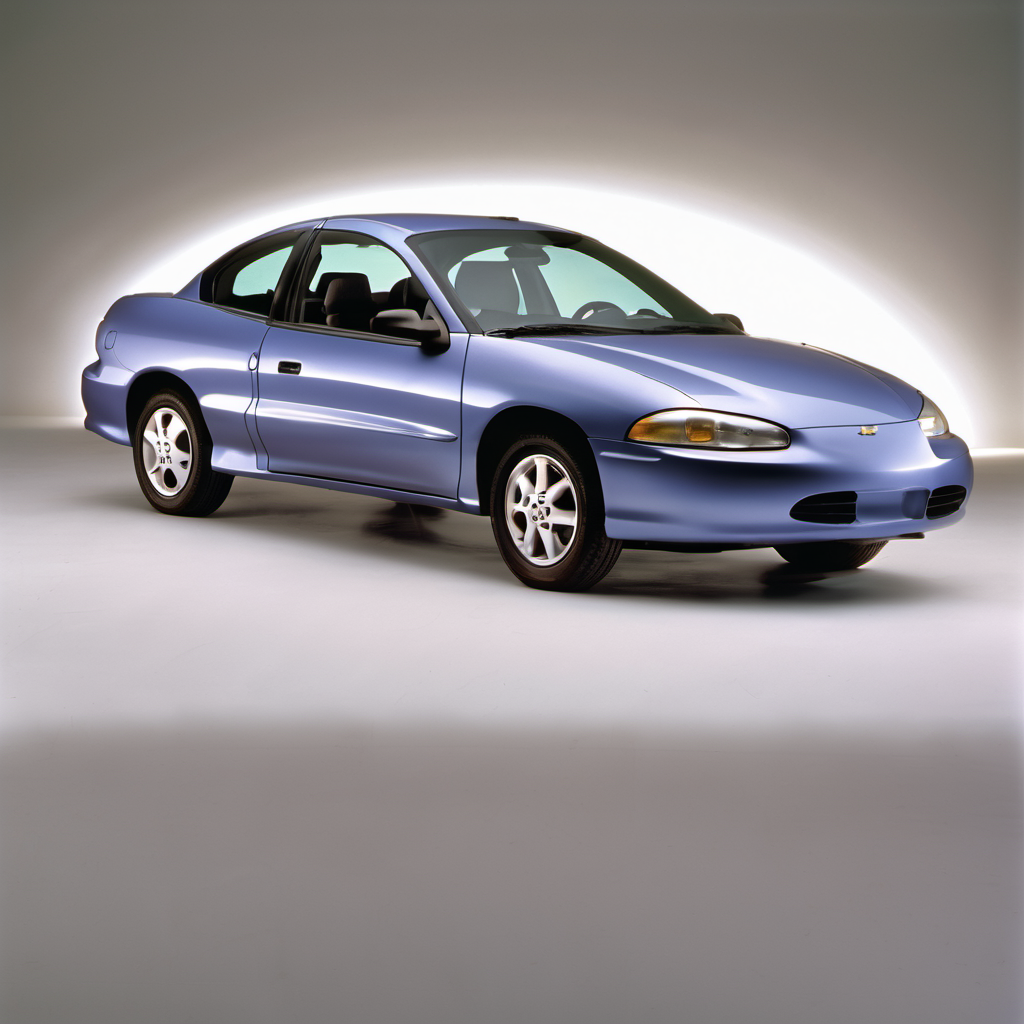
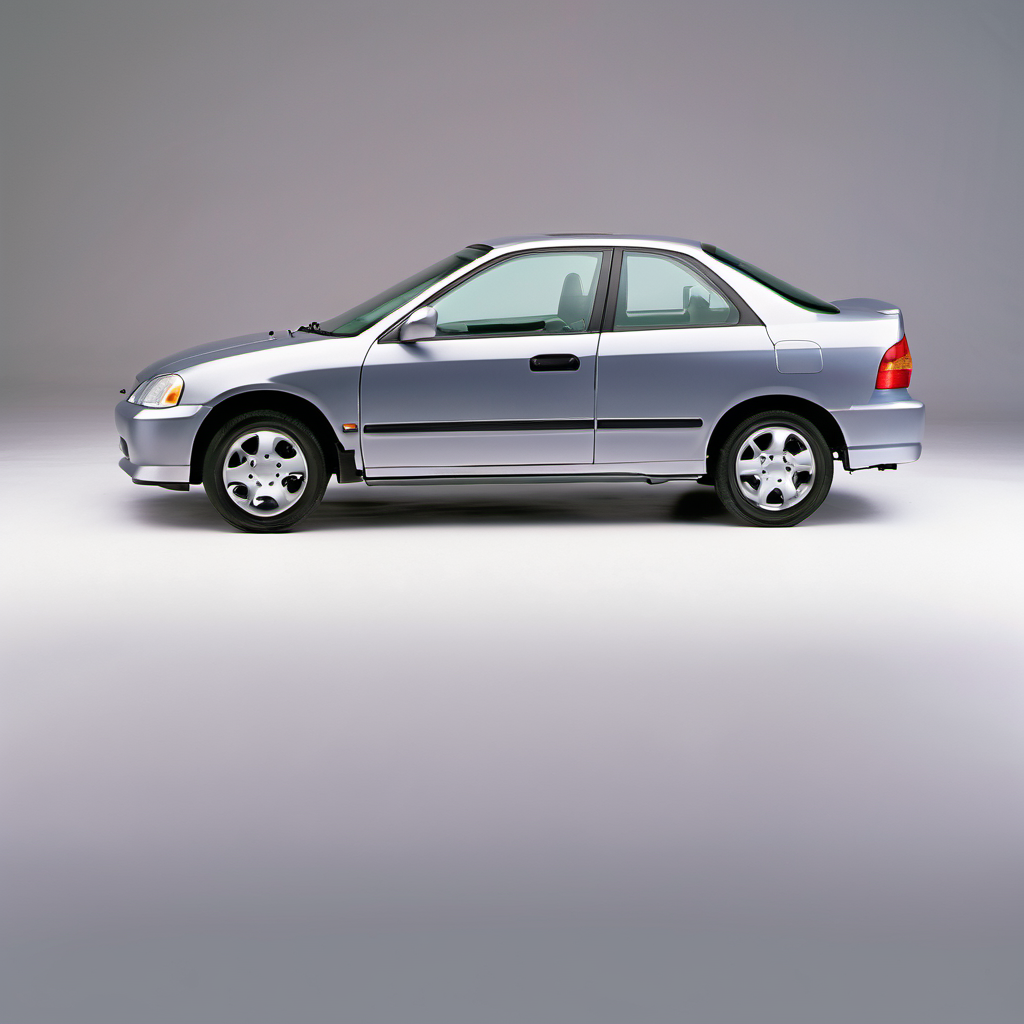
2000 MAZDA Protege Sedan

2000 MAZDA

ProtegeSedan

Sedan

The 2000 Mazda Protege is a compact front-wheel-drive sedan that earned a loyal following for being honest transportation done right. It's light, tossable, reasonably fuel-efficient, and — when maintained — surprisingly durable. By 2000 Mazda had refined the BJ-generation Protege into one of the sharper-driving economy cars on the market, with a willing 1.6L or optional 1.8L four-cylinder and a chassis that rewarded attentive driving without punishing budget maintenance. It sits in the same class as the Honda Civic and Toyota Corolla but has historically cost less to buy used and similar to maintain. Parts availability has thinned as the car ages past 25 years, but generic items (brakes, filters, belts, O2 sensors) remain widely available and affordable. At this age, condition is everything. Most surviving Proteges have well over 100k miles and any rust they've accumulated in Midwest winters is a bigger concern than the drivetrain itself. A well-kept example is still a solid daily driver; a neglected one can become a money pit in suspension and body repair.

Reliability
4/5
Verified data
Specs shown for Protege — the most common configuration. Other trims may vary in engine, drivetrain, or fuel economy. Sign in to see your vehicle's exact specs.
Engine
[object Object]
Drivetrain
FWD
Fuel
Gasoline
MPG
23 city / 30 hwy / 26 combined
Seats
Doors
Body
Compact Cars

Overview

AI-curated

The 2000 Mazda Protege is a compact front-wheel-drive sedan that earned a loyal following for being honest transportation done right. It's light, tossable, reasonably fuel-efficient, and — when maintained — surprisingly durable. By 2000 Mazda had refined the BJ-generation Protege into one of the sharper-driving economy cars on the market, with a willing 1.6L or optional 1.8L four-cylinder and a chassis that rewarded attentive driving without punishing budget maintenance. It sits in the same class as the Honda Civic and Toyota Corolla but has historically cost less to buy used and similar to maintain. Parts availability has thinned as the car ages past 25 years, but generic items (brakes, filters, belts, O2 sensors) remain widely available and affordable. At this age, condition is everything. Most surviving Proteges have well over 100k miles and any rust they've accumulated in Midwest winters is a bigger concern than the drivetrain itself. A well-kept example is still a solid daily driver; a neglected one can become a money pit in suspension and body repair.

Known for
  • Responsive, engaging handling for an economy car
  • Good fuel economy from the small 1.6L engine
  • Low cost of ownership when properly maintained
  • Solid build quality by late-1990s compact standards
Best for
  • Budget-conscious commuters needing reliable A-to-B transportation
  • First-time car buyers or students
  • Drivers who want a manual-transmission option in a small sedan
  • Anyone comfortable doing basic DIY maintenance
Watch for
  • Rust on rocker panels, wheel arches, and subframe — critical in Wisconsin
  • Aging rubber: coolant hoses, intake boots, CV axle boots all crack with age
  • Suspension bushings and front struts wear out and are often deferred on high-mileage examples
  • Automatic transmission longevity depends heavily on fluid change history

Common issues by mileage

6 known

Rust on rocker panels, floor pans, and subframe

high
Typically appears
Any mileage on Midwest/salt-belt cars
Estimated repair
$500 – $3,000

Worn or cracked CV axle boots leading to joint failure

high
Typically appears
80k–150k mi
Estimated repair
$150 – $450

Front struts and suspension bushings worn out

high
Typically appears
90k–160k mi
Estimated repair
$300 – $700

Oxygen sensor failure causing poor fuel economy and check engine light

medium
Typically appears
80k–130k mi
Estimated repair
$150 – $350

Automatic transmission wear from neglected fluid changes

medium
Typically appears
100k–160k mi
Estimated repair
$800 – $2,500

Coolant hose and thermostat failures on high-mileage examples

medium
Typically appears
100k+ mi
Estimated repair
$100 – $400

Maintenance schedule

  1. 1
    Every 5,000 miles or 6 months Engine oil and filter change

    The ZM-DE engine has no VVT complexity — clean oil is the single best thing you can do to extend its life. At this age, stick to conventional or a high-mileage blend.

  2. 2
    Every 60,000 miles or 5 years Timing belt replacement

    The 1.6L ZM-DE is an interference engine. A snapped belt means bent valves and a costly rebuild. On a 25-year-old car, replace it regardless of mileage if there's no documented history.

  3. 3
    Every 30,000 miles or 2 years Coolant flush and hose inspection

    Original rubber hoses are 25 years old. Inspect for softness, cracking, and swelling at clamps. Replace proactively — a burst hose in a Wisconsin winter is a tow call.

  4. 4
    Every 2 years Brake fluid flush

    Brake fluid absorbs moisture over time, lowering its boiling point and accelerating corrosion in the ABS modulator and calipers — especially important in a salt-heavy environment.

  5. 5
    Every 30,000 miles Automatic transmission fluid change (if equipped)

    Many owners skip this. Burnt fluid is the leading cause of Protege automatic transmission failure. Use the Mazda-specified fluid type.

  6. 6
    Every 15,000 miles or annually CV axle boot inspection

    Torn boots let grease out and grit in, destroying the joint quickly. Catching a torn boot early means a $50 boot kit instead of a $250+ axle.

  7. 7
    Every 30,000 miles Spark plugs and ignition wires

    Older plug wires crack in cold weather and cause misfires. Fresh plugs and wires restore fuel economy and cold-start performance noticeably on these small engines.

  8. 8
    Every spring after winter Underbody rust inspection

    Lake Geneva roads are heavily salted. Check rocker panels, subframe mounting points, and brake lines annually. Catching surface rust early is far cheaper than structural repair later.

Always defer to the manufacturer's service manual for warranty-mandated intervals.

Cost of ownership

Annual maintenance
$400 – $900
Fuel
At 26 MPG combined and roughly 12,000 miles/year, expect around $1,400–$1,700/year at current fuel prices. The small 1.6L uses regular 87 octane.
Insurance
Generally low — compact economy sedan with modest horsepower qualifies for minimum liability and comp/collision coverage at competitive rates. Expect $600–$1,100/year depending on driver history.

The Protege is one of the cheaper cars to keep running when it's in good shape. Parts are inexpensive, labor time is short, and the engine is simple. Budget $400–$900/year for routine maintenance on a well-kept example. A car with deferred maintenance (suspension, timing belt, hoses) can cost $1,500–$3,000 to bring fully up to spec in year one — factor that into any purchase price.
Seasonal care

Lake Geneva, WI
Winter
  • Test and replace the battery if it's over 3–4 years old — the small 1.6L still needs a strong cold-cranking amp rating to start reliably at sub-zero Wisconsin temps.
  • Switch to a full-synthetic or high-quality conventional 5W-30 oil before winter to aid cold starts and reduce morning wear.
  • Flush and fill washer fluid with a -20°F or lower rated fluid — the reservoir and lines freeze easily on this car if summer fluid is left in.
  • Inspect rubber door seals and apply a silicone protectant to prevent them from freezing shut overnight.
  • Check brake lines and rubber brake hoses for salt corrosion, especially at fittings and where lines pass near the subframe.
  • Rinse the underbody after heavy salt exposure whenever temps allow — the Protege's thin sheetmetal rusts quickly if salt is left sitting.
Summer
  • Check tire pressure monthly — the Protege's lightweight and narrow tires lose pressure faster in heat and affect both fuel economy and handling.
  • Inspect the A/C system for leaks and confirm the cabin filter (if equipped) is not clogged — a marginal system will struggle on 90°F days.
  • Keep an eye on coolant temperature, especially in stop-and-go traffic. The cooling system on a 25-year-old car deserves fresh coolant and a thermostat check before summer.
  • Inspect the serpentine/accessory belt for cracking — summer heat accelerates rubber fatigue on already-aged belts.

Comparable vehicles

If you're shopping for one

Red flags
  • Any soft spots, bubbling paint, or holes in the rocker panels or floor — structural rust repair is often not cost-effective on a car this age.
  • No timing belt replacement records and seller is unsure of history — walk away or negotiate the cost of immediate replacement.
  • Automatic transmission that hesitates, slips, or clunks between gears — rebuilds cost more than many of these cars are worth.
  • Coolant that looks rusty, oily, or milky — potential head gasket issue on a car that may not be worth the repair cost.
  • Major accident history on Carfax — the Protege's unibody doesn't always repair well and alignment issues can persist.
What to inspect
  • Lift the car and inspect rocker panels, floor pans, and subframe mounting points for rust penetration — this is the make-or-break check on any Midwest Protege.
  • Pull the timing belt cover or check for documented replacement history — if unknown, budget for immediate replacement before purchase.
  • Check all rubber coolant hoses by squeezing them; they should be firm, not mushy or cracked at the ends.
  • Drive it at highway speed and confirm it tracks straight — worn tie rod ends and front struts are common and will show as wandering or pulling.
  • With the engine warmed up, check for white smoke at idle (head gasket concern) or oil in the coolant reservoir.
  • If automatic: check that all gears engage smoothly with no shudder or delay, and smell the dipstick for burnt fluid.
AI profile generated 15 days ago · claude-sonnet-4-6 · v2.