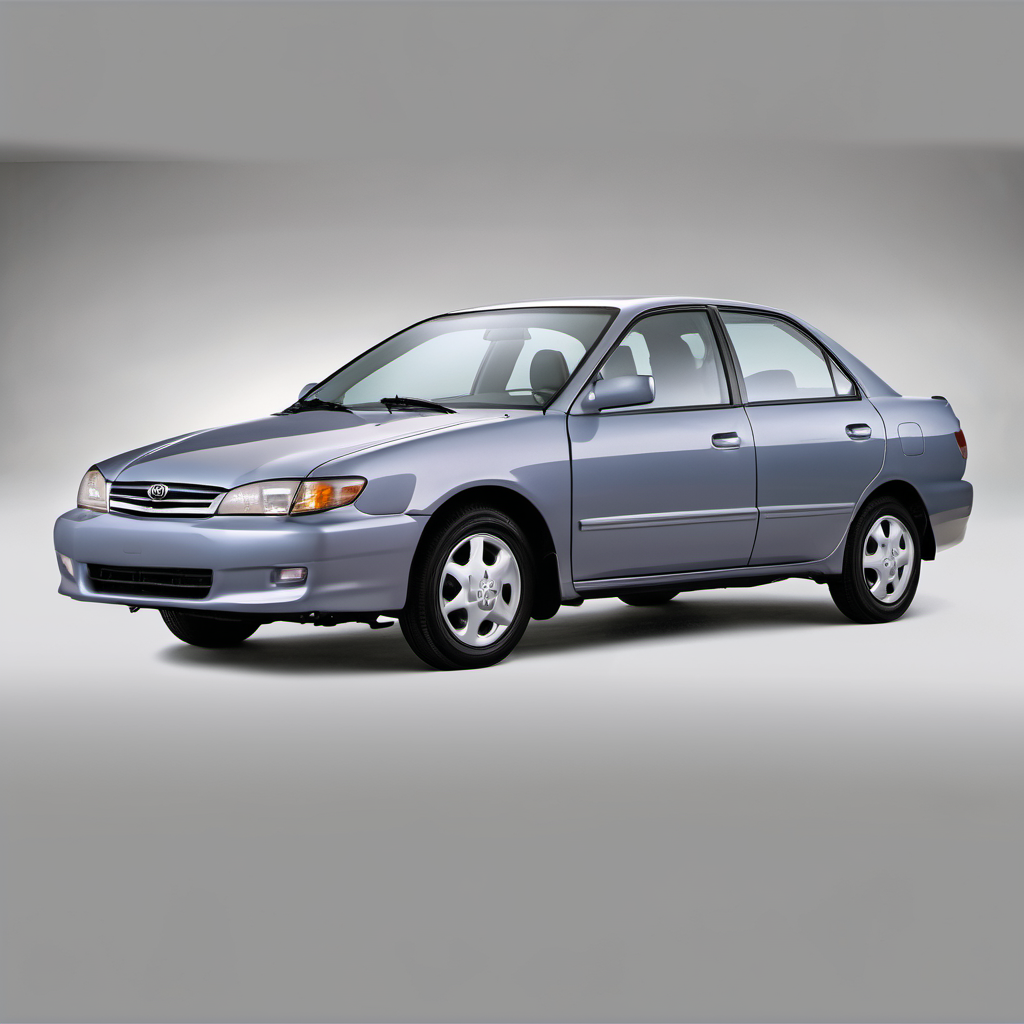
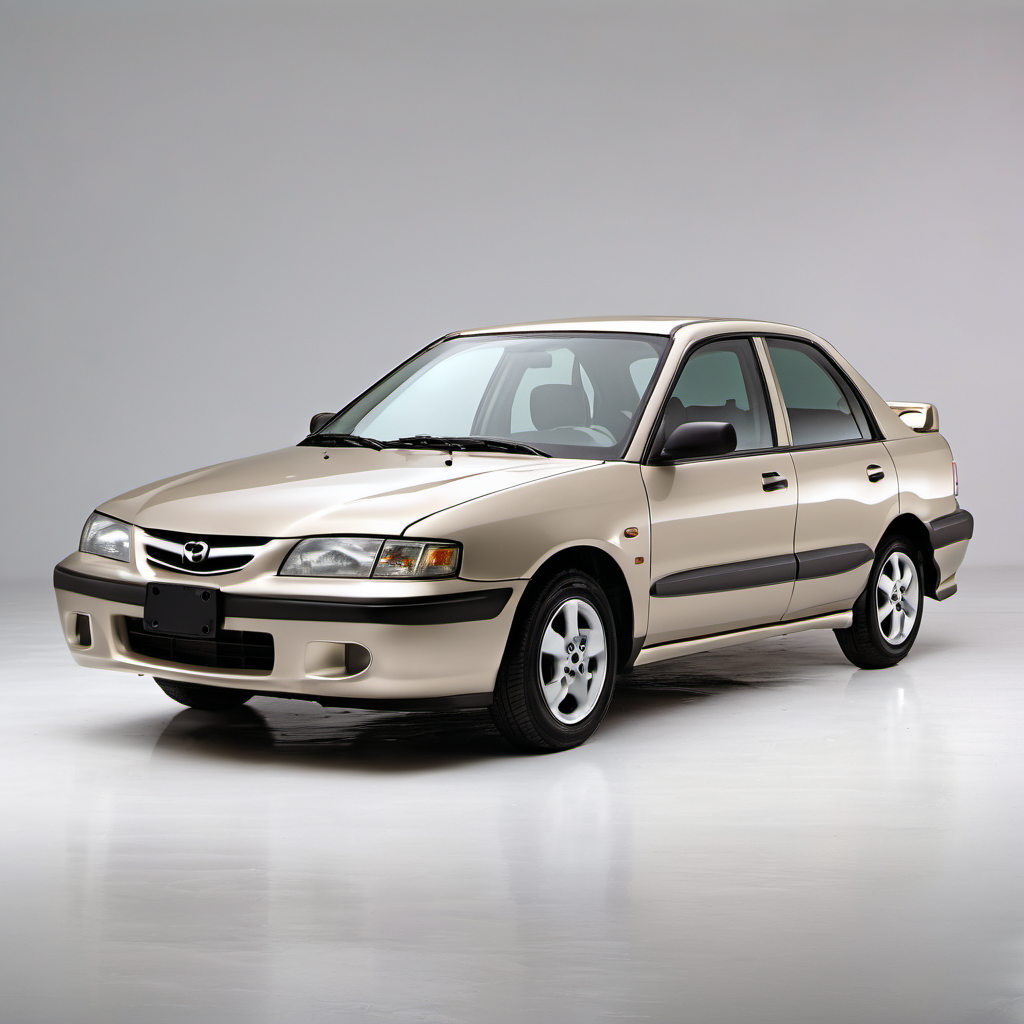
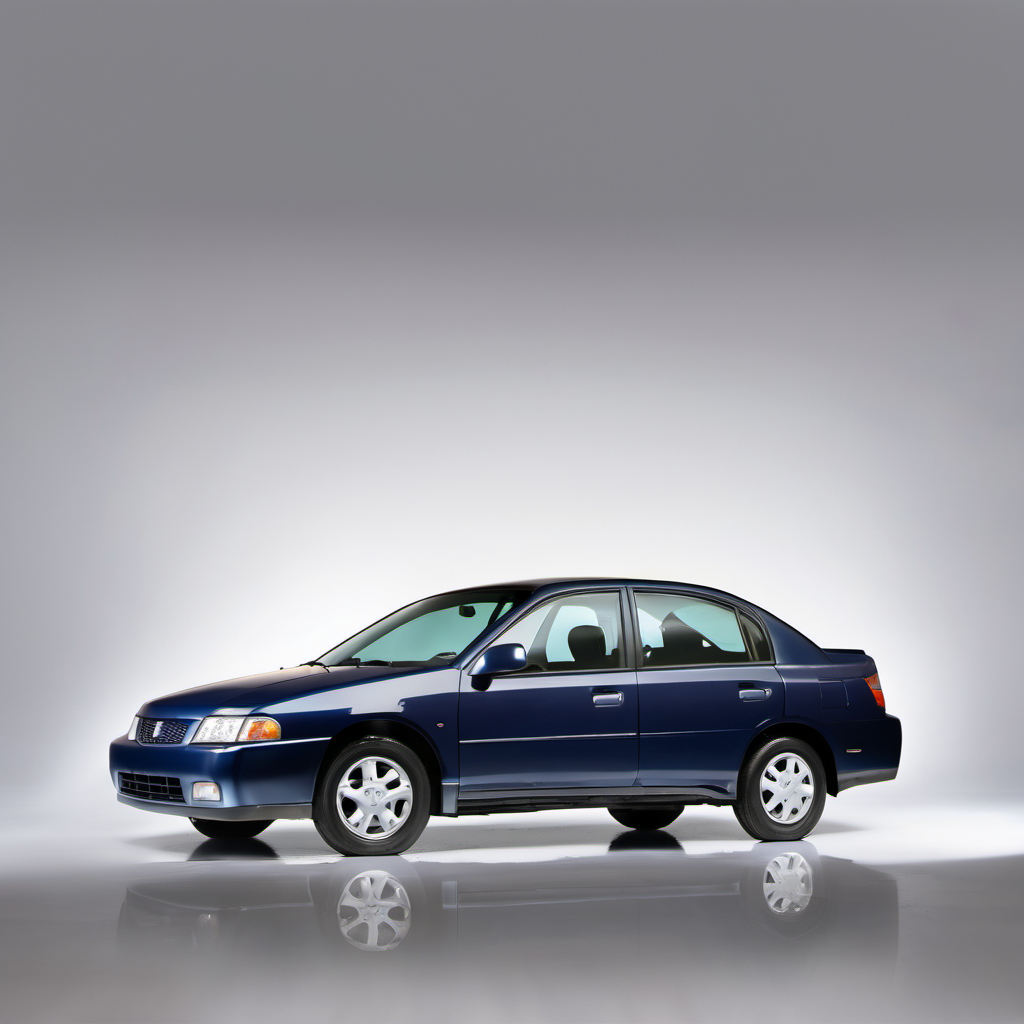
2000 Toyota Corolla Sedan

2000 Toyota

CorollaSedan

Sedan

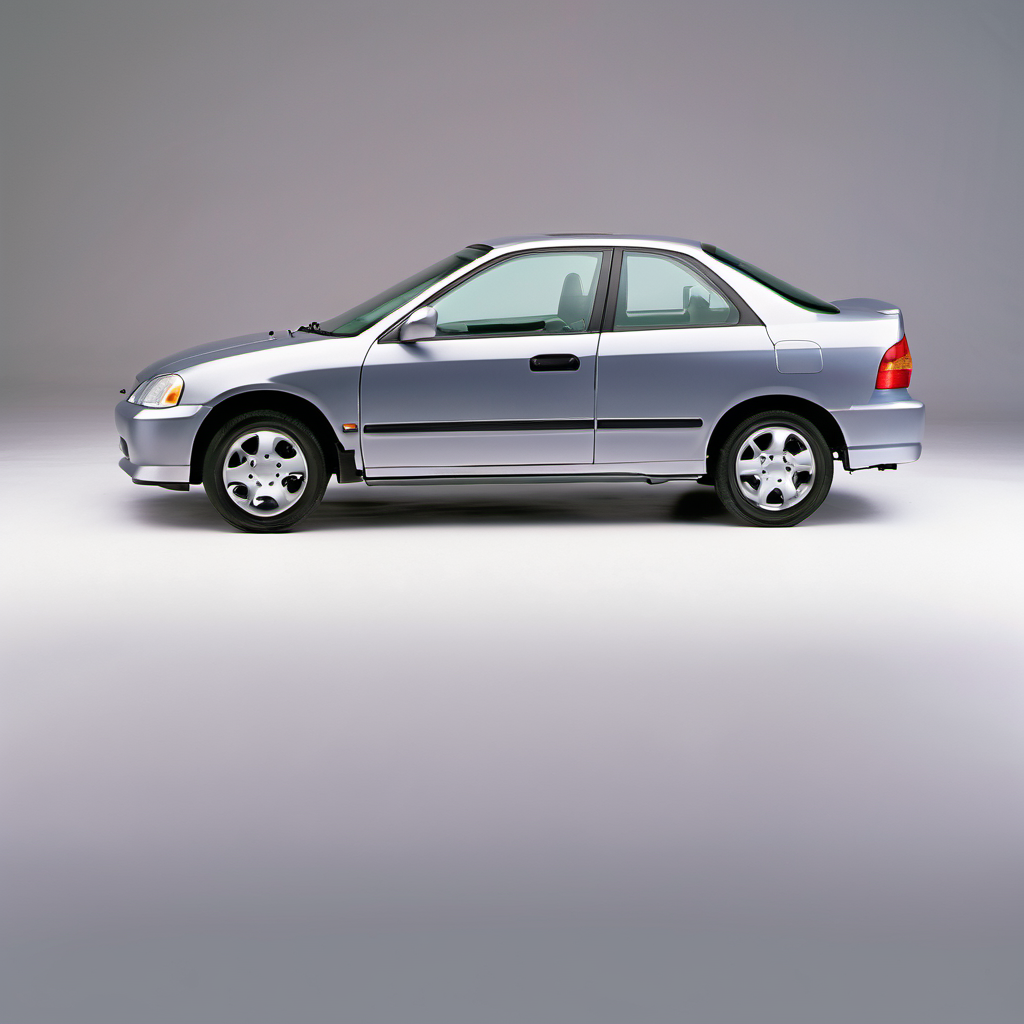
The 2000 Toyota Corolla is part of the eighth generation (E110 platform), a no-nonsense compact sedan that earned its reputation by simply refusing to break. It pairs a 1.8L four-cylinder engine with either a 3-speed automatic, 4-speed automatic, or 5-speed manual transmission, delivering predictable, fuss-free transportation. Fuel economy is respectable for the era, and parts are widely available and affordable. At 20-plus years old, surviving examples have typically accumulated high mileage, but the 1ZZ-FE engine is known to soldier on well past 200,000 miles with consistent oil changes. The biggest age-related concern on these cars is oil consumption due to worn piston rings — a known weakness of the 1ZZ-FE — along with typical rust from Wisconsin road salt exposure. This is a car for someone who wants cheap, reliable point-A-to-point-B transportation. It won't excite, but it almost certainly won't strand you either — provided you stay on top of basic maintenance and address rust before it gets structural.

Reliability
4/5
Verified data
Specs shown for Corolla — the most common configuration. Other trims may vary in engine, drivetrain, or fuel economy. Sign in to see your vehicle's exact specs.
Engine
[object Object]
Drivetrain
FWD
Fuel
Gasoline
MPG
24 city / 29 hwy / 26 combined
Seats
Doors
Body
Compact Cars

Overview

AI-curated

The 2000 Toyota Corolla is part of the eighth generation (E110 platform), a no-nonsense compact sedan that earned its reputation by simply refusing to break. It pairs a 1.8L four-cylinder engine with either a 3-speed automatic, 4-speed automatic, or 5-speed manual transmission, delivering predictable, fuss-free transportation. Fuel economy is respectable for the era, and parts are widely available and affordable. At 20-plus years old, surviving examples have typically accumulated high mileage, but the 1ZZ-FE engine is known to soldier on well past 200,000 miles with consistent oil changes. The biggest age-related concern on these cars is oil consumption due to worn piston rings — a known weakness of the 1ZZ-FE — along with typical rust from Wisconsin road salt exposure. This is a car for someone who wants cheap, reliable point-A-to-point-B transportation. It won't excite, but it almost certainly won't strand you either — provided you stay on top of basic maintenance and address rust before it gets structural.

Known for
  • Exceptional long-term reliability and low cost of ownership
  • 1ZZ-FE engine that routinely reaches 200k+ miles
  • Low parts and labor costs at independent shops
  • Simple, easy-to-work-on drivetrain
  • Strong resale value relative to purchase price
Best for
  • Budget-conscious daily commuters
  • First-time car buyers
  • High-mileage drivers who want low per-mile costs
  • Owners comfortable with older, simpler vehicle technology
Watch for
  • Oil consumption from worn piston rings (1ZZ-FE known issue)
  • Rust on rocker panels, floor pans, and subframe from road salt
  • Aging rubber: engine mounts, bushings, and CV boots crack with age
  • Catalytic converter failure at high mileage
  • Weak original battery performance in sub-zero Wisconsin winters

Common issues by mileage

6 known

Oil consumption / piston ring wear (1ZZ-FE)

high
Typically appears
80k–200k+ mi
Estimated repair
$1,500 – $4,000

Oxygen sensor failure (upstream or downstream)

medium
Typically appears
80k–150k mi
Estimated repair
$150 – $400

Catalytic converter degradation

medium
Typically appears
120k–200k mi
Estimated repair
$400 – $900

CV axle boot cracking / CV joint wear

high
Typically appears
100k–180k mi
Estimated repair
$200 – $500

Strut and shock absorber wear

medium
Typically appears
80k–150k mi
Estimated repair
$400 – $800

Rust on rocker panels, floor pans, and subframe

high
Typically appears
All mileage — age/climate dependent
Estimated repair
$500 – $3,500

Maintenance schedule

  1. 1
    Every 5,000 miles or 6 months — shorten to every 3,000–4,000 miles if oil consumption is present Engine oil and filter change

    The 1ZZ-FE is sensitive to low oil. Burning oil between changes is common; frequent checks and shorter intervals prevent engine damage.

  2. 2
    Every fill-up or at minimum every 1,000 miles Check engine oil level

    High-mileage 1ZZ-FE engines can consume a quart every 1,000–2,000 miles. Running low causes accelerated wear and eventual failure.

  3. 3
    Every 30,000 miles or 2 years Coolant flush

    Old coolant loses its corrosion inhibitors. At 20+ years old, the cooling system likely needs fresh fluid and a hose inspection.

  4. 4
    Every 30,000 miles (standard plugs) or 60,000 miles (iridium/platinum) Spark plug replacement

    Worn plugs worsen oil consumption symptoms and reduce fuel economy. Confirm plug type before setting interval.

  5. 5
    Inspect at 100k mi; replace if rattling on cold start Timing chain and tensioner inspection

    The 1ZZ-FE uses a timing chain — it doesn't need routine replacement but low oil accelerates tensioner wear, causing chain rattle.

  6. 6
    Every 30,000 miles or with every tire rotation CV axle and boot inspection

    Cracked boots let grease out and grit in. Catching a torn boot early avoids replacing the entire axle.

  7. 7
    Every 2 years Brake fluid flush

    Brake fluid absorbs moisture over time, lowering the boiling point — a safety concern, especially in Wisconsin's wet winters.

  8. 8
    Every spring after winter driving season Undercarriage rust inspection

    Road salt attacks the subframe, floor pans, and brake lines. Catching surface rust early is cheap; structural rust is not.

Always defer to the manufacturer's service manual for warranty-mandated intervals.

Cost of ownership

Annual maintenance
$400 – $900
Fuel
At 26 MPG combined and ~12,000 miles/year, expect roughly $1,400–$1,700/year at $3.00–$3.75/gallon. One of the cheaper cars to fuel in its class.
Insurance
Typically $600–$1,100/year for full coverage in the Lake Geneva area depending on driver profile. Liability-only on a 25-year-old economy car can drop well below $600.

The 2000 Corolla is about as cheap to own as a car gets. Routine maintenance is affordable and parts are plentiful. The wildcard costs at this age are rust repair and an engine that consumes oil — both can turn a $3,000 car into a money pit if ignored. Budget an extra $500–$1,000 per year as a reserve for age-related repairs on top of routine service.
Seasonal care

Lake Geneva, WI
Winter
  • Test the battery before first hard freeze — cold-cranking amps drop sharply below 20°F, and a marginal battery that starts fine in October will fail in January. Replace any battery older than 4 years.
  • Switch to a full-synthetic 5W-30 oil if still using conventional — it flows faster on sub-zero cold starts, reducing wear on the timing chain tensioner.
  • Fill washer fluid reservoir with -20°F or colder rated fluid. The stock reservoir cap seal can crack with age; inspect it so fluid doesn't leak into the engine bay.
  • Inspect brake lines and fuel lines for rust pinholes before winter — Wisconsin salt brine wicks into any existing corrosion and accelerates it rapidly.
  • Check tire tread depth and consider winter tires. All-seasons on a 20-year-old Corolla with worn tread are a real safety risk on Lake Geneva's icy back roads.
  • Keep the fuel tank at least half full to reduce condensation in the tank and help the fuel pump stay cool and lubricated.
Summer
  • Check coolant concentration — at 20+ years old, hoses and the radiator cap should be inspected for cracks and pressure holding ability before hot-weather driving.
  • Inspect the A/C system refrigerant level and check for oily residue at fittings indicating a slow leak. R-134a systems on these cars are straightforward to service.
  • Monitor tire pressure weekly — pressure rises roughly 1 PSI for every 10°F increase in temperature. Over-inflation from heat causes uneven wear and reduces wet-road traction.
  • Check the engine air filter — a clogged filter hurts fuel economy and makes the engine run hotter in stop-and-go summer traffic.

Comparable vehicles

If you're shopping for one

Red flags
  • Blue or gray exhaust smoke — confirms active oil burning; negotiate hard or walk away unless priced accordingly.
  • Rust through the floor, rocker panels, or subframe — structural rust is a safety issue and often costs more to fix than the car is worth.
  • Any signs of flood damage: musty smell, stained carpet, corrosion on lower body electrical connectors.
  • Oil streaks or residue around the valve cover gasket and on the back of the engine — neglected seals and likely neglected maintenance overall.
  • A seller who won't allow a pre-purchase inspection by an independent shop — on a 25-year-old car, this is a hard pass.
What to inspect
  • Check the oil level and color before the engine warms up — milky oil means head gasket issues; very dark, low oil means consumption and poor maintenance history.
  • With the engine warm, look for blue smoke from the exhaust on deceleration — classic sign of piston ring wear and active oil consumption.
  • Get under the car and inspect the subframe, rocker panels, floor pans, and brake lines for rust. Poke with a screwdriver — soft spots mean structural rust that may render the car unsafe or uneconomical to repair.
  • Inspect all CV axle boots for cracking or grease fling marks on the inside of the wheel wells.
  • Listen for timing chain rattle in the first 5 seconds after a cold start — a sign of worn tensioner from low-oil operation.
  • Test the A/C, heater, and defroster fully — HVAC parts on a 25-year-old car can be expensive if the blower motor or heater core has failed.
  • Road test on the highway: vibration at speed can indicate warped rotors, worn wheel bearings, or out-of-balance tires — all common at this age and mileage.
AI profile generated 16 days ago · claude-sonnet-4-6 · v2.