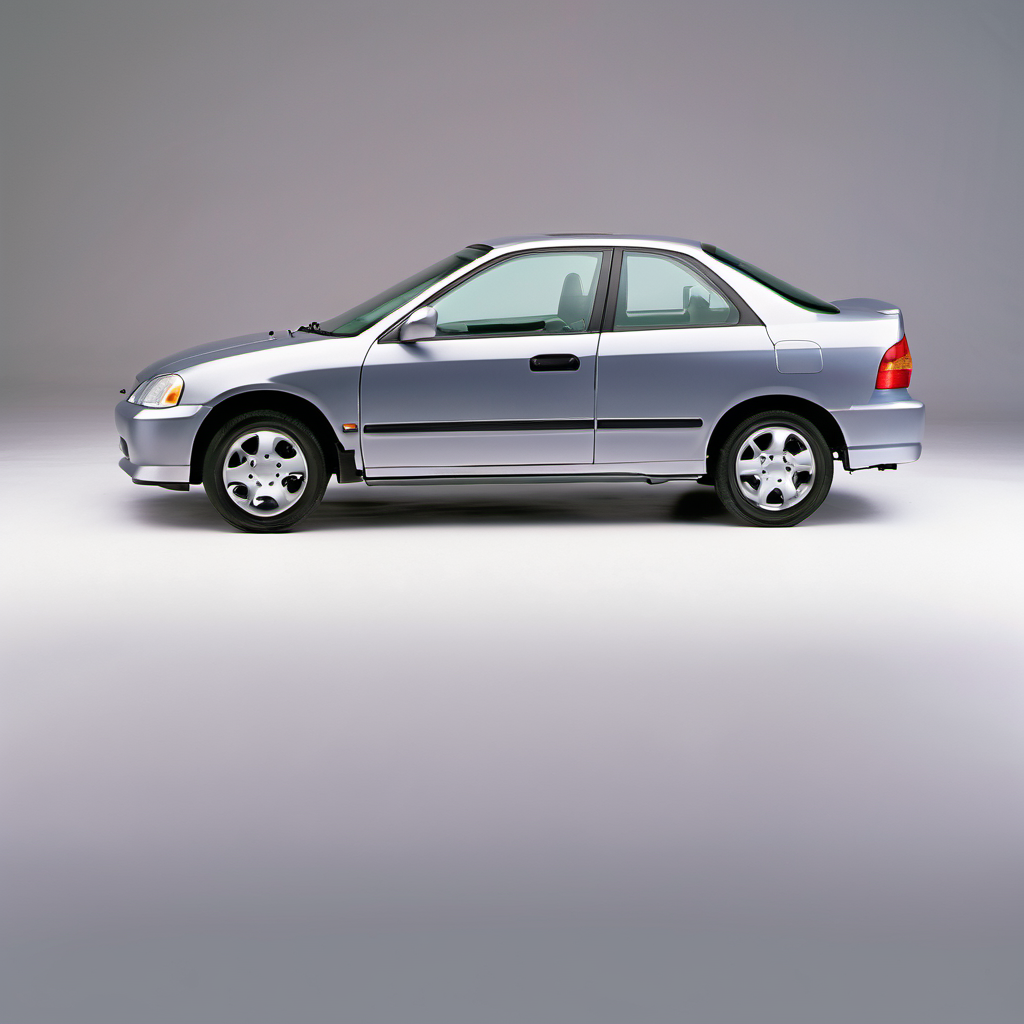
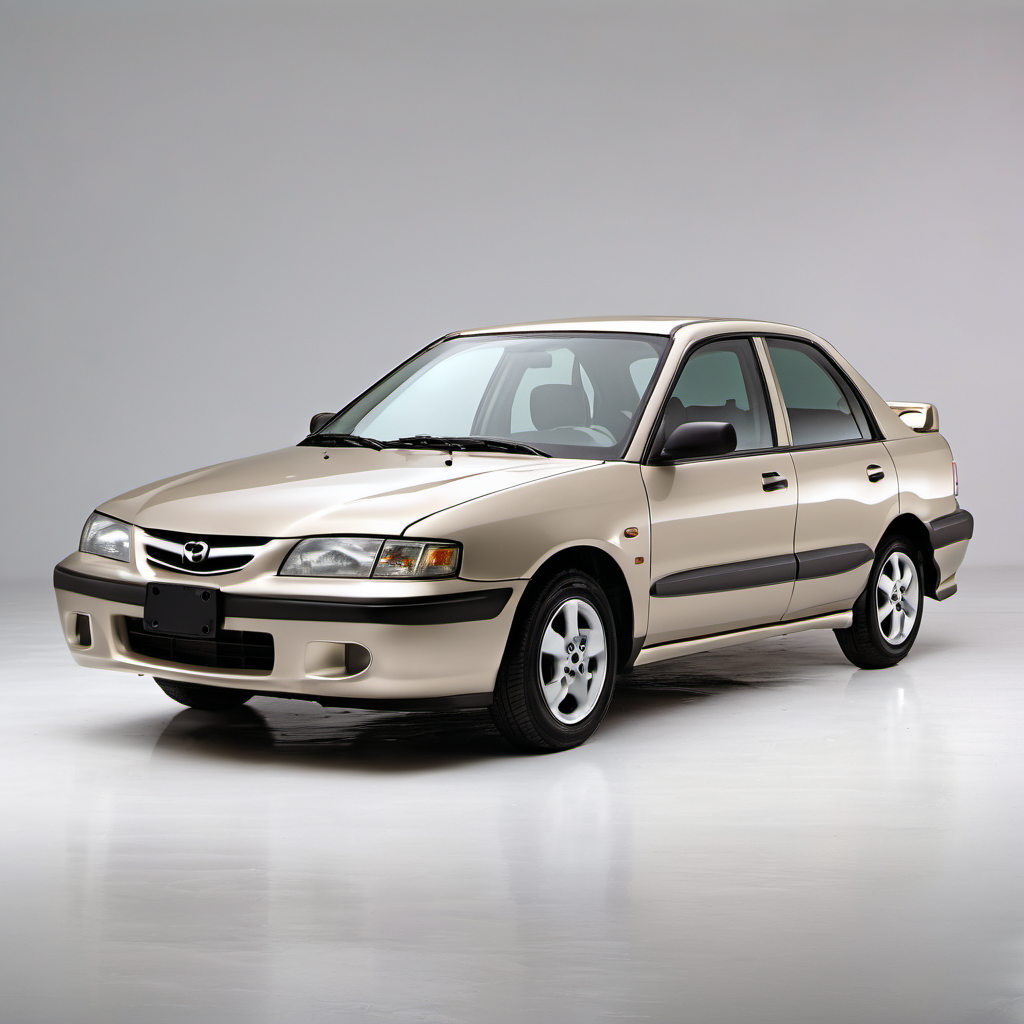
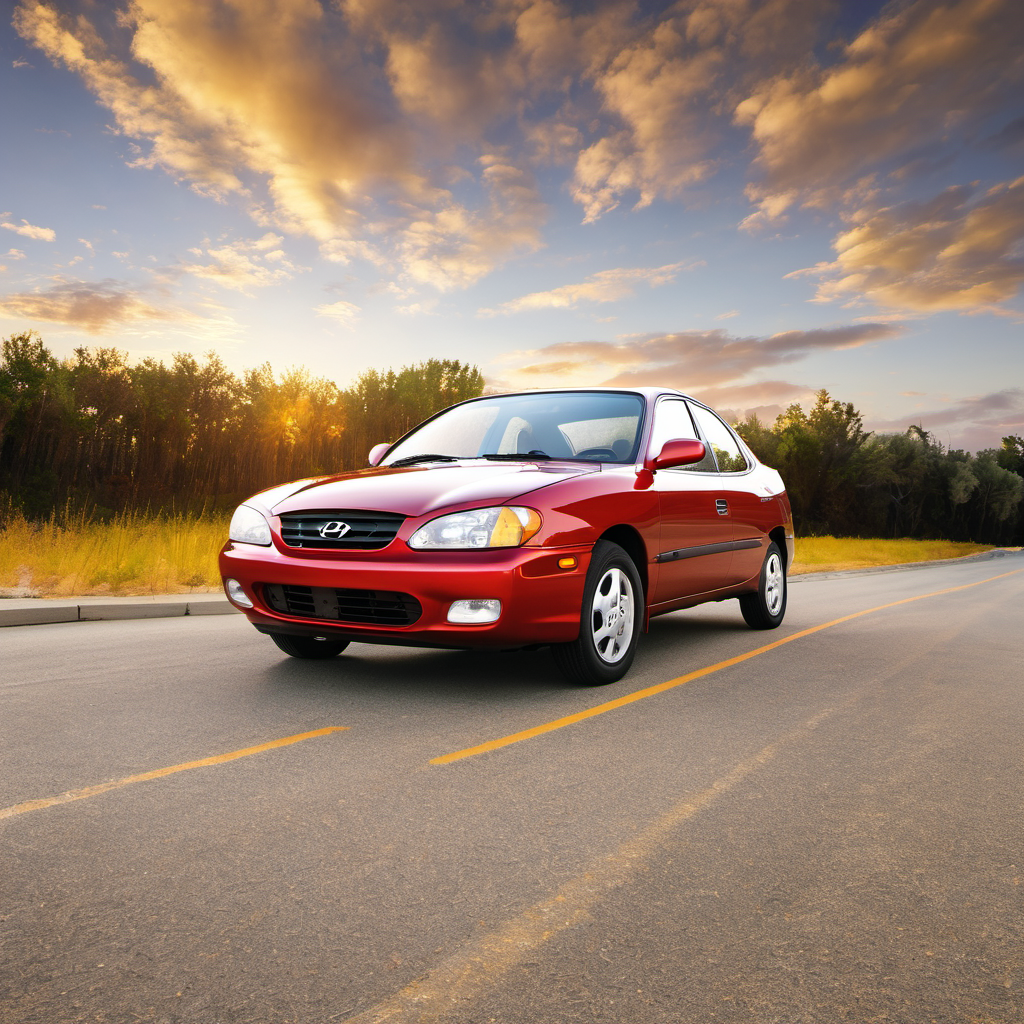
2000 Honda Civic Coupe

2000 Honda

CivicCoupe

Coupe

The 2000 Honda Civic Coupe is part of the sixth-generation Civic (1996–2000), widely regarded as one of the most reliable and practical compact cars ever built. Powered by Honda's proven 1.6L SOHC-VTEC four-cylinder, it delivers a strong balance of fuel efficiency, longevity, and low running costs. At 24 years old, surviving examples are either well-maintained daily drivers or high-mileage survivors — condition varies wildly, so inspection matters more than ever. The 6th-gen Civic earned its reputation by racking up 200k+ miles with basic maintenance. The SOHC D-series engine is simple, parts are cheap and plentiful, and the chassis is light and predictable. The coupe body is two-door with a solid trunk, making it a practical small car despite the sporty look. At this age, rust is the biggest enemy — especially in Wisconsin. The underlying mechanicals are tough, but salt damage to floors, subframes, and brake lines is common and can make an otherwise sound car unsafe or uneconomical to repair. Buy with your eyes open.

Reliability
4/5
Verified data
Specs shown for Civic — the most common configuration. Other trims may vary in engine, drivetrain, or fuel economy. Sign in to see your vehicle's exact specs.
Engine
[object Object]
Drivetrain
FWD
Fuel
Gasoline
MPG
24 city / 32 hwy / 27 combined
Seats
Doors
Body
Subcompact Cars

Overview

AI-curated

The 2000 Honda Civic Coupe is part of the sixth-generation Civic (1996–2000), widely regarded as one of the most reliable and practical compact cars ever built. Powered by Honda's proven 1.6L SOHC-VTEC four-cylinder, it delivers a strong balance of fuel efficiency, longevity, and low running costs. At 24 years old, surviving examples are either well-maintained daily drivers or high-mileage survivors — condition varies wildly, so inspection matters more than ever. The 6th-gen Civic earned its reputation by racking up 200k+ miles with basic maintenance. The SOHC D-series engine is simple, parts are cheap and plentiful, and the chassis is light and predictable. The coupe body is two-door with a solid trunk, making it a practical small car despite the sporty look. At this age, rust is the biggest enemy — especially in Wisconsin. The underlying mechanicals are tough, but salt damage to floors, subframes, and brake lines is common and can make an otherwise sound car unsafe or uneconomical to repair. Buy with your eyes open.

Known for
  • Exceptional long-term reliability when maintained
  • Inexpensive parts and straightforward DIY maintenance
  • Excellent fuel economy for a 2000 model year
  • Lightweight, nimble handling
  • High resale and parts availability even 20+ years later
Best for
  • Budget-conscious daily drivers who prioritize low running costs
  • First-time car owners or young drivers
  • City and commuter driving
  • Owners comfortable with basic maintenance
Watch for
  • Severe rust on floors, rocker panels, subframes, and brake lines — critical in Wisconsin
  • High-mileage examples with deferred maintenance (timing belt, coolant, transmission fluid)
  • Accident history — unibody repairs on older Civics can be structurally compromised
  • Catalytic converter efficiency decline after 150k mi
  • Window regulator and door lock actuator failures common at this age

Common issues by mileage

6 known

Timing belt failure (interference engine)

high
Typically appears
Any mileage if service history is unknown
Estimated repair
$300 – $600

Catalytic converter efficiency loss

high
Typically appears
120k+ mi
Estimated repair
$300 – $650

Rust — rocker panels, floor pans, subframe, brake lines

high
Typically appears
Any mileage on Wisconsin/salt-belt cars
Estimated repair
$500 – $4,000

Window regulator and door lock actuator failure

medium
Typically appears
100k+ mi
Estimated repair
$100 – $300

Coolant leak — water pump or radiator (age-related)

medium
Typically appears
100k+ mi or 15+ years
Estimated repair
$200 – $600

Maintenance schedule

  1. 1
    Every 90k mi or at purchase if history is unknown Timing belt and water pump replacement

    This is an interference engine — a snapped timing belt means bent valves and a destroyed engine. If you can't confirm it's been done, do it now. Water pump is cheap to replace at the same time since it shares the same labor.

  2. 2
    Every 5,000 miles or 6 months Engine oil and filter change

    The D-series engine is tolerant but oil sludge from extended intervals can clog VTEC passages, causing sluggish high-RPM performance. Use the manufacturer-specified weight (5W-30).

  3. 3
    Every 3 years or 45k mi Coolant flush

    On a 24-year-old car, old coolant is acidic and accelerates corrosion in the radiator and heater core. A flush and fresh 50/50 mix is cheap insurance.

  4. 4
    Every 2–3 years Brake fluid flush

    Brake fluid absorbs moisture over time, lowering its boiling point. On a salt-belt car, contaminated fluid also accelerates corrosion in calipers and wheel cylinders.

  5. 5
    Every 30k mi Spark plugs

    Worn plugs on the 1.6L cause rough idle and misfires. Use OEM-spec plugs — the gap matters on VTEC engines.

  6. 6
    Every 30–45k mi Transmission fluid change

    Honda automatics of this era are sensitive to fluid condition. Dark or burned-smelling fluid is a warning sign. Manual transmissions need fluid changes too — often overlooked.

  7. 7
    Annually — every fall before salt season Inspect and treat underbody for rust

    Wisconsin road salt is the primary threat to a Civic this age. Inspect brake lines, subframe, and floor pans. Apply rust inhibitor to bare metal each fall.

  8. 8
    Every 60k mi or at signs of cracking Drive belt (serpentine) inspection and replacement

    A snapped serpentine belt kills charging and power steering instantly. At this age, replace it proactively if it hasn't been done recently.

Always defer to the manufacturer's service manual for warranty-mandated intervals.

Cost of ownership

Annual maintenance
$400 – $900
Fuel
At 27 MPG combined and Wisconsin average gas prices (~$3.20–$3.60/gal), expect roughly $1,400–$1,900/year for 12,000 miles of driving.
Insurance
Typically low — older Civic coupes often run $800–$1,400/year for full coverage depending on driver profile, but liability-only on a high-mileage example can be well under $600/year.

A well-maintained 2000 Civic is one of the cheapest cars to own in its class. Parts are widely available and inexpensive. The risk is deferred maintenance catch-up costs on a high-mileage example — timing belt, cooling system, and rust repair can front-load costs significantly in year one. After that, annual costs settle down nicely.
Seasonal care

Lake Geneva, WI
Winter
  • Inspect the battery — cold cranking amps drop sharply below 0°F, and a marginal battery will leave you stranded. A 24-year-old OEM battery is already long gone; replace anything over 4–5 years old before November.
  • Switch to a winter-rated washer fluid rated to at least -20°F. The stock reservoir and lines can freeze with standard fluid.
  • Inspect brake lines and flexible hoses for rust pinholes before winter — salt water accelerates any existing corrosion and a brake line failure is a safety emergency.
  • Check tire tread depth. All-season tires below 4/32" lose traction on snow dramatically; the Civic's light front-wheel-drive weight makes it surprisingly capable with good winter tires.
  • Flush and refill coolant to the correct 50/50 ratio — pure water freezes; too much antifreeze reduces heat transfer. Verify freeze protection to at least -34°F.
  • Apply a coat of rust inhibitor to exposed underbody metal, especially the subframe and brake line brackets, before salt season begins.
Summer
  • Check tire pressure when tires are cold — summer heat raises pressure 4–6 PSI. Overinflated tires reduce contact patch and braking ability.
  • Inspect the A/C system: the refrigerant in this car is R-134a. If the system is low or not cooling well, have it leak-tested before recharging. Compressor failures are expensive on any car.
  • Watch for heat-soak starting issues — a weak fuel pump or marginal coolant temp sensor can cause hard hot-starts common in this era of Honda.
  • Check coolant level and condition at the start of summer. Overheating a 1.6L can warp the head and cause a costly head gasket failure.

Comparable vehicles

If you're shopping for one

Red flags
  • Any soft or punchy spots in the floor when you step inside — that's rotted floor pan.
  • Brown or rusty coolant in the overflow tank — a sign the cooling system has been neglected and the head gasket may be stressed.
  • Smoke from the exhaust on a warm engine — blue smoke means burning oil, white smoke can mean coolant getting into the combustion chamber.
  • A crunching or grinding feeling when turning slowly at low speed — worn CV axle joints, common at this mileage and age.
  • Any sign the odometer has been tampered with or the mileage is suspiciously low for a 24-year-old car.
What to inspect
  • Lift the car and look at the subframe, floor pans, rocker panels, and brake lines with a flashlight. Surface rust is acceptable; structural rust or a rusty brake line is a deal-breaker.
  • Ask for proof of timing belt replacement. If they can't show a receipt, assume it hasn't been done and price that into your offer ($300–$600 to do it right away).
  • Cold-start the engine and listen for valve train clatter or a VTEC engagement noise at ~3,500 RPM. The engine should idle smoothly within 30 seconds.
  • Test the A/C, all windows (power regulators fail frequently), and door locks.
  • Check for oil consumption: pull the dipstick and look for milky or dark-gray oil, which may indicate a head gasket issue.
AI profile generated 17 days ago · claude-sonnet-4-6 · v2.