Cooling system failure (thermostat housing, coolant flange, water pump)
high- Typically appears
- 60–120k mi
- Estimated repair
- $300 – $800
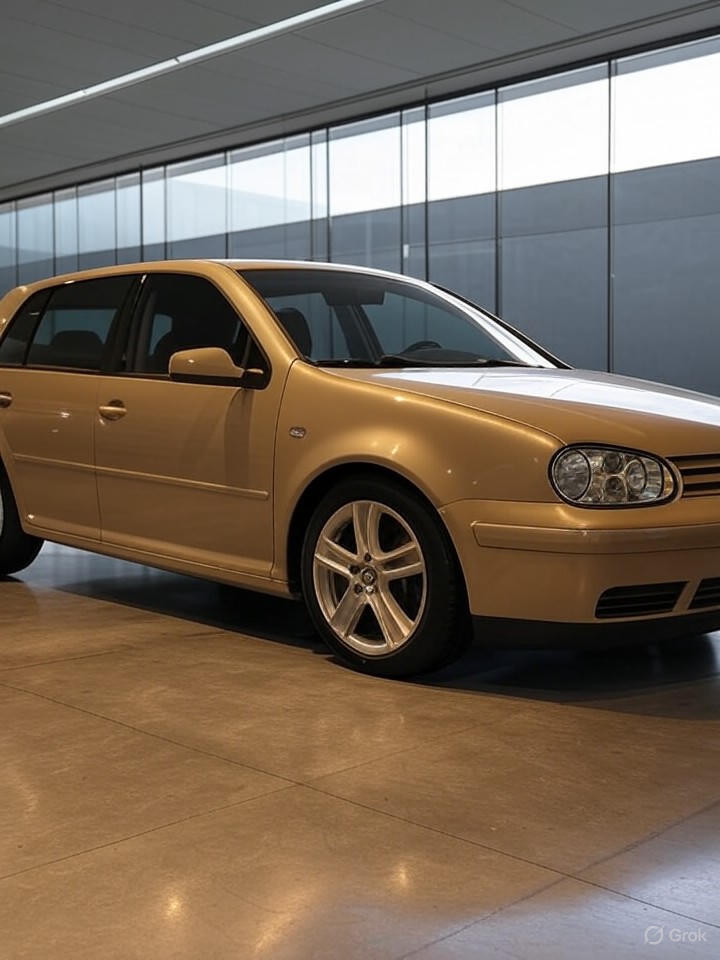
2000 Volkswagen
2.0L I4 · Hatchback
The 2000 Volkswagen Golf Mk4 is the fourth generation of VW's long-running compact hatchback, and it represented a significant step up in interior refinement and build solidity over its predecessor. Sold in the U.S. with a choice of a 2.0L naturally aspirated four-cylinder or the punchy 1.8T turbocharged four, it earned a devoted following for its solid feel, tossable handling, and practical hatchback utility in a small footprint. At 25 years old, the Golf Mk4 is now firmly in enthusiast and budget-ownership territory. Parts availability is reasonable thanks to a large aftermarket and VW community, but the cost of keeping one running properly can surprise owners who underestimate German-car maintenance expectations. Rubber seals, electrical connectors, and cooling system plastics all age poorly and need attention. For Lake Geneva drivers, the Golf's FWD platform handles winter reasonably well with proper winter tires, but the age of these vehicles means rust inspection is non-negotiable in the salt belt. A well-maintained example can still be a fun and economical daily driver; a neglected one can become a money pit fast.
The 2000 Volkswagen Golf Mk4 is the fourth generation of VW's long-running compact hatchback, and it represented a significant step up in interior refinement and build solidity over its predecessor. Sold in the U.S. with a choice of a 2.0L naturally aspirated four-cylinder or the punchy 1.8T turbocharged four, it earned a devoted following for its solid feel, tossable handling, and practical hatchback utility in a small footprint. At 25 years old, the Golf Mk4 is now firmly in enthusiast and budget-ownership territory. Parts availability is reasonable thanks to a large aftermarket and VW community, but the cost of keeping one running properly can surprise owners who underestimate German-car maintenance expectations. Rubber seals, electrical connectors, and cooling system plastics all age poorly and need attention. For Lake Geneva drivers, the Golf's FWD platform handles winter reasonably well with proper winter tires, but the age of these vehicles means rust inspection is non-negotiable in the salt belt. A well-maintained example can still be a fun and economical daily driver; a neglected one can become a money pit fast.
The 1.8T is notorious for sludge when oil is changed at long intervals. Shorter changes are the single best thing you can do for engine longevity.
Plastic cooling components become brittle with age. Proactive replacement of the thermostat housing and flange prevents roadside overheating failures.
This is an interference engine — a snapped timing belt means major internal engine damage. Do not skip or extend this interval.
Coil packs fail with age and heat cycling. Misfires on a 1.8T can cause catalytic converter damage if ignored.
VW specifies a 2-year brake fluid interval. Moisture-saturated fluid raises brake fade risk — critical in Wisconsin's varied terrain and temperature swings.
A 25-year-old car in the Wisconsin salt belt needs annual rust assessment. Catching rocker panel or subframe rust early is the difference between a cheap repair and a totaled car.
Clogged sunroof drains channel water onto the floor and can soak ECU modules. Annual clearing prevents expensive interior and electrical damage.
Cold Wisconsin winters are hard on batteries. A battery that tests marginal in October will likely leave you stranded in January.
Always defer to the manufacturer's service manual for warranty-mandated intervals.
On paper, the Golf looks cheap to own at this age. In practice, deferred maintenance catches up fast — a single cooling system job or timing belt service can run $500–$900 at an independent shop. Budget $1,000–$2,000/year for maintenance and keep a repair fund. Parts are accessible, and a good independent VW specialist will beat dealer pricing significantly. The car rewards attentive owners and punishes neglectful ones.
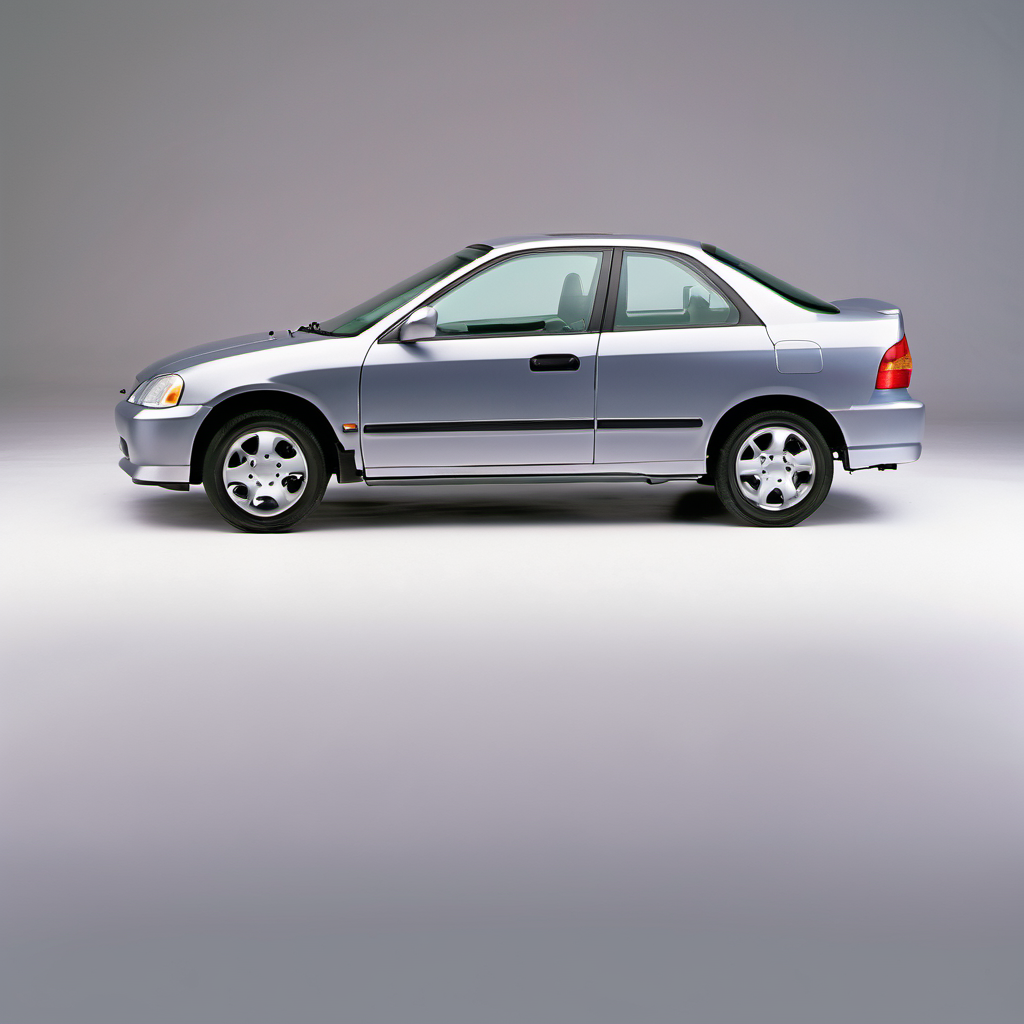
Same compact hatchback/sedan segment and price range, but significantly more reliable at high mileage with lower maintenance costs. Better long-term ownership proposition for most buyers.
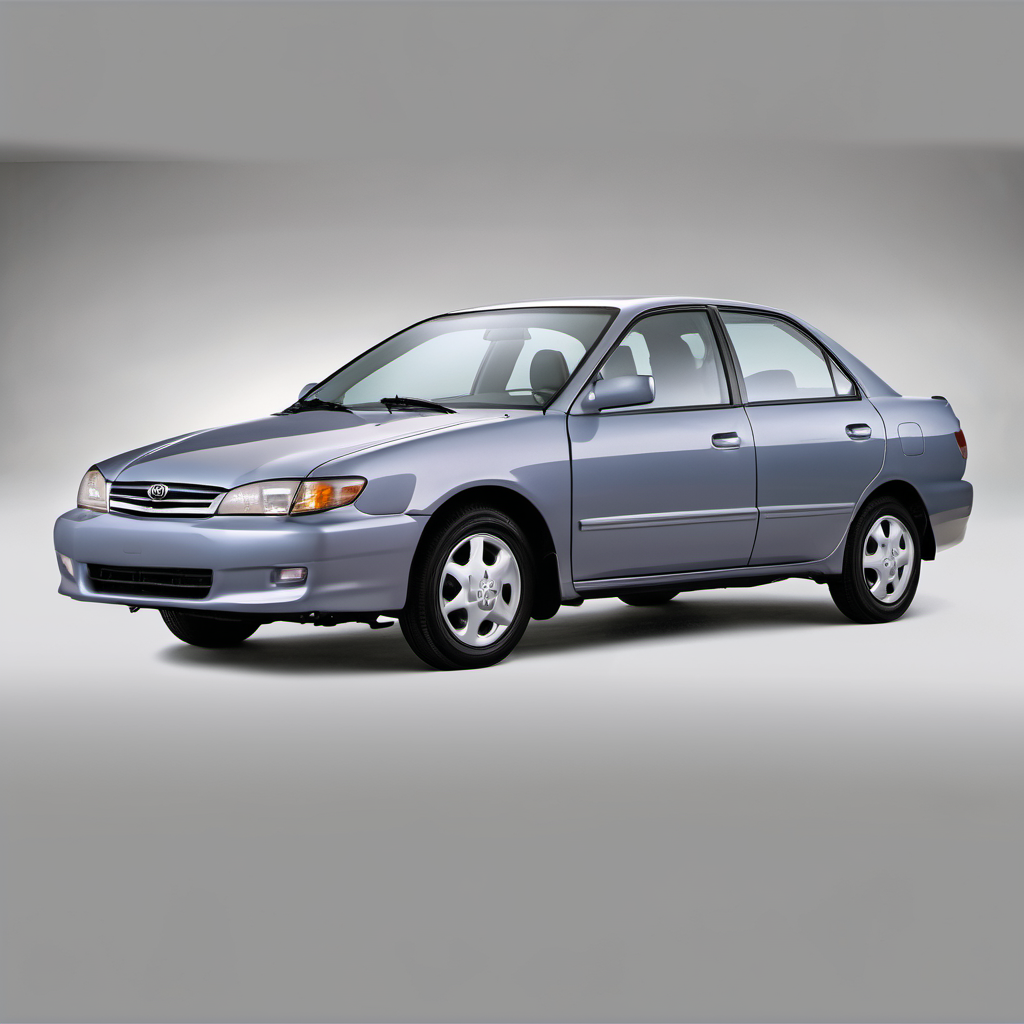
Direct competitor in the compact economy segment. Cheaper to maintain, more forgiving of deferred service, and typically easier to find in rust-free condition.
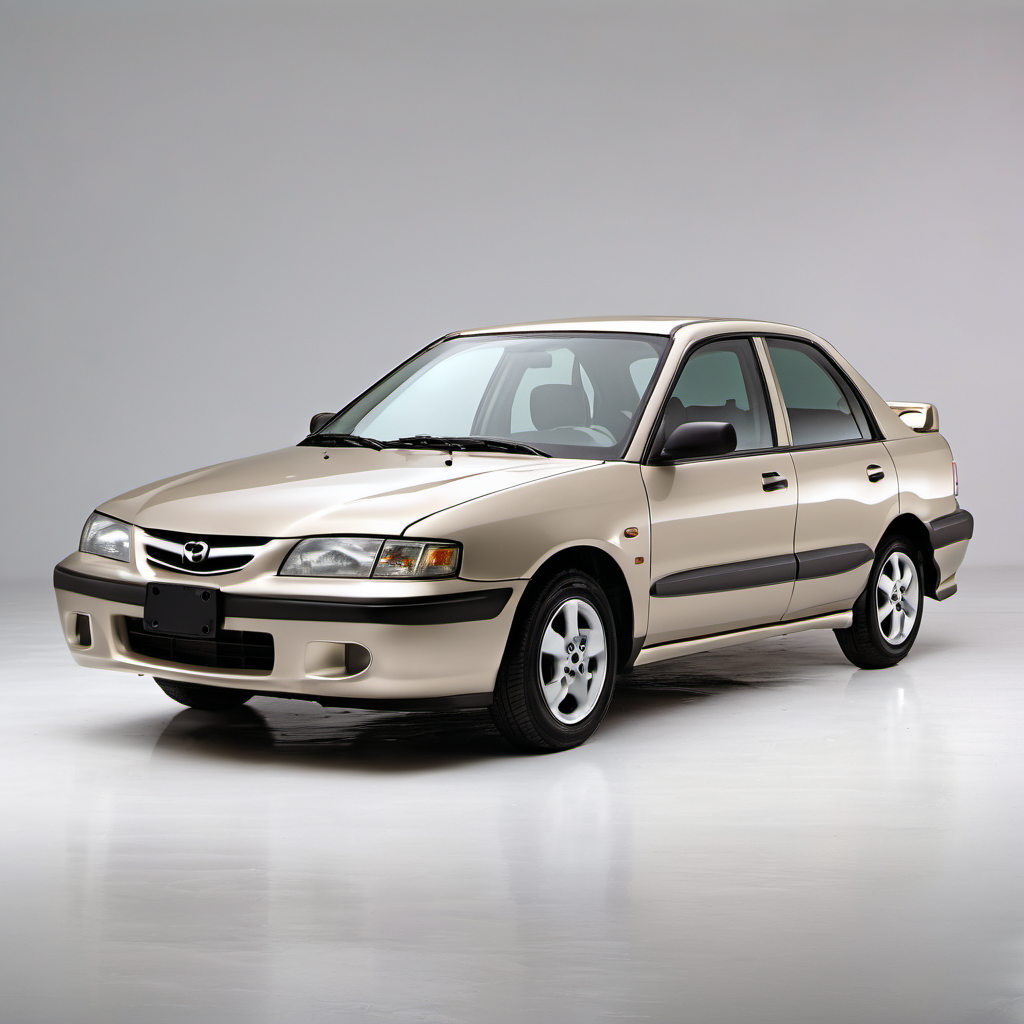
Sporty compact with similar driver engagement to the Golf, better reliability reputation, and comparable pricing. A solid alternative for enthusiast-minded budget buyers.
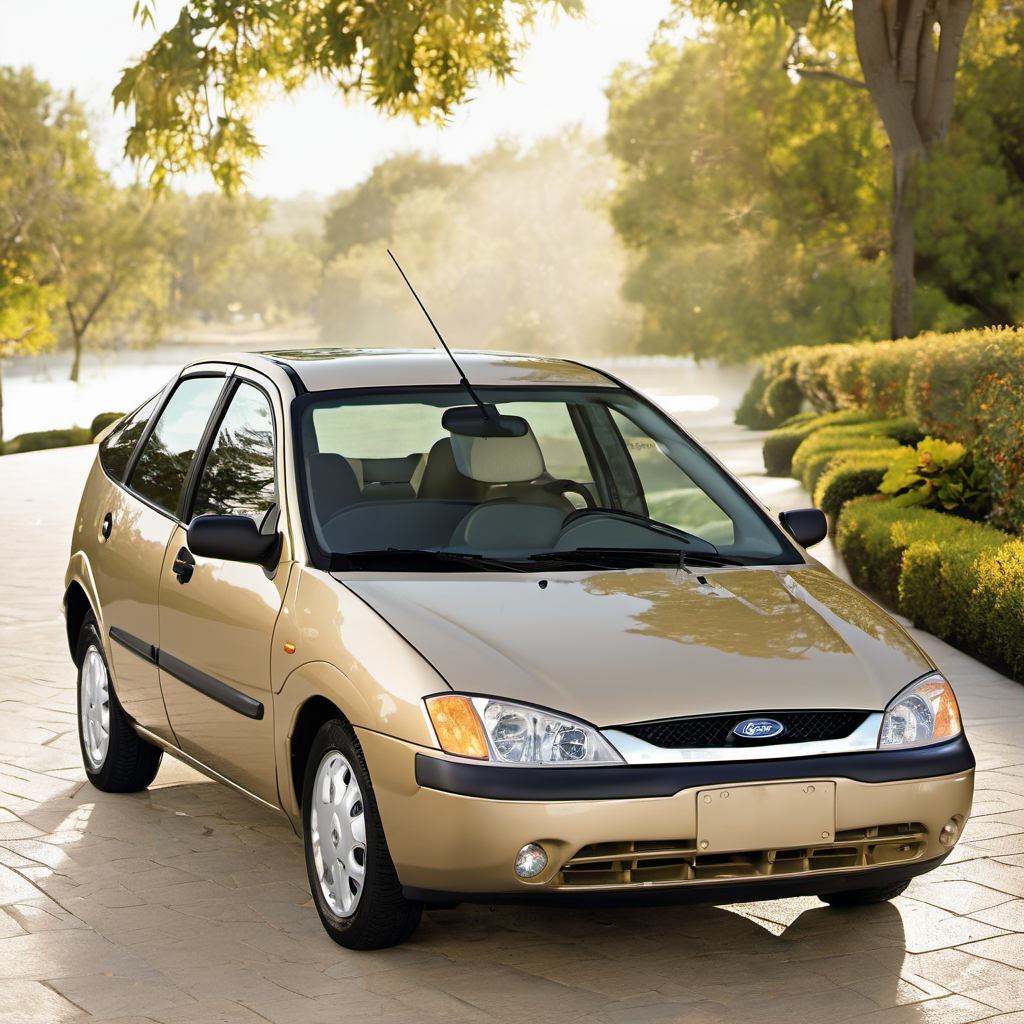
Introduced the same year, similarly positioned as a European-influenced compact. Parts are cheaper and more available domestically, though early Focus had its own reliability quirks.