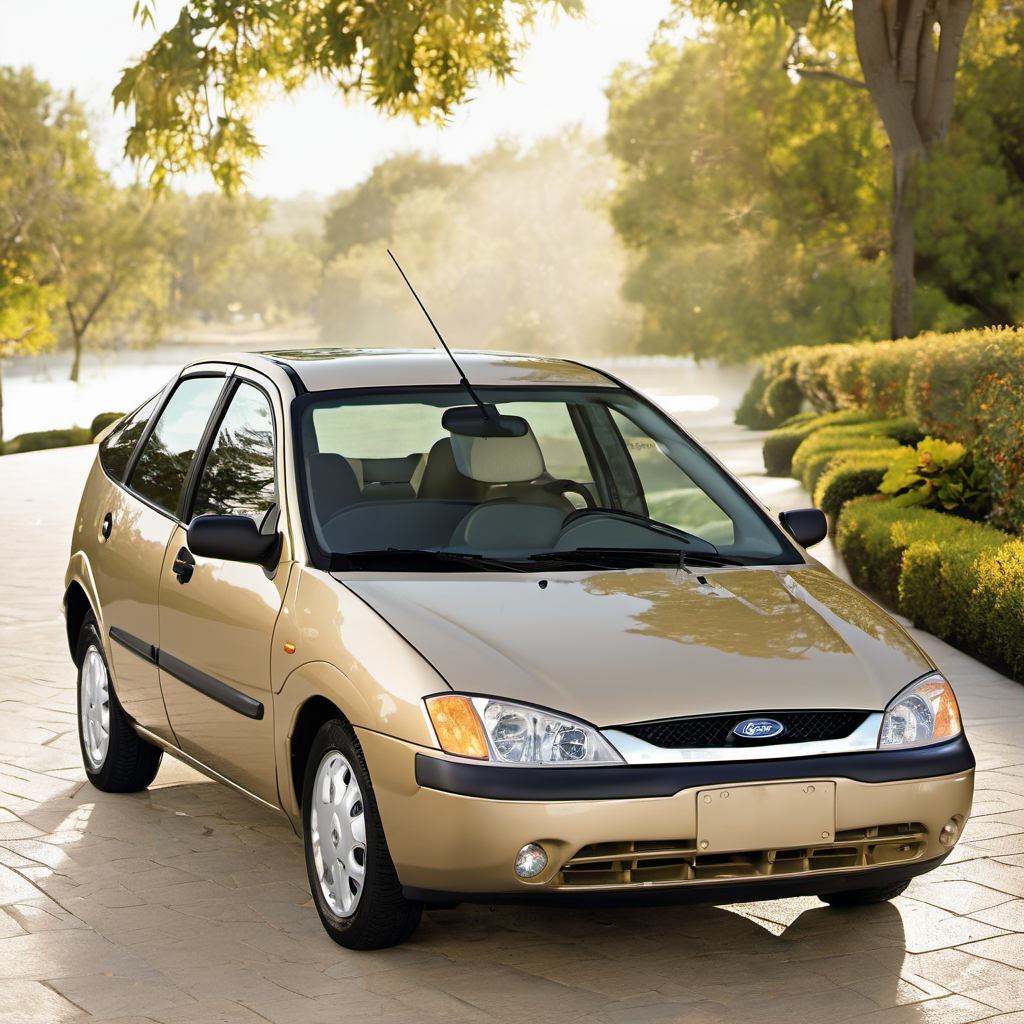
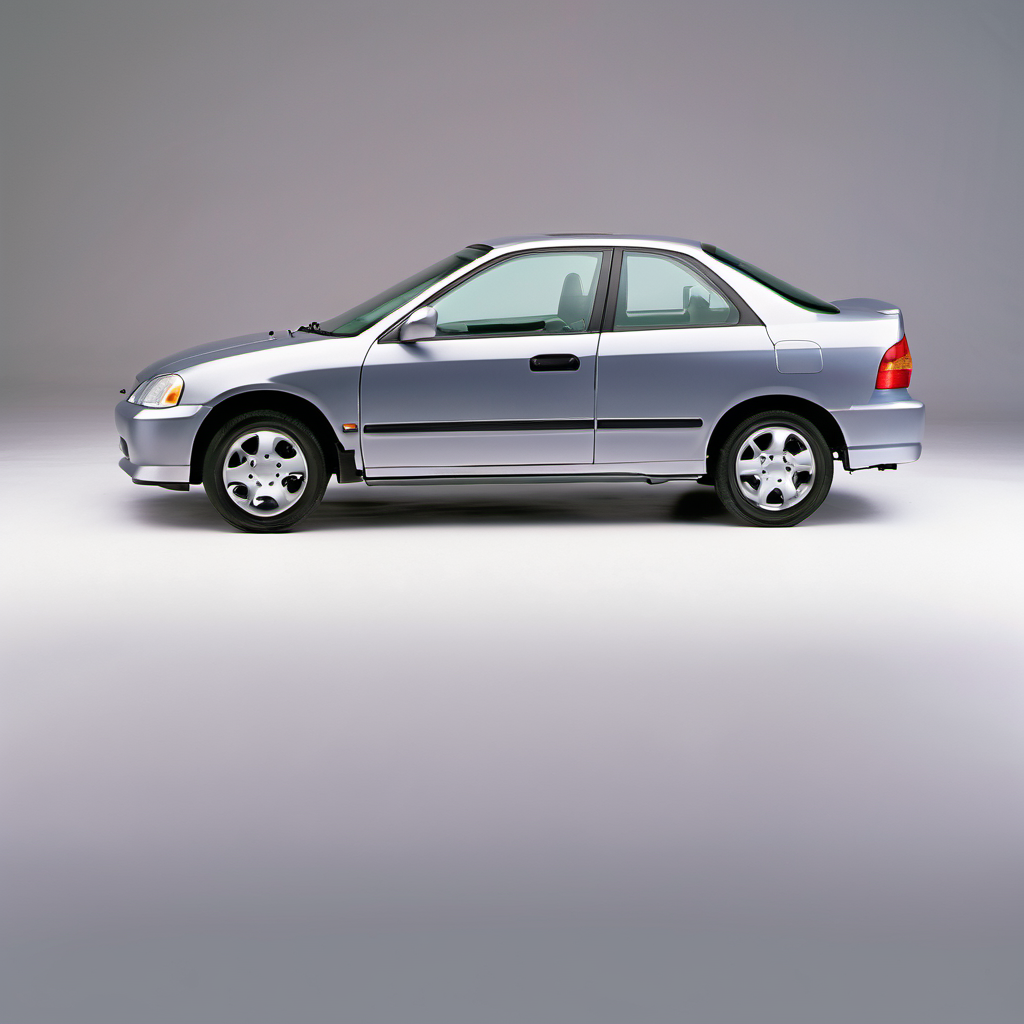
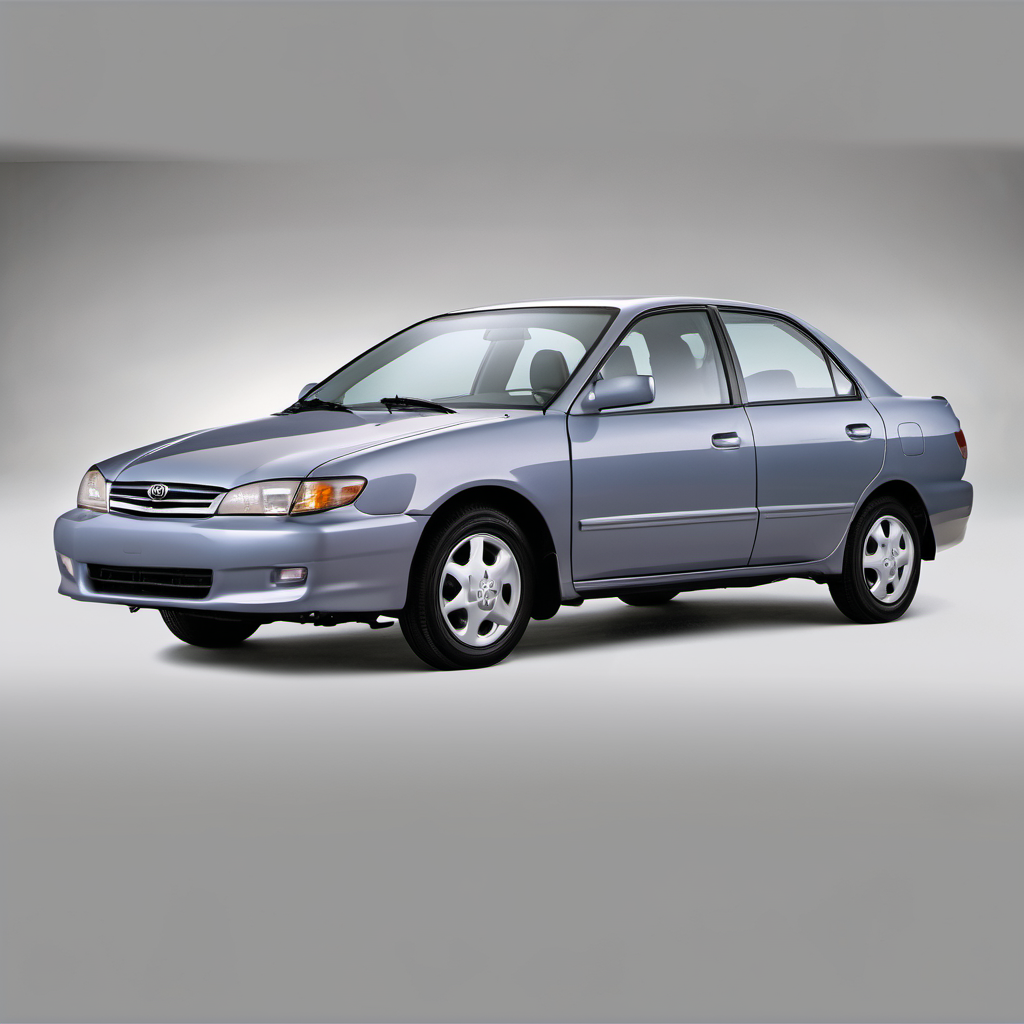
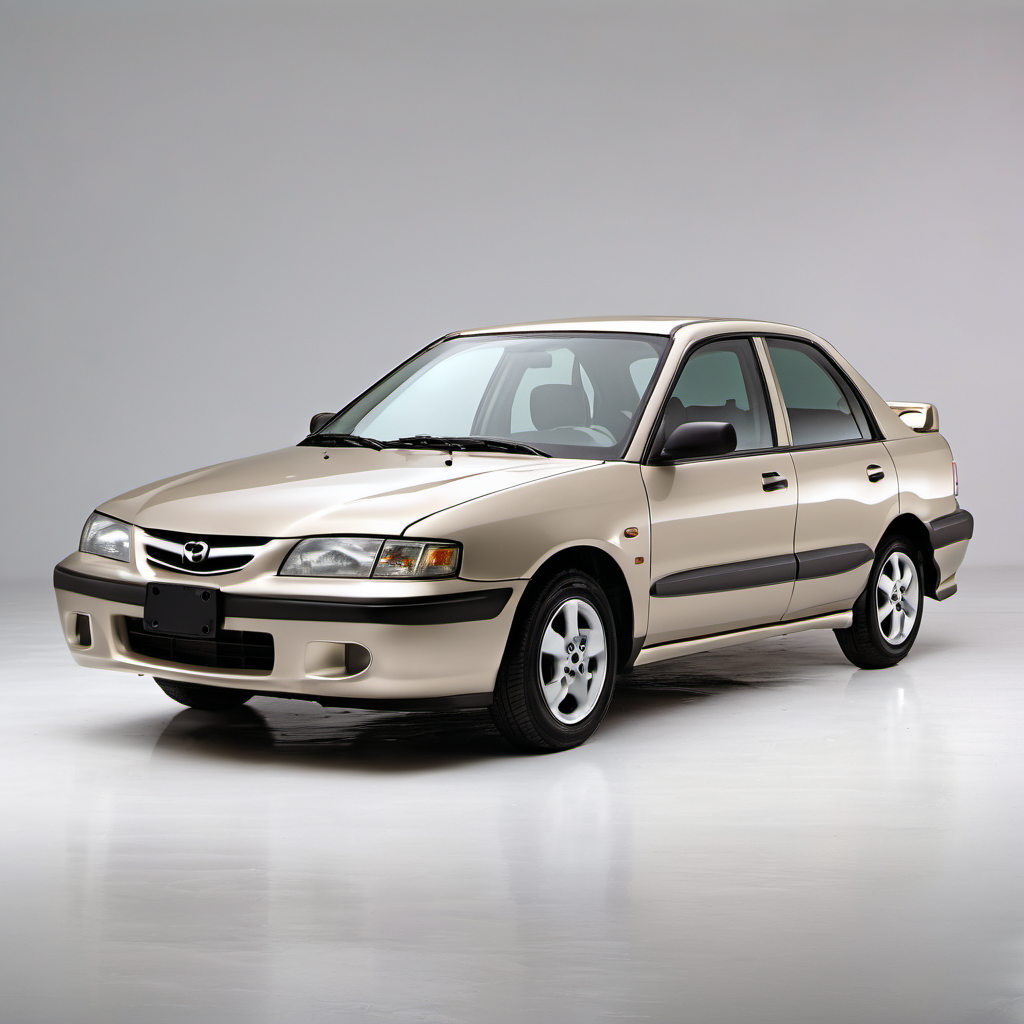
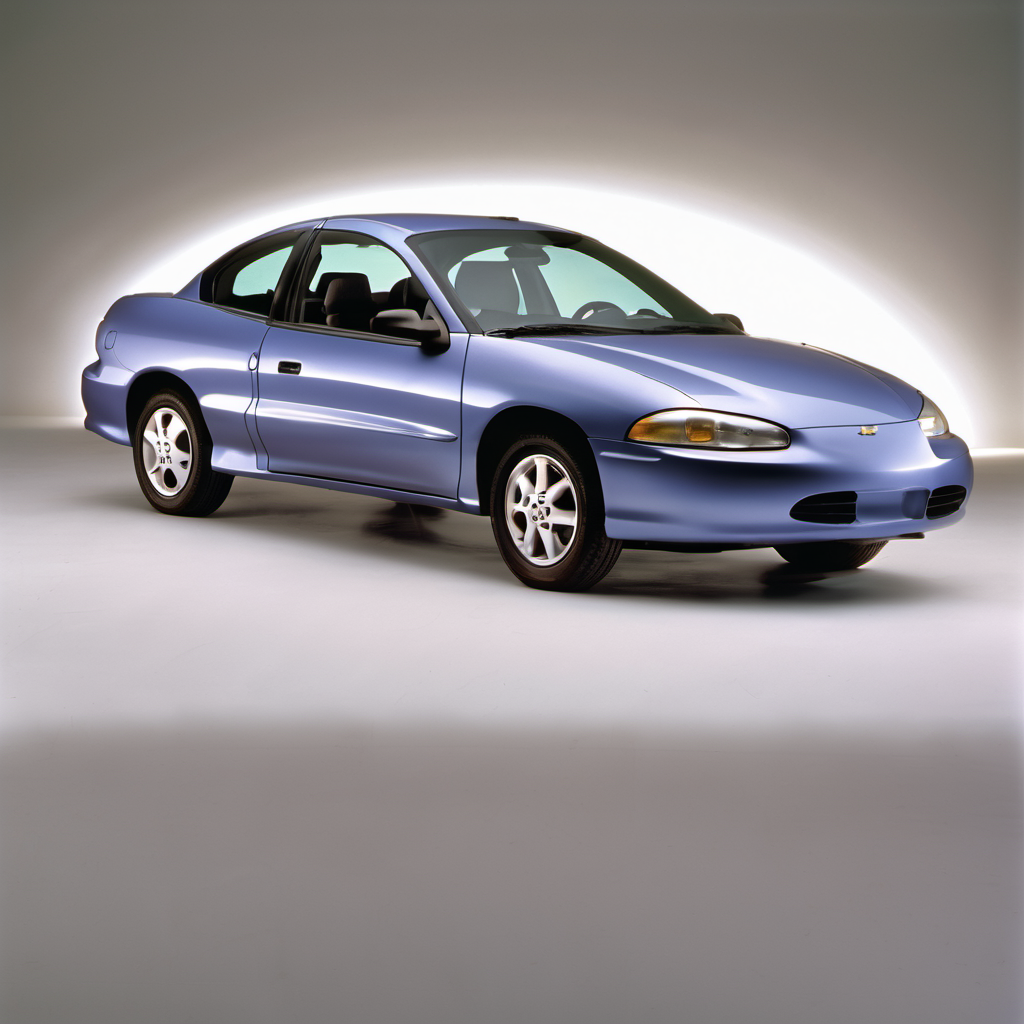
2000 Ford Focus Sedan

2000 Ford

FocusSedan

Sedan

The 2000 Ford Focus was Ford's entry into the compact sedan segment, replacing the aging Escort. Built on a global platform shared with European markets, it brought modern styling and a more car-like driving feel to the budget-car class. For its time, it offered a surprisingly composed ride and responsive steering that set it apart from the Escort it replaced. The first-generation Focus (2000–2004) was a high-volume seller, and the 2000 model year was the very first for the nameplate in the U.S. market. That means it carried some early production growing pains — electrical quirks, suspension component wear, and a throttle body that needs attention. Parts are plentiful and cheap, which helps keep it affordable to maintain. At 24 years old, any surviving 2000 Focus is a high-mileage used car that should be inspected closely. Rust is the primary killer in the upper Midwest — more so than mechanical wear. If the structure and floor are solid, this is a straightforward car to keep running.

Reliability
2/5
Verified data
Specs shown for Focus — the most common configuration. Other trims may vary in engine, drivetrain, or fuel economy. Sign in to see your vehicle's exact specs.
Engine
[object Object]
Drivetrain
FWD
Fuel
Gasoline
MPG
23 city / 30 hwy / 26 combined
Seats
Doors
Body
Compact Cars

Overview

AI-curated

The 2000 Ford Focus was Ford's entry into the compact sedan segment, replacing the aging Escort. Built on a global platform shared with European markets, it brought modern styling and a more car-like driving feel to the budget-car class. For its time, it offered a surprisingly composed ride and responsive steering that set it apart from the Escort it replaced. The first-generation Focus (2000–2004) was a high-volume seller, and the 2000 model year was the very first for the nameplate in the U.S. market. That means it carried some early production growing pains — electrical quirks, suspension component wear, and a throttle body that needs attention. Parts are plentiful and cheap, which helps keep it affordable to maintain. At 24 years old, any surviving 2000 Focus is a high-mileage used car that should be inspected closely. Rust is the primary killer in the upper Midwest — more so than mechanical wear. If the structure and floor are solid, this is a straightforward car to keep running.

Known for
  • Sporty handling for an economy car
  • Affordable parts and simple mechanical layout
  • High first-year production volume with some early build-quality inconsistencies
  • 2.0L CVH and Zetec engines that respond well to basic maintenance
Best for
  • Budget-conscious daily drivers
  • New drivers or first-car buyers (on a tight budget)
  • City and suburban commuting
  • Owners comfortable with basic DIY maintenance
Watch for
  • Significant rust on rocker panels, floor pans, and wheel arches — especially in Wisconsin
  • Early-production electrical and ignition switch issues
  • Worn front suspension components (ball joints, tie rod ends) at this age
  • Throttle body carbon buildup causing rough idle

Common issues by mileage

6 known

Ignition Switch Failure

high
Typically appears
60–150k mi
Estimated repair
$80 – $220

Front Suspension Wear (Ball Joints, Tie Rod Ends)

high
Typically appears
80–150k mi
Estimated repair
$200 – $600

Throttle Body Carbon Buildup / Rough Idle

medium
Typically appears
60–120k mi
Estimated repair
$80 – $200

Rust — Rocker Panels, Floor Pans, Wheel Arches

high
Typically appears
Any mileage — age-driven
Estimated repair
$500 – $3,000

Coolant Leaks (Thermostat Housing / Hoses)

medium
Typically appears
100–160k mi
Estimated repair
$100 – $350

Maintenance schedule

  1. 1
    Every 5,000 mi or 6 months Engine Oil & Filter Change

    The 2.0L CVH runs conventional oil well; don't stretch intervals on a high-mileage engine. Fresh oil is the cheapest engine insurance you can buy.

  2. 2
    Every 30,000 mi Spark Plugs & Wires

    Worn plugs and cracked wires cause misfires and poor fuel economy. On a 24-year-old car, if the wires haven't been replaced recently, do it now regardless of mileage.

  3. 3
    Every 2 years or 30,000 mi Coolant Flush

    Old coolant loses its corrosion inhibitors and starts attacking the aluminum thermostat housing and heater core — both expensive fixes on this car.

  4. 4
    Every 2 years Brake Fluid Flush

    Brake fluid absorbs moisture over time, lowering boiling point and promoting internal caliper and master cylinder corrosion. Critical on any car this age.

  5. 5
    Every 15,000 mi or annually Inspect & Lubricate Front Suspension Components

    Ball joints and tie rod ends are a known wear item on the first-gen Focus. Catching play early prevents a dangerous failure and saves you from an alignment bill on top of parts.

  6. 6
    Every 15,000–20,000 mi or annually Air Filter Replacement

    A clogged air filter hurts fuel economy and can contribute to throttle body carbon buildup — a known issue on this engine.

  7. 7
    Every fall, before first freeze Battery Load Test

    Wisconsin winters are hard on batteries. A battery that starts the car fine in September can fail in January. Load-test every autumn — batteries over 4 years old should be replaced proactively.

  8. 8
    Every spring after road salt season Inspect Rocker Panels, Floor, and Wheel Arches for Rust

    Rust is the primary structural threat to any 2000 Focus in the Midwest. Catching surface rust early and treating it is far cheaper than frame/floor repair or scrapping the car.

Always defer to the manufacturer's service manual for warranty-mandated intervals.

Cost of ownership

Annual maintenance
$600 – $1,800
Fuel
At 26 MPG combined and ~12,000 mi/yr, expect roughly $1,400–$1,700/yr at current Midwest gas prices. Simple to budget — no premium fuel required.
Insurance
Generally very low — expect $600–$1,100/yr for full coverage depending on driver profile, though at this age and value many owners drop to liability only.

The 2000 Focus is one of the cheaper cars to own on paper — parts are inexpensive and widely available. The real wildcard at this age is deferred maintenance and rust repair. A car with neglected suspension, fresh rust, or ignored cooling system work can easily run up $1,500–$3,000 in catch-up repairs in the first year of ownership. Budget conservatively.
Seasonal care

Lake Geneva, WI
Winter
  • Load-test the battery every October — cold cranking amps drop sharply below 20°F and the 2000 Focus has a modest electrical system with little margin.
  • Switch to a full-synthetic 5W-30 if using conventional oil — it flows faster on sub-zero starts and reduces wear during cold cranking.
  • Inspect wiper blades and refill washer fluid with a -20°F or colder rated fluid before temperatures drop. The Focus washer nozzles clog easily with slush.
  • Flush the cooling system if it hasn't been done recently — old coolant with depleted inhibitors can freeze or boil in extreme temps and corrodes the thermostat housing.
  • Spray exposed door seals and hinges with a silicone lubricant to prevent freezing shut — a common nuisance on older Focuses in wet-freeze conditions.
  • Inspect rocker panels and undercarriage for any rust breach before salt season begins; open rust accelerates dramatically when packed with road salt over winter.
Summer
  • Check tire pressure monthly — tires gain roughly 1 PSI per 10°F increase and overinflation from heat reduces contact patch and braking performance.
  • Inspect the A/C system for proper cooling; recharging a 24-year-old system may reveal leaks at aging O-rings that are worth sealing before a hot Wisconsin July.
  • Watch the temperature gauge on hot days — a partially clogged thermostat or low coolant will show up faster in summer heat. Address any overheating immediately.
  • After winter, wash the undercarriage thoroughly to remove salt residue, then re-inspect rocker panels and wheel arches for new rust formation.

Comparable vehicles

If you're shopping for one

Red flags
  • Any flex or softness in the floor when pressing down — that's advanced floor pan rust and a likely total loss.
  • Mismatched paint panels or poorly fitting doors/hood — may indicate past collision repair, which matters more on an older economy car with thin structural margins.
  • Oil cap with white or gray sludge inside — sign of head gasket seepage or chronic short-trip driving that never fully warms the engine.
  • A freshly detailed car with strong air freshener smell at this age — sometimes masking mold from a leaking windshield seal or heater core.
What to inspect
  • Rocker panels, floor pans, and all four wheel arches — poke with a screwdriver, not just a visual check. Rust here can make the car structurally unsafe and not worth repairing.
  • Front suspension: grab each front wheel and check for play in ball joints and tie rod ends. These wear out on the first-gen Focus and are a safety item.
  • Ignition switch: does the car start cleanly every time? Hesitation or intermittent no-start is a red flag for the known switch failure on 2000–2001 models.
  • Coolant condition and thermostat housing: look for milky oil, residue around hose fittings, or staining on the housing — signs of past or current leak.
  • Check for any stored DTCs with an OBD-II scan before purchase. Cleared codes that come back quickly tell you a lot about deferred problems.
AI profile generated 13 days ago · claude-sonnet-4-6 · v2.