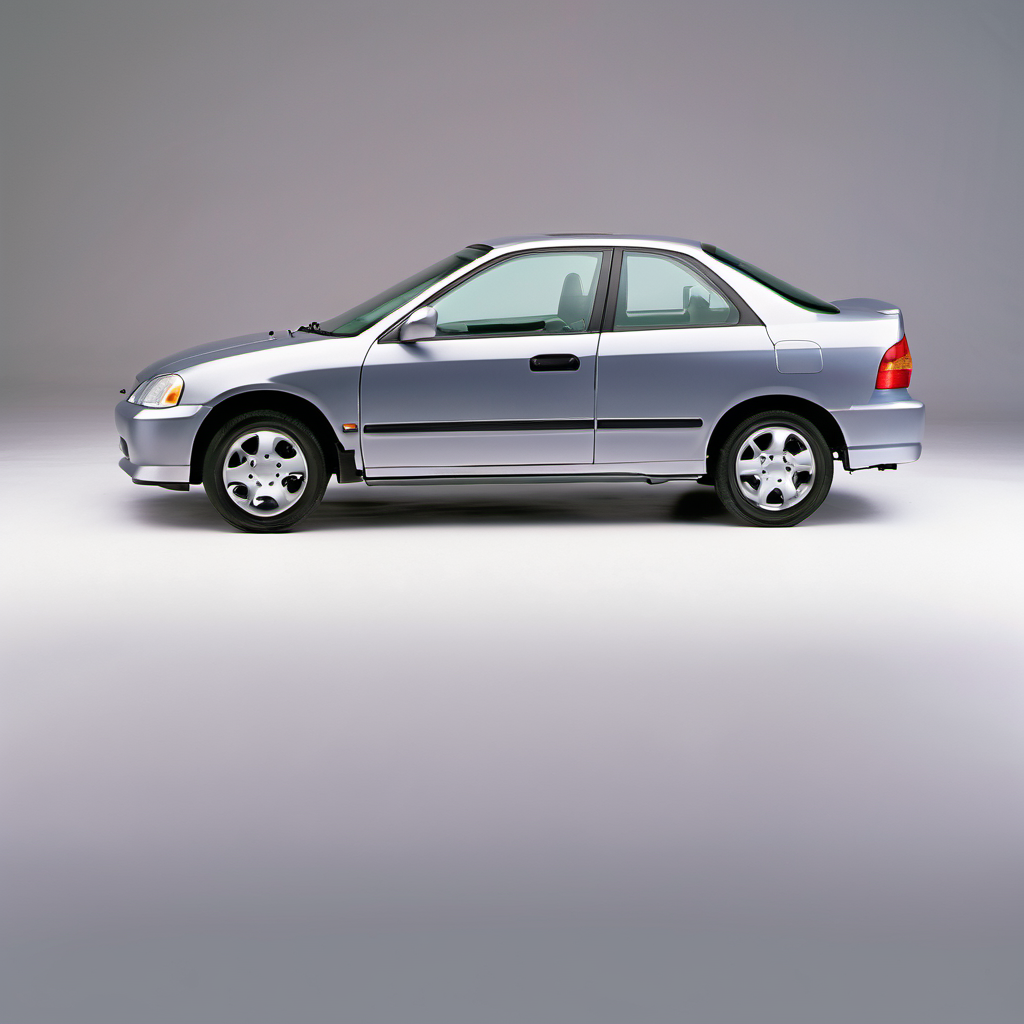
2000 Toyota Echo Sedan

2000 Toyota

EchoSedan

Sedan

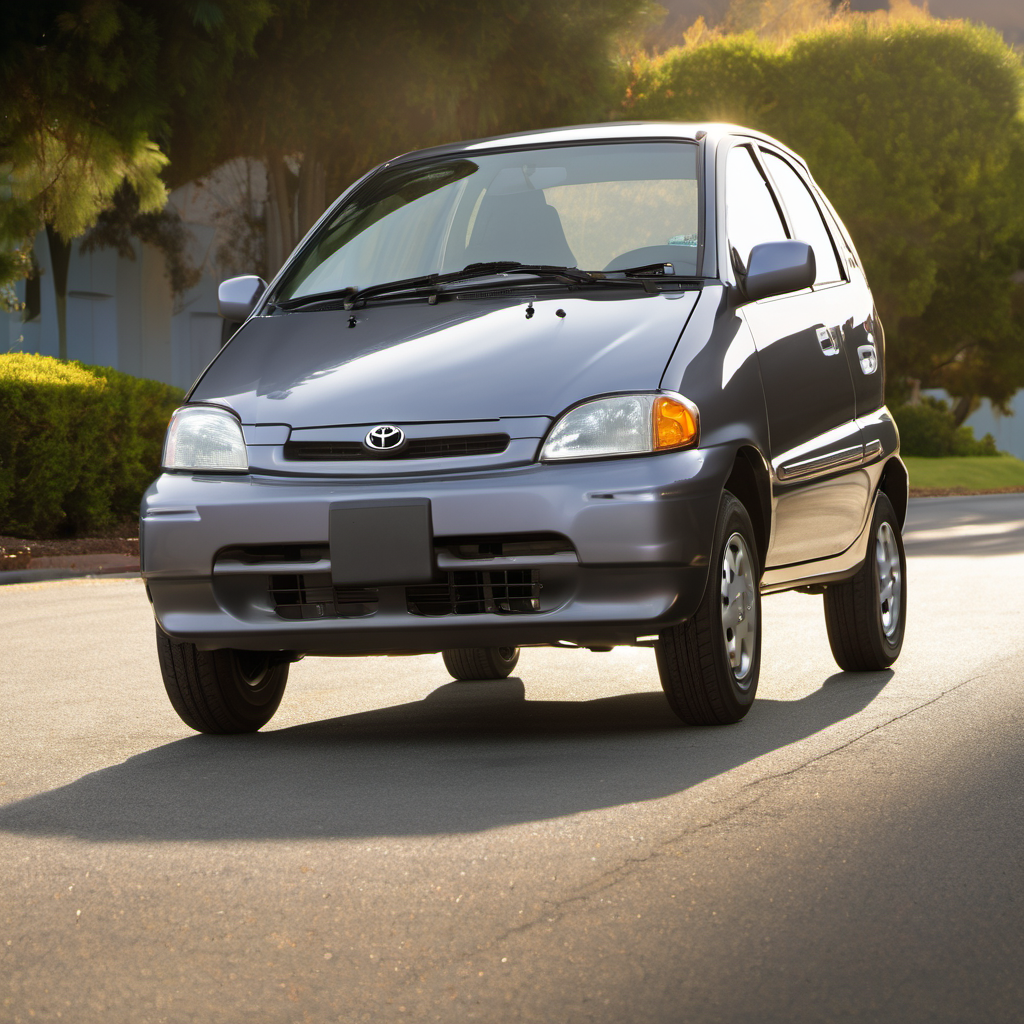
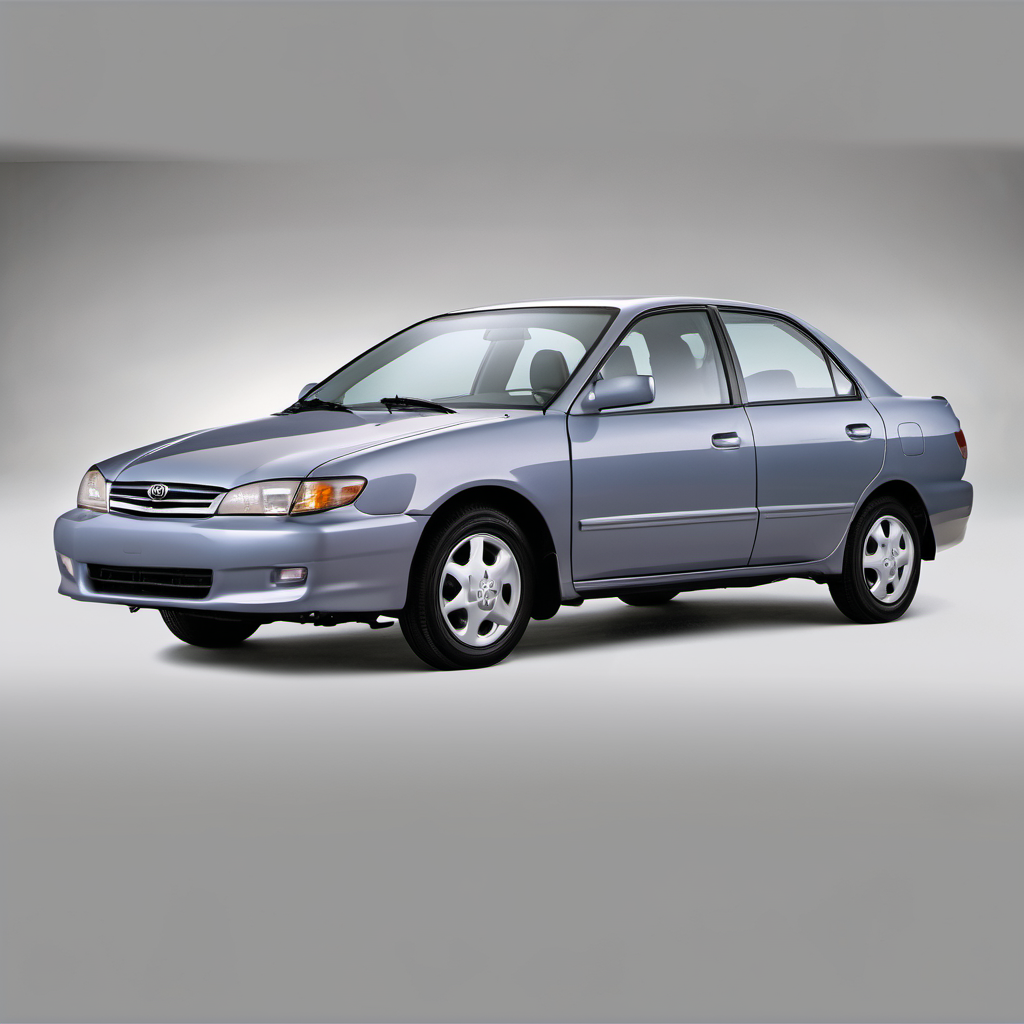
The 2000 Toyota Echo is a subcompact sedan that launched Toyota's budget-friendly nameplate in North America, slotting below the Corolla. Built on a clean-sheet platform, it paired a willing 1.5L four-cylinder with an unusually upright, airy cabin — a quirky but practical package. Fuel economy was class-leading at launch, often exceeding EPA estimates in real-world driving. The Echo earned a reputation for near-bulletproof reliability when maintained. Its simple mechanicals — no variable valve timing, no turbo, minimal electronics — mean fewer things to break and straightforward repairs. Many examples have cleared 200,000 miles on original engines with nothing more than oil changes and timing chain attention. For buyers in the upper Midwest, the Echo's light curb weight is a double-edged sword: great for fuel economy, but it can feel squirrelly on icy roads and the thin body panels rust aggressively in Wisconsin salt. A used Echo needs a thorough undercarriage inspection before purchase.

Reliability
4/5
Verified data
Specs shown for Echo — the most common configuration. Other trims may vary in engine, drivetrain, or fuel economy. Sign in to see your vehicle's exact specs.
Engine
[object Object]
Drivetrain
FWD
Fuel
Gasoline
MPG
26 city / 34 hwy / 30 combined
Seats
Doors
Body
Compact Cars

Overview

AI-curated

The 2000 Toyota Echo is a subcompact sedan that launched Toyota's budget-friendly nameplate in North America, slotting below the Corolla. Built on a clean-sheet platform, it paired a willing 1.5L four-cylinder with an unusually upright, airy cabin — a quirky but practical package. Fuel economy was class-leading at launch, often exceeding EPA estimates in real-world driving. The Echo earned a reputation for near-bulletproof reliability when maintained. Its simple mechanicals — no variable valve timing, no turbo, minimal electronics — mean fewer things to break and straightforward repairs. Many examples have cleared 200,000 miles on original engines with nothing more than oil changes and timing chain attention. For buyers in the upper Midwest, the Echo's light curb weight is a double-edged sword: great for fuel economy, but it can feel squirrelly on icy roads and the thin body panels rust aggressively in Wisconsin salt. A used Echo needs a thorough undercarriage inspection before purchase.

Known for
  • Exceptional fuel economy for its era
  • Simple, durable 1NZ-FE engine with strong longevity
  • Quirky center-mount instrument cluster
  • Very light curb weight — under 2,100 lbs
Best for
  • Commuters prioritizing low operating costs
  • City drivers who want easy parking
  • Budget-conscious buyers who do their own maintenance
  • Buyers seeking a low-cost second vehicle
Watch for
  • Severe underbody and rocker panel rust on upper-Midwest examples
  • Aging rubber seals causing water leaks into the cabin
  • Thin exterior paint and panel rust around wheel arches
  • Battery drain issues on neglected examples with aging electrical

Common issues by mileage

6 known

Underbody and rocker panel rust

high
Typically appears
80k+ mi / 15+ years old
Estimated repair
$500 – $3,000

Oxygen sensor failure (Bank 1, Sensor 1 or Sensor 2)

medium
Typically appears
100k–150k mi
Estimated repair
$150 – $350

Worn engine mounts causing vibration

medium
Typically appears
100k–180k mi
Estimated repair
$200 – $500

Aging coolant hoses and thermostat failure

medium
Typically appears
100k–150k mi
Estimated repair
$100 – $300

Door and trunk weather seal deterioration causing water leaks

high
Typically appears
80k+ mi / age-related
Estimated repair
$80 – $400

Weak original battery / charging system fatigue

high
Typically appears
Any mileage on older examples
Estimated repair
$120 – $250

Maintenance schedule

  1. 1
    Every 5,000 miles or 6 months Engine oil and filter change

    The 1NZ-FE runs clean on conventional oil but sludges quickly if intervals are stretched — especially important on a high-mileage used example. Use the viscosity on the oil cap.

  2. 2
    Every 30,000 miles or every 2 years Coolant flush

    Original Toyota Long Life coolant degrades on these older units. Old coolant accelerates water pump and thermostat wear and raises freeze-point risk in Wisconsin winters.

  3. 3
    Every 60,000 miles Spark plug replacement

    The 1NZ-FE uses standard iridium-tip plugs. Worn plugs hurt the already-modest power and fuel economy noticeably on this small engine.

  4. 4
    Every 30,000 miles or annually Air filter inspection and replacement

    A clogged filter on a 108-hp engine causes a real, noticeable power drop. Quick and inexpensive to replace.

  5. 5
    Every 2 years regardless of mileage Brake fluid flush

    Brake fluid absorbs moisture over time, lowering its boiling point. Critical for safe cold-weather braking in Wisconsin.

  6. 6
    Every spring and fall Underbody wash and inspection

    Road salt is the Echo's biggest long-term enemy. Flushing wheel wells and the undercarriage each spring removes winter salt buildup. Fall inspection lets you catch rust before winter traps moisture against bare metal.

  7. 7
    Every 20,000 miles or annually Cabin air filter replacement

    Improves defrost airflow — essential for Wisconsin winters. A clogged filter significantly reduces defroster effectiveness.

  8. 8
    Every 100,000 miles or at purchase on high-mileage examples Timing chain and tensioner inspection

    The Echo uses a timing chain (not a belt), so it doesn't need scheduled replacement — but on neglected high-mileage cars, the tensioner can wear and allow chain rattle. Catching this early prevents catastrophic engine damage.

Always defer to the manufacturer's service manual for warranty-mandated intervals.

Cost of ownership

Annual maintenance
$300 – $700
Fuel
At 30 MPG combined and ~15,000 miles/year, expect roughly $1,500–$1,800/year at $3.00–$3.60/gallon. One of the cheapest gas cars to fuel in its class.
Insurance
Typically very low — expect $600–$1,000/year for full coverage depending on driver profile. Replacement parts cost and low vehicle value keep premiums down.

The Echo is one of the cheapest vehicles to own on a per-mile basis. Fuel costs are minimal, insurance is low, and repairs are simple. The main financial risk on an older example is rust repair — which can quickly exceed the car's market value. Budget for preventive undercoating and annual inspections to stay ahead of it.
Seasonal care

Lake Geneva, WI
Winter
  • Switch to a full-synthetic 0W-20 or 5W-30 oil before temperatures drop below 0°F — the Echo's small engine needs fast oil pressure at cold starts.
  • Test and replace the battery if it's over 3 years old. Cold cranking a small engine on a weak battery is the #1 no-start cause in Wisconsin winters.
  • Install dedicated winter tires. The Echo's light weight (2,090 lbs) gives it very little traction on snow and ice without proper rubber.
  • Use -40°F rated washer fluid — Lake Geneva winters regularly hit the teens and below, and summer fluid will freeze solid on the windshield.
  • Inspect door and trunk seals — cracked seals allow water infiltration that then freezes the door shut and accelerates interior rust.
  • Flush the undercarriage monthly during salting season to limit rocker and subframe corrosion on these already rust-prone cars.
Summer
  • Check tire pressure monthly — small tires on a light car are sensitive to pressure swings with temperature. Under-inflation kills fuel economy noticeably.
  • Inspect the A/C system refrigerant level and cabin filter before summer heat sets in. The Echo's small cabin heats up fast.
  • Check coolant level and condition — a marginal cooling system that survived winter can overheat under summer load, especially in stop-and-go traffic.
  • Inspect rubber hoses and belts for heat cracking, which accelerates on vehicles of this age.

Comparable vehicles

If you're shopping for one

Red flags
  • Rust perforation on rockers, floor pan, or subframe — structural rust makes the car unsafe and uneconomical to repair at this price point.
  • Oil sludge visible under the oil cap or on the dipstick — may indicate impending engine damage.
  • Any sign of coolant in the oil (milky residue on dipstick) — head gasket failure is expensive relative to the car's value.
  • Timing chain rattle that persists after the engine warms up — chain or tensioner replacement is imminent.
  • Asking price above $3,000–$4,000 for a high-mileage example — used Echo values are low; overpaying limits your repair budget headroom.
What to inspect
  • Full undercarriage inspection — especially rocker panels, floor pans, subframe mounting points, and rear wheel arches. Rust here is often a deal-breaker on Wisconsin cars.
  • Check for oil sludge by pulling the oil cap and looking for thick, dark buildup — indicates missed oil changes, the main engine killer on 1NZ-FE motors.
  • Inspect all door and trunk seals for cracking or gaps, then check the carpet and trunk floor for moisture or musty smell.
  • Listen for timing chain rattle on cold start — a rattling chain on first startup signals a worn tensioner that needs prompt attention.
  • Test the A/C, all windows, and the heater blower — electrical gremlins are common on 25-year-old econoboxes and parts can be hard to source.
AI profile generated 11 days ago · claude-sonnet-4-6 · v2.