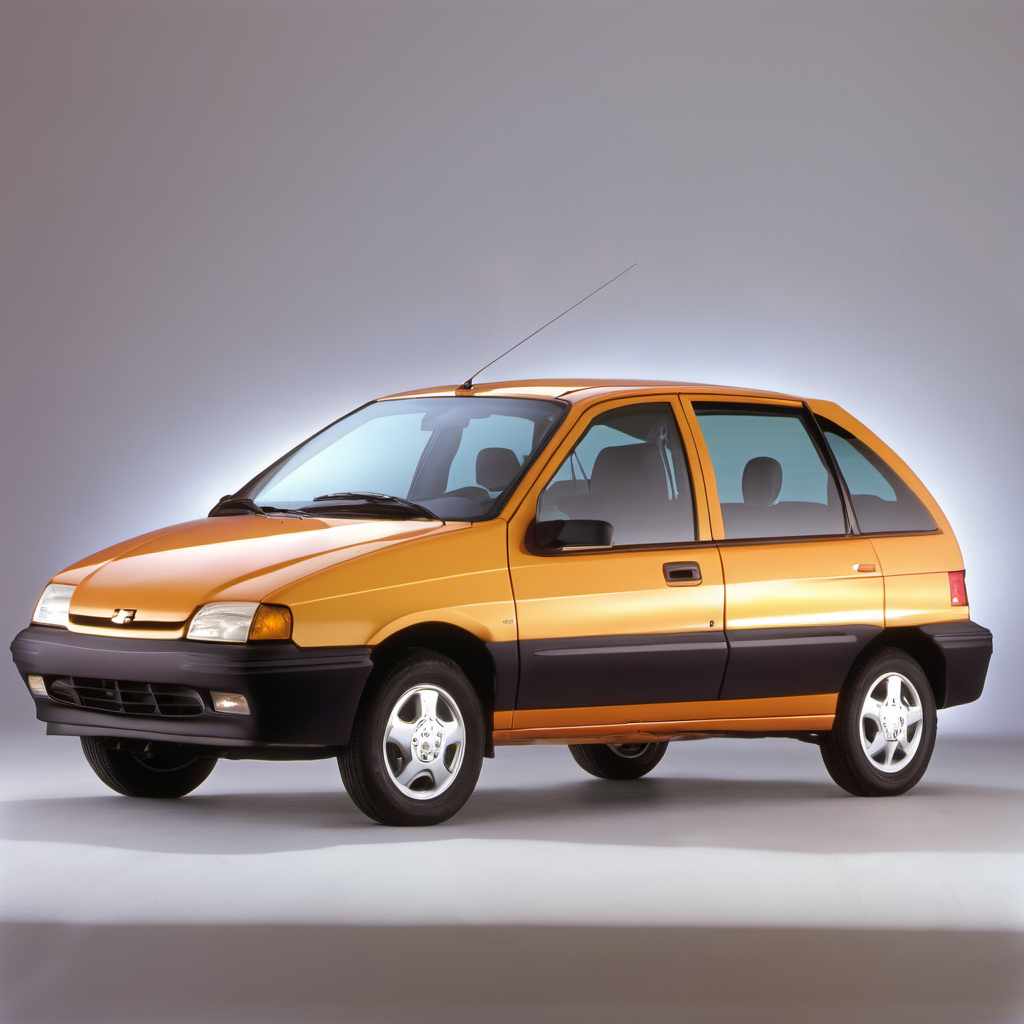
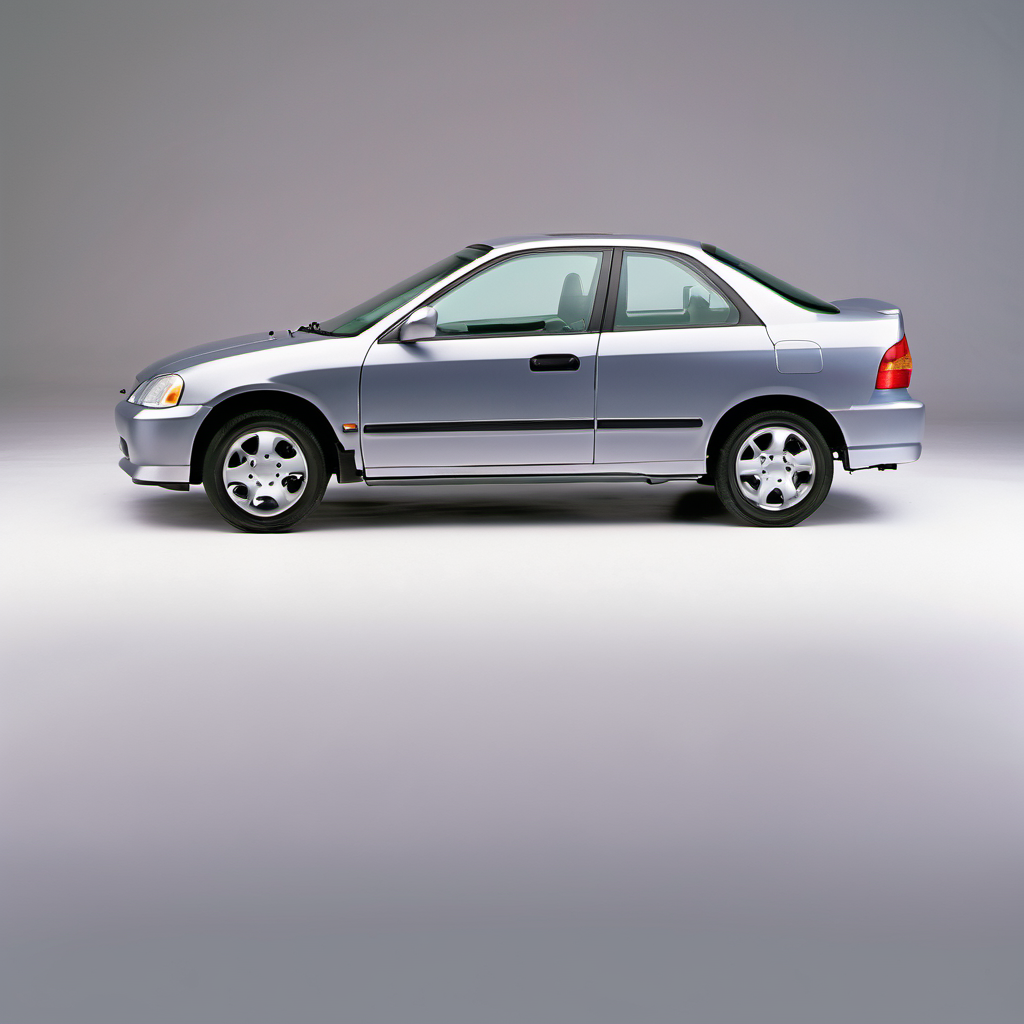
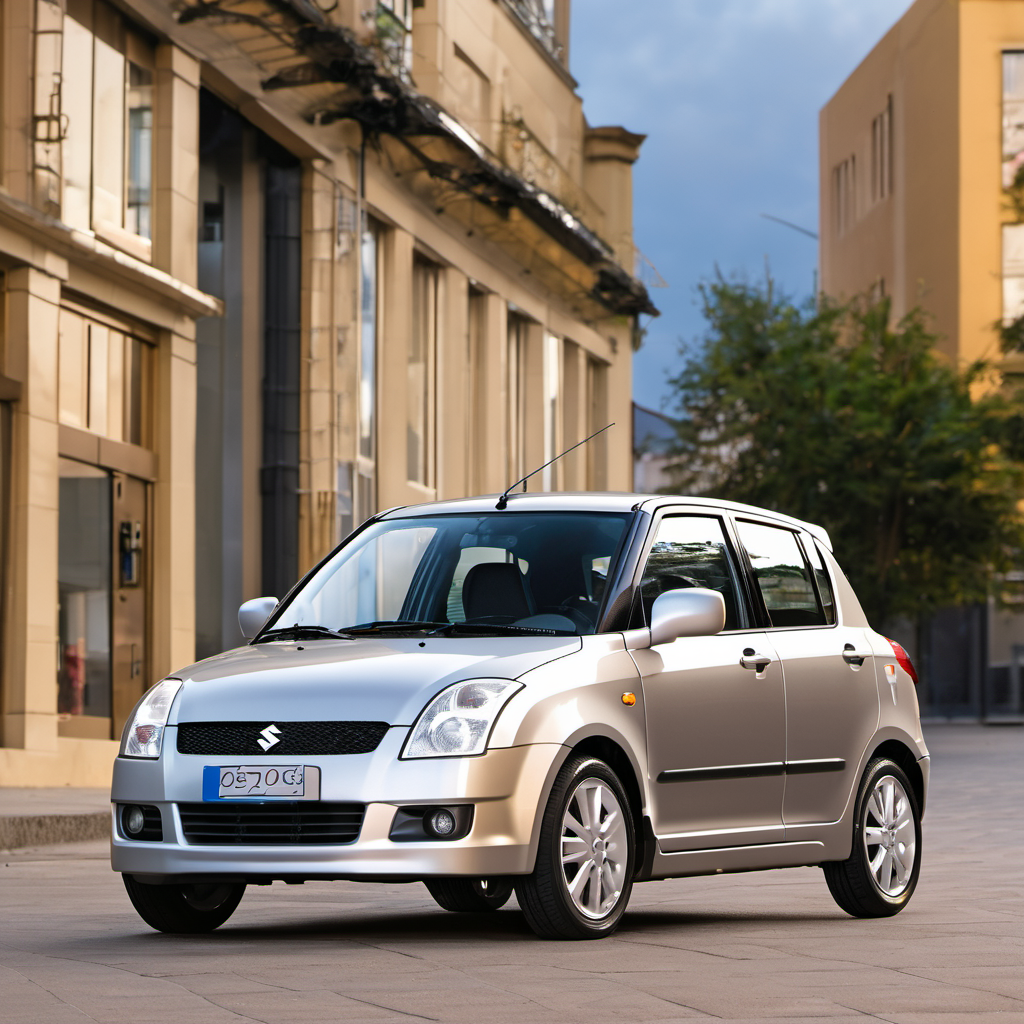
2000 Chevrolet Metro Hatchback

2000 Chevrolet

MetroHatchback

Hatchback

The 2000 Chevrolet Metro Hatchback is a rebadged Suzuki Swift built under a long-running GM-Suzuki partnership. It was one of the lightest and most fuel-efficient gasoline cars sold in America at the time, tipping the scales at around 1,900 lbs and returning fuel economy numbers that rivals couldn't touch. Buyers got basic, honest transportation — no frills, no complexity, and a repair bill that rarely broke the bank. The Metro's 1.0L three-cylinder engine is Suzuki-derived and genuinely durable when maintained. The platform is simple enough that many owners handled their own oil changes and brake jobs in a driveway. That simplicity is its biggest selling point: fewer sensors, fewer electronics, and fewer things to go wrong. 2000 was the final model year for the Metro. Parts availability has thinned out over the years, so buying one today means planning ahead for sourcing. That said, a well-kept example can still be a highly economical daily driver for low-mileage, in-town use.

Reliability
3/5
Verified data
Specs shown for Metro — the most common configuration. Other trims may vary in engine, drivetrain, or fuel economy. Sign in to see your vehicle's exact specs.
Engine
[object Object]
Drivetrain
FWD
Fuel
Gasoline
MPG
32 city / 41 hwy / 36 combined
Seats
Doors
Body
Subcompact Cars

Overview

AI-curated

The 2000 Chevrolet Metro Hatchback is a rebadged Suzuki Swift built under a long-running GM-Suzuki partnership. It was one of the lightest and most fuel-efficient gasoline cars sold in America at the time, tipping the scales at around 1,900 lbs and returning fuel economy numbers that rivals couldn't touch. Buyers got basic, honest transportation — no frills, no complexity, and a repair bill that rarely broke the bank. The Metro's 1.0L three-cylinder engine is Suzuki-derived and genuinely durable when maintained. The platform is simple enough that many owners handled their own oil changes and brake jobs in a driveway. That simplicity is its biggest selling point: fewer sensors, fewer electronics, and fewer things to go wrong. 2000 was the final model year for the Metro. Parts availability has thinned out over the years, so buying one today means planning ahead for sourcing. That said, a well-kept example can still be a highly economical daily driver for low-mileage, in-town use.

Known for
  • Exceptional fuel economy for a gasoline vehicle
  • Ultra-lightweight, simple platform with low repair costs
  • Suzuki-sourced 1.0L three-cylinder engine known for longevity
  • One of the most affordable used cars to maintain
Best for
  • Budget-conscious in-town commuters
  • Drivers who want maximum MPG without going electric
  • DIY owners comfortable with simple, accessible mechanicals
  • Second car or errand runner
Watch for
  • Rust — especially rocker panels, floor pans, and rear wheel arches on Wisconsin examples
  • Parts scarcity: 2000 is the last model year and OEM supply is dwindling
  • Minimal crash protection — thin body structure offers little in a serious collision
  • Cold-weather struggles: tiny engine and small battery can be hard to start below 0°F

Common issues by mileage

6 known

Rust — rocker panels, floor pans, and wheel arches

high
Typically appears
Any age/mileage in rust-belt climates
Estimated repair
$400 – $2,500

Oxygen sensor failure (upstream heater circuit)

medium
Typically appears
80–150k mi
Estimated repair
$120 – $280

Worn CV axle joints and boots

high
Typically appears
80–150k mi
Estimated repair
$150 – $380

Exhaust system deterioration (manifold, flex pipe, muffler)

high
Typically appears
60–120k mi
Estimated repair
$180 – $550

Clutch wear (manual transmission)

medium
Typically appears
80–130k mi
Estimated repair
$350 – $650

Cooling system — thermostat and hose degradation

medium
Typically appears
100k+ mi
Estimated repair
$80 – $250

Maintenance schedule

  1. 1
    Every 3,000–5,000 miles or annually Engine oil and filter change

    The 1.0L three-cylinder has tight tolerances; clean oil is the single most important factor in engine longevity. Use the manufacturer-specified viscosity — typically 5W-30.

  2. 2
    Every 30,000 miles Inspect and replace spark plugs

    Three-cylinder engines run rough when even one plug is misfiring. Fresh plugs also help cold starts in Wisconsin winters.

  3. 3
    Every 2 years or 30,000 miles Coolant flush

    The small cooling system doesn't carry much capacity; degraded coolant raises corrosion risk inside the engine and heater core.

  4. 4
    Every 2 years Brake fluid flush

    Moisture-absorbed brake fluid lowers boiling point and accelerates internal caliper and wheel cylinder corrosion — a real concern in salt-heavy Wisconsin winters.

  5. 5
    Every 15,000 miles or at each oil change Inspect CV axle boots

    Cracked boots let grease escape and grit in, destroying the joint quickly. Catching a torn boot early saves a full axle replacement.

  6. 6
    Every spring after winter Inspect underbody and rocker panels for rust

    Road salt accelerates rust dramatically on this light-gauge body. Catching surface rust early — and treating it — can prevent structural compromise.

  7. 7
    Every fall before winter Replace wiper blades and top off washer fluid

    Use a rated winter blade and -20°F or colder washer fluid. The Metro's small windshield area makes visibility critical; frozen washer lines are a real safety issue at Wisconsin temps.

  8. 8
    Every fall Battery test and terminal cleaning

    The Metro draws heavily on a small battery to start a cold engine. A weak battery that starts fine in October will likely leave you stranded in January.

Always defer to the manufacturer's service manual for warranty-mandated intervals.

Cost of ownership

Annual maintenance
$300 – $700
Fuel
At 36 MPG combined and ~12,000 miles/year, expect roughly $1,100–$1,400/year at current Midwest gas prices. One of the cheapest gasoline cars to fuel.
Insurance
Typically very low — expect $600–$900/year for full coverage given the vehicle's low replacement value. Liability-only will be lower still.

The Metro is about as cheap as it gets to own. Parts are inexpensive when available, labor time is minimal on most jobs, and fuel costs are class-leading. The wild card is rust repair — one bad floor pan job can cost more than the car is worth. Keep up with undercoating and catch corrosion early.
Seasonal care

Lake Geneva, WI
Winter
  • Test the battery every fall — the small 1.0L depends on a healthy battery for cold starts; replace anything testing below 400 CCA
  • Switch to a -20°F or colder rated windshield washer fluid before first freeze; the Metro's small reservoir empties fast on salty roads
  • Install winter wiper blades to prevent streaking and ice buildup on the windshield
  • Inspect the undercarriage each spring for new rust caused by road salt — treat bare metal immediately
  • Keep the gas tank at least half full in winter to reduce fuel line moisture and add weight over the drive wheels
  • Use the correct low-viscosity oil (5W-30) so the engine turns over easily on sub-zero mornings
Summer
  • Check tire pressure monthly — the Metro's small tires lose pressure faster with heat swings and low sidewall mass
  • Inspect the cooling system hoses and thermostat before hot weather; the small coolant capacity means overheating happens quickly if something fails
  • Verify the A/C system (if equipped) is charged and the cabin filter (if present) is clean — the Metro's minimal HVAC struggles in high heat
  • Check brake condition after winter — salt and grit accelerate rotor and pad wear significantly

Comparable vehicles

If you're shopping for one

Red flags
  • Any floor pan rust through — structural repair costs will exceed the vehicle's market value
  • Engine oil with a milky or foamy appearance — likely head gasket failure on an overheated engine
  • Exhaust smoke (blue = burning oil, white = coolant) on a 25-year-old engine with unknown history
  • Missing or unavailable service records on a vehicle this old — no records means no way to verify timing belt and cooling system history
  • Cracked or sagging headliner and heavily worn interior — signals a hard-used, high-mileage life regardless of what the odometer reads
What to inspect
  • Crawl under the car and probe the rocker panels, floor pan, and rear wheel arches with a screwdriver — soft or flaking metal is a deal-breaker
  • Check the engine oil cap underside and dipstick for creamy residue indicating head gasket seepage (the 1.0L can crack head gaskets from overheating)
  • Test drive on the highway — three-cylinder vibration is normal, but any misfires, hesitation, or rough idle suggest ignition or fuel delivery issues
  • Inspect CV axle boots for cracks or grease fling marks on the inner wheel wells
  • Verify the clutch engages cleanly and doesn't slip under acceleration — replacement on a worn example is expected at this age
  • Check that heat and defrost work fully — critical for Wisconsin winter safety
AI profile generated 12 days ago · claude-sonnet-4-6 · v2.