Timing Belt Failure
high- Typically appears
- 60–150k mi (any age if never replaced)
- Estimated repair
- $250 – $450
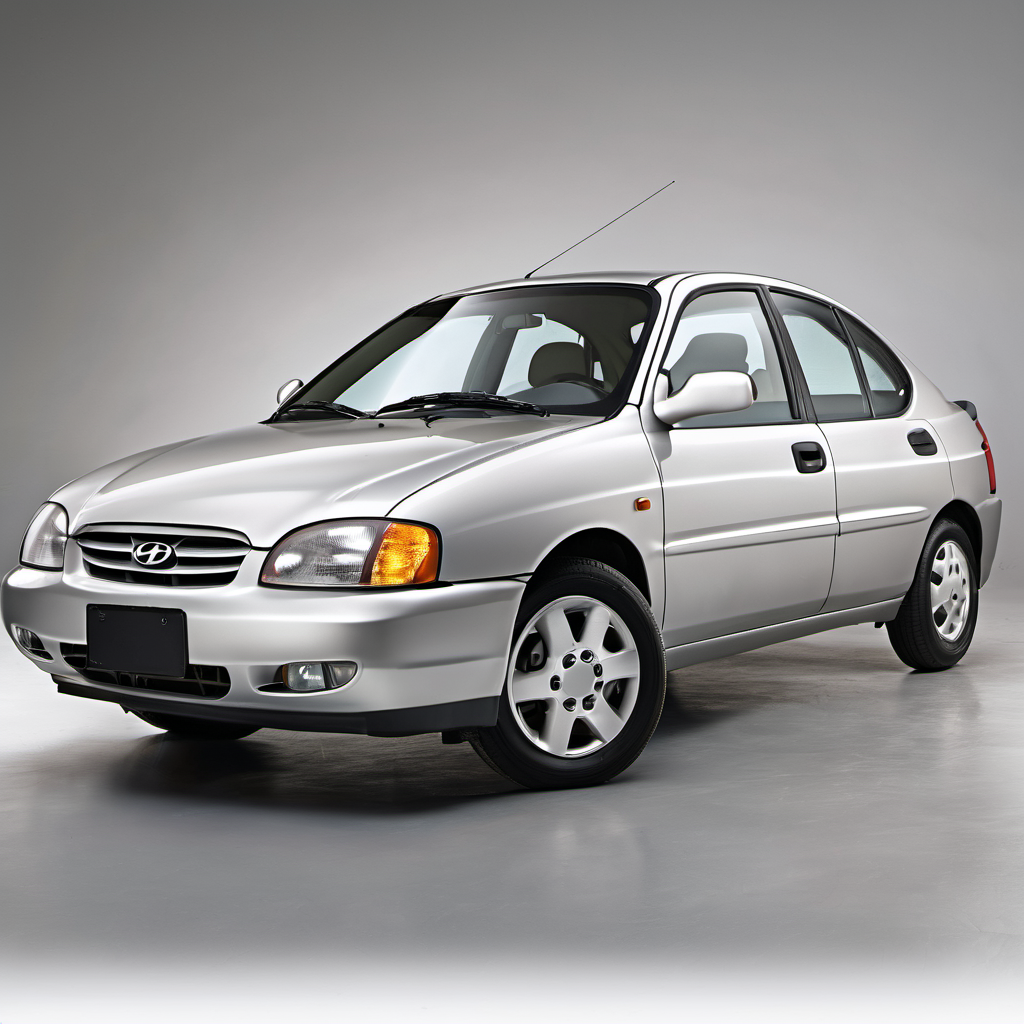
2000 Hyundai
1.5L I4 SOHC · Hatchback
The 2000 Hyundai Accent is a first-generation (J2 platform) subcompact hatchback built when Hyundai was still working hard to shed its budget reputation. It's a bare-bones, lightweight economy car powered by a 1.5L four-cylinder, designed to deliver maximum affordability and fuel efficiency with minimal complexity. Parts are cheap and widely available, and the simple mechanicals mean most repairs don't require a specialist. At 24 years old, any surviving Accent is well into high-mileage territory. Rust is the dominant concern for a Wisconsin car — the first-gen Accent's body and subframe are not known for corrosion resistance. What these cars have going for them is simplicity: no variable valve timing, no turbos, no dual-clutch headaches. If the body and undercarriage are solid, they can run a long time on basic maintenance. This is not a vehicle to buy for comfort, safety ratings, or performance. It's a city commuter and budget runabout. If it's already in the family, keep up with oil changes and coolant, watch the timing belt religiously, and stay ahead of rust before it wins.
The 2000 Hyundai Accent is a first-generation (J2 platform) subcompact hatchback built when Hyundai was still working hard to shed its budget reputation. It's a bare-bones, lightweight economy car powered by a 1.5L four-cylinder, designed to deliver maximum affordability and fuel efficiency with minimal complexity. Parts are cheap and widely available, and the simple mechanicals mean most repairs don't require a specialist. At 24 years old, any surviving Accent is well into high-mileage territory. Rust is the dominant concern for a Wisconsin car — the first-gen Accent's body and subframe are not known for corrosion resistance. What these cars have going for them is simplicity: no variable valve timing, no turbos, no dual-clutch headaches. If the body and undercarriage are solid, they can run a long time on basic maintenance. This is not a vehicle to buy for comfort, safety ratings, or performance. It's a city commuter and budget runabout. If it's already in the family, keep up with oil changes and coolant, watch the timing belt religiously, and stay ahead of rust before it wins.
This is an interference engine — a snapped belt destroys the valves and pistons. On a 2000 model this is not optional maintenance. Replace the water pump and tensioner at the same time since labor is already open.
The 1.5L runs clean oil hard. Older engines with accumulated wear benefit from more frequent changes. Use the manufacturer-specified viscosity; 5W-30 is typical for year-round Wisconsin use.
Degraded coolant causes internal corrosion in the aluminum head. On a car this age, the system should be inspected immediately if coolant history is unknown.
Torn boots pack the joint with dirt and lose grease quickly. Catching a torn boot early (before joint damage) saves $200+ on axle replacement.
Brake fluid absorbs moisture over time, lowering the boiling point. Critical for Wisconsin winter driving where reliable braking is non-negotiable.
Check rockers, floor pans, rear wheel arches, and subframe mounting points. Catching surface rust early and treating it costs far less than structural repair.
Worn plugs cause misfires and rough idle. On a simple carbureted-era SOHC engine, plugs are inexpensive and easy to access.
Cold cranking amps drop sharply in sub-zero temps. A battery that starts the car fine in October may fail in January. Have it load-tested, not just voltage-checked.
Always defer to the manufacturer's service manual for warranty-mandated intervals.
The Accent is one of the cheapest vehicles to operate when it's healthy. Parts are inexpensive and widely stocked. The wildcard on a 24-year-old car is deferred maintenance catch-up — if timing belt, coolant system, and brakes haven't been touched recently, first-year costs can spike to $1,500–$2,500. A pre-purchase inspection by an independent shop is money well spent.
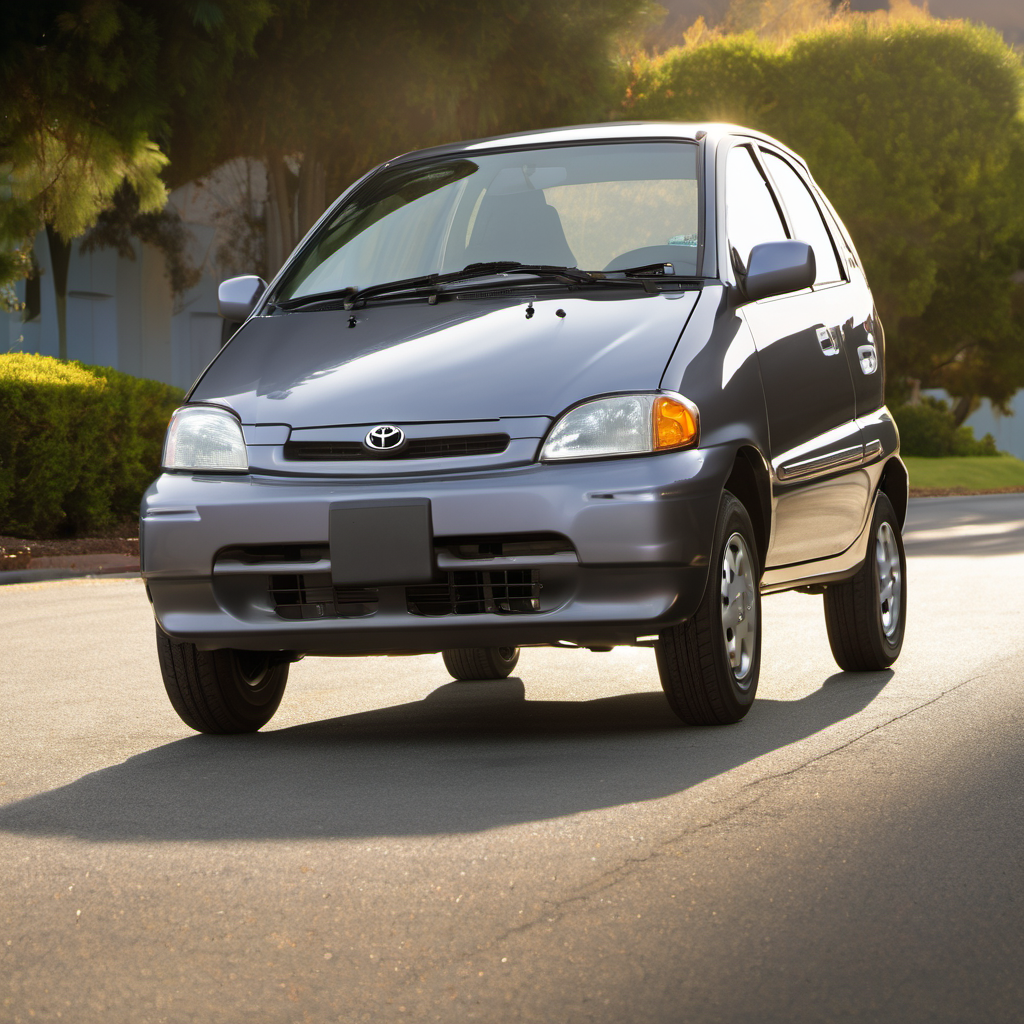
Same era subcompact with similar fuel economy; the Echo's 1NZ engine has a stronger long-term reliability reputation but parts cost slightly more.
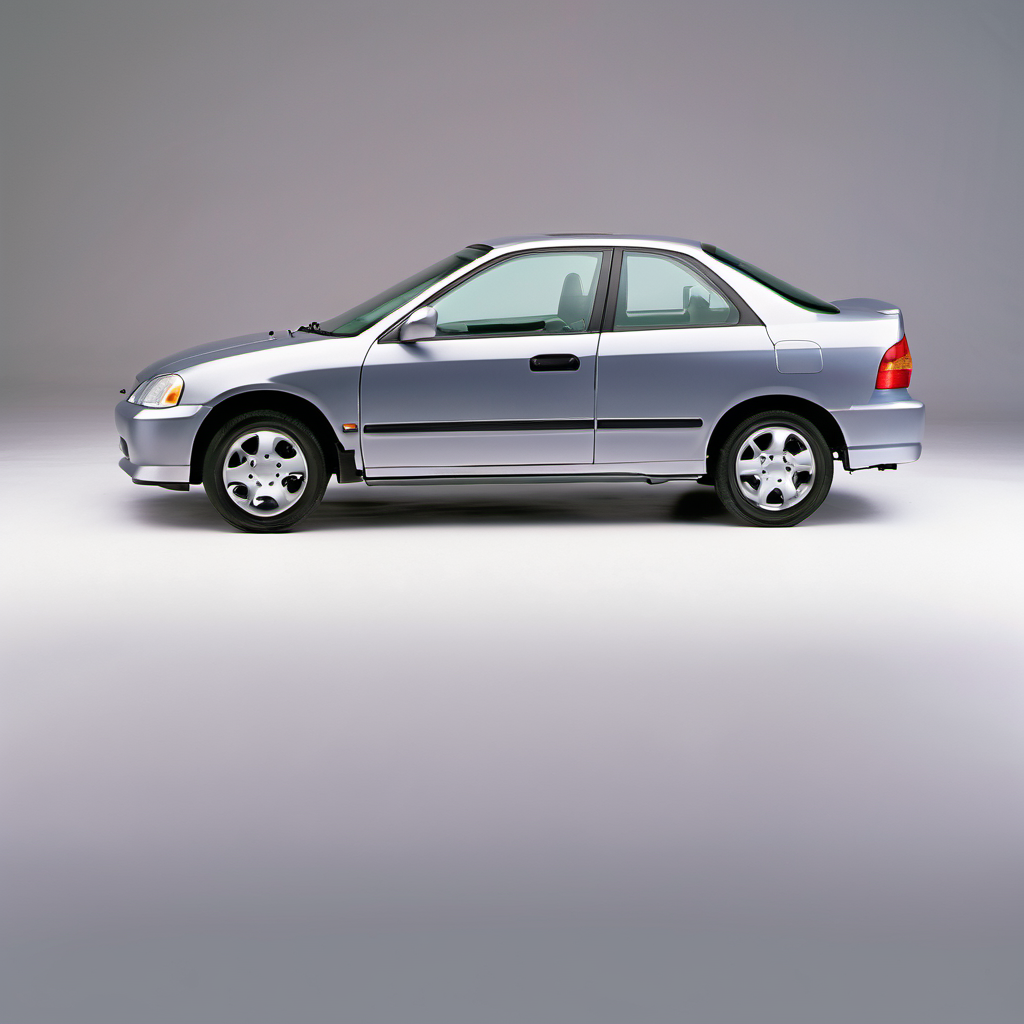
Direct segment competitor; the Civic costs more to buy used but has a better rust and long-term durability track record in the upper Midwest.
Shares the same corporate DNA as the Accent (Hyundai-Kia group); similarly priced and similarly rust-prone — same ownership considerations apply.
No catalog match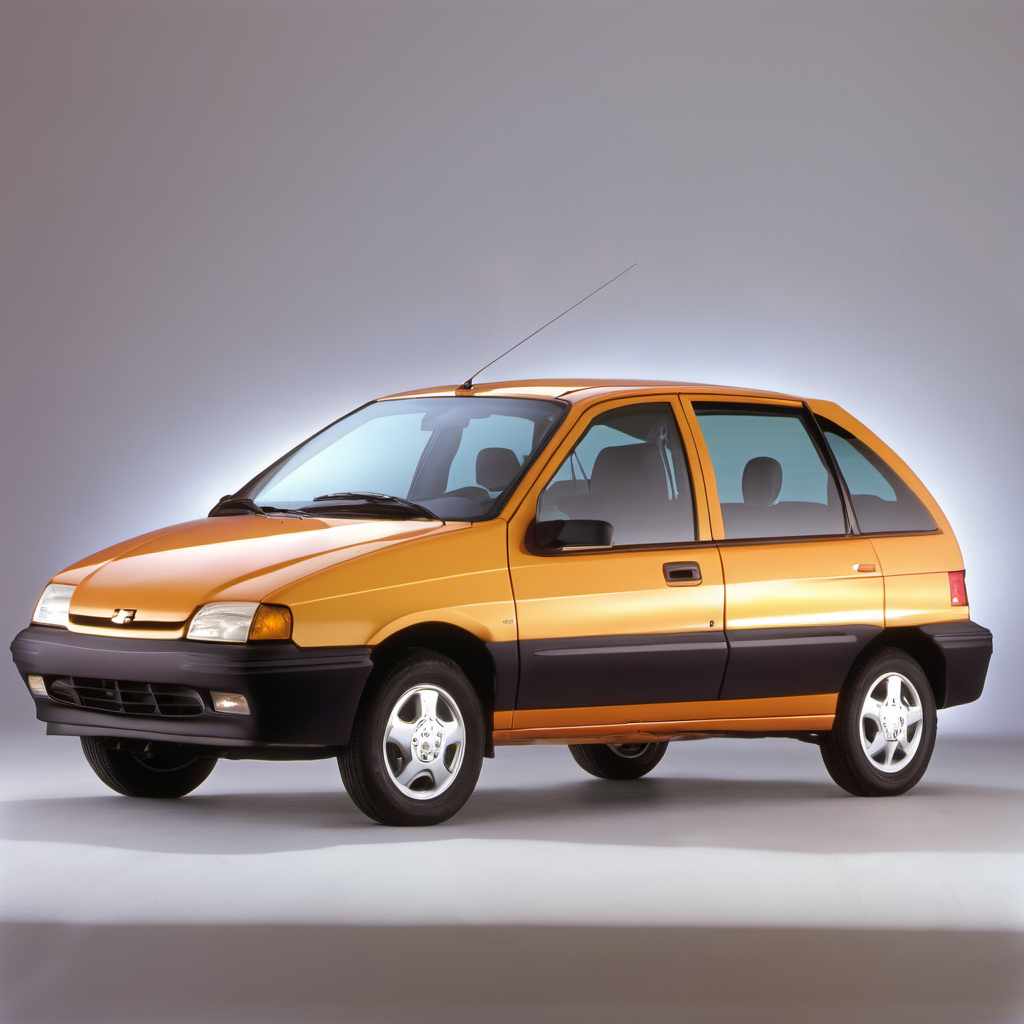
Another bare-bones economy hatchback of the same era; even lighter and simpler, but parts availability is declining as GM discontinued the line.