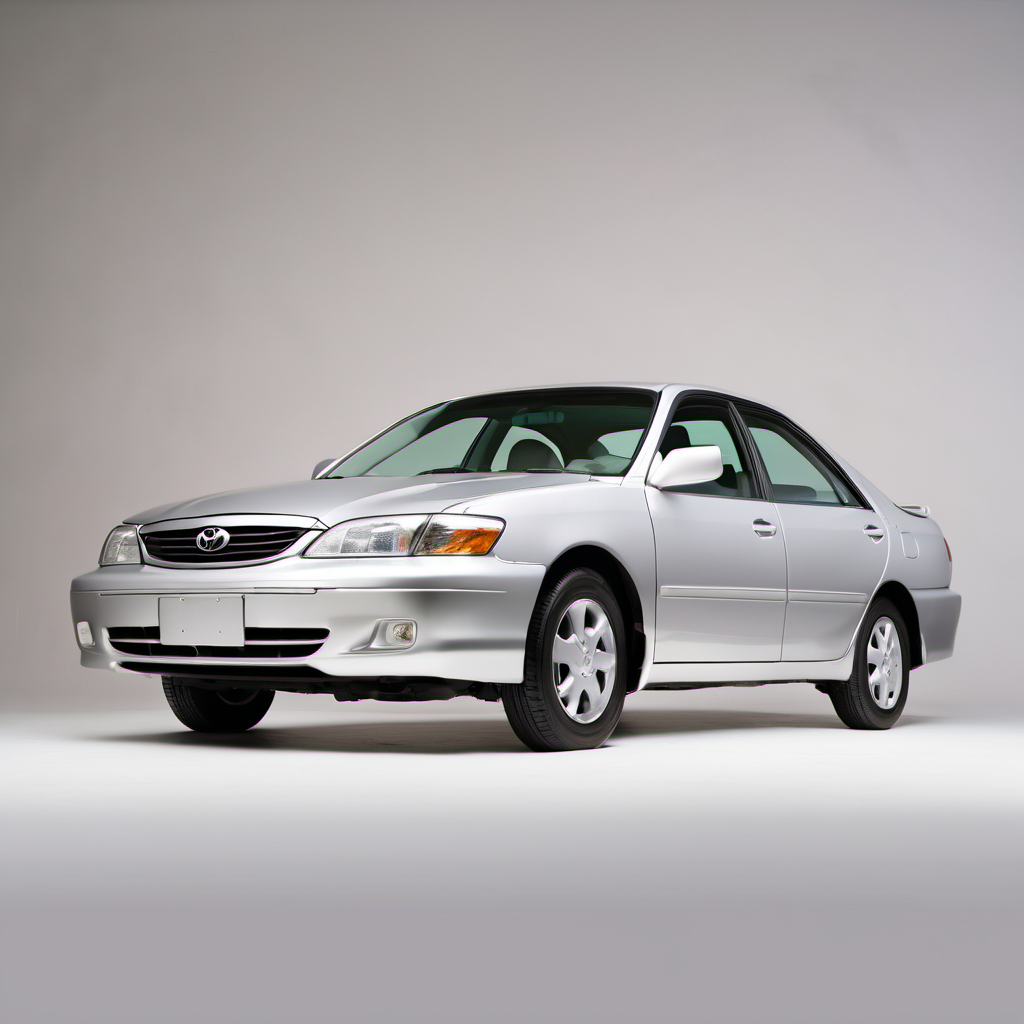
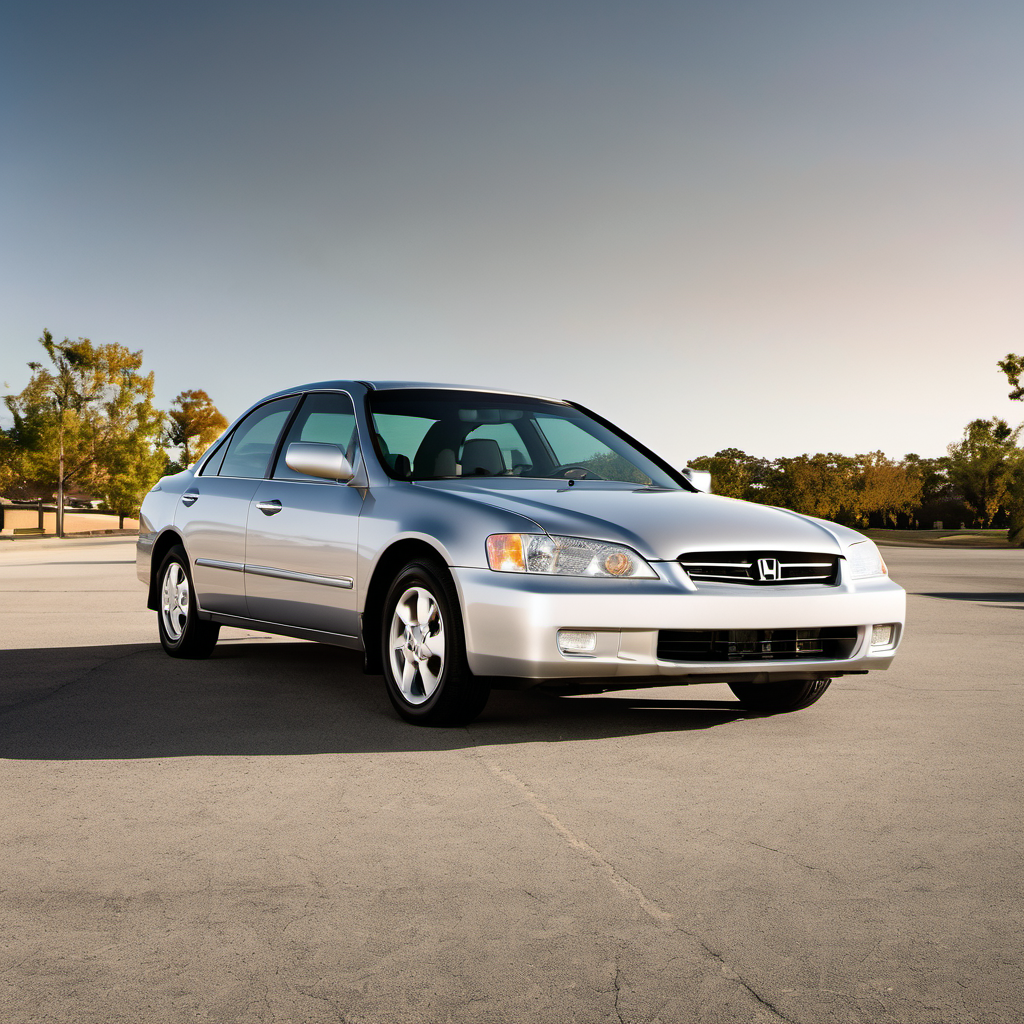
2000 Toyota Camry Sedan

2000 Toyota

CamrySedan

Sedan

The 2000 Toyota Camry is a fifth-generation (XV20) mid-size sedan that built Toyota's reputation for bulletproof reliability. With a 2.2L four-cylinder engine and front-wheel drive, it was one of the best-selling cars in America for good reason — simple, durable, and cheap to maintain. At 24 years old, most surviving examples are high-mileage daily drivers or hand-me-down family cars. The good news: the 5S-FE engine in this generation is one of the most forgiving four-cylinders ever made and will run well past 200k miles with basic care. The bad news: age-related issues (seals, hoses, suspension bushings) are now the rule, not the exception. For a Lake Geneva-area buyer or owner, rust is the single biggest wildcard. Wisconsin road salt is brutal on unibody cars of this era, and a Camry with solid mechanical health can still be rendered unsafe by a rotted subframe or floorpan.

Reliability
4/5
Verified data
Specs shown for Camry Solara Convertible — the most common configuration. Other trims may vary in engine, drivetrain, or fuel economy. Sign in to see your vehicle's exact specs.
Engine
[object Object]
Drivetrain
FWD
Fuel
Gasoline
MPG
20 city / 28 hwy / 23 combined
Seats
Doors
Body
Subcompact Cars

Overview

AI-curated

The 2000 Toyota Camry is a fifth-generation (XV20) mid-size sedan that built Toyota's reputation for bulletproof reliability. With a 2.2L four-cylinder engine and front-wheel drive, it was one of the best-selling cars in America for good reason — simple, durable, and cheap to maintain. At 24 years old, most surviving examples are high-mileage daily drivers or hand-me-down family cars. The good news: the 5S-FE engine in this generation is one of the most forgiving four-cylinders ever made and will run well past 200k miles with basic care. The bad news: age-related issues (seals, hoses, suspension bushings) are now the rule, not the exception. For a Lake Geneva-area buyer or owner, rust is the single biggest wildcard. Wisconsin road salt is brutal on unibody cars of this era, and a Camry with solid mechanical health can still be rendered unsafe by a rotted subframe or floorpan.

Known for
  • Exceptional long-term reliability with basic maintenance
  • Simple, owner-serviceable 2.2L 5S-FE four-cylinder engine
  • Low cost of parts and independent-shop labor
  • Smooth, comfortable ride prioritized over sporty handling
Best for
  • High-mileage commuters who want low drama
  • First-time used car buyers on a budget
  • Owners willing to handle routine maintenance themselves
  • Anyone who needs affordable, predictable transportation
Watch for
  • Rust on subframe, floorpan, and strut towers — critical on Wisconsin cars
  • Oil sludge if previous owner skipped oil changes (common on this generation)
  • Worn engine mounts causing vibration at idle
  • Aging coolant hoses and radiator on high-mileage examples

Common issues by mileage

6 known

Oil sludge buildup in engine

medium
Typically appears
80–150k mi
Estimated repair
$300 – $1,200

Oxygen sensor failure (upstream or downstream)

high
Typically appears
100–180k mi
Estimated repair
$150 – $350

O2 sensor heater circuit fault

medium
Typically appears
100–200k mi
Estimated repair
$120 – $300

Strut and suspension bushing wear

high
Typically appears
100–160k mi
Estimated repair
$400 – $900

Coolant hose deterioration and radiator failure

high
Typically appears
120k+ mi or 15+ years old
Estimated repair
$200 – $700

Rust on subframe, strut towers, and brake lines

high
Typically appears
Any mileage on road-salted vehicles
Estimated repair
$500 – $4,000

Maintenance schedule

  1. 1
    Every 5,000 miles or 6 months Engine oil and filter change

    The 5S-FE is prone to sludge if oil intervals are stretched. At 24 years old, use conventional or high-mileage 5W-30. Never go beyond 5k miles between changes on this engine.

  2. 2
    Every 2 years or 30,000 miles Coolant flush and hose inspection

    Hoses this age crack from the inside out and won't show external damage until they fail. Flush old coolant to prevent internal corrosion in the aluminum head.

  3. 3
    Every 30,000 miles Spark plug replacement

    Standard platinum plugs on the 5S-FE. Worn plugs cause rough idle, poor fuel economy, and can mask other issues. Easy DIY access on this engine.

  4. 4
    Every 60,000 miles or 5 years (if not already done) Timing belt and water pump replacement

    The 5S-FE is an interference engine — a snapped timing belt destroys the engine. At this age, if the belt history is unknown, replace it immediately. Always replace the water pump at the same time.

  5. 5
    Every 2–3 years Brake fluid flush

    Brake fluid absorbs moisture over time, lowering boiling point and corroding internal brake components. Critical on a car this age.

  6. 6
    Every spring after winter season Underbody rust inspection

    Lake Geneva road salt accelerates corrosion on brake lines, fuel lines, subframe, and rocker panels. Catch small rust spots before they become structural failures.

  7. 7
    Every fall before winter Battery test and terminal cleaning

    Cold cranking amps drop sharply below 0°F. A battery over 4 years old is high risk in a Wisconsin winter. Clean corrosion off terminals to ensure reliable starts.

  8. 8
    Every 30,000 miles on used vehicles Transmission fluid change

    Many owners of this era never changed transmission fluid. If history is unknown, change it — but don't do a full flush on a high-mileage unit that's never been serviced, as it can dislodge debris and cause shifting problems.

Always defer to the manufacturer's service manual for warranty-mandated intervals.

Cost of ownership

Annual maintenance
$400 – $900
Fuel
At 23 MPG combined and ~15,000 miles/year, expect roughly $1,700–$2,100/year at $2.60–$3.20/gal. Higher in stop-and-go driving.
Insurance
Typically $700–$1,100/year in Wisconsin for full coverage on a vehicle this age. Many owners drop to liability-only given the low market value.

The 2000 Camry is one of the least expensive mid-size sedans to own. Parts are cheap, labor hours are low, and independent shops know this car well. The main financial risk is deferred maintenance or rust remediation — both can turn a $3,000 car into a money pit quickly. Budget toward the higher end if the service history is unknown.
Seasonal care

Lake Geneva, WI
Winter
  • Test battery in October — replace if cold cranking amps are below spec. This car's battery lives under the hood and is fully exposed to Wisconsin cold.
  • Switch to winter windshield washer fluid rated to -20°F or lower. The stock reservoir has no heater and will freeze with summer fluid.
  • Inspect rubber brake lines and steel brake lines under the car for rust pitting before winter. Salt will exploit any existing damage aggressively.
  • Check antifreeze concentration — should be good to at least -34°F. A 50/50 mix of fresh coolant handles this.
  • Install winter wiper blades to prevent ice buildup on the wiper arm pivot. The Camry's wiper system is adequate but original rubber streaks badly in sleet.
  • After every significant salt event, rinse the undercarriage when temps are above freezing. Pay attention to wheel wells and the subframe.
Summer
  • Inspect A/C refrigerant charge and cabin filter if equipped — the HVAC system on this generation can lose charge through aging O-rings.
  • Check tire pressure monthly. Ambient temps above 85°F can add 4–6 PSI above a cold reading — overinflation increases wear and reduces grip.
  • Inspect coolant hoses for softness, cracking, or swelling before summer heat puts additional stress on the cooling system.
  • Park in shade when possible — the dashboard plastics on this generation fade and crack from UV exposure, and a hot cabin strains the A/C compressor on startup.

Comparable vehicles

If you're shopping for one

Red flags
  • Rust holes or significant scale rust on the subframe, floor, or strut towers — walk away, structural repairs cost more than the car is worth.
  • Sludge visible at the oil filler cap or dipstick — indicates skipped oil changes, potentially shortened engine life.
  • Unknown or missing timing belt history on any example over 60k miles.
  • Smoke from the exhaust on startup (blue = oil burning, white = coolant — both are expensive on a $3k car).
  • Any sign of flood damage: musty interior smell, water lines under seats, or corrosion on electrical connectors under the dash.
What to inspect
  • Crawl under the car and inspect the subframe, floor pans, and strut towers for rust — this is the make-or-break item on any Wisconsin Camry this age.
  • Pull the oil filler cap and look for brown sludge or mayonnaise-colored gunk — a sign of chronic neglect or a head gasket issue.
  • Check the timing belt replacement history. If unknown, budget $400–$600 to replace it before driving the car — this engine is an interference design.
  • Start cold and listen for ticking at idle, which can indicate low oil pressure or sludged oil passages.
  • Test all four power windows, the A/C, and heater — repairs on these systems are cheap but annoying if multiple items are broken.
  • Ask for receipts or at minimum a list of what maintenance has been done. A Camry with documented oil changes is worth notably more than one without.
AI profile generated 18 days ago · claude-sonnet-4-6 · v2.