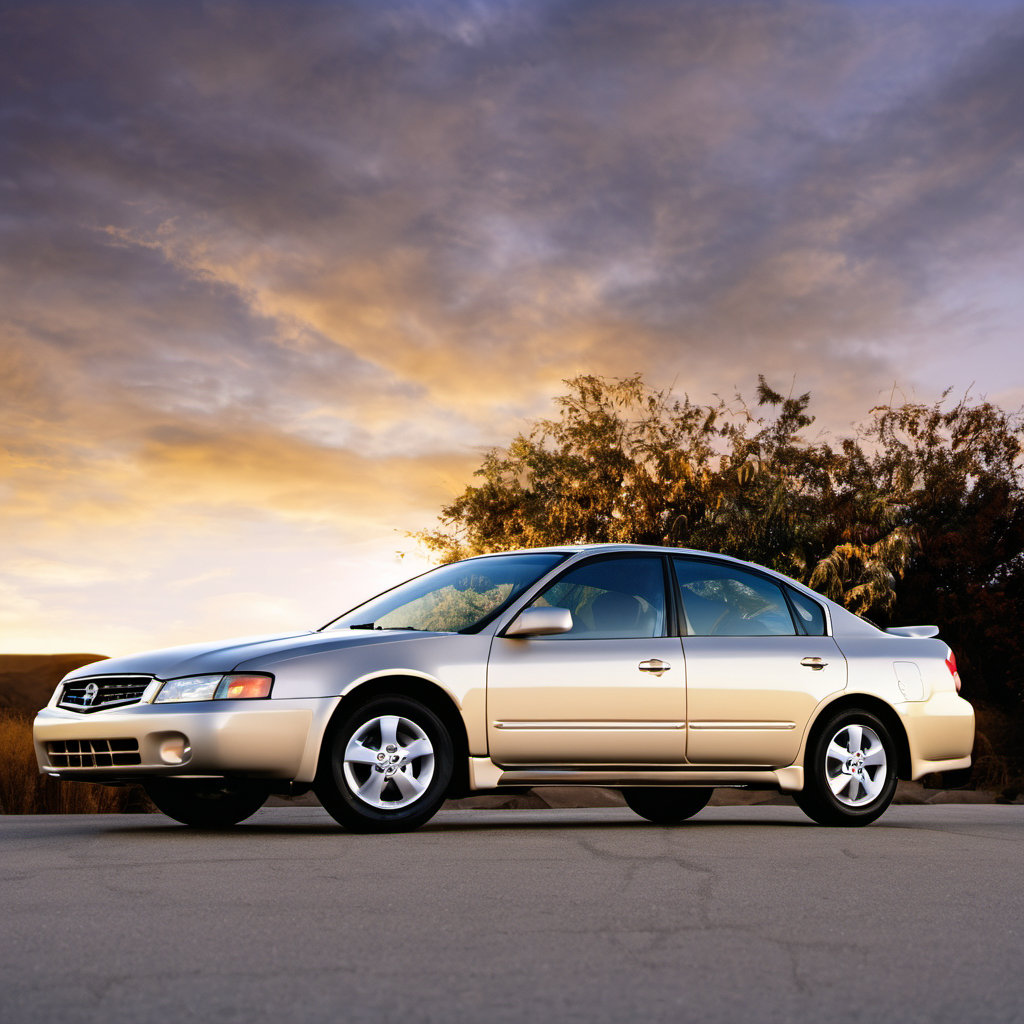
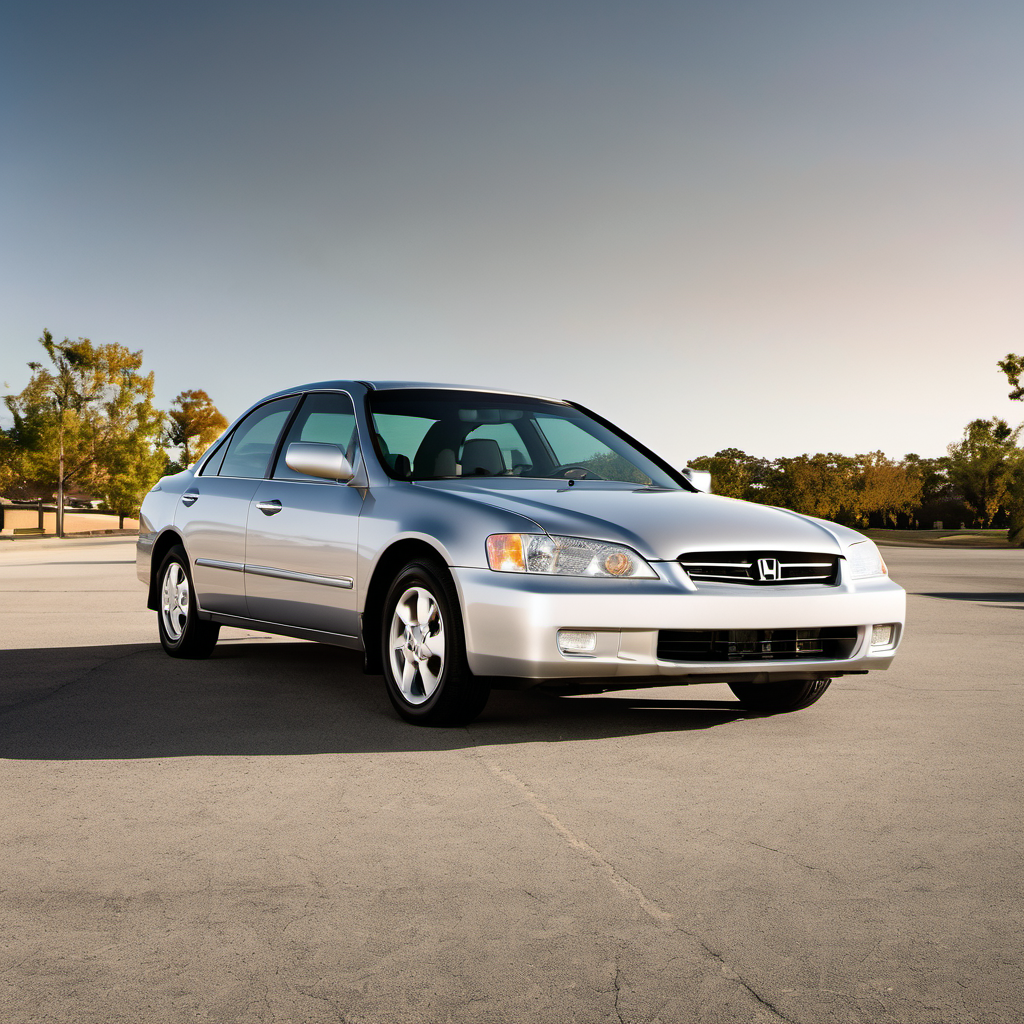
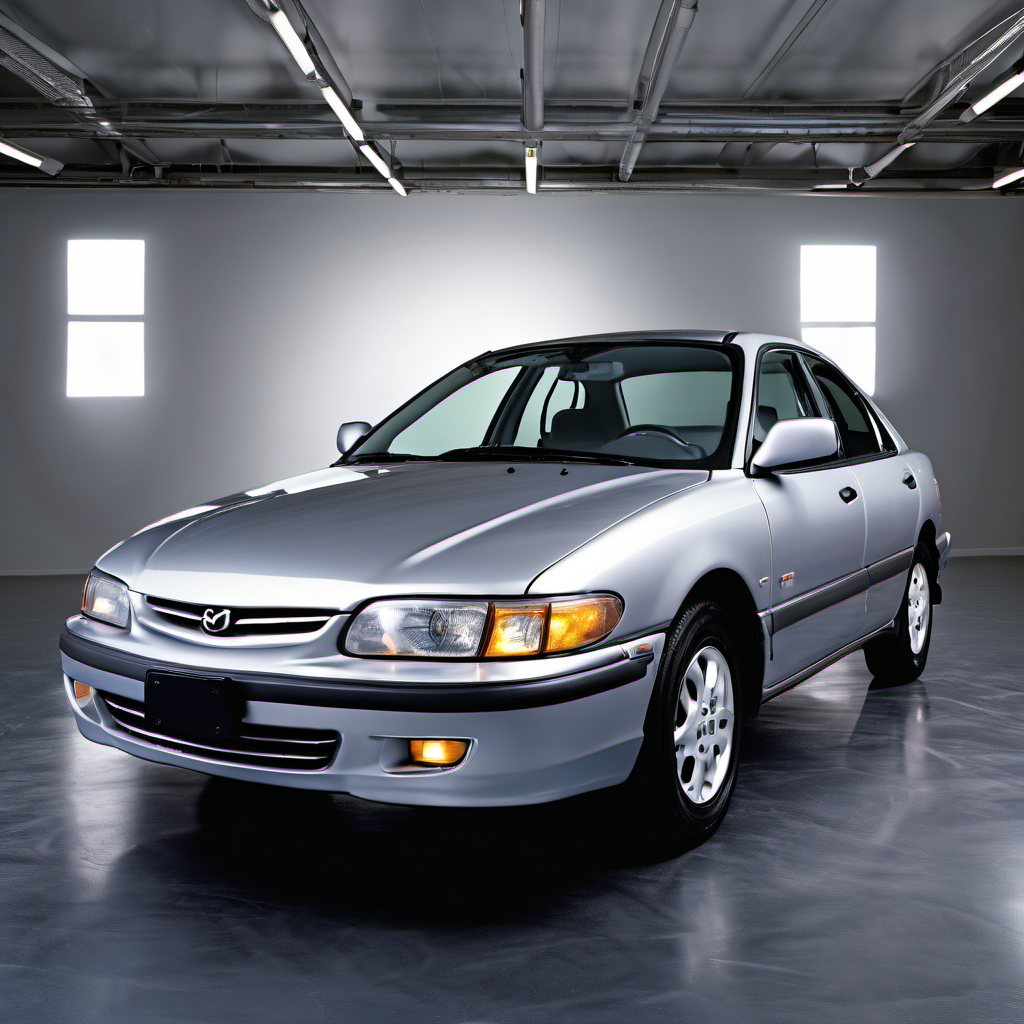
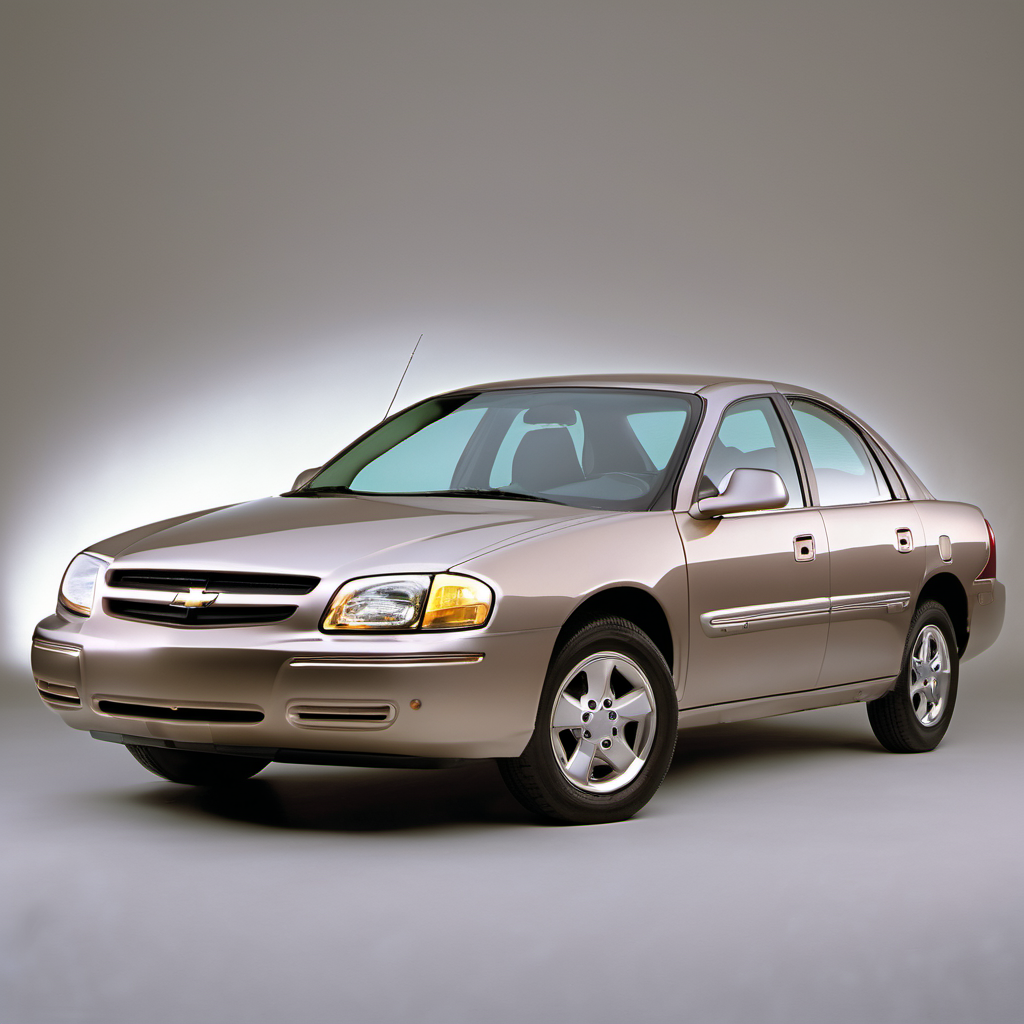
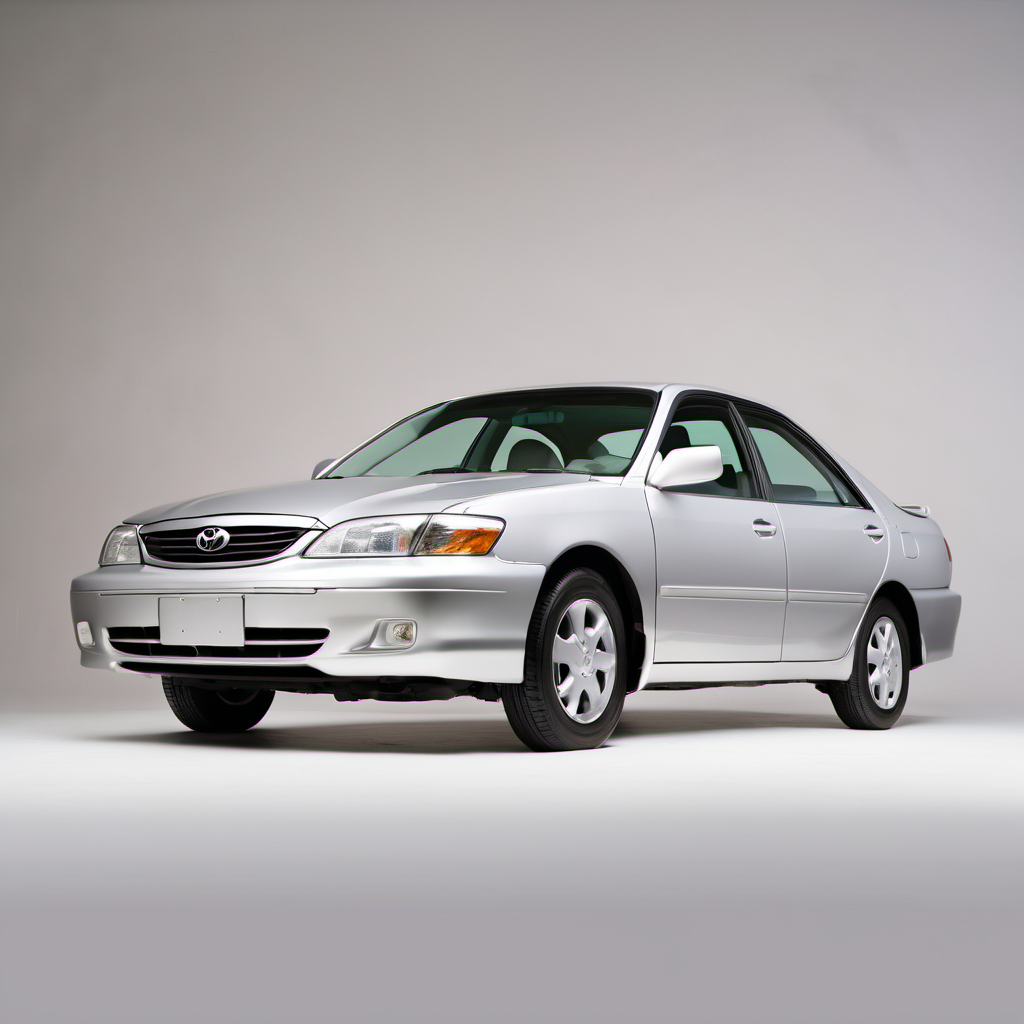
2000 Nissan Altima Sedan

2000 Nissan

AltimaSedan

Sedan

The 2000 Nissan Altima is a third-generation (1993–2001) front-wheel-drive midsize sedan built around Nissan's proven KA24DE 2.4-liter four-cylinder engine. At this point in its life cycle the platform was well-understood and parts were plentiful, making it a practical choice for budget-conscious buyers who needed reliable transportation without a lot of complexity. Compared to the more refined fourth-gen that arrived in 2002, this car is simpler to work on and cheaper to fix. By 2024 a well-kept example is 24 years old, so condition varies wildly. The strongest survivors were garaged, serviced regularly, and never left to rust in road-salt country — which is a real concern in Wisconsin. Rust on the undercarriage, brake lines, and floor pans is the single biggest threat to longevity on these cars in the upper Midwest. The KA24DE engine itself is a proven, low-tech workhorse that can crack 200k miles with consistent oil changes. The weak links are the automatic transmission, cooling system, and anything made of rubber or sheet metal underneath.

Reliability
3/5
Verified data
Specs shown for Altima — the most common configuration. Other trims may vary in engine, drivetrain, or fuel economy. Sign in to see your vehicle's exact specs.
Engine
[object Object]
Drivetrain
FWD
Fuel
Gasoline
MPG
18 city / 26 hwy / 21 combined
Seats
Doors
Body
Compact Cars

Overview

AI-curated

The 2000 Nissan Altima is a third-generation (1993–2001) front-wheel-drive midsize sedan built around Nissan's proven KA24DE 2.4-liter four-cylinder engine. At this point in its life cycle the platform was well-understood and parts were plentiful, making it a practical choice for budget-conscious buyers who needed reliable transportation without a lot of complexity. Compared to the more refined fourth-gen that arrived in 2002, this car is simpler to work on and cheaper to fix. By 2024 a well-kept example is 24 years old, so condition varies wildly. The strongest survivors were garaged, serviced regularly, and never left to rust in road-salt country — which is a real concern in Wisconsin. Rust on the undercarriage, brake lines, and floor pans is the single biggest threat to longevity on these cars in the upper Midwest. The KA24DE engine itself is a proven, low-tech workhorse that can crack 200k miles with consistent oil changes. The weak links are the automatic transmission, cooling system, and anything made of rubber or sheet metal underneath.

Known for
  • Bulletproof KA24DE engine with high mileage potential
  • Simple, easy-to-service engine bay with widely available parts
  • Comfortable ride for its class and era
  • Affordable purchase price and low running costs when rust-free
Best for
  • Budget-minded commuters who can do basic maintenance
  • First-time used-car buyers comfortable with an older vehicle
  • Owners who want a simple, non-turbocharged daily driver
  • DIY mechanics — straightforward repairs, no exotic parts
Watch for
  • Severe undercarriage rust on Wisconsin/salt-belt examples
  • Automatic transmission failures — a known weak point on this generation
  • Coolant leaks and overheating from aged hoses, thermostat, and radiator
  • Worn or cracked engine and suspension bushings at this age
  • Degraded brake lines — inspect carefully before buying

Common issues by mileage

6 known

Automatic transmission failure or slipping

high
Typically appears
90–150k mi
Estimated repair
$1,400 – $2,800

Coolant system leaks (hoses, thermostat, radiator)

high
Typically appears
80–130k mi
Estimated repair
$150 – $650

Undercarriage and brake line rust (salt-belt specific)

high
Typically appears
Any mileage on Wisconsin/salt-road vehicles
Estimated repair
$300 – $1,800

Worn engine and suspension bushings / motor mounts

medium
Typically appears
100k+ mi
Estimated repair
$200 – $700

Distributor or ignition system faults causing rough idle or no-start

medium
Typically appears
100–160k mi
Estimated repair
$150 – $500

Maintenance schedule

  1. 1
    Every 5,000 miles or 6 months Engine oil and filter change

    The KA24DE's longevity is directly tied to clean oil. At this age, stick to conventional 5W-30 unless the engine is burning oil, in which case a 10W-40 can help control consumption.

  2. 2
    Every 2 years or 30,000 miles Coolant flush and hose inspection

    Rubber hoses and the thermostat are well past their factory service life on a 2000 model. Inspect all hoses for soft spots and cracks; a burst hose in a Wisconsin winter is a tow call.

  3. 3
    Every 30,000 miles — do not skip Automatic transmission fluid change

    The factory 'lifetime' fluid recommendation did not account for a 24-year-old transmission. Fresh ATF is the cheapest insurance against a $2,000+ rebuild.

  4. 4
    Every 30,000 miles Spark plugs and wires

    The KA24DE uses a distributor-based ignition. Worn plugs and cracked plug wires cause rough idle and poor cold starts — both amplified in Wisconsin winters.

  5. 5
    Every year — visual inspection at every oil change Brake line inspection

    Road salt corrodes steel brake lines from the outside. A failed brake line is a safety emergency. Replace any line showing heavy pitting or white/rust buildup.

  6. 6
    At 100k mi and every 30k thereafter Timing chain tensioner check

    The KA24DE uses a timing chain (not a belt), but the tensioner can wear and allow chain rattle on cold starts. Catching it early prevents a much more expensive engine repair.

  7. 7
    Every fall before winter Battery load test

    A battery that tests marginal in October will very likely fail at -10°F in January. Wisconsin winters are hard on batteries — replace proactively at 4–5 years.

  8. 8
    Every 2 weeks during salt season (November–March) Underbody wash

    Salt accumulates in the wheel wells and under the subframe. Regular flushing is the most effective and cheapest rust prevention available.

Always defer to the manufacturer's service manual for warranty-mandated intervals.

Cost of ownership

Annual maintenance
$600 – $1,400
Fuel
At 21 MPG combined and ~12,000 miles/year, expect roughly $1,400–$1,700/year at $2.50–$3.00/gal. Premium fuel is not required.
Insurance
Typically $700–$1,100/year for full coverage on a vehicle this age in Wisconsin; liability-only can be under $500/year given the low market value.

A rust-free, well-maintained example is one of the more economical vehicles to own. Parts are cheap and plentiful, and most repairs are straightforward. The wildcard is the automatic transmission — a failure can easily cost more than the car's market value, so budget for it. Salt-related repairs (brake lines, exhaust, floor pans) can add several hundred dollars in any given year on vehicles with significant Wisconsin exposure.
Seasonal care

Lake Geneva, WI
Winter
  • Load-test the battery every fall — cold-cranking demands on this older starter and battery are high at sub-zero temps
  • Switch to a winter-weight washer fluid rated to at least -20°F; the stock reservoir and lines can freeze with summer fluid
  • Inspect wiper blades before first snow; replace with winter blades if the rubber is cracking
  • Check coolant freeze protection with an inexpensive test strip — aim for protection to -34°F minimum
  • Flush the undercarriage every 1–2 weeks during active salting; pay special attention to brake line routing along the frame
  • Keep the fuel tank above half to reduce moisture condensation in the tank and help fuel-line freeze prevention
Summer
  • Check tire pressure monthly — pressure drops roughly 1 PSI for every 10°F of temperature change, and summer heat inflates readings when hot
  • Inspect the A/C system for refrigerant charge and any musty smells from the evaporator (cabin air filter if equipped)
  • Monitor coolant temperature gauge closely on hot days — a 24-year-old cooling system can struggle in stop-and-go traffic
  • Check the radiator cap seal and pressure rating; a failing cap causes coolant loss under heat-soak conditions
  • Inspect belts for cracking and glazing — summer heat accelerates rubber degradation on an already-aged accessory drive belt

Comparable vehicles

If you're shopping for one

Red flags
  • Any visible rust on the structural frame rails or perforated floor pans — walk away
  • Transmission slipping, shuddering, or delayed engagement on the test drive
  • Coolant in the oil (milky dipstick) or white smoke from the exhaust at operating temperature
  • No maintenance records whatsoever on a 24-year-old vehicle
  • Signs of accident repair (mismatched panel gaps, overspray in the engine bay, misaligned trunk lid)
What to inspect
  • Put the car on a lift and inspect every inch of the brake lines, fuel lines, and frame rails for rust pitting or perforation
  • Check floor pans inside for soft spots or carpet that smells of moisture — signs of rust-through from below
  • With the engine warm, check for transmission slipping or hard shifts during a test drive, especially 1-2 and 2-3 upshifts
  • Listen for timing chain rattle on cold start — a ticking or rattling noise in the first 5–10 seconds points to a worn tensioner
  • Inspect all coolant hoses for softness, cracking, or swelling at the clamp ends
  • Pull the oil dipstick and look for milky or foamy oil — a sign of coolant intrusion or head gasket issues
  • Check the exhaust system underneath for rust-through, especially at the flex pipe and resonator connections
AI profile generated 15 days ago · claude-sonnet-4-6 · v2.