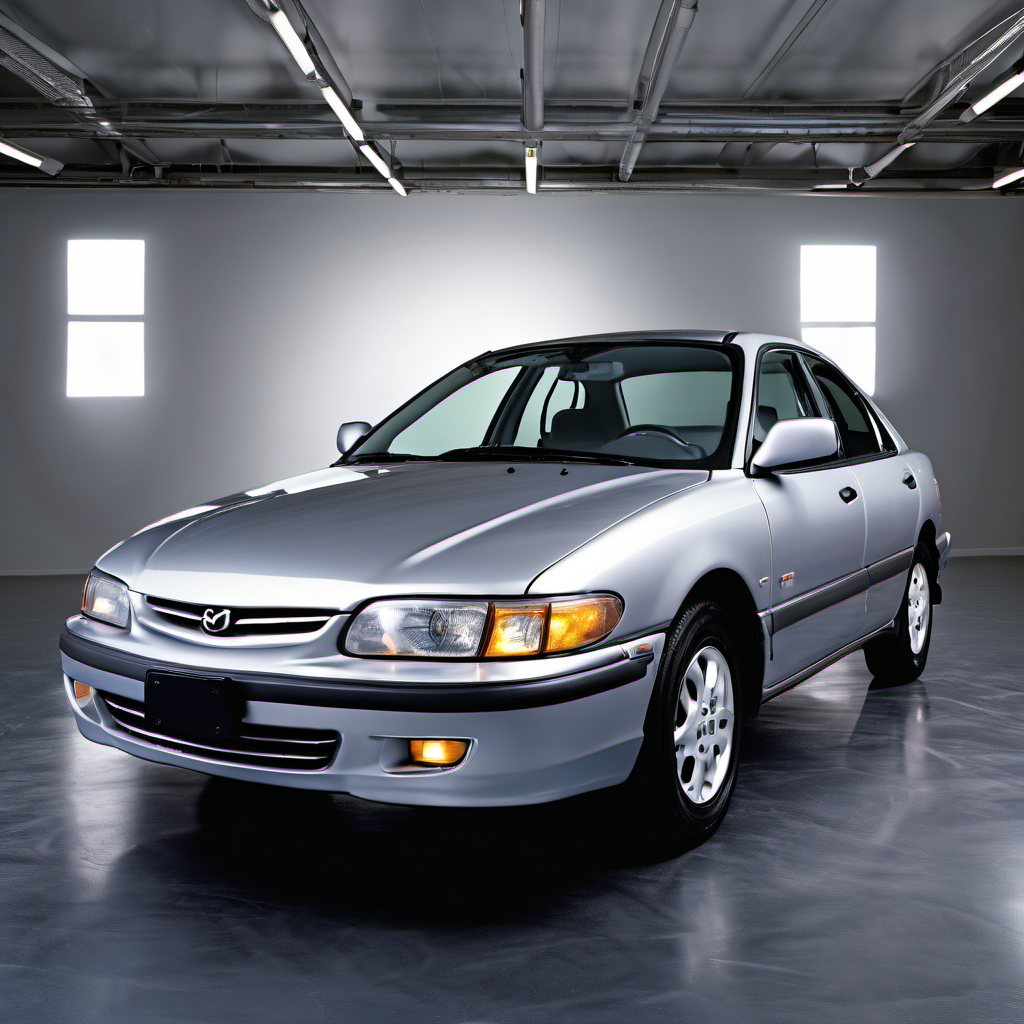
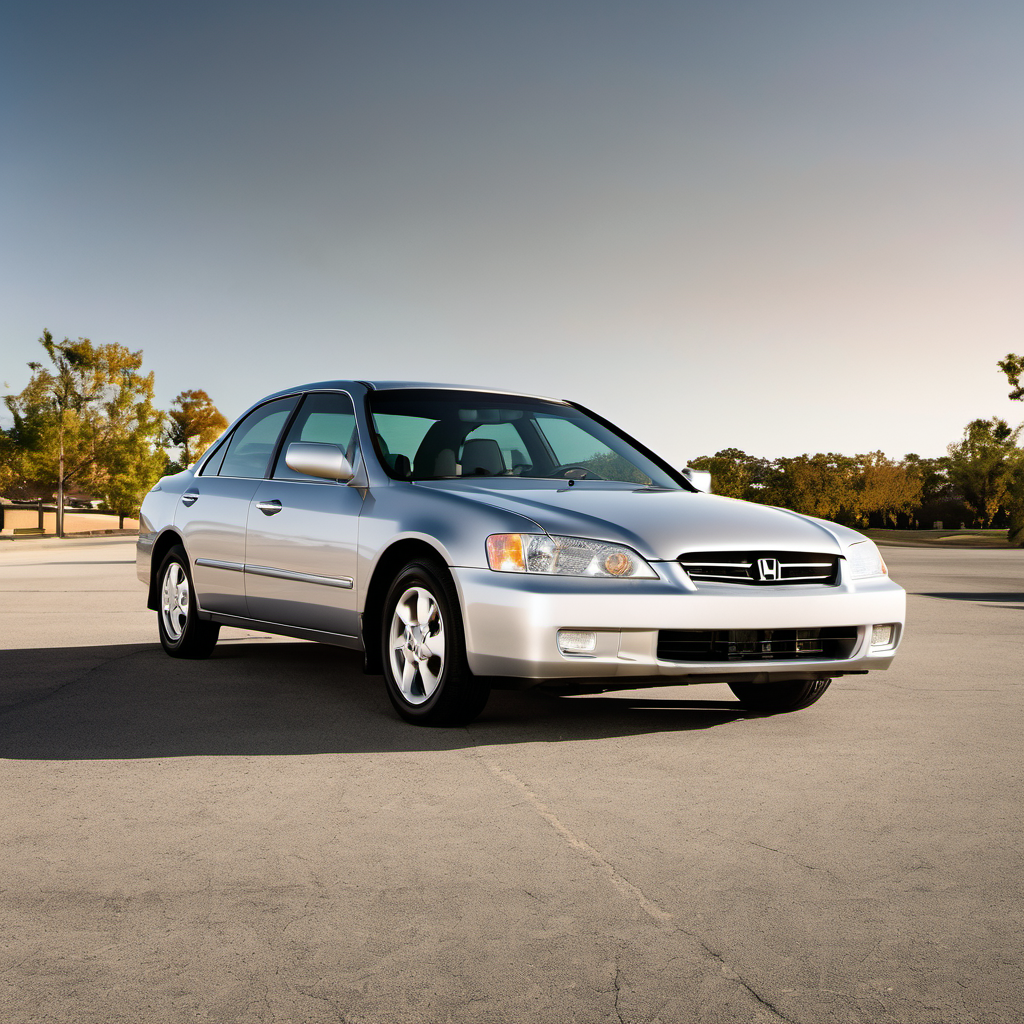
2000 MAZDA 626 Sedan

2000 MAZDA

626Sedan

Sedan

The 2000 Mazda 626 is a front-wheel-drive midsize sedan that represented Mazda's mainstream family car through most of the 1990s into the early 2000s. It offered a practical, car-feel alternative to the Honda Accord and Toyota Camry, with responsive handling that set it apart from most competitors in its class. By 2000, the 626 was in its final generation (GF platform, launched in 1997), and Mazda had ironed out most of the rough edges from the early production years. The base engine is a 2.0L four-cylinder producing around 125 hp, paired with either a 5-speed manual or 4-speed automatic. The optional 2.5L V6 with the automatic is a known weak spot in this generation — that combination produced widespread transmission failures in the late 1990s. The four-cylinder cars fared considerably better and are the smarter used buy. At 24 years old, any surviving 626 is a high-mileage vehicle that needs careful inspection. Parts availability has thinned out, and rust is a serious concern on Wisconsin cars. That said, a well-maintained four-cylinder example can still be a reliable and inexpensive daily driver.

Reliability
3/5
Verified data
Specs shown for 626 — the most common configuration. Other trims may vary in engine, drivetrain, or fuel economy. Sign in to see your vehicle's exact specs.
Engine
[object Object]
Drivetrain
FWD
Fuel
Gasoline
MPG
19 city / 25 hwy / 22 combined
Seats
Doors
Body
Midsize Cars

Overview

AI-curated

The 2000 Mazda 626 is a front-wheel-drive midsize sedan that represented Mazda's mainstream family car through most of the 1990s into the early 2000s. It offered a practical, car-feel alternative to the Honda Accord and Toyota Camry, with responsive handling that set it apart from most competitors in its class. By 2000, the 626 was in its final generation (GF platform, launched in 1997), and Mazda had ironed out most of the rough edges from the early production years. The base engine is a 2.0L four-cylinder producing around 125 hp, paired with either a 5-speed manual or 4-speed automatic. The optional 2.5L V6 with the automatic is a known weak spot in this generation — that combination produced widespread transmission failures in the late 1990s. The four-cylinder cars fared considerably better and are the smarter used buy. At 24 years old, any surviving 626 is a high-mileage vehicle that needs careful inspection. Parts availability has thinned out, and rust is a serious concern on Wisconsin cars. That said, a well-maintained four-cylinder example can still be a reliable and inexpensive daily driver.

Known for
  • Sporty, car-focused handling for its class
  • Reliable 2.0L four-cylinder engine
  • Notoriously problematic automatic transmission on V6 models
  • Comfortable, driver-oriented interior
  • Solid fuel economy for its era
Best for
  • Budget-conscious commuters comfortable with older vehicles
  • DIY mechanics who can source parts
  • Drivers who prefer a traditional sedan feel over a crossover
  • Short-to-medium commutes where reliability risk is manageable
Watch for
  • Automatic transmission failure on V6 models — a well-documented epidemic
  • Rust on floor pans, frame rails, and wheel wells on upper Midwest examples
  • Aging cooling system components (hoses, thermostat, water pump)
  • Deteriorated engine and transmission mounts at this age and mileage
  • Increasingly scarce replacement parts for this discontinued model

Common issues by mileage

6 known

Automatic transmission failure (V6 models especially)

high
Typically appears
60–120k mi
Estimated repair
$1,200 – $2,800

Cooling system leaks (hoses, thermostat housing, water pump)

high
Typically appears
100k+ mi
Estimated repair
$150 – $600

Engine and transmission mount deterioration

medium
Typically appears
100k+ mi
Estimated repair
$200 – $500

Rust — floor pans, subframe, wheel arches

high
Typically appears
All mileages on upper Midwest vehicles
Estimated repair
$300 – $2,500

Distributor and ignition system wear

medium
Typically appears
80–130k mi
Estimated repair
$200 – $500

Maintenance schedule

  1. 1
    Every 5,000 miles or 6 months Engine oil and filter change

    The FS 2.0L is sensitive to oil maintenance. At this age, use a conventional or high-mileage blend — full synthetic can cause leaks in worn seals.

  2. 2
    Every 2 years or 30,000 miles Coolant flush and system inspection

    Hoses, the thermostat, and the water pump are all age-prone on this platform. A cooling failure will strand you and can lead to head gasket damage.

  3. 3
    Every 30,000 miles Automatic transmission fluid change

    The 626 automatic is a known weak point. Fresh fluid is the single best thing you can do to extend its life. Do not use a flush machine — drain and fill only.

  4. 4
    Every 60,000 miles or 5 years Timing belt replacement

    The 2.0L FS engine is an interference engine. A snapped timing belt will destroy the engine. Confirm it has been replaced — if unknown, do it now.

  5. 5
    Every 30,000 miles Spark plugs and distributor cap/rotor

    This generation uses a distributor, not coil-on-plug. Cap and rotor wear causes misfires and hard starts, especially in cold Wisconsin winters.

  6. 6
    Every 2 years Brake fluid flush

    Brake fluid absorbs moisture over time, lowering its boiling point. Critical on an aging vehicle with original or unknown brake system history.

  7. 7
    Every year or at each oil change Inspect front CV axles and boots

    Road salt accelerates CV boot cracking. A torn boot leads to grease loss and joint failure. Catching it at the boot stage saves significant repair cost.

  8. 8
    Every fall before winter Battery load test

    Cold cranking demand spikes below freezing. A battery that passes a basic check in summer can fail at -10°F. Test it every October in Wisconsin.

Always defer to the manufacturer's service manual for warranty-mandated intervals.

Cost of ownership

Annual maintenance
$600 – $1,800
Fuel
At 22 MPG combined and ~12,000 miles/year, expect roughly $1,400–$1,700/year at current Midwest gas prices.
Insurance
Typically among the cheapest to insure — expect $600–$1,100/year for full coverage on a vehicle this age and value.

The 626 is genuinely inexpensive to run when nothing major breaks. Routine maintenance costs are low, fuel is reasonable, and insurance is minimal. The financial risk is in surprise failures — the transmission, timing belt, or rust repair can each cost more than the car is worth at this point. Budget a contingency fund for unexpected repairs, and keep up with preventive maintenance to minimize that risk.
Seasonal care

Lake Geneva, WI
Winter
  • Test the battery every October — cold start demand on a 12V battery in sub-zero temps is severe and a weak battery will leave you stranded.
  • Switch to a winter-grade washer fluid rated to at least -20°F. Wisconsin road spray can empty the reservoir fast; keep a spare jug in the trunk.
  • Inspect the undercarriage for rust before winter and apply fresh undercoating to any bare metal. Road salt will accelerate any existing corrosion dramatically.
  • Check the coolant freeze protection with a test strip — should be rated to at least -34°F for Lake Geneva winters.
  • Inspect wiper blades and consider winter-specific blades to handle snow and ice loading.
  • Allow a short warm-up idle (1–2 minutes) before driving in extreme cold — the 2.0L benefits from oil circulation before load is applied.
Summer
  • Monitor coolant temperature closely — an aging cooling system with a weak water pump or cracked hose is most likely to fail under summer heat load.
  • Check tire pressure monthly. Tires gain approximately 1 PSI for every 10°F increase in ambient temperature, leading to overinflation.
  • Run the A/C for at least 10 minutes weekly even if not needed — keeps the compressor seals lubricated and catches refrigerant leaks early.
  • Inspect belts for cracking or glazing. Heat accelerates rubber degradation, and a snapped serpentine belt will disable the A/C, alternator, and power steering simultaneously.

Comparable vehicles

If you're shopping for one

Red flags
  • Any V6 engine — walk away unless the transmission has been recently replaced with documented proof.
  • Rust holes or bubbling in the floor pan, rockers, or rear wheel arches — structural rust on a 24-year-old Wisconsin car is a deal-breaker.
  • Unknown timing belt history with no documentation — the repair cost if it snaps will likely exceed the car's value.
  • Slipping, harsh shifts, or delayed engagement in the automatic transmission — rebuild or replacement is expensive relative to what these cars are worth.
  • Overheating history or evidence of head gasket repair (milky oil cap residue, white exhaust smoke, coolant loss with no visible leak).
What to inspect
  • Verify timing belt replacement history — this is a non-negotiable interference engine. No records means budget for immediate replacement.
  • Test drive the automatic transmission specifically: check for slipping, delayed engagement from a stop, and any shudder between 35–45 mph.
  • Put the car on a lift and inspect the floor pans, subframe, and frame rails for rust perforation — not just surface rust.
  • Check for coolant leaks at the thermostat housing, water pump weep hole, and all hose connections.
  • Look for oil leaks at the valve cover gasket and front crankshaft seal, both common at high mileage.
  • Inspect CV axle boots for cracking or grease spray on the inside of the wheel wells.
AI profile generated 15 days ago · claude-sonnet-4-6 · v2.