Intake Manifold Gasket / Coolant Crossover Leaks
high- Typically appears
- 60–120k mi
- Estimated repair
- $300 – $650
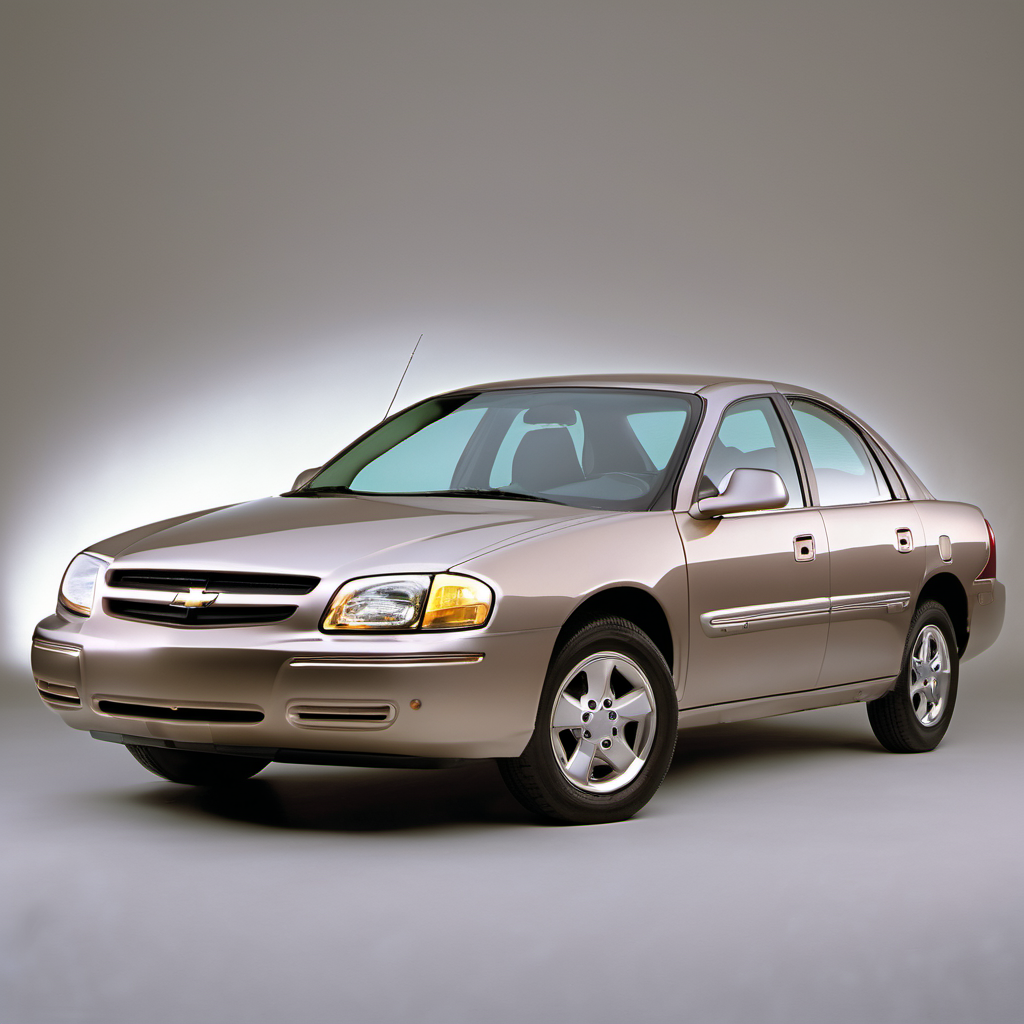
2000 Chevrolet
Sedan
The 2000 Chevrolet Malibu is a front-wheel-drive midsize sedan that represented GM's attempt to recapture the family-car market after the nameplate's revival in 1997. Built on the GM N-body platform shared with the Pontiac Grand Am and Oldsmobile Alero, it offered a practical, roomy interior at an affordable price point. By 2000 the Malibu had found a solid customer base as a commuter and family car, though it carried a number of platform-related reliability concerns that owners should be aware of. Powered by either a 2.4L Twin Cam four-cylinder or an optional 3.1L V6, the 2000 Malibu delivered adequate performance for everyday use. Fuel economy was reasonable for the era, and the interior was notably spacious for the class. However, the N-body platform had well-documented issues with the intake manifold gasket, lower intake coolant crossover, and electrical gremlins that plagued many GM vehicles of this generation. At 25 years old, any surviving 2000 Malibu is a high-mileage, budget-segment vehicle. Parts are still widely available and inexpensive, and a well-maintained example can serve as basic reliable transportation — but deferred maintenance on this generation is common and should be fully investigated before purchase.
The 2000 Chevrolet Malibu is a front-wheel-drive midsize sedan that represented GM's attempt to recapture the family-car market after the nameplate's revival in 1997. Built on the GM N-body platform shared with the Pontiac Grand Am and Oldsmobile Alero, it offered a practical, roomy interior at an affordable price point. By 2000 the Malibu had found a solid customer base as a commuter and family car, though it carried a number of platform-related reliability concerns that owners should be aware of. Powered by either a 2.4L Twin Cam four-cylinder or an optional 3.1L V6, the 2000 Malibu delivered adequate performance for everyday use. Fuel economy was reasonable for the era, and the interior was notably spacious for the class. However, the N-body platform had well-documented issues with the intake manifold gasket, lower intake coolant crossover, and electrical gremlins that plagued many GM vehicles of this generation. At 25 years old, any surviving 2000 Malibu is a high-mileage, budget-segment vehicle. Parts are still widely available and inexpensive, and a well-maintained example can serve as basic reliable transportation — but deferred maintenance on this generation is common and should be fully investigated before purchase.
The 2.4L Twin Cam is sensitive to oil neglect. Sludge buildup accelerates timing chain and camshaft wear on high-mileage examples. Use the manufacturer-specified viscosity and don't stretch intervals.
Cooling system failures are the number-one killer of this engine family. Check for milky oil, sweet exhaust smell, or low coolant — all signs of a leaking intake gasket. Use only DEX-COOL or a compatible full-strength coolant, properly diluted.
Belt failure leaves you stranded. The tensioner on this engine is known to weaken with age, causing belt slippage and squealing before full failure.
The 2.4L uses conventional plugs that wear on schedule. Worn plugs on this engine contribute to rough idle and reduced fuel economy. Replace wires at the same time — cracked boots cause misfires.
Wisconsin roads and road salt accelerate bushing degradation. Loose front-end components cause tire wear and handling issues. This is especially important before winter.
Brake fluid absorbs moisture over time, lowering its boiling point and promoting internal corrosion in calipers and wheel cylinders. Particularly important in a wet-winter climate.
At 25 years old and with Wisconsin salt exposure, subframe and rocker panel rust is a structural concern, not just cosmetic. Catch it early before it becomes a safety issue or makes the car unrepairable.
GM's 4T40-E transmission in this car responds well to regular fluid changes. Burnt or dark fluid is a warning sign. Neglected fluid dramatically shortens transmission life.
Always defer to the manufacturer's service manual for warranty-mandated intervals.
The 2000 Malibu is one of the cheapest vehicles to insure and find parts for. Routine maintenance is inexpensive. However, this generation is at the age where deferred repairs pile up fast — a cooling system failure, subframe rust repair, or transmission job can easily exceed the car's market value. Budget conservatively and get a pre-purchase inspection from an independent shop before buying.
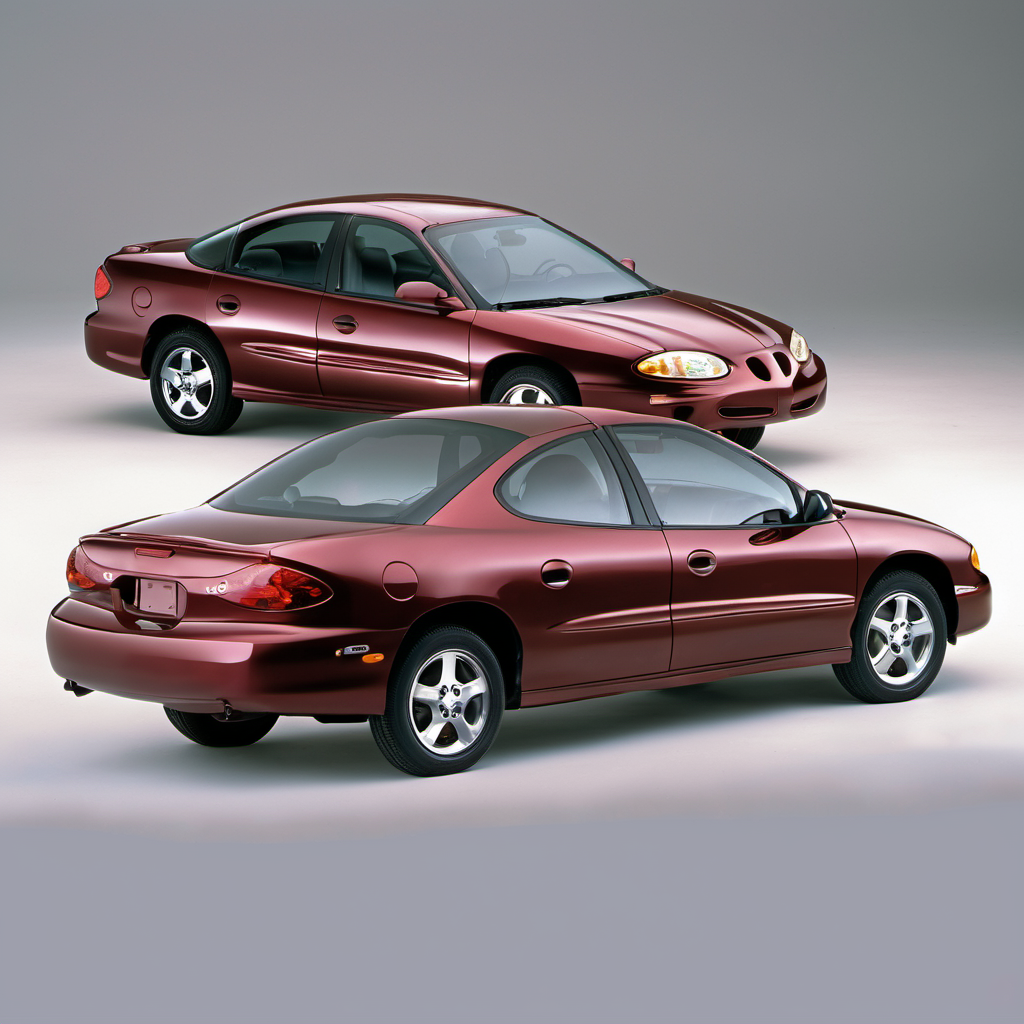
Shares the same GM N-body platform, engines, and most major components. Very similar ownership experience and cost profile. Often slightly sportier in trim.
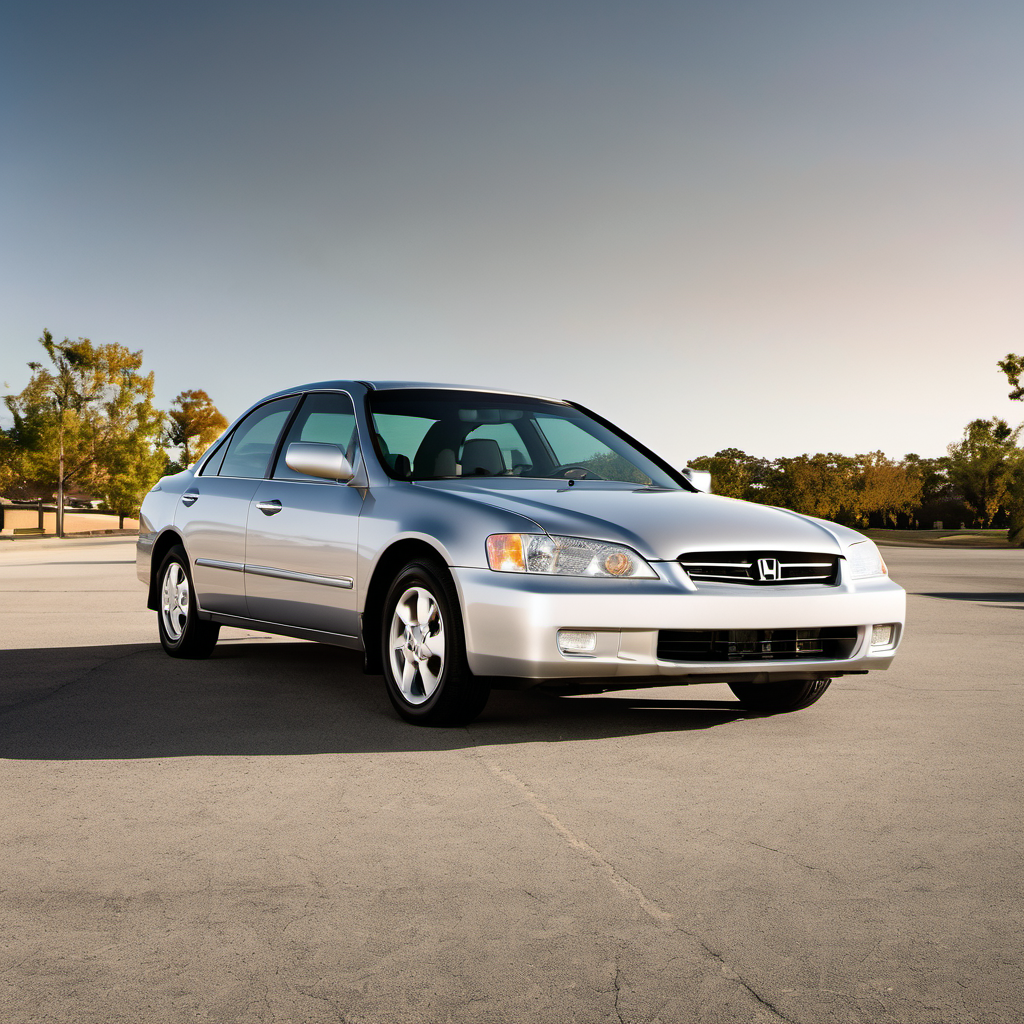
Same segment and price range used. Significantly better long-term reliability track record, though parts may cost slightly more. Worth the premium on the used market.
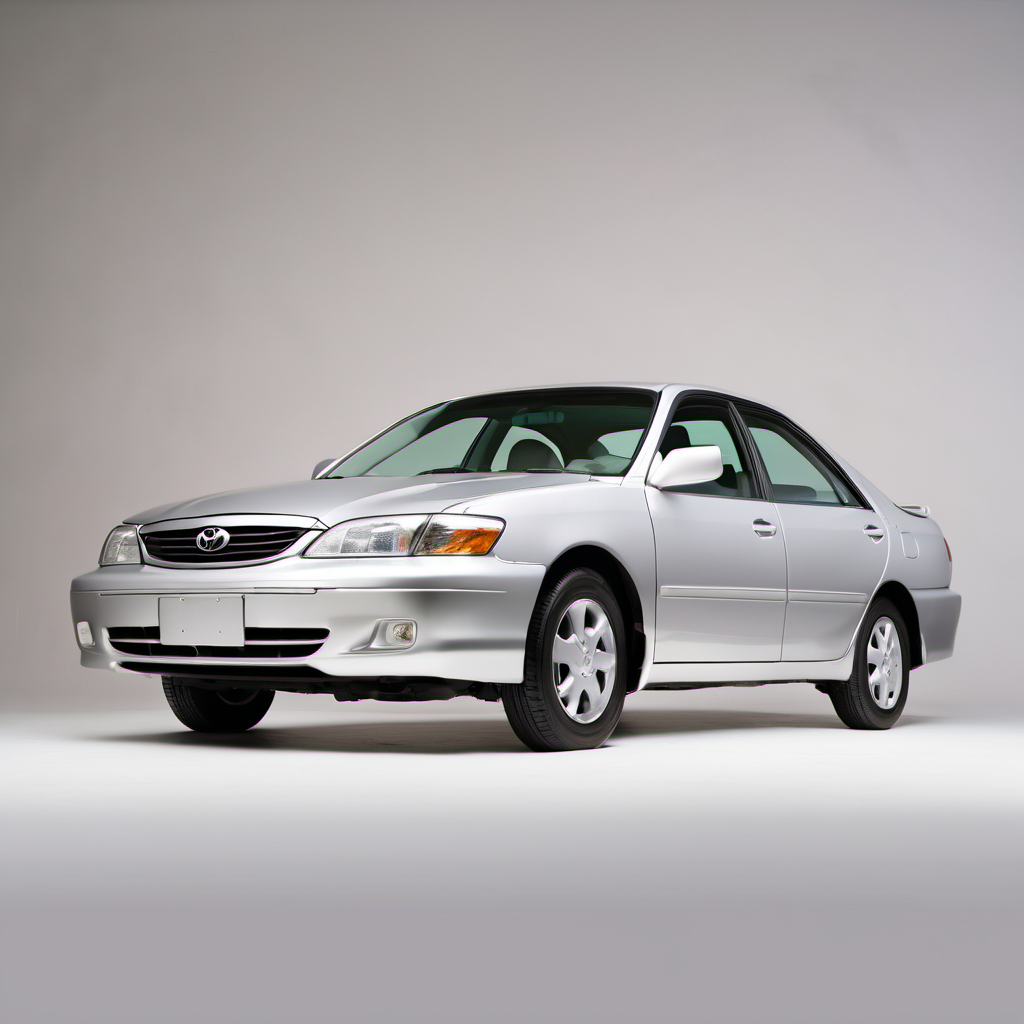
Direct midsize sedan competitor. Known for greater longevity and fewer systemic issues. Also a strong used-market alternative at similar price points.
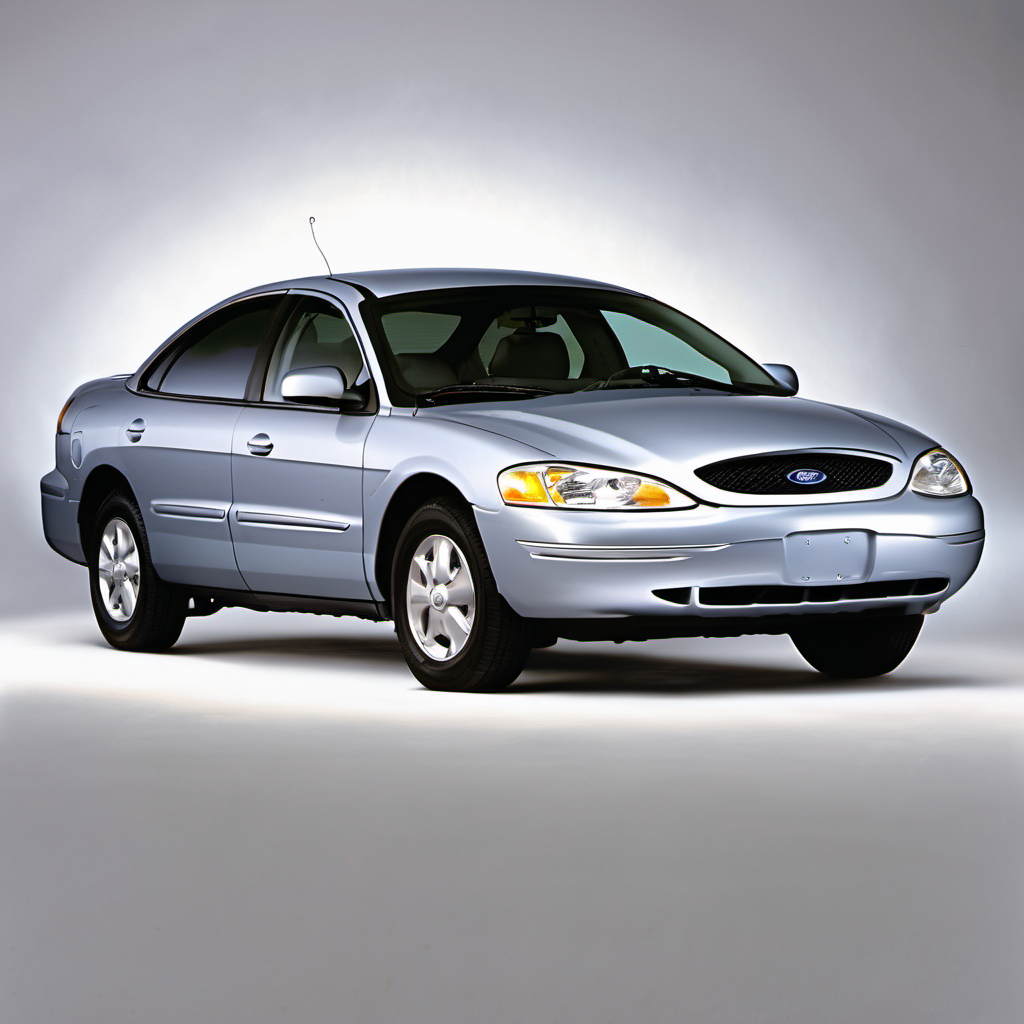
Comparable family sedan from the same era at similar used prices. Has its own set of platform concerns (notably the Vulcan V6 coolant issues) but offers a different ownership profile worth comparing.