Distributor failure
high- Typically appears
- 100–180k mi
- Estimated repair
- $150 – $350
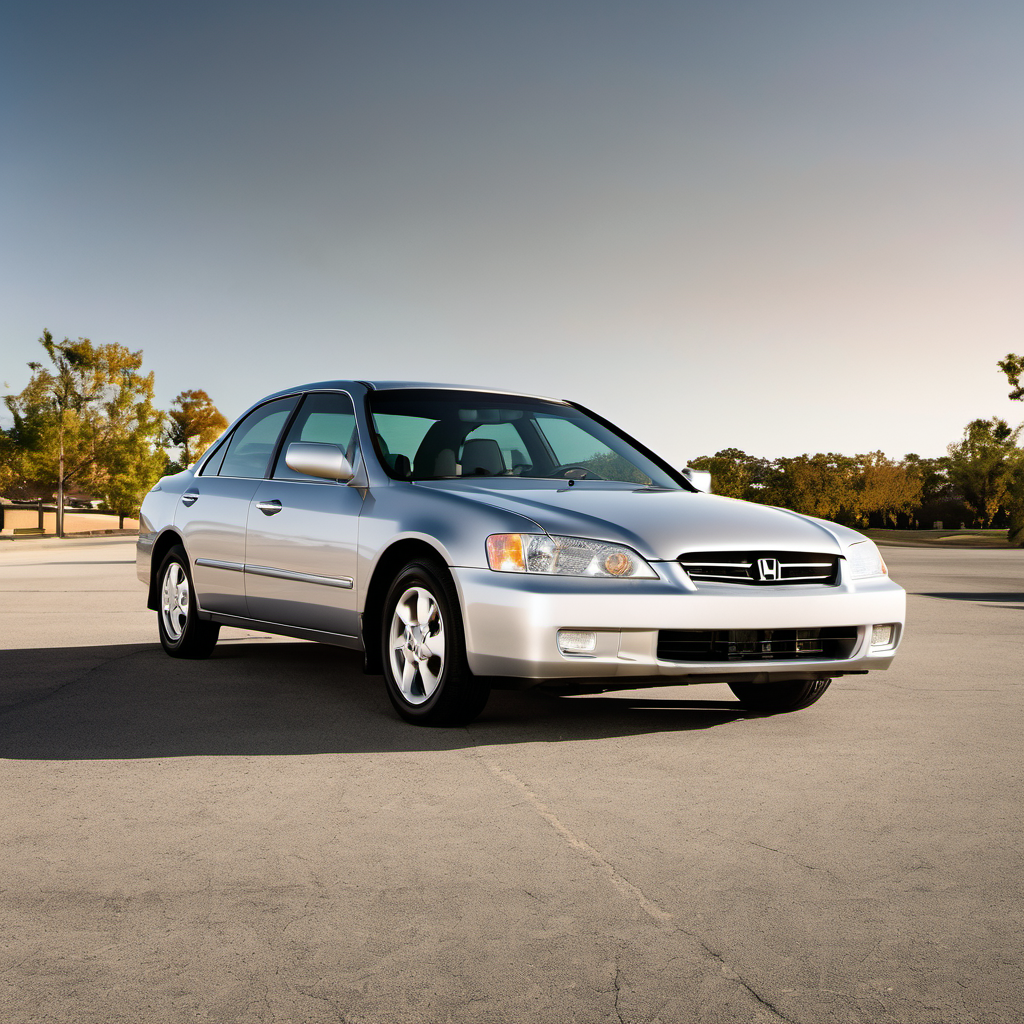
2000 Honda
Sedan
The 2000 Honda Accord Sedan is part of the sixth-generation Accord (1998–2002), widely considered one of the best balanced family sedans ever built. It offered a smooth, willing 2.3L SOHC-VTEC four-cylinder, a roomy and well-built interior, and Honda's reputation for long-term reliability — all at an accessible price point. At 20+ years old, surviving examples have typically crossed 150k–200k miles. The mechanicals are proven and parts are cheap and abundant, but age-related wear on rubber components, cooling systems, and automatic transmissions deserves close attention before purchase. For Lake Geneva drivers, this Accord is a capable year-round commuter. Its front-wheel-drive platform handles moderate snow adequately with proper winter tires, and the 2.3L warms up quickly. The main seasonal concern is underbody rust — these cars are notorious for rocker panel and subframe corrosion in heavy-salt states like Wisconsin.
The 2000 Honda Accord Sedan is part of the sixth-generation Accord (1998–2002), widely considered one of the best balanced family sedans ever built. It offered a smooth, willing 2.3L SOHC-VTEC four-cylinder, a roomy and well-built interior, and Honda's reputation for long-term reliability — all at an accessible price point. At 20+ years old, surviving examples have typically crossed 150k–200k miles. The mechanicals are proven and parts are cheap and abundant, but age-related wear on rubber components, cooling systems, and automatic transmissions deserves close attention before purchase. For Lake Geneva drivers, this Accord is a capable year-round commuter. Its front-wheel-drive platform handles moderate snow adequately with proper winter tires, and the 2.3L warms up quickly. The main seasonal concern is underbody rust — these cars are notorious for rocker panel and subframe corrosion in heavy-salt states like Wisconsin.
The F23A1 is sensitive to dirty oil; sludge buildup accelerates distributor shaft wear and valve train issues. Use 5W-30 conventional or full-synthetic.
Honda ATFs from this era do not tolerate neglected fluid. Use only Honda-spec ATF (DW-1 or equivalent). Dark or burnt-smelling fluid is a warning sign of impending failure.
The distributor is a known wear item on this engine. Proactive replacement prevents a no-start or rough-running condition.
The 2.3L is an interference engine — a snapped timing belt causes catastrophic valve damage. Always replace the water pump at the same time.
Old coolant becomes acidic and attacks the water pump seal and aluminum components. Critical before Wisconsin winters.
Brake fluid absorbs moisture over time, lowering boiling point. Important for wet and salty Wisconsin driving conditions.
Wisconsin road salt aggressively attacks rocker panels, subframe, and brake lines on these cars. Catch rust early to avoid structural or safety-critical damage.
Cracked or glazed belts can leave you stranded. Cold Wisconsin starts put extra stress on aged rubber.
Always defer to the manufacturer's service manual for warranty-mandated intervals.
One of the most affordable cars to own and maintain in its class. Parts are plentiful and cheap, independent shops know this platform cold, and labor times are short. The main financial risk is a neglected automatic transmission or rust damage — both can cost more than the car is worth if left unaddressed.
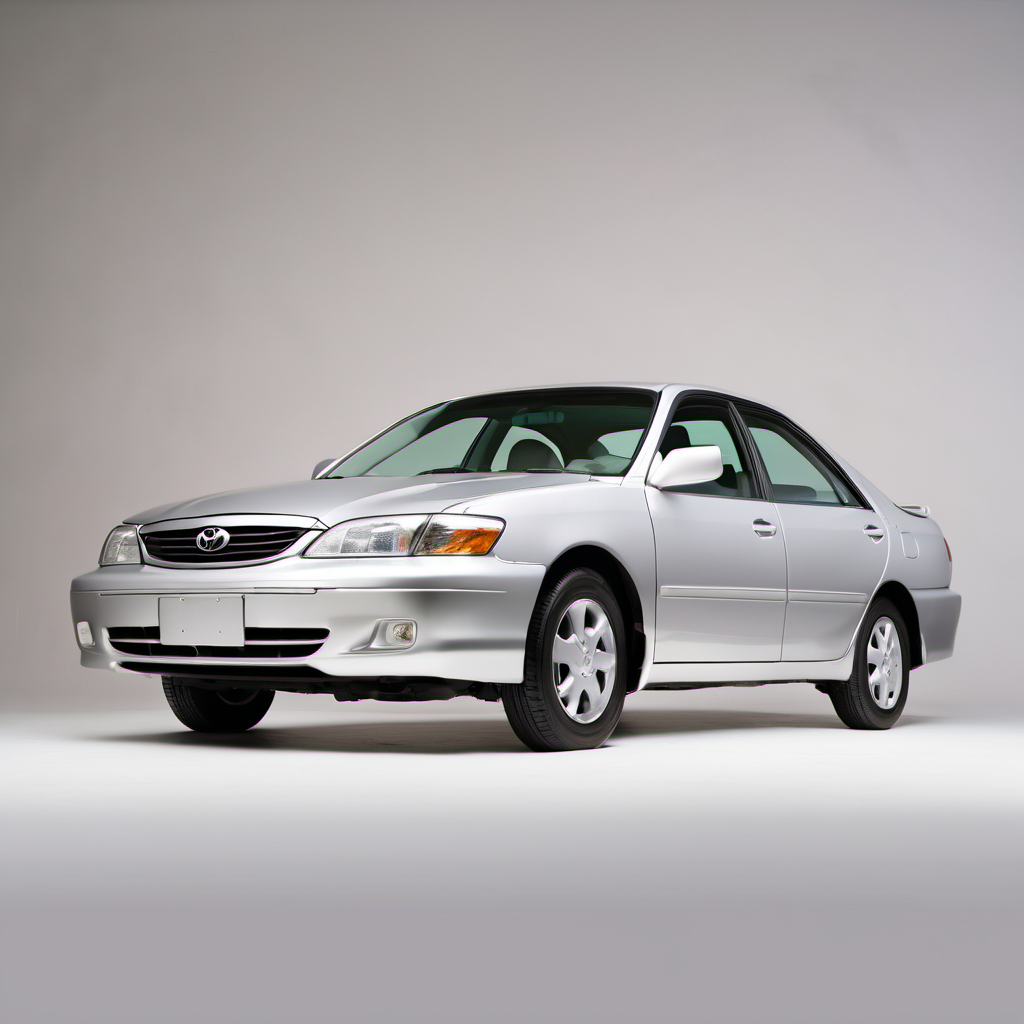
Direct segment competitor with similar reliability reputation, 2.2L or 3.0L engine options, and comparable ownership costs. Often trades at similar used prices.
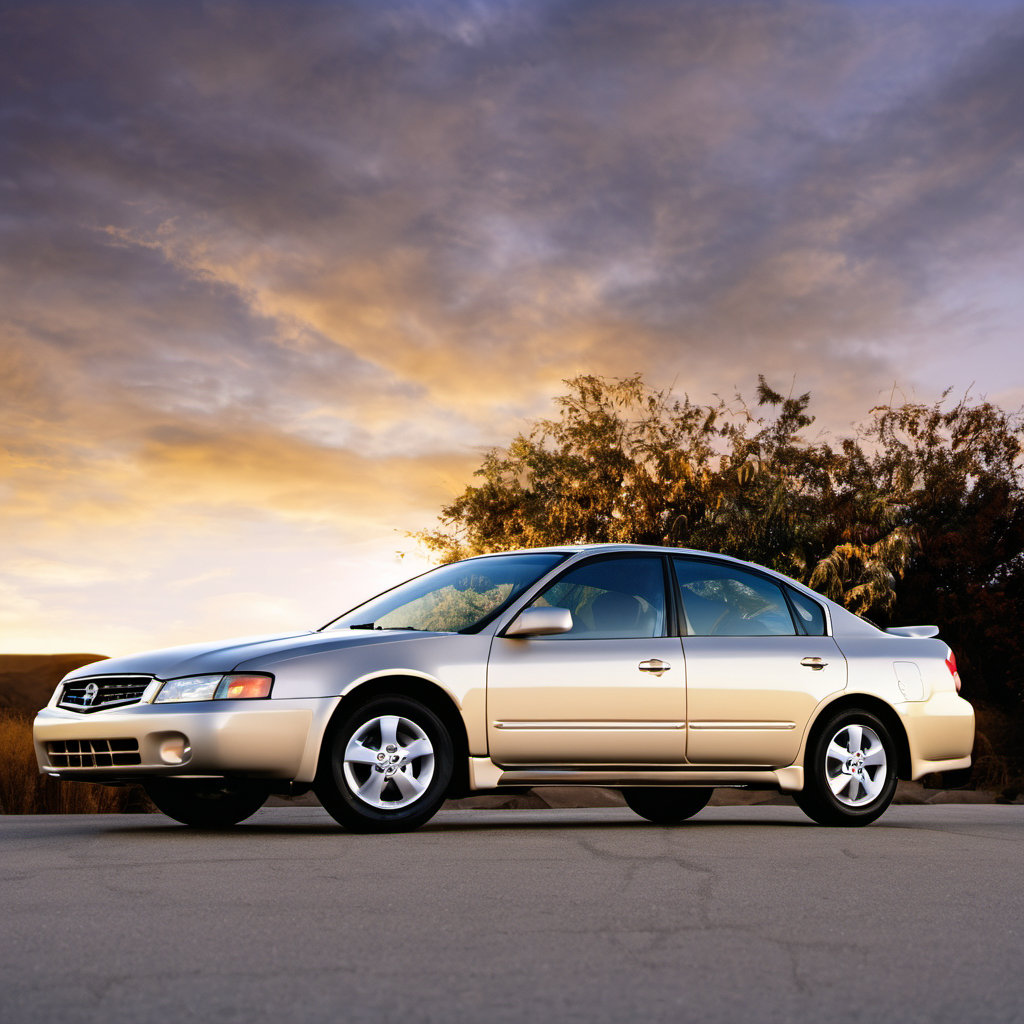
Same family-sedan segment, slightly smaller but similarly priced used. The KA24DE engine is durable though less refined than the F23A1.
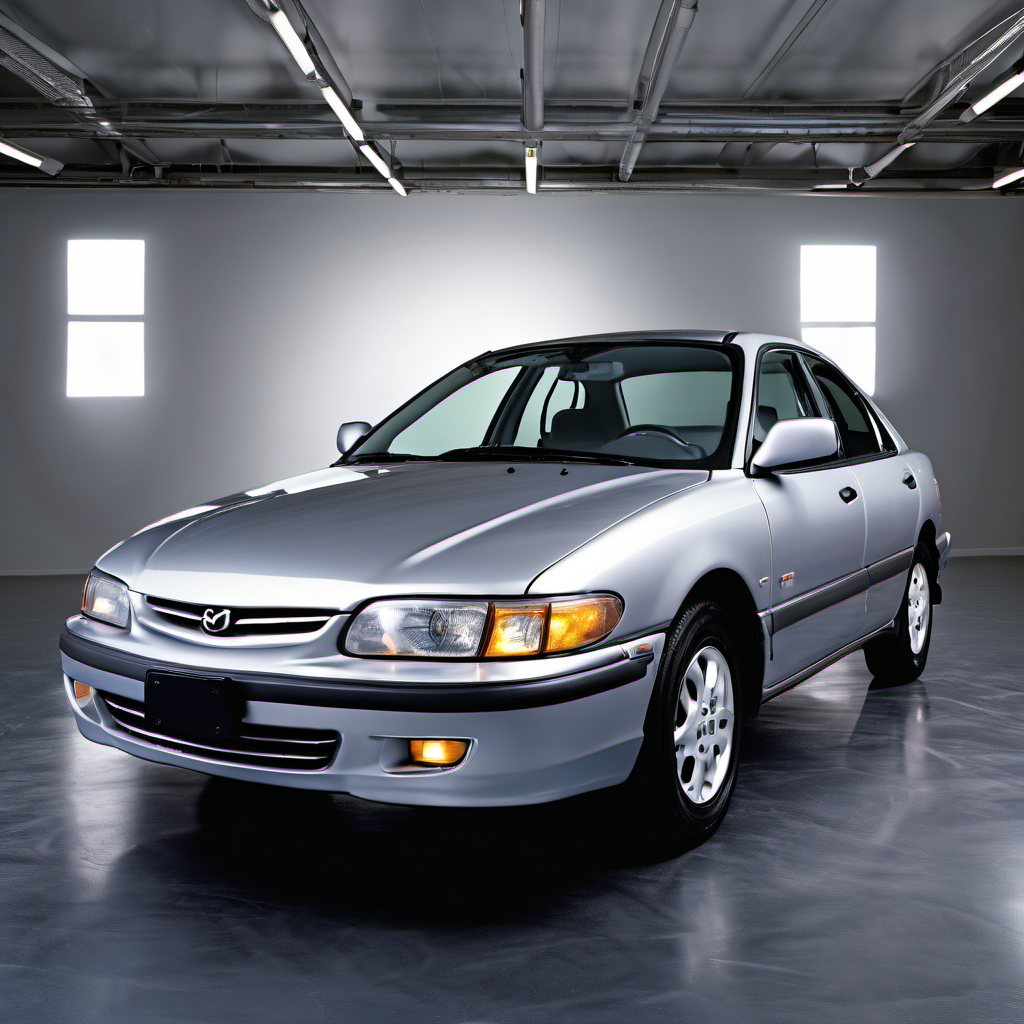
FWD family sedan with similar footprint and price point. Generally reliable but harder to find clean examples; automatic transmission is also a weak spot.
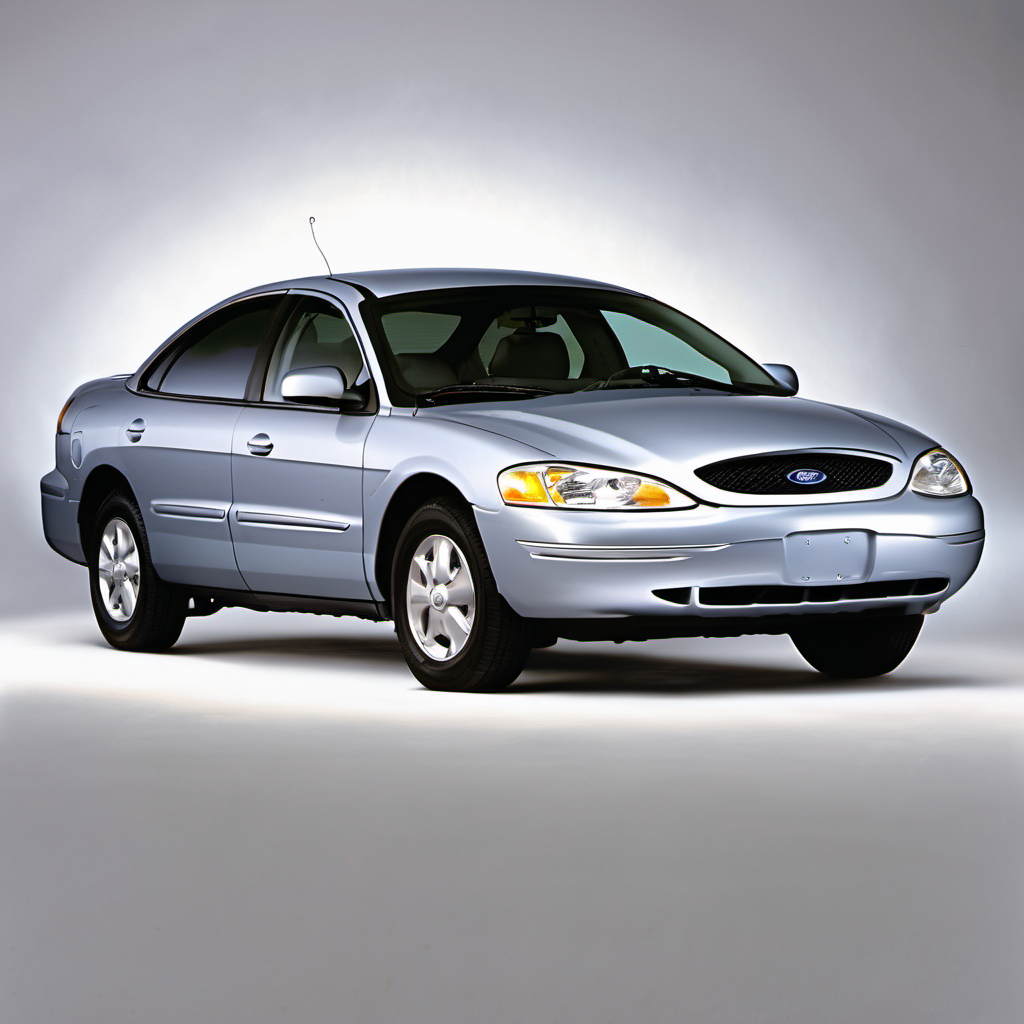
Larger cabin and lower used-market price, but the Vulcan V6 is less fuel-efficient and long-term reliability trails the Accord. Good if interior space is the priority.