Timing Belt Failure (Interference Engine)
high- Typically appears
- 90–105k mi (and every 90k thereafter)
- Estimated repair
- $500 – $850
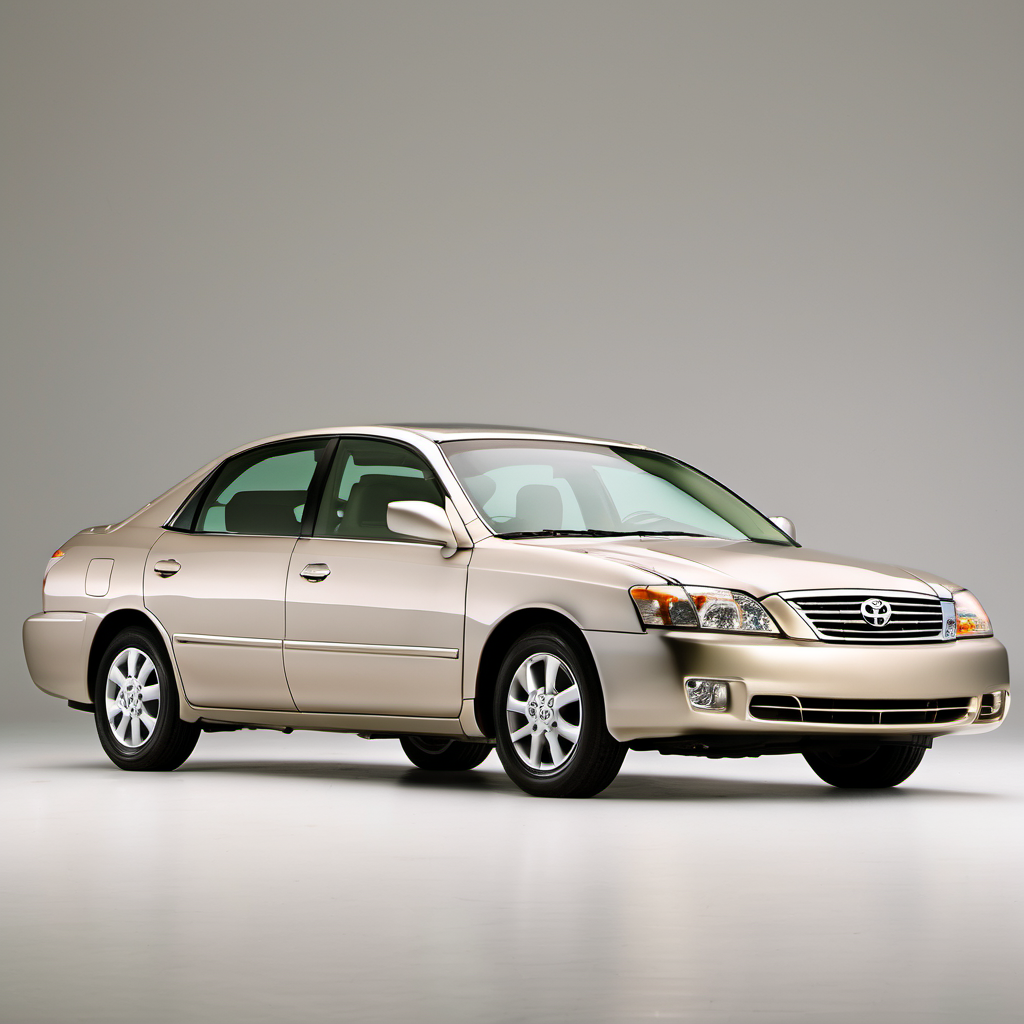
2000 Toyota
Sedan
The 2000 Toyota Avalon is a full-size, front-wheel-drive sedan built on Toyota's K-platform — the same bones as the Camry, but stretched and refined for near-luxury comfort. It slots above the Camry in Toyota's lineup, offering a spacious rear cabin that rivals some entry-level luxury sedans at a fraction of the price. This was the second generation of the Avalon (1995–1999 was the first), and by 2000 it had earned a reputation as a rock-solid, low-drama highway cruiser favored by buyers who wanted refinement without the premium badge markup. The 3.0L 1MZ-FE V6 under the hood is one of Toyota's most proven engines from this era — smooth, quiet, and durable when maintained properly. It pairs with a 4-speed automatic that shifts without fuss and rarely causes trouble. Fuel economy is reasonable for a full-size V6 sedan of its time. At 25+ years old, most surviving Avalons have high mileage, but that's actually a testament to the platform. Finding a clean, well-maintained example can still yield years of reliable transportation. The biggest enemies now are rust (especially here in the upper Midwest), deferred maintenance on the cooling system and timing belt, and age-related seal degradation.
The 2000 Toyota Avalon is a full-size, front-wheel-drive sedan built on Toyota's K-platform — the same bones as the Camry, but stretched and refined for near-luxury comfort. It slots above the Camry in Toyota's lineup, offering a spacious rear cabin that rivals some entry-level luxury sedans at a fraction of the price. This was the second generation of the Avalon (1995–1999 was the first), and by 2000 it had earned a reputation as a rock-solid, low-drama highway cruiser favored by buyers who wanted refinement without the premium badge markup. The 3.0L 1MZ-FE V6 under the hood is one of Toyota's most proven engines from this era — smooth, quiet, and durable when maintained properly. It pairs with a 4-speed automatic that shifts without fuss and rarely causes trouble. Fuel economy is reasonable for a full-size V6 sedan of its time. At 25+ years old, most surviving Avalons have high mileage, but that's actually a testament to the platform. Finding a clean, well-maintained example can still yield years of reliable transportation. The biggest enemies now are rust (especially here in the upper Midwest), deferred maintenance on the cooling system and timing belt, and age-related seal degradation.
This is a non-negotiable on the 1MZ-FE. It's an interference engine — a snapped belt will bend valves and cost you an engine. Replace the water pump at the same time since it's driven off the same belt; labor is already open.
The 1MZ-FE is prone to sludge buildup when oil changes are stretched past 7,500 miles. Stick to 5,000-mile intervals or less, especially if the vehicle sees a lot of short trips. Use the weight Toyota specifies (5W-30).
Toyota's long-life coolant degrades over time. Old coolant turns acidic and attacks the aluminum heads and water pump. A flush is cheap insurance against a very expensive head gasket job.
Toyota's U140E/U341E automatics from this era are durable, but they live longer with fresh fluid. Don't flush — drain and fill only. This is especially true on a used vehicle with unknown service history.
Brake fluid is hygroscopic — it absorbs moisture from the air over time, lowering its boiling point. On a 25-year-old vehicle, this is almost certainly overdue.
Belt and pulley bearings are age- and mileage-sensitive. A failed belt kills power steering, charging, and cooling all at once.
Lake Geneva road salt is hard on 25-year-old steel brake lines and subframe mounting points. Catching a pinhole in a brake line before it fails is the difference between a $200 repair and a dangerous roadside emergency.
The 1MZ-FE starts easily when healthy, but cold starts below 0°F expose any weakness in an aging battery. Load-test before November, not after you're stranded in January.
Always defer to the manufacturer's service manual for warranty-mandated intervals.
The 2000 Avalon is one of the more affordable full-size sedans to own on an ongoing basis. Routine maintenance is inexpensive, parts are plentiful and cheap, and independent shops can service everything without special tools. The big financial risk is deferred maintenance catching up — a neglected timing belt or sludged engine on a vehicle this old is often a total-loss situation given the car's market value. Keep up with oil changes and the belt, and annual costs stay very manageable.
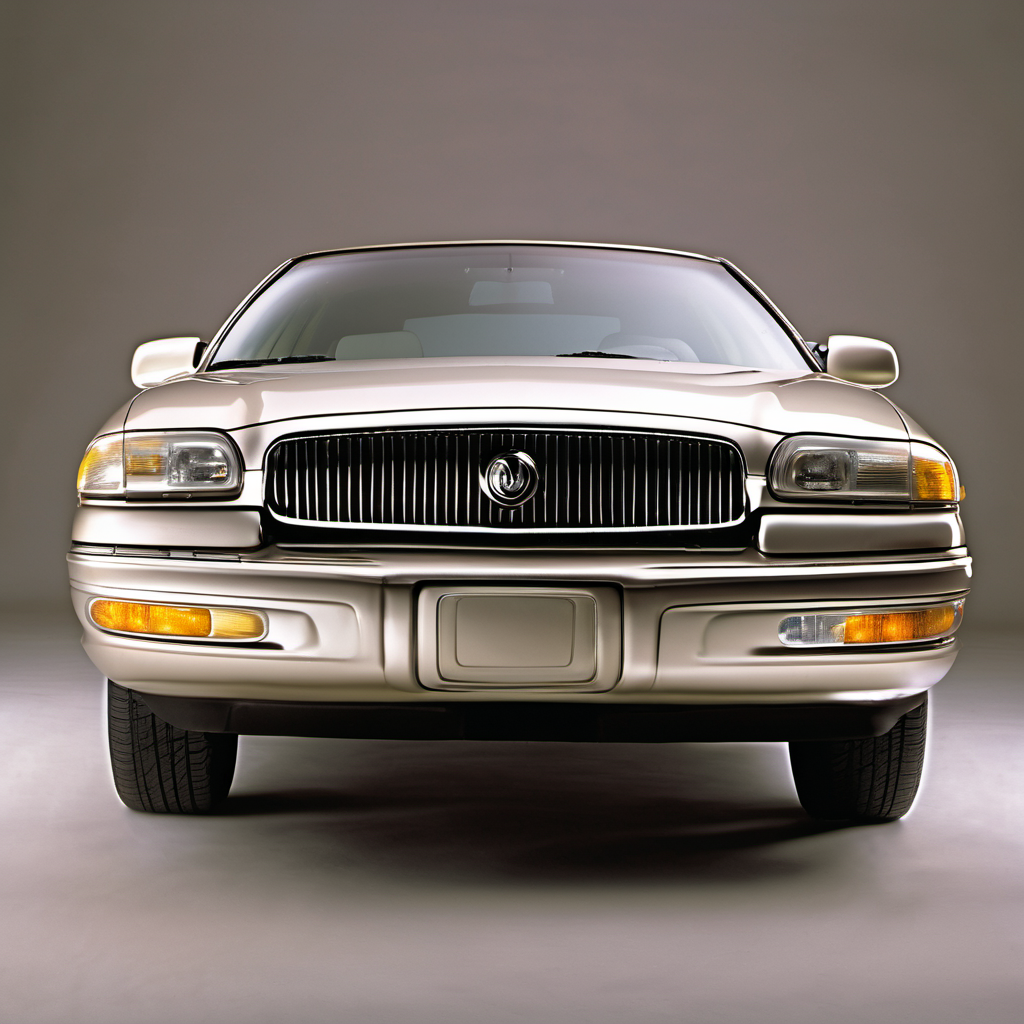
Same era, same mission — spacious FWD full-size sedan with a smooth V6, aimed at comfort-focused buyers. Often cheaper to buy but higher long-term repair costs than the Avalon.
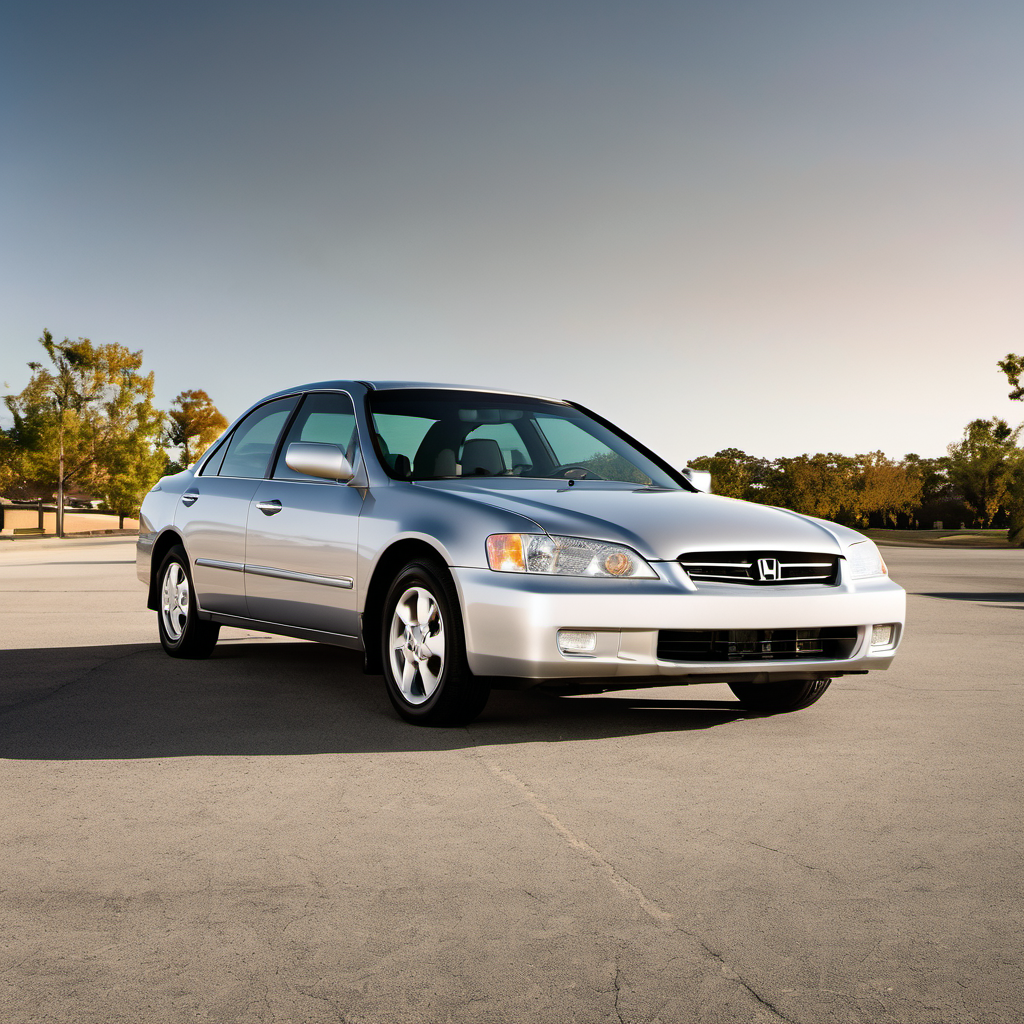
A step down in size but similar reliability pedigree and ownership costs. V6 Accord competes directly on performance; smaller rear seat is the main tradeoff.
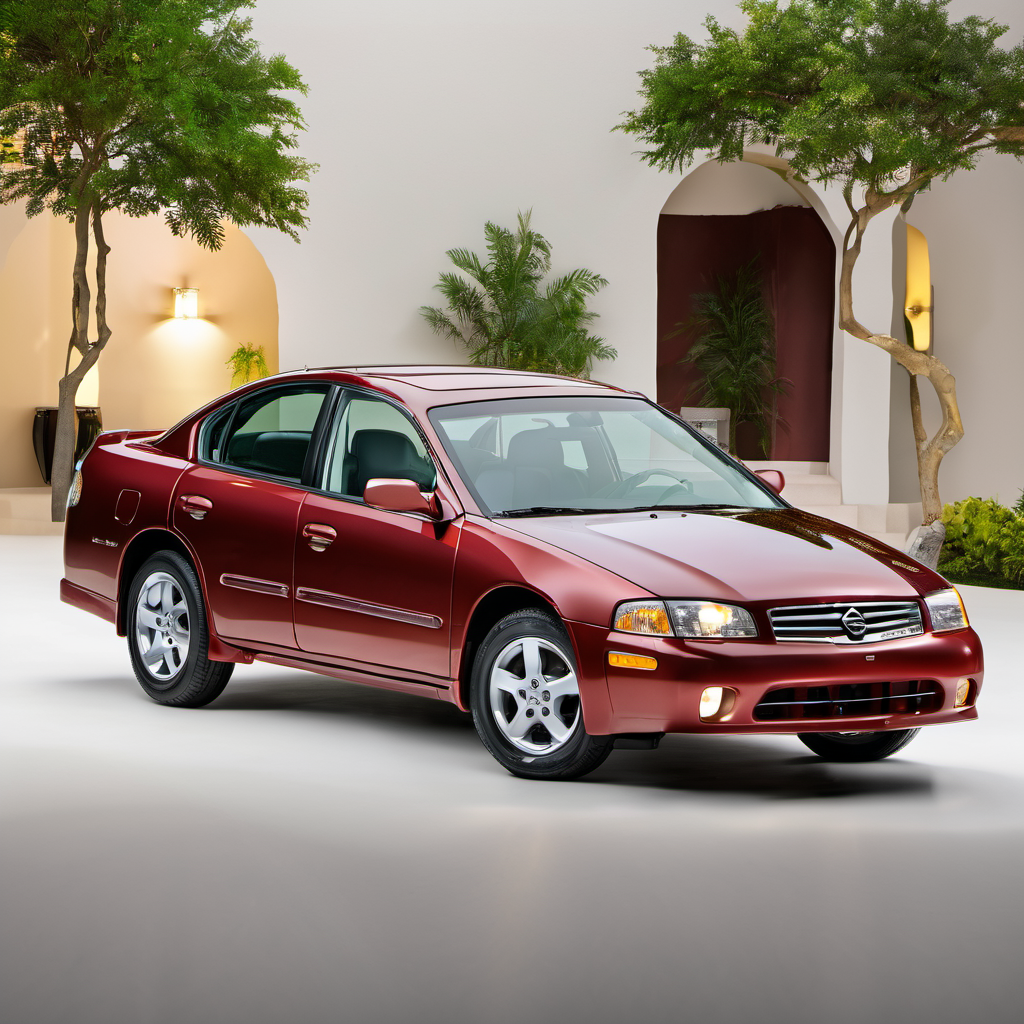
Sportier character with a similar 3.0L V6 and FWD layout. Less rear-seat room than the Avalon but more engaging to drive. Reliability is solid but trails Toyota slightly.
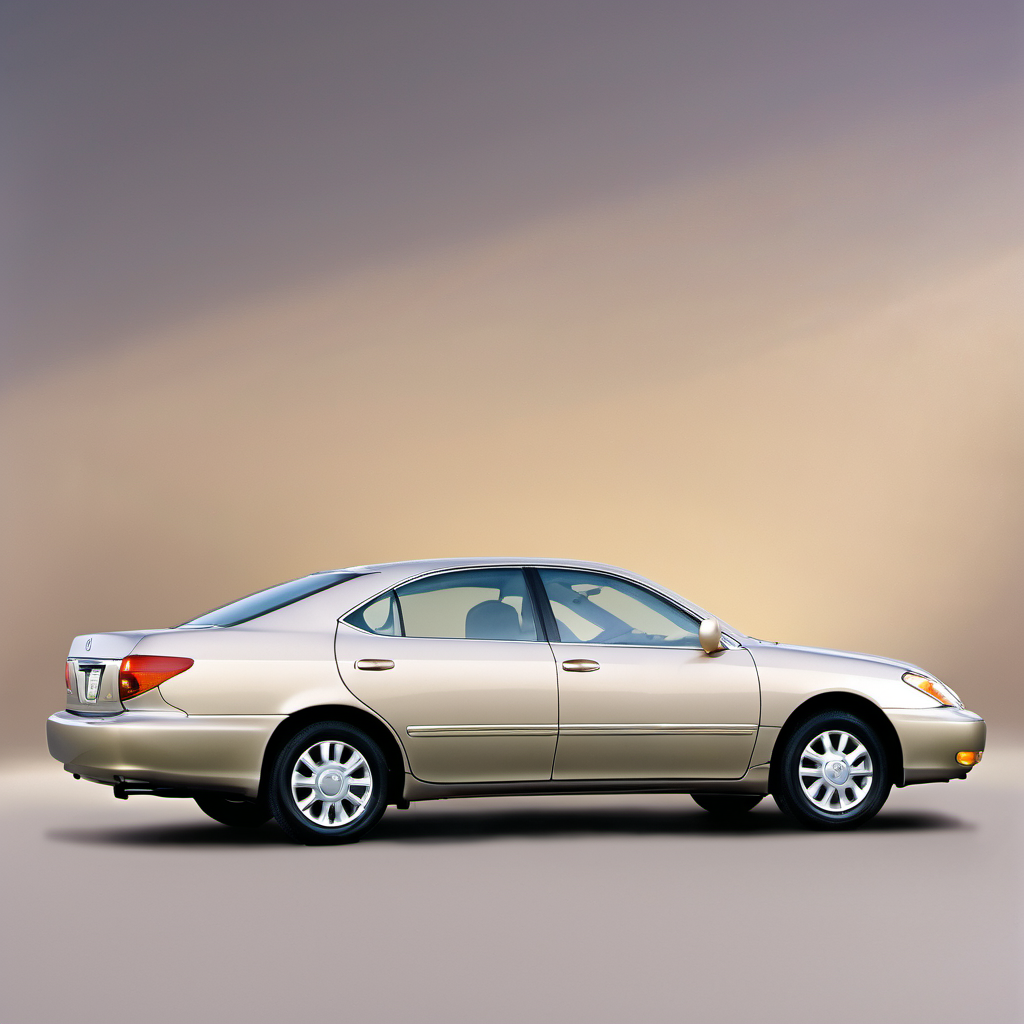
Literally shares the same 1MZ-FE engine and platform as the Avalon. The ES 300 adds a luxury badge and slightly nicer interior trim, but mechanically they are near-identical — and the Lexus commands a higher used price for essentially the same car.