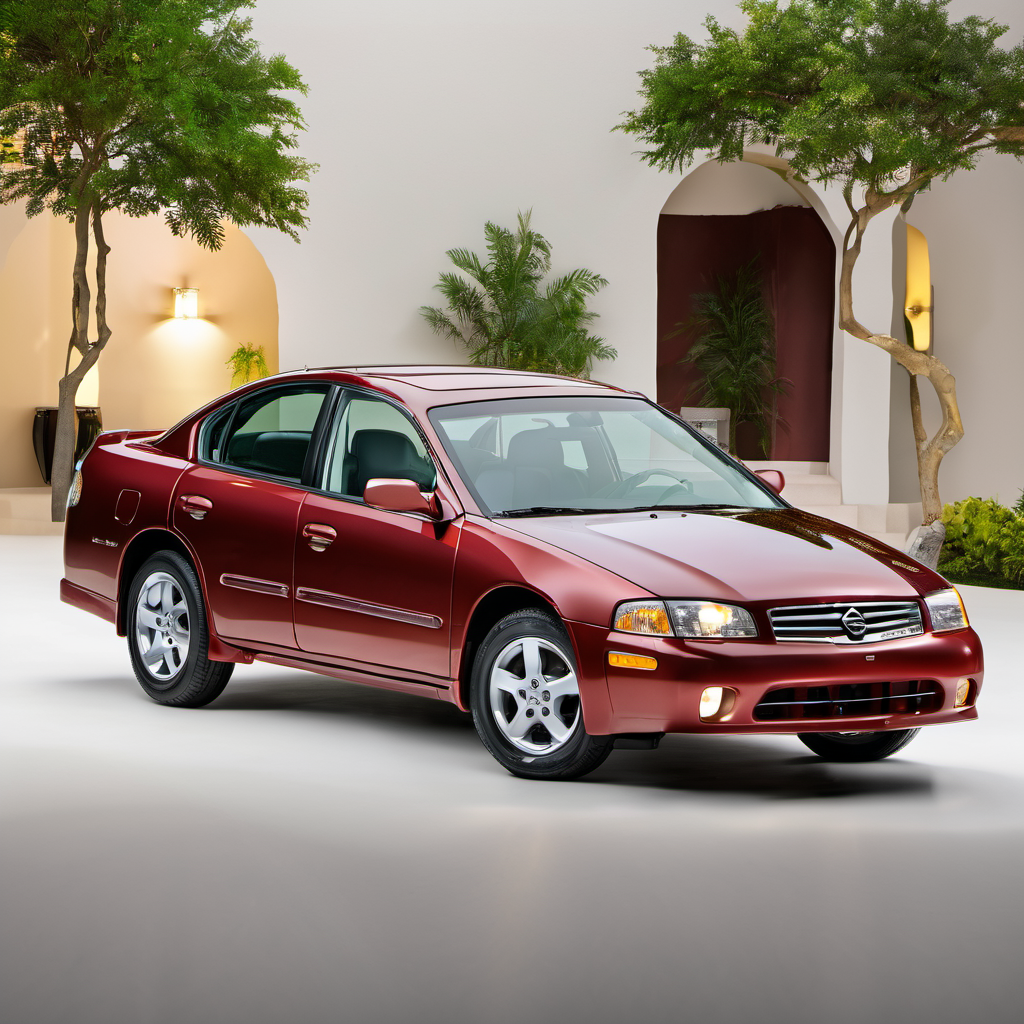
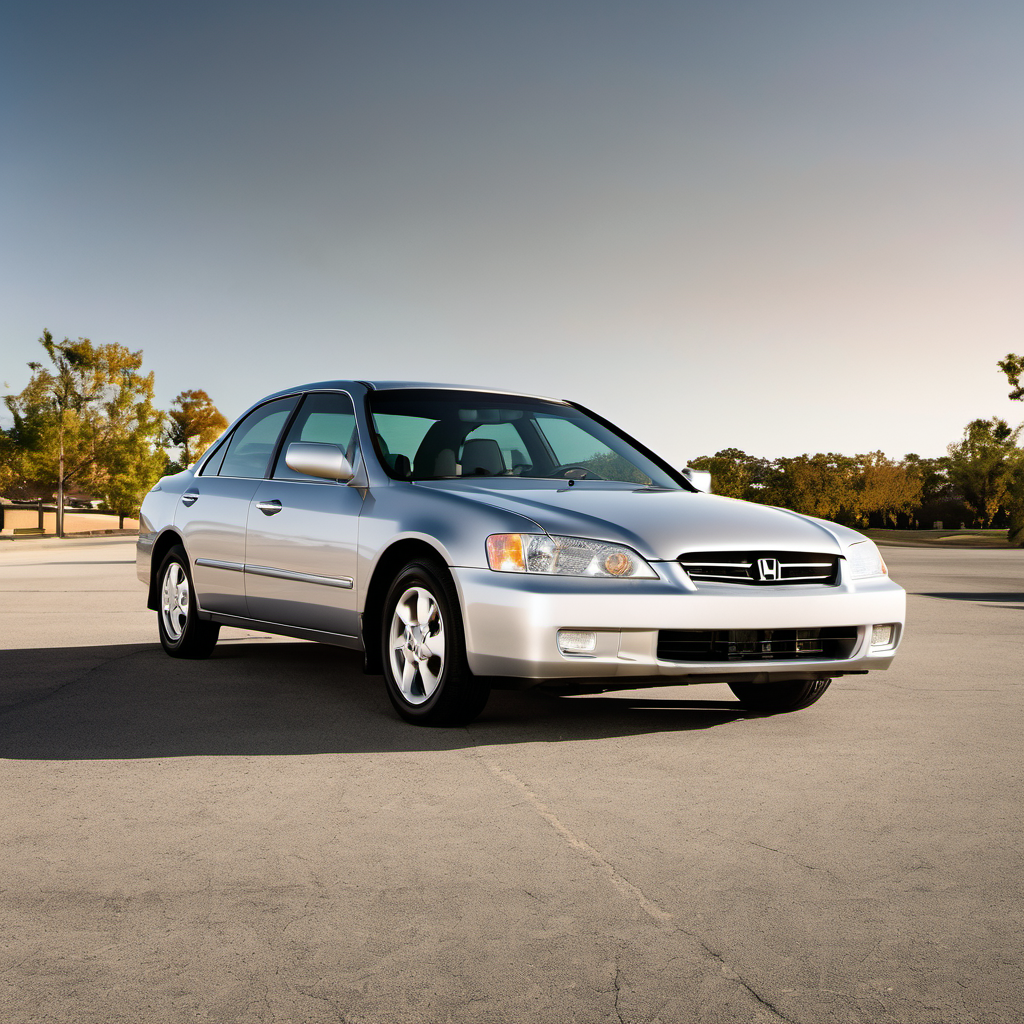
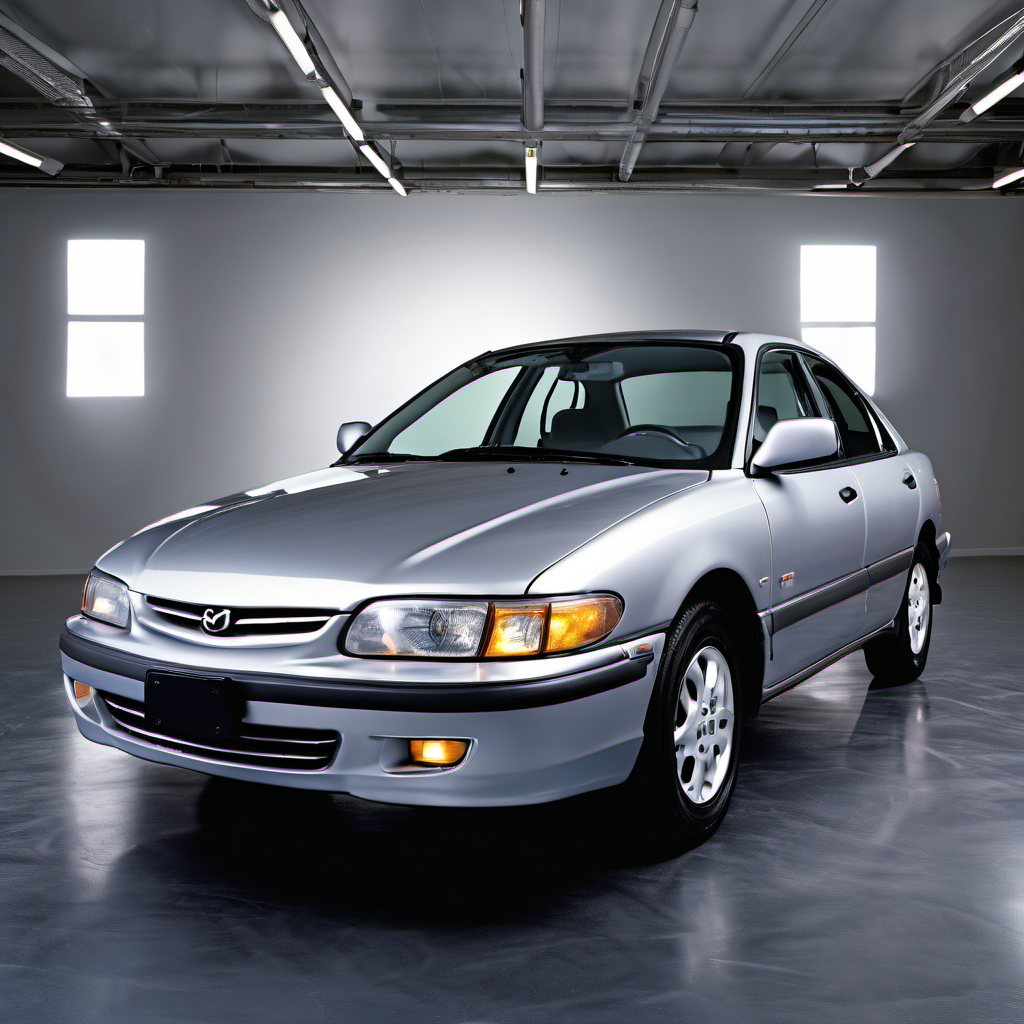
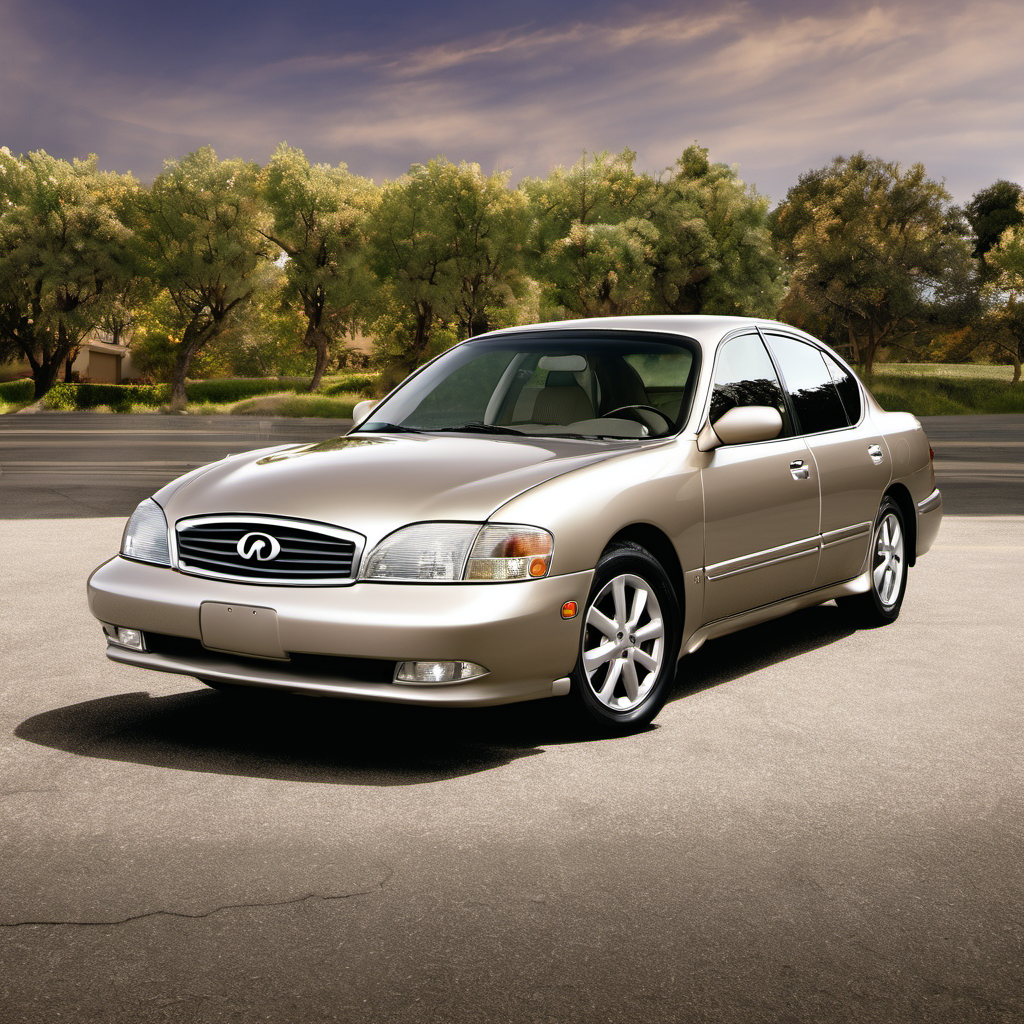
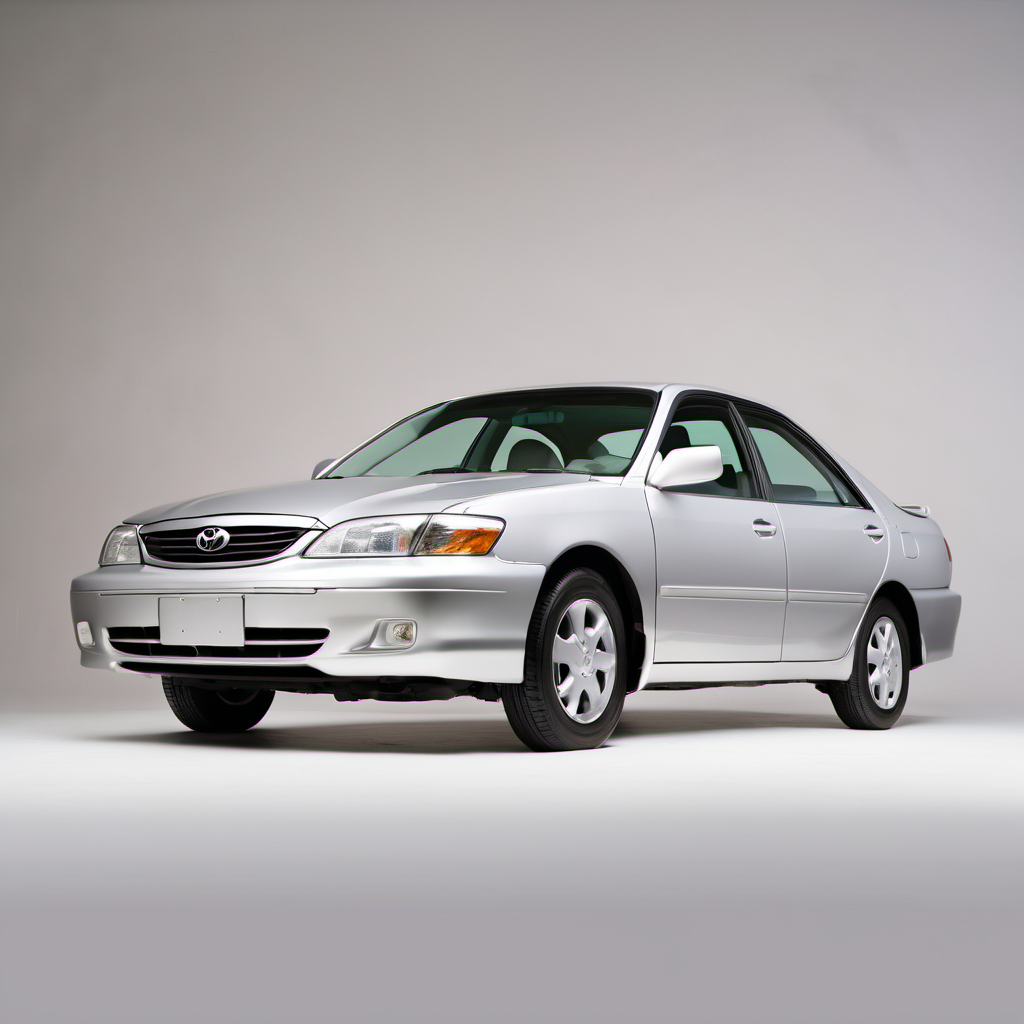
2000 Nissan Maxima Sedan

2000 Nissan

MaximaSedan

Sedan

The 2000 Nissan Maxima is a front-wheel-drive sport sedan powered by Nissan's proven 3.0L VQ30DE V6 — the same family of engines that earned multiple Ward's 10 Best Engine awards throughout the 1990s and 2000s. This fifth-generation Maxima (A33 platform) hit a sweet spot between genuine driving engagement and everyday practicality, earning its 'four-door sports car' tagline with a willing engine and a chassis tuned noticeably firmer than most family sedans of the era. By 2000 these cars are well past the quarter-century mark, so condition and maintenance history matter far more than anything else. A well-kept example with documented oil changes can still be a reliable daily driver; a neglected one can turn into a money pit quickly. Parts availability is generally good and independent-shop labor is straightforward. For buyers in the Lake Geneva area, the biggest threats to a high-mileage example are rust (these fifth-gens are susceptible to subframe and rocker corrosion from Wisconsin road salt) and age-related cooling and fuel system wear. Budget accordingly and inspect underneath before you buy.

Reliability
3/5
Verified data
Specs shown for Maxima — the most common configuration. Other trims may vary in engine, drivetrain, or fuel economy. Sign in to see your vehicle's exact specs.
Engine
[object Object]
Drivetrain
FWD
Fuel
Gasoline
MPG
18 city / 26 hwy / 20 combined
Seats
Doors
Body
Midsize Cars

Overview

AI-curated

The 2000 Nissan Maxima is a front-wheel-drive sport sedan powered by Nissan's proven 3.0L VQ30DE V6 — the same family of engines that earned multiple Ward's 10 Best Engine awards throughout the 1990s and 2000s. This fifth-generation Maxima (A33 platform) hit a sweet spot between genuine driving engagement and everyday practicality, earning its 'four-door sports car' tagline with a willing engine and a chassis tuned noticeably firmer than most family sedans of the era. By 2000 these cars are well past the quarter-century mark, so condition and maintenance history matter far more than anything else. A well-kept example with documented oil changes can still be a reliable daily driver; a neglected one can turn into a money pit quickly. Parts availability is generally good and independent-shop labor is straightforward. For buyers in the Lake Geneva area, the biggest threats to a high-mileage example are rust (these fifth-gens are susceptible to subframe and rocker corrosion from Wisconsin road salt) and age-related cooling and fuel system wear. Budget accordingly and inspect underneath before you buy.

Known for
  • VQ30DE V6 — one of the best engines of its era
  • Sport-tuned suspension with genuinely fun handling
  • Roomy interior with above-average build quality for the price
  • Strong acceleration for a family sedan (190–200 hp)
Best for
  • Drivers who want a sporty feel without a sports car price
  • Budget-conscious buyers who can wrench or have a trusted shop
  • High-mileage highway commuters (VQ engine rewards it)
Watch for
  • Rust on subframe, rear trailing arms, and rocker panels — critical in Wisconsin
  • Neglected coolant system leading to head gasket stress
  • Timing chain tensioner wear on high-mileage examples
  • Age-deteriorated rubber: bushings, hoses, fuel lines

Common issues by mileage

6 known

Timing chain tensioner wear / rattle on cold start

medium
Typically appears
100–180k mi
Estimated repair
$400 – $900

Crankshaft and camshaft position sensor failure

medium
Typically appears
80–150k mi
Estimated repair
$150 – $350

Coolant system failure (thermostat, radiator, hoses) leading to overheating

high
Typically appears
80k+ mi
Estimated repair
$200 – $800

Intake valve control solenoid (VIAS) malfunction

medium
Typically appears
100–160k mi
Estimated repair
$150 – $400

Oxygen sensor / heated O2 sensor heater circuit failure

high
Typically appears
80–150k mi
Estimated repair
$120 – $300

Subframe and rear suspension rust / corrosion (Wisconsin salt)

high
Typically appears
Any mileage on un-garaged cars
Estimated repair
$500 – $2,500

Maintenance schedule

  1. 1
    Every 5,000 mi or 6 months Engine oil and filter change

    The VQ30DE's timing chain tensioners depend on clean, full-pressure oil. Sludge buildup from extended intervals is the number-one killer of these engines at high mileage.

  2. 2
    Every 30,000 mi or 2 years Coolant flush and refill (Nissan-spec or compatible OAT coolant)

    Degraded coolant accelerates corrosion inside the aluminum heads and radiator. On a 25-year-old car, replace hoses at the same time — they're cheap insurance.

  3. 3
    Every 60,000 mi Spark plugs (platinum or iridium)

    Rear bank plugs on the VQ are a tight reach; skipping intervals means they seize and break during the next change, turning a $150 job into a $500+ one.

  4. 4
    Every 30,000 mi Transmission fluid change (automatic)

    Nissan's RE4F04A automatic is durable but hates degraded fluid. Most used examples have no service history on this — do it immediately if unknown.

  5. 5
    Every 2 years Brake fluid flush

    Brake fluid absorbs moisture over time. On a car this age, old fluid raises boiling point concerns and accelerates caliper and ABS hardware corrosion.

  6. 6
    Every fall Inspect and lubricate door, hood, and trunk hinges + rubber seals

    Wisconsin winters dry out seals and cause hinges to rust. Cracked seals let water into the cabin and trunk; treat them before freeze-thaw cycling makes it worse.

  7. 7
    Every spring after winter Underbody inspection for rust (subframe, trailing arms, fuel lines, brake lines)

    Lake Geneva roads get heavy salt. The A33 Maxima subframe and rear trailing arm mounts are known rust points — catch it before it becomes a safety issue or a scrap-it decision.

  8. 8
    Every 15,000 mi or 1 year Air filter and PCV valve inspection

    A clogged PCV valve pushes crankcase pressure into the intake system, promoting oil sludge and vacuum leaks on a high-mileage VQ.

Always defer to the manufacturer's service manual for warranty-mandated intervals.

Cost of ownership

Annual maintenance
$600 – $1,500
Fuel
At 20 MPG combined and ~12,000 mi/yr, expect roughly $1,400–$1,700/yr at current Midwest gas prices (~$3.20–$3.80/gal).
Insurance
Typically low — liability and comp/collision on a 25-year-old car in the $25k–$30k/yr income bracket runs roughly $600–$1,000/yr depending on your record and coverage level.

This is an inexpensive car to insure and fuel, but at 25 years old, deferred maintenance catches up fast. Budget $800–$1,200 upfront for a thorough inspection and catch-up service on any unknown-history example. Annual maintenance stays modest ($600–$1,000) if the car is solid; an example with rust or coolant neglect can easily run $1,500–$2,500 in a single repair year.
Seasonal care

Lake Geneva, WI
Winter
  • Test and replace the battery if it's over 3 years old — cold cranking a VQ6 in sub-zero temps on a weak battery causes hard starts and can leave you stranded.
  • Switch to a 5W-30 full synthetic if you're still on conventional oil; it flows better at Wisconsin cold-start temperatures and protects the timing chain tensioners immediately on startup.
  • Inspect rubber brake lines and steel brake/fuel lines underneath for salt corrosion and pitting — these are safety items, not cosmetic ones.
  • Use a winter-rated washer fluid (good to at least -20°F); the reservoir and pump on this car are under the hood where they're exposed to splash.
  • Install winter wiper blades and check that the rear defroster works — the defroster grid on these ages and develops breaks.
  • Rinse the undercarriage every 1–2 weeks during heavy salt season, paying attention to the subframe mounts and wheel wells.
Summer
  • Check coolant level and inspect the radiator cap seal — heat soak on a 25-year-old cooling system can push a borderline thermostat or hose over the edge.
  • Inspect the A/C system for refrigerant leaks and verify the cabin filter (if equipped) is not clogged; the evaporator on older Maximas can develop slow leaks.
  • Check tire pressure monthly — ambient temperature swings of 40°F+ between winter lows and July highs can shift pressure by 5–6 PSI, affecting handling and wear.
  • Inspect serpentine belt and tensioner for cracking or glazing; summer heat accelerates belt degradation on high-mileage examples.

Comparable vehicles

If you're shopping for one

Red flags
  • Any subframe rust that has eaten through the metal or compromised mounting points — walk away.
  • Coolant that looks brown, milky, or smells of exhaust — likely head gasket issue.
  • Cold-start timing chain rattle that doesn't clear within 10 seconds.
  • Rust-through on rocker panels or floor pan visible from inside the cabin.
  • No maintenance records whatsoever on a car this age.
  • Automatic transmission that slips, hunts between gears, or has a burnt fluid smell.
What to inspect
  • Lift the car and inspect the subframe, rear trailing arm mounting points, rocker panels, and floor seams for rust — on Wisconsin cars this is the single most important check.
  • Start the engine cold and listen for timing chain rattle in the first 5–10 seconds; a ticking or rattling noise that fades is a tensioner warning.
  • Check coolant for milky or oily contamination — a sign of head gasket seepage.
  • Verify the transmission shifts smoothly through all gears and doesn't slip or shudder on a warm test drive.
  • Inspect all rubber: coolant hoses, vacuum lines, CV axle boots, and engine mounts — on a 25-year-old car these are often original.
  • Check for oil leaks at the valve cover gaskets and around the front crankshaft seal.
AI profile generated 11 days ago · claude-sonnet-4-6 · v2.