Lower Intake Manifold Gasket Leak
high- Typically appears
- 60–120k mi
- Estimated repair
- $350 – $650
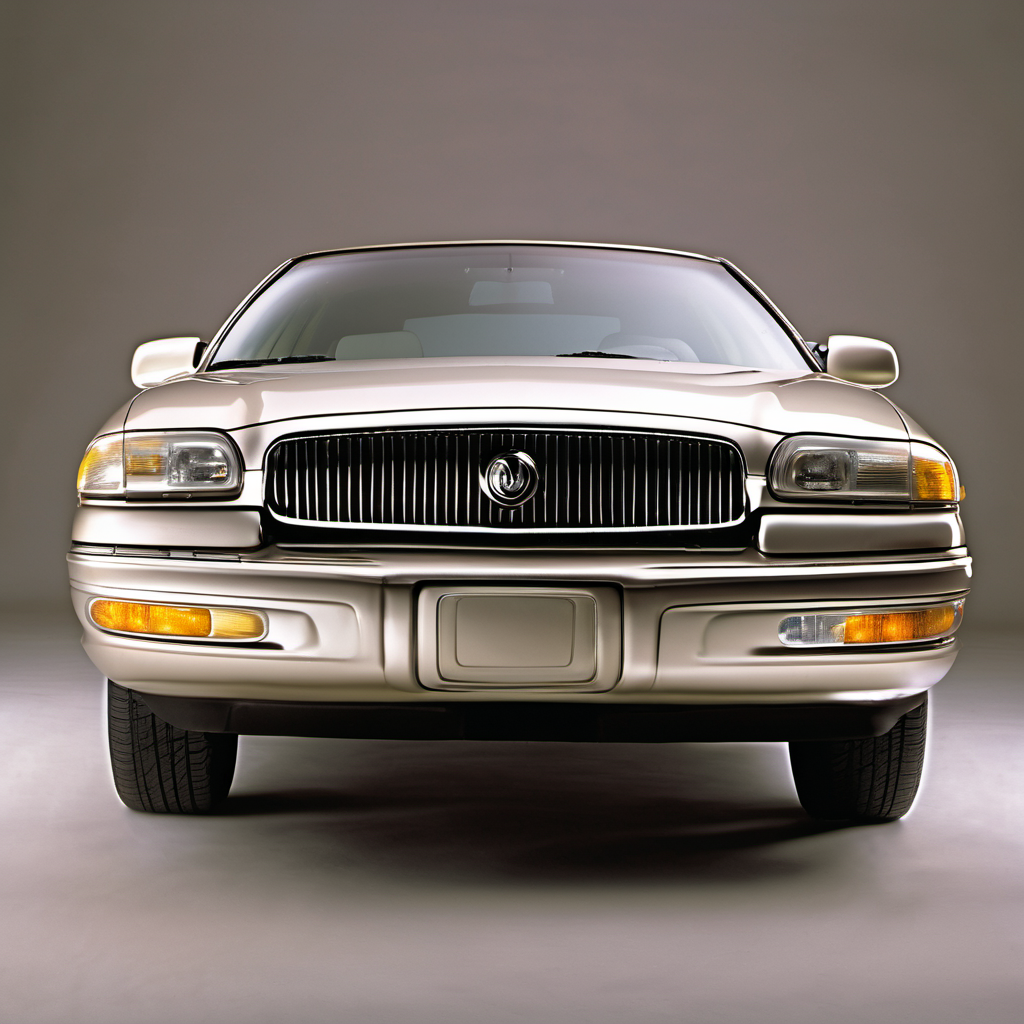
2000 Buick
Sedan
The 2000 Buick LeSabre is a full-size front-wheel-drive sedan built on GM's H-body platform, sharing its bones with the Pontiac Bonneville and Oldsmobile Eighty-Eight. It was one of GM's highest-volume sellers at the time, aimed squarely at comfort-minded buyers who wanted a quiet, roomy, American-style cruiser at a sensible price. Power comes exclusively from GM's venerable 3800 Series II V6 — one of the most durable engines ever put in a domestic car. The LeSabre earns its reputation the old-fashioned way: it's simple, it's tough, and it just keeps running. The 3800 V6 is not exotic — there's no variable valve timing, no turbo, no dual-clutch anything — which means a competent independent shop can fix it for reasonable money. Highway fuel economy in the upper 20s is genuinely good for a car this size. By 2000, Buick had refined the LeSabre to a high degree. Ride quality is excellent, the interior is spacious for four adults, and the trunk is cavernous. It's not a driver's car — it's a go-somewhere-comfortably car, and it does that job very well for the money.
The 2000 Buick LeSabre is a full-size front-wheel-drive sedan built on GM's H-body platform, sharing its bones with the Pontiac Bonneville and Oldsmobile Eighty-Eight. It was one of GM's highest-volume sellers at the time, aimed squarely at comfort-minded buyers who wanted a quiet, roomy, American-style cruiser at a sensible price. Power comes exclusively from GM's venerable 3800 Series II V6 — one of the most durable engines ever put in a domestic car. The LeSabre earns its reputation the old-fashioned way: it's simple, it's tough, and it just keeps running. The 3800 V6 is not exotic — there's no variable valve timing, no turbo, no dual-clutch anything — which means a competent independent shop can fix it for reasonable money. Highway fuel economy in the upper 20s is genuinely good for a car this size. By 2000, Buick had refined the LeSabre to a high degree. Ride quality is excellent, the interior is spacious for four adults, and the trunk is cavernous. It's not a driver's car — it's a go-somewhere-comfortably car, and it does that job very well for the money.
The 3800 Series II is durable but is sensitive to sludge from extended drain intervals. Fresh oil is the single best investment you can make in this engine's longevity.
Degraded coolant accelerates corrosion on the plastic intake manifold gaskets and coolant crossover pipes — the LeSabre's most common failure points. Use GM-spec DEX-COOL and replace it on schedule.
GM listed this as a 'lifetime' fill, but real-world experience shows neglected fluid causes shift solenoid and clutch pack failures well before 150k. Change it.
The 3800 drives all accessories off one belt. A sudden belt failure leaves you stranded with no power steering, no alternator, and no water pump.
Worn plugs and deteriorated wires cause misfires and rough idle on the 3800. This is a straightforward DIY or inexpensive shop job.
Wisconsin road salt accelerates corrosion in brake lines and calipers. Fresh fluid with a lower moisture content reduces internal corrosion risk.
Lake Geneva roads are heavily salted. The LeSabre's steel brake and fuel lines are vulnerable. Catching surface rust early is far cheaper than a brake line rupture.
Cold cranking amps drop sharply in sub-zero temperatures. A 3–4 year old battery that passes a voltage test can still fail a load test and leave you stranded in January.
Always defer to the manufacturer's service manual for warranty-mandated intervals.
The LeSabre is one of the cheapest full-size sedans to own on a year-to-year basis. Parts are cheap and widely available, any shop can work on a 3800 V6, and labor time is low for most common jobs. The main budget wildcard is the intake manifold gasket — if that hasn't been done yet on a high-mileage car, budget for it upfront. Otherwise, routine costs are well below average for the segment.
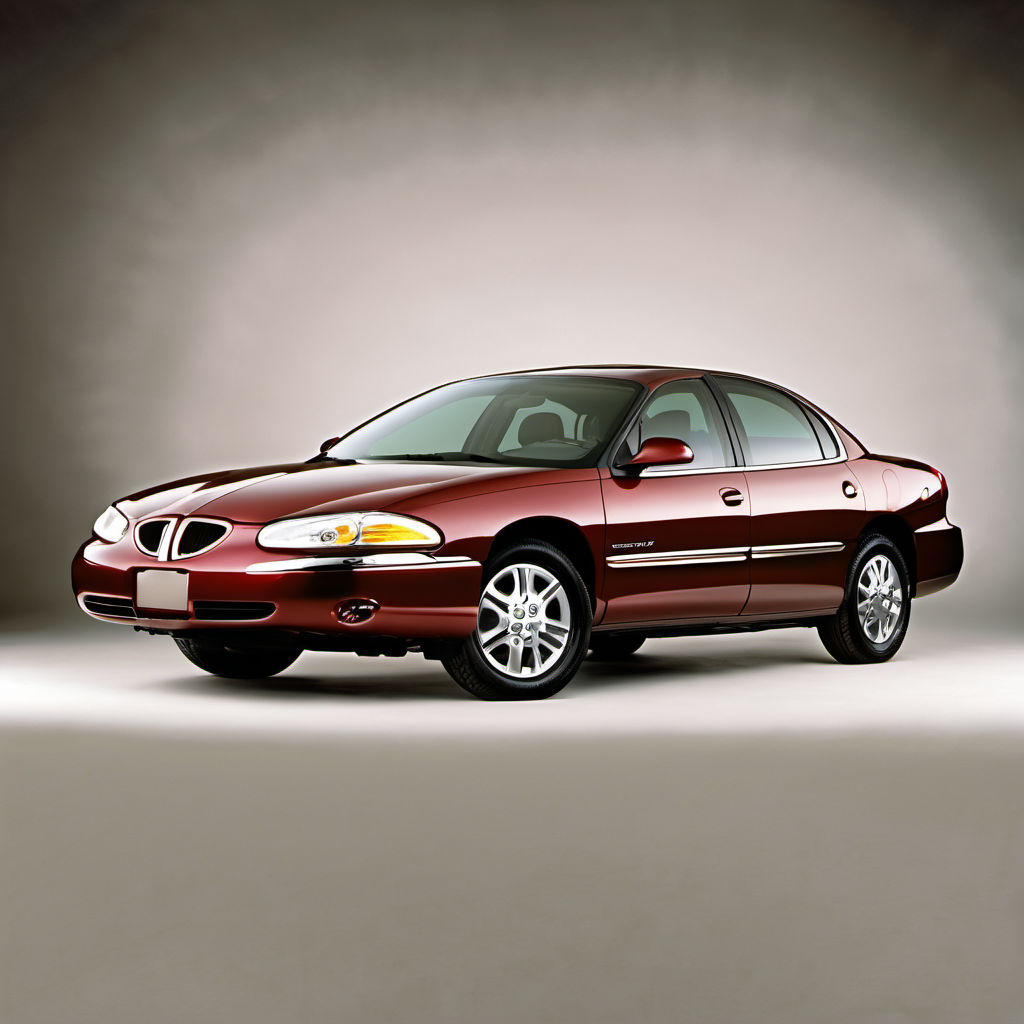
Shares the GM H-body platform and 3800 V6 with the LeSabre but with a sportier suspension tune and more aggressive styling. Nearly identical ownership costs.

RWD full-size alternative with an equally proven 4.6L V8. Arguably even simpler to maintain, with an enormous parts supply from police fleet use. Better for towing, worse on fuel.
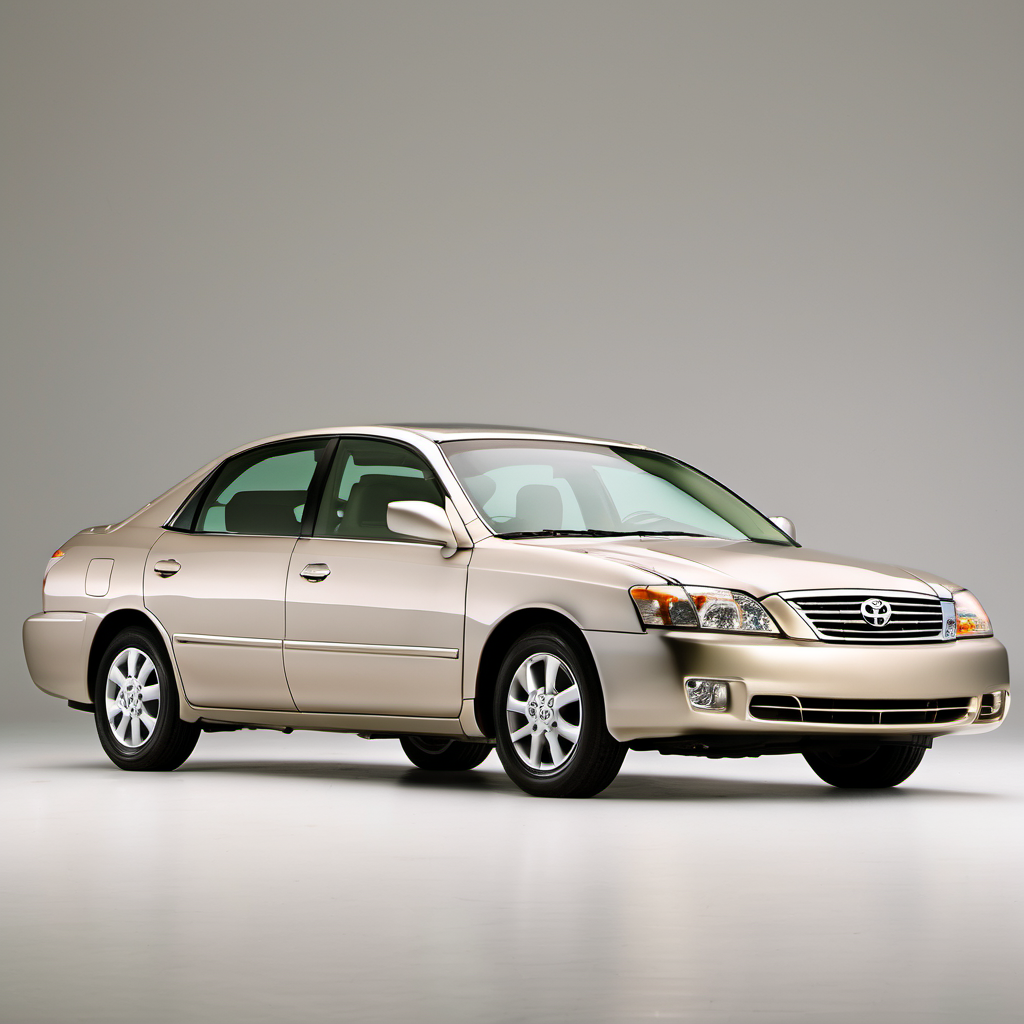
FWD full-size sedan with comparable comfort and interior space. The 3.0L V6 is highly reliable, though parts and repair costs run slightly higher than the LeSabre.
Near-identical twin to the LeSabre on the same platform with the same 3800 engine. Often priced slightly lower on the used market due to brand discontinuation.
No catalog match