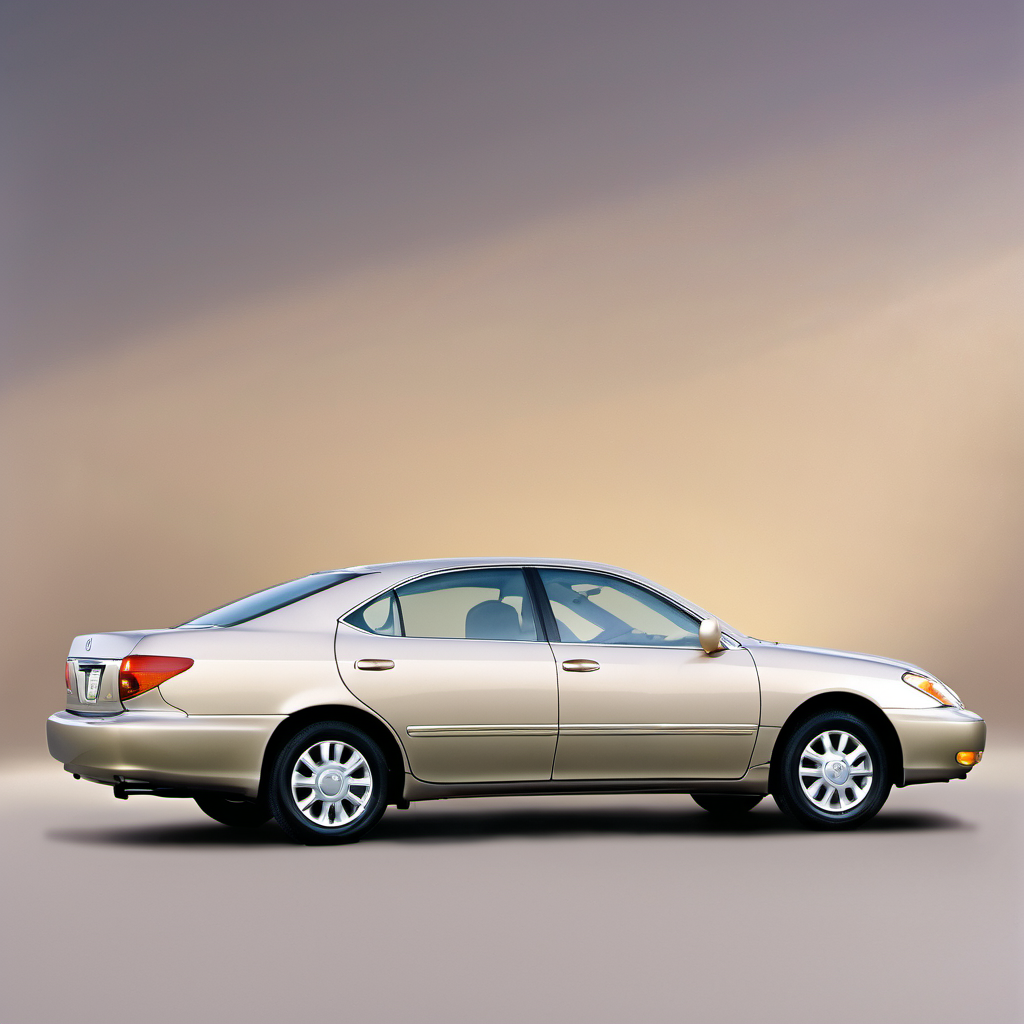
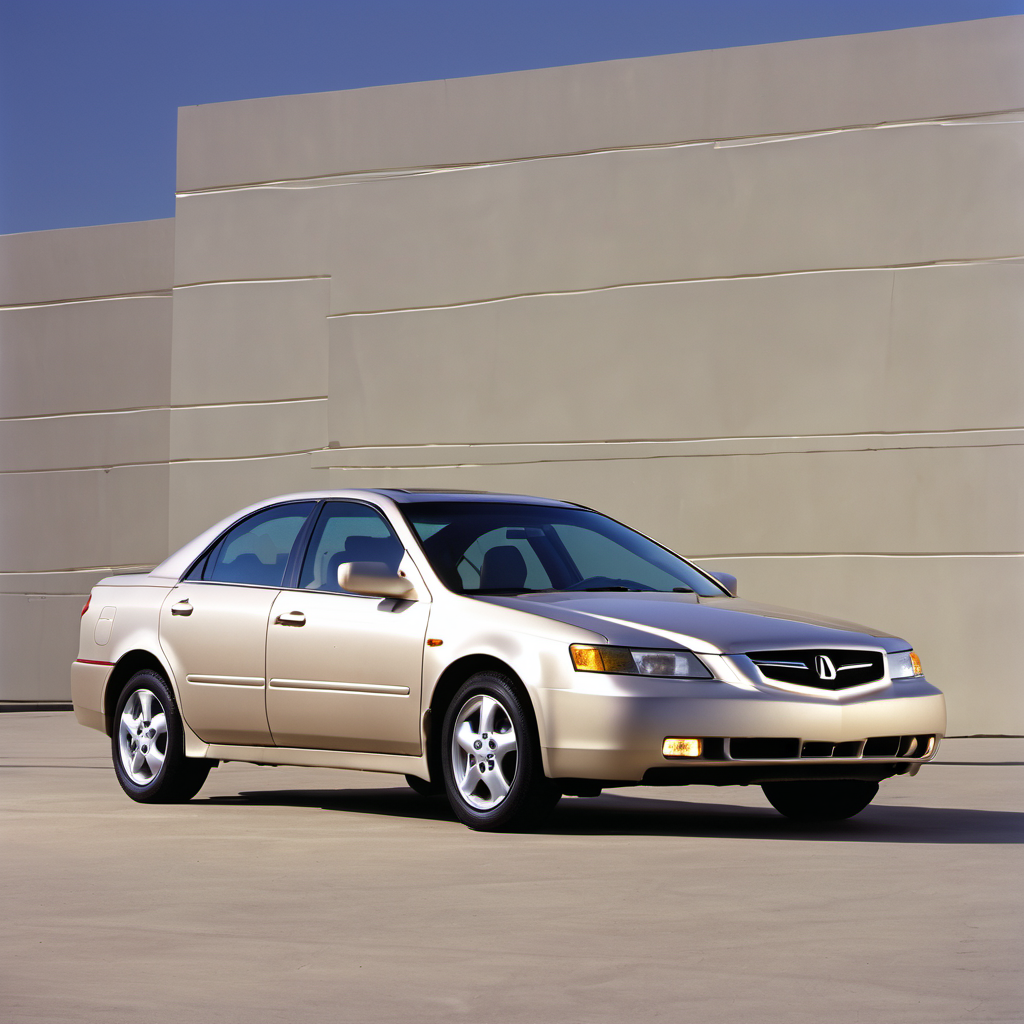
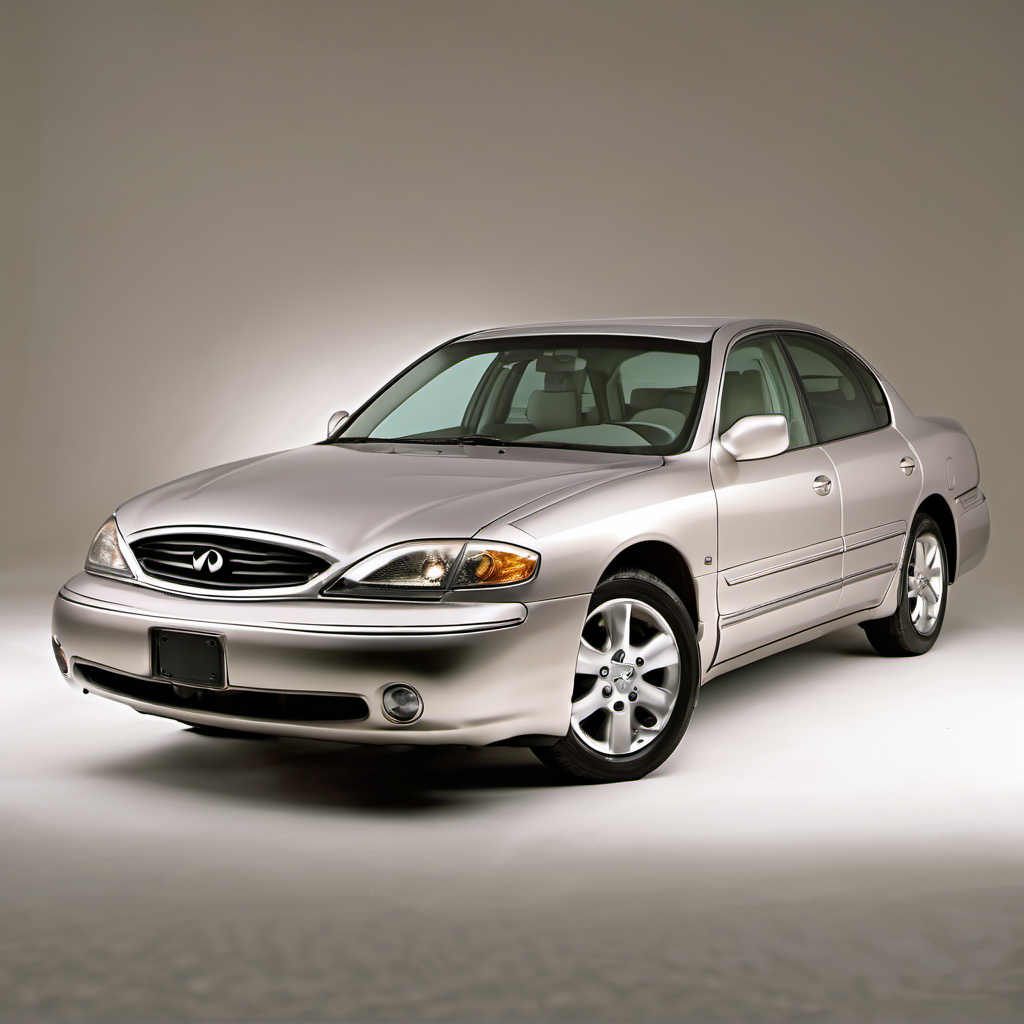
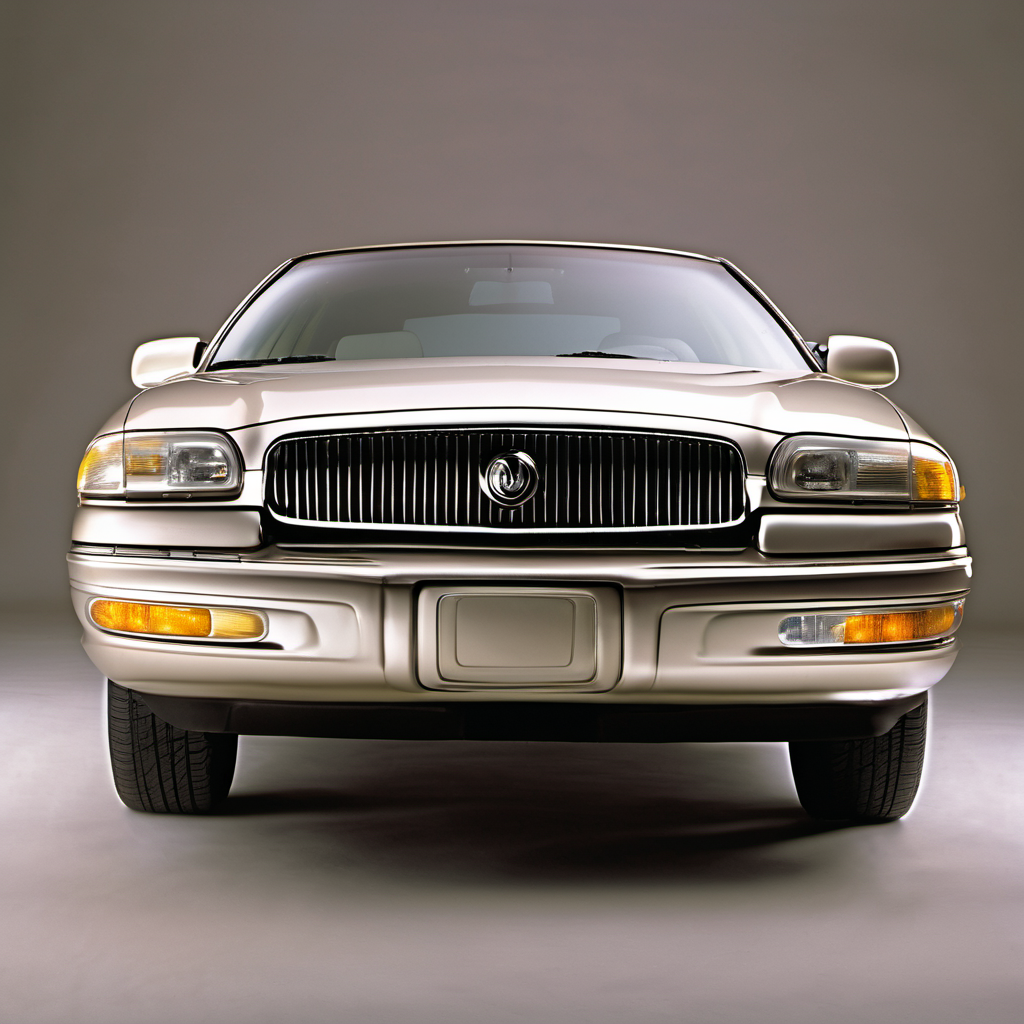
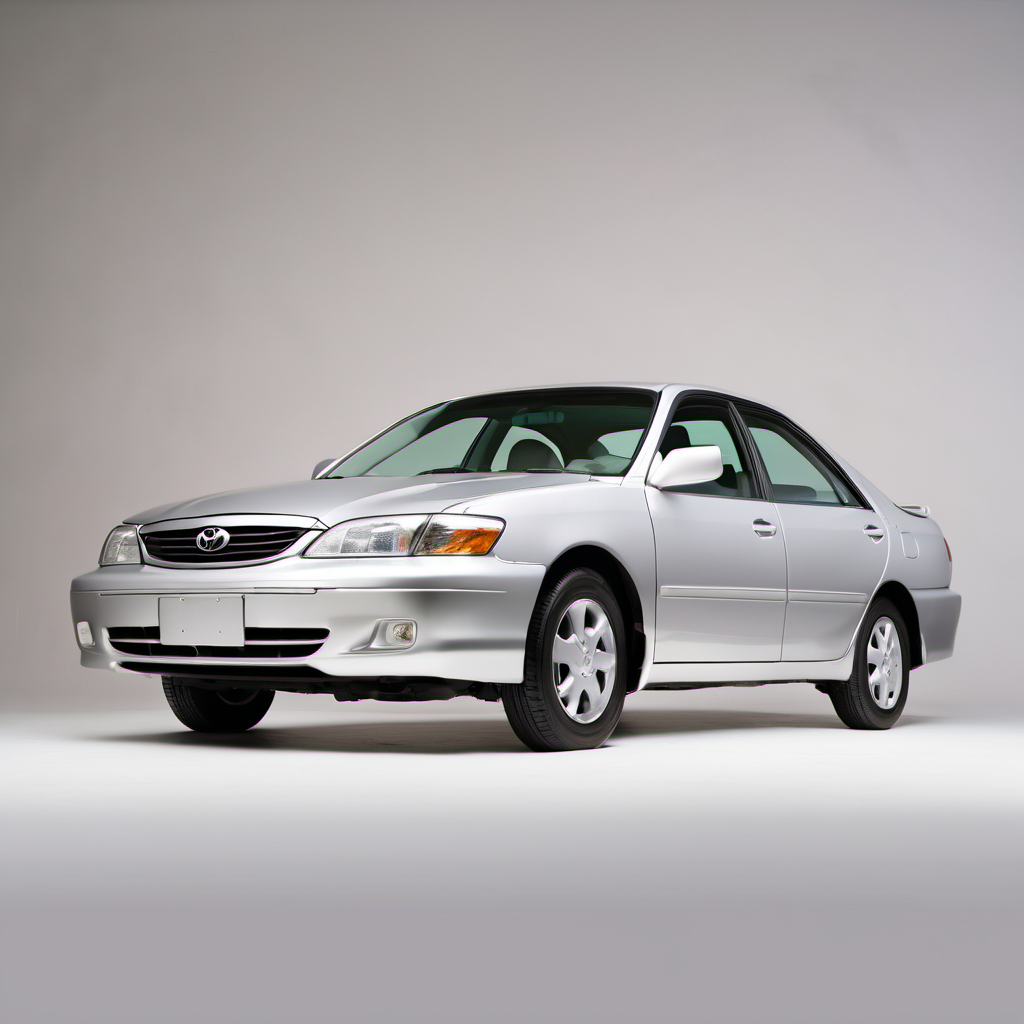
2000 Lexus ES Sedan

2000 Lexus

ESSedan

Sedan

The 2000 Lexus ES 300 is the fourth-generation ES, riding on Toyota's FF platform shared with the Camry V6. It was Lexus's entry-level luxury sedan, and it delivered a genuinely quiet, comfortable cabin at a price well below European rivals. The 3.0L 1MZ-FE V6 is a bulletproof engine with a long track record of high-mileage survival when maintained properly. At this point the ES 300 is well into used-car territory, but that's not a knock — a clean, well-maintained example is one of the most reliable older luxury sedans you can buy. Parts availability is excellent because it shares so much with the Camry. Interior quality and noise isolation still hold up surprisingly well for a 25-year-old car. The main concerns with these at high mileage are cooling system wear (water pump, thermostat), oil sludge from skipped oil changes, and the inevitable aging of rubber components — bushings, hoses, and seals. Buy a clean one and keep up with the basics, and six-figure mileage is not a ceiling.

Reliability
4/5
Verified data
Specs shown for ES 300 — the most common configuration. Other trims may vary in engine, drivetrain, or fuel economy. Sign in to see your vehicle's exact specs.
Engine
[object Object]
Drivetrain
FWD
Fuel
Gasoline
MPG
17 city / 24 hwy / 20 combined
Seats
Doors
Body
Compact Cars

Overview

AI-curated

The 2000 Lexus ES 300 is the fourth-generation ES, riding on Toyota's FF platform shared with the Camry V6. It was Lexus's entry-level luxury sedan, and it delivered a genuinely quiet, comfortable cabin at a price well below European rivals. The 3.0L 1MZ-FE V6 is a bulletproof engine with a long track record of high-mileage survival when maintained properly. At this point the ES 300 is well into used-car territory, but that's not a knock — a clean, well-maintained example is one of the most reliable older luxury sedans you can buy. Parts availability is excellent because it shares so much with the Camry. Interior quality and noise isolation still hold up surprisingly well for a 25-year-old car. The main concerns with these at high mileage are cooling system wear (water pump, thermostat), oil sludge from skipped oil changes, and the inevitable aging of rubber components — bushings, hoses, and seals. Buy a clean one and keep up with the basics, and six-figure mileage is not a ceiling.

Known for
  • Exceptionally smooth and quiet ride for the class
  • Bulletproof 1MZ-FE 3.0L V6 when oil is changed regularly
  • Strong long-term reliability and high resale retention in earlier years
  • Upscale interior quality well above Toyota Camry of the same era
  • Generous parts and service support due to Camry platform sharing
Best for
  • Buyers wanting affordable, low-drama luxury transportation
  • High-mileage daily driving with minimal unexpected repair bills
  • Retirees or commuters who prioritize comfort and reliability over sport
  • First-time luxury car buyers on a budget
Watch for
  • Oil sludge buildup in engines with infrequent oil changes — this engine is sludge-prone
  • Aging cooling system components (water pump, hoses, thermostat) on high-mileage examples
  • Worn front suspension bushings and struts causing vague steering
  • Cracked or brittle interior plastics and degraded weather stripping at this age
  • Deferred maintenance history — always ask for records on any example this old

Common issues by mileage

6 known

Engine Oil Sludge Buildup

high
Typically appears
60–150k mi
Estimated repair
$500 – $2,500

Water Pump Failure / Coolant System Wear

high
Typically appears
80–130k mi
Estimated repair
$350 – $700

Front Struts and Suspension Bushings Worn

high
Typically appears
80–150k mi
Estimated repair
$400 – $900

Oxygen Sensor Failure (Bank 1 or Bank 2)

medium
Typically appears
80–120k mi
Estimated repair
$150 – $350

Valve Cover Gasket Oil Leak

medium
Typically appears
100–180k mi
Estimated repair
$150 – $350

Power Steering Rack Seals / Hose Leaks

medium
Typically appears
100–180k mi
Estimated repair
$200 – $600

Maintenance schedule

  1. 1
    Every 5,000 miles or 6 months — do not stretch Engine Oil and Filter Change

    The 1MZ-FE is documented to sludge at longer intervals. Full synthetic helps, but the interval still matters. On a used example, do an immediate oil change and inspect for sludge at the oil cap and dipstick.

  2. 2
    Every 30,000 miles or 3 years Coolant Flush and Water Pump Inspection

    The water pump is timing-belt-adjacent and wears with age. On a 25-year-old car, both coolant condition and pump integrity should be verified. Overheating even once can cause serious head gasket damage.

  3. 3
    Every 90,000 miles — confirm history on any used purchase Timing Belt and Water Pump Replacement

    The 1MZ-FE is an interference engine. A broken timing belt causes catastrophic valve damage. If the service history is unknown, replace it immediately regardless of mileage.

  4. 4
    Every 30,000–45,000 miles Transmission Fluid Change

    Toyota's A541E 4-speed auto is durable but benefits greatly from clean fluid. Many examples this age have never had the fluid changed, which accelerates wear on the clutch packs.

  5. 5
    Every 60,000 miles Spark Plug Replacement

    Worn plugs increase fuel consumption and can cause rough idle. On a high-mileage example, fresh plugs often restore noticeable smoothness to the V6.

  6. 6
    Every 2 years Brake Fluid Flush

    Brake fluid absorbs moisture over time, lowering its boiling point and promoting corrosion inside ABS components — a real concern on a Wisconsin car exposed to road salt.

  7. 7
    Every fall Inspect and Lubricate Door and Trunk Seals / Weather Stripping

    Rubber seals on a 25-year-old car are prone to cracking and freezing to the door frame in sub-zero temps. A silicone-based protectant each fall prevents tearing and keeps the cabin sealed against Wisconsin cold.

  8. 8
    Annually, ideally each spring after winter Undercarriage Rust Inspection

    Wisconsin road salt is aggressive on brake lines, fuel lines, and suspension hardware. A visual check each spring catches rust before it becomes a safety issue.

Always defer to the manufacturer's service manual for warranty-mandated intervals.

Cost of ownership

Annual maintenance
$600 – $1,400
Fuel
At 20 MPG combined and ~12,000 miles/year, expect roughly $1,800–$2,100/year at current Midwest gas prices. Premium fuel is not required — regular 87 octane is fine.
Insurance
Full coverage on a vehicle this age and value is typically modest — expect $700–$1,100/year depending on driving history and coverage level. Actual cash value will be low, so gap insurance is unnecessary.

A well-maintained 2000 ES 300 is genuinely cheap to own. The mechanical platform is shared with the Camry, so parts are plentiful and affordable at independent shops. The main cost risk is deferred maintenance — particularly if oil sludge or a neglected timing belt has to be addressed. Budget more in the first year if the service history is incomplete.
Seasonal care

Lake Geneva, WI
Winter
  • Switch to a full synthetic 5W-30 before temperatures drop below 20°F — the 1MZ-FE cranks much easier in sub-zero conditions with synthetic, and oil reaches critical engine surfaces faster on cold starts.
  • Test the battery before November — cold cranking amps drop sharply below 0°F. A battery over 4 years old should be load-tested; replacement is cheap insurance in a Wisconsin winter.
  • Use a rated winter washer fluid (good to at least -20°F) and replace wiper blades with winter-spec blades designed to handle ice and packed snow without lifting.
  • Inspect the coolant freeze point with a tester — it should be protected to at least -35°F. Old or diluted coolant loses freeze protection and also becomes corrosive.
  • After each significant snowfall, rinse the undercarriage when temps allow — salt accumulation on brake lines and suspension components is the biggest rust accelerator on older Wisconsin cars.
  • Keep the gas tank at least half full in deep cold — it reduces fuel-line moisture and adds weight over the front-wheel-drive axle for slightly better traction.
Summer
  • Check tire pressure in the first heat wave of the season — every 10°F rise in ambient temp adds roughly 1 PSI, and over-inflation accelerates center tread wear on the FWD front tires.
  • Inspect the A/C system before summer — the refrigerant charge and cabin air filter are often neglected on older cars. A weak A/C system works the engine harder in heat.
  • Check the coolant level and inspect hoses for softness, cracks, or swelling — heat accelerates deterioration on aging rubber that survived the winter.
  • Park in shade when possible — the interior plastics and leather (if equipped) on a 25-year-old car are susceptible to UV cracking, and a hot cabin heat-soaks the battery and electronics.

Comparable vehicles

If you're shopping for one

Red flags
  • No oil change records or documentation of any kind — sludge risk is real and remediation is expensive
  • Coolant that looks rusty, oily, or milky — sign of internal engine or cooling system problems
  • Check engine light on or a freshly reset MIL with no records explaining why — get a scan before purchase
  • Rust perforation on the undercarriage, rocker panels, or rear wheel arches — structural rust on a car this old is often not economical to repair
  • Slipping, shuddering, or delayed engagement in the automatic transmission — the A541E is durable but neglect catches up with it
What to inspect
  • Pull the oil cap and dipstick and look for brown, mayonnaise-like buildup — that's sludge, and it's a dealbreaker or a major negotiating point
  • Confirm timing belt replacement history — if unknown, factor in $500–$800 for immediate service on an interference engine
  • Check for coolant in the overflow tank: should be clean and bright, not rusty or oily (a milky look suggests head gasket trouble)
  • Test the A/C, heat, and all power accessories — window regulators, mirrors, and seat motors are expensive to repair and fail at this age
  • Inspect the undercarriage for rust on brake lines, fuel lines, and subframe — especially important on any car that's lived in Wisconsin or the upper Midwest
  • Look for oil seepage at the valve covers and around the front crankshaft seal — common on high-mileage 1MZ-FE engines
  • Road test for steering wander or clunking over bumps — worn front struts and control arm bushings are common and add up quickly
AI profile generated 11 days ago · claude-sonnet-4-6 · v2.