Rust — floors, rockers, and frame rails
high- Typically appears
- Any mileage; age-driven
- Estimated repair
- $500 – $3,500
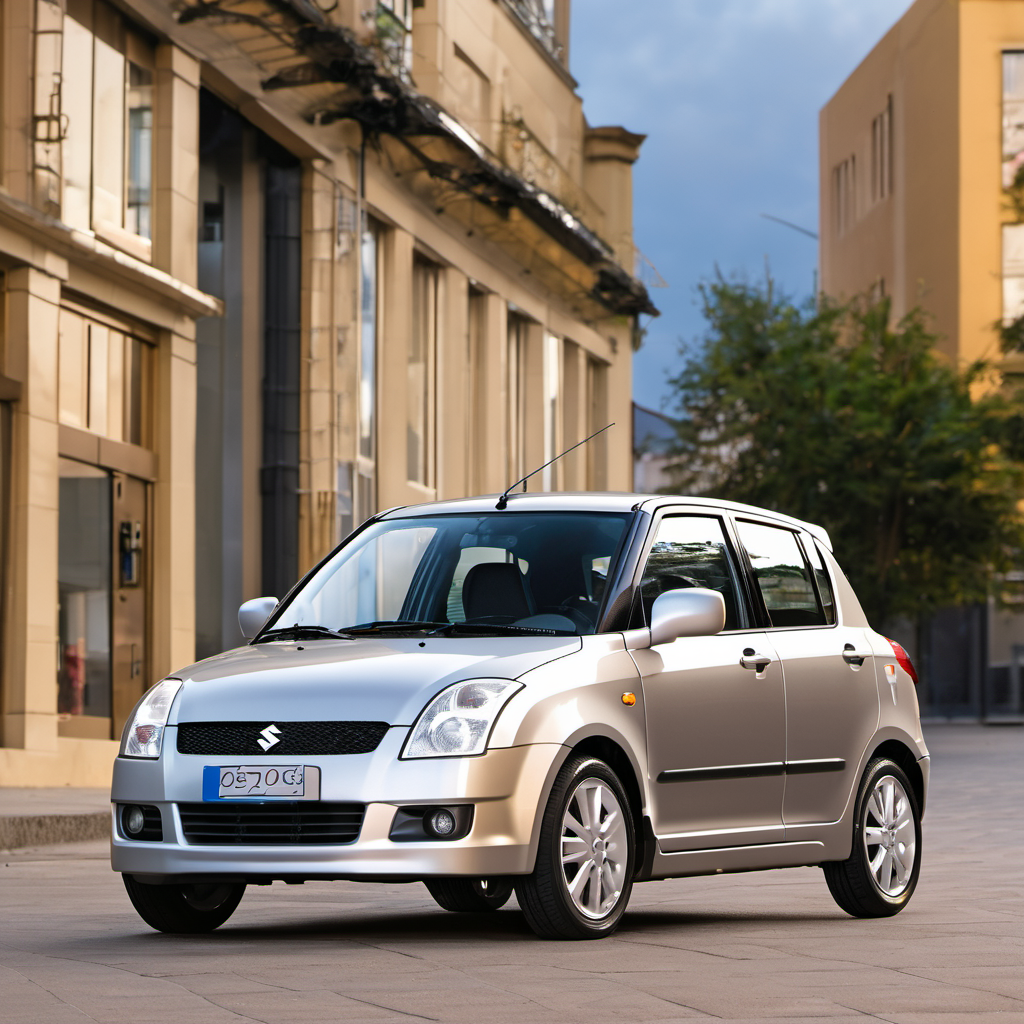
2000 Suzuki
Hatchback
The 2000 Suzuki Swift is a subcompact hatchback that carried on a nameplate with roots going back to the mid-1980s. By 2000 it was already in its twilight years in the North American market — Suzuki discontinued the Swift in the US after the 2001 model year. What you get is a bare-bones, lightweight economy car built around a 1.3L four-cylinder engine that prioritizes fuel efficiency and low operating cost above all else. These cars earned a following among budget-conscious commuters who wanted cheap transportation and easy DIY maintenance. The mechanicals are straightforward, parts (where available) are inexpensive, and the curb weight is so low that the engine barely has to work. The tradeoff is that you're driving a very small, very light car with modest crash protection by modern standards. At 25 years old, any surviving Swift is a high-mileage veteran or a pampered low-mileage survivor. Rust is the number-one killer of these cars, especially in Wisconsin. If the body and floor are solid, the drivetrain is often still serviceable. If rust has gotten into structural areas, walk away.
The 2000 Suzuki Swift is a subcompact hatchback that carried on a nameplate with roots going back to the mid-1980s. By 2000 it was already in its twilight years in the North American market — Suzuki discontinued the Swift in the US after the 2001 model year. What you get is a bare-bones, lightweight economy car built around a 1.3L four-cylinder engine that prioritizes fuel efficiency and low operating cost above all else. These cars earned a following among budget-conscious commuters who wanted cheap transportation and easy DIY maintenance. The mechanicals are straightforward, parts (where available) are inexpensive, and the curb weight is so low that the engine barely has to work. The tradeoff is that you're driving a very small, very light car with modest crash protection by modern standards. At 25 years old, any surviving Swift is a high-mileage veteran or a pampered low-mileage survivor. Rust is the number-one killer of these cars, especially in Wisconsin. If the body and floor are solid, the drivetrain is often still serviceable. If rust has gotten into structural areas, walk away.
This is an interference engine. A broken timing belt means bent valves and a wrecked head. On a 25-year-old car, assume it's overdue unless you have paper proof.
Short-trip Wisconsin driving and cold starts are hard on oil. A conventional 5W-30 works well; keep intervals tight on an aging engine.
Old coolant loses its corrosion inhibitors. On a 25-year-old car, the cooling system internals need protection. Check hoses for softness or cracking at the same time.
Cracked boots throw grease and accelerate joint wear fast. Catching a torn boot early saves the cost of a full axle replacement.
Brake fluid absorbs moisture over time, lowering boiling point. On an older car, degraded fluid is common and dangerous in panic-stop situations.
Wisconsin salt will destroy the floor, rocker seams, and brake/fuel lines if left unaddressed. Annual inspection and treatment is the single best thing you can do for longevity.
Worn plugs hurt fuel economy and cold-start performance. On a 25-year-old car, inspect the ignition wires for cracking and brittleness at the same time.
Cold cranking amps drop dramatically in sub-zero temps. A battery that starts the car fine in October may leave you stranded in January.
Always defer to the manufacturer's service manual for warranty-mandated intervals.
The Swift is about as cheap to own as a running vehicle gets — low fuel cost, low insurance, and inexpensive parts when you can find them. The hidden cost risk is deferred maintenance on a 25-year-old car: a neglected timing belt, rusted brake lines, or a compromised unibody can turn a $1,500 car into a money pit quickly. Budget for one or two catch-up maintenance items per year and you'll be fine.
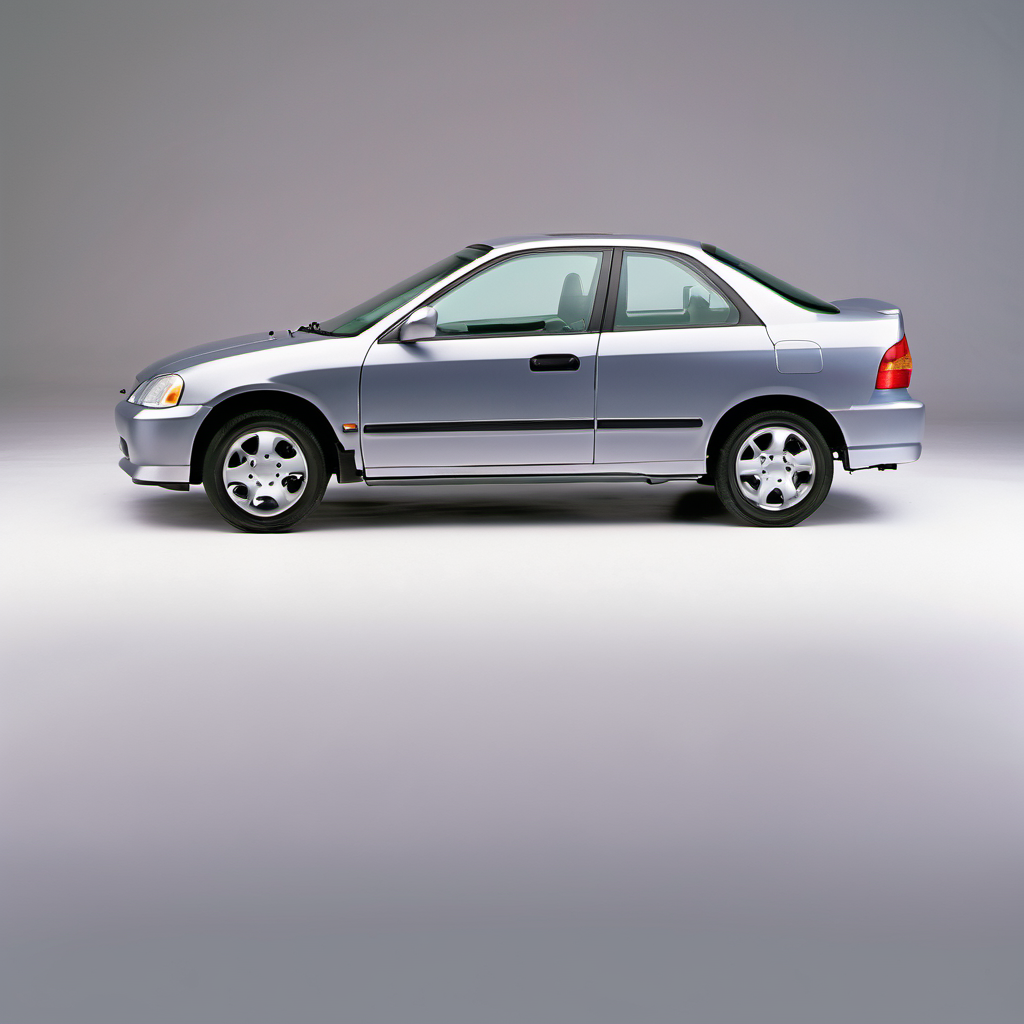
Same era, same FWD subcompact mission, but significantly better parts availability, stronger crash scores, and a more established used-car support network
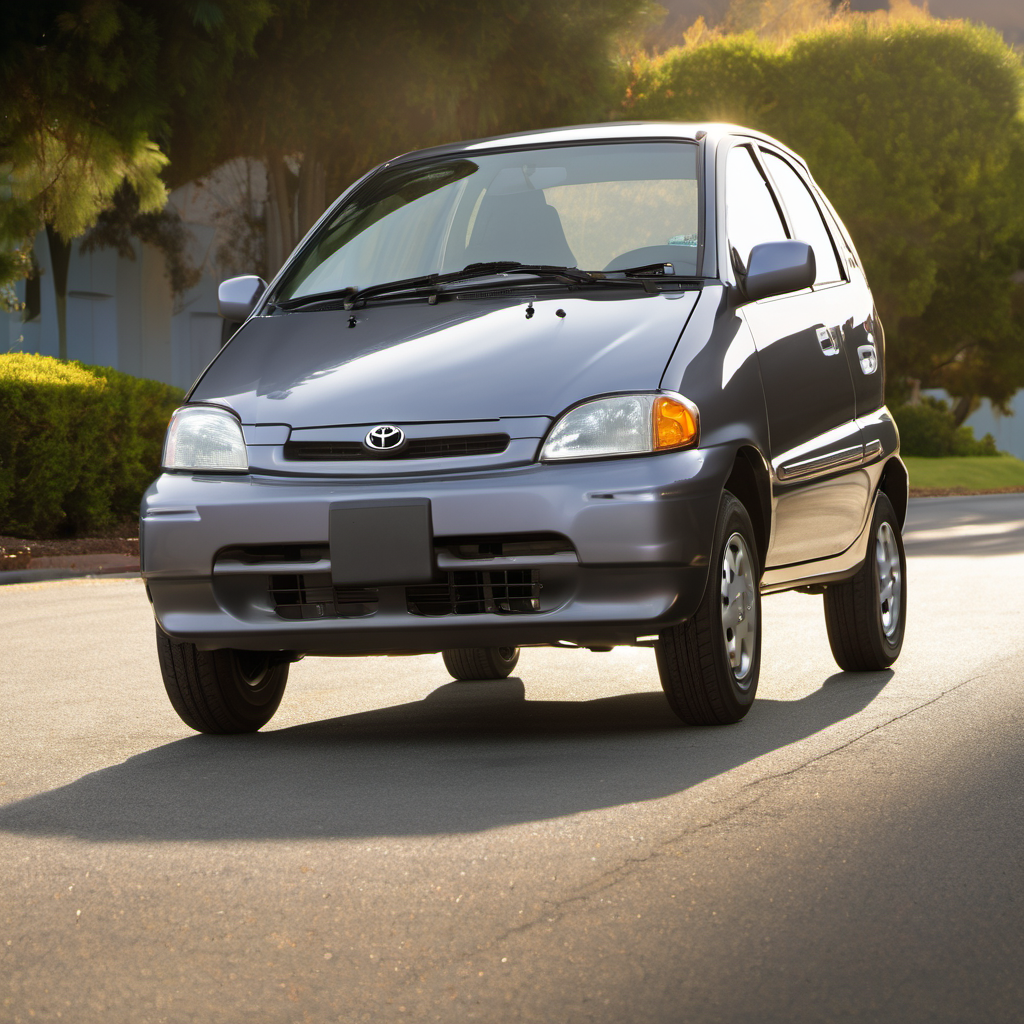
Direct competitor in the entry-level economy segment; comparable fuel economy with better long-term reliability data and easier parts sourcing
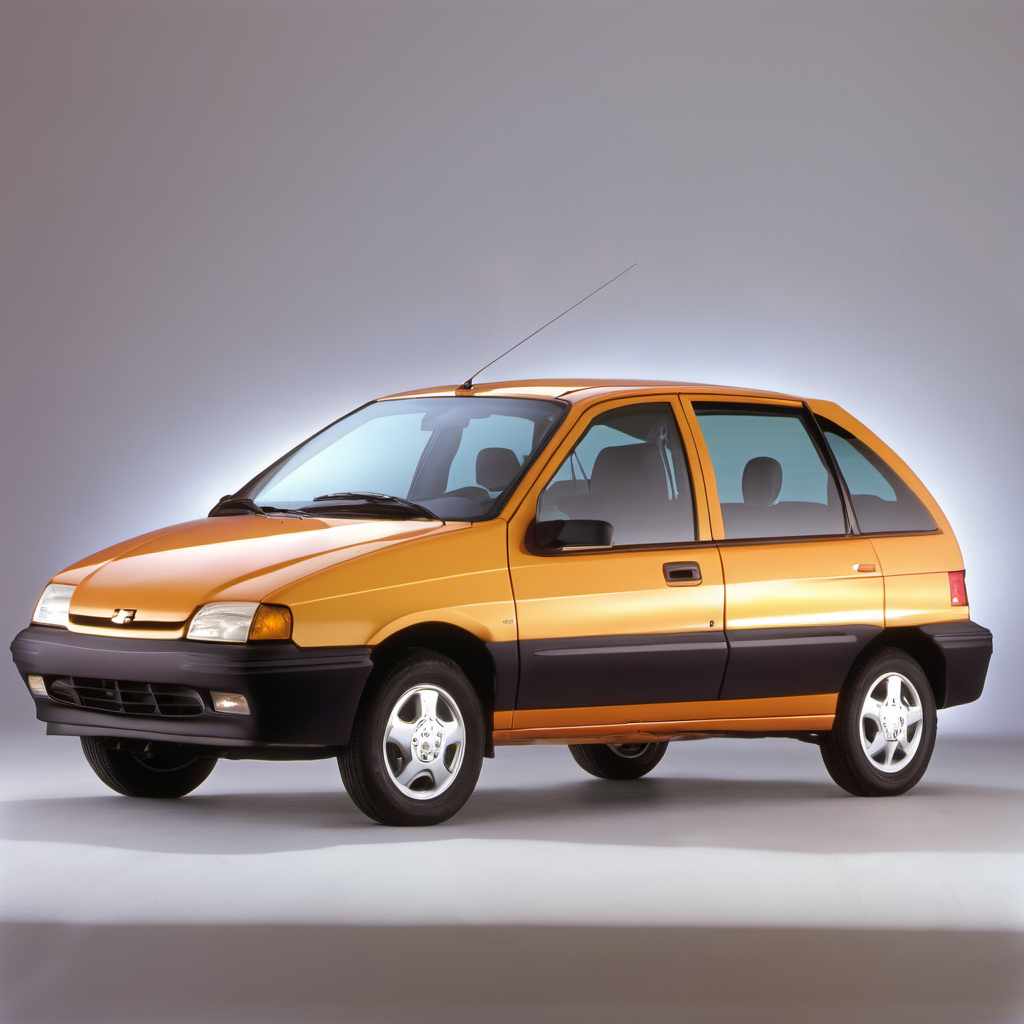
The Metro shared its platform and powertrain with the Swift (both were Suzuki-based GM products), making it an almost identical alternative with slightly broader domestic parts access

Similar price point, FWD subcompact layout, and economy-car mission; more common in the upper Midwest with better salvage yard parts availability