Timing Belt Failure
high- Typically appears
- 60–105k mi (and every ~60k thereafter)
- Estimated repair
- $250 – $450

2000 Ford
Sedan
The 2000 Ford Escort is a compact front-wheel-drive sedan that served as Ford's entry-level car for nearly two decades. By 2000, it was in its final model year — Ford was replacing it with the Focus — so parts availability has been shrinking and dealer support is essentially gone. What you get is a simple, lightweight commuter with a proven 2.0L four-cylinder, low ownership costs, and straightforward repair needs that any independent shop can handle. The Escort's strengths are its fuel economy, low purchase price, and uncomplicated mechanicals. It's not exciting to drive, the interior is spartan, and the body panels rust aggressively in salt-belt climates like Wisconsin. At 25 years old, every example on the road today is a high-mileage used car, so condition matters far more than year or trim. For budget-conscious buyers doing mostly city and highway commuting, a well-maintained Escort can still be a reliable tool — but only if it has been kept ahead of rust, coolant maintenance, and timing belt service. Skip any example with deferred maintenance or heavy undercarriage corrosion.
The 2000 Ford Escort is a compact front-wheel-drive sedan that served as Ford's entry-level car for nearly two decades. By 2000, it was in its final model year — Ford was replacing it with the Focus — so parts availability has been shrinking and dealer support is essentially gone. What you get is a simple, lightweight commuter with a proven 2.0L four-cylinder, low ownership costs, and straightforward repair needs that any independent shop can handle. The Escort's strengths are its fuel economy, low purchase price, and uncomplicated mechanicals. It's not exciting to drive, the interior is spartan, and the body panels rust aggressively in salt-belt climates like Wisconsin. At 25 years old, every example on the road today is a high-mileage used car, so condition matters far more than year or trim. For budget-conscious buyers doing mostly city and highway commuting, a well-maintained Escort can still be a reliable tool — but only if it has been kept ahead of rust, coolant maintenance, and timing belt service. Skip any example with deferred maintenance or heavy undercarriage corrosion.
The 2.0L SPI is an interference engine — a broken belt destroys valves. On a 25-year-old car, assume the belt history is unknown and replace it immediately if documentation is missing.
Degraded coolant accelerates corrosion inside the engine and heater core. Inspect hoses and the thermostat at every flush — rubber deteriorates quickly on aging cars in Wisconsin's temperature swings.
The Escort uses conventional copper plugs that wear faster than iridium. Fresh plugs and wires improve cold starts — critical when Lake Geneva temps drop below zero.
Brake fluid absorbs moisture over time, lowering boiling point and accelerating caliper and master cylinder corrosion. Especially important in wet Wisconsin winters.
Salt roads are the #1 killer of Escorts in this region. Inspect rocker panels, subframe, brake lines, and fuel lines each autumn. Treat exposed metal before the first snow.
Steel brake lines on these cars corrode from the outside in. A failed brake line is a safety emergency. At this age, a full line inspection is non-negotiable.
Cold-cranking amps drop sharply in sub-zero temperatures. A battery that starts fine in October can leave you stranded in January. Test it before the heating season.
A clogged PCV valve causes oil sludging and crankcase pressure buildup — common on aging four-cylinders that don't get frequent attention.
Always defer to the manufacturer's service manual for warranty-mandated intervals.
The Escort is genuinely cheap to own when it's healthy. Routine maintenance is inexpensive and straightforward. The financial danger zone is deferred maintenance catching up all at once — a timing belt job, head gasket, and brake line repair in the same season can easily exceed the car's market value. Keep up with service and you're looking at one of the lower cost-per-mile vehicles on the road.
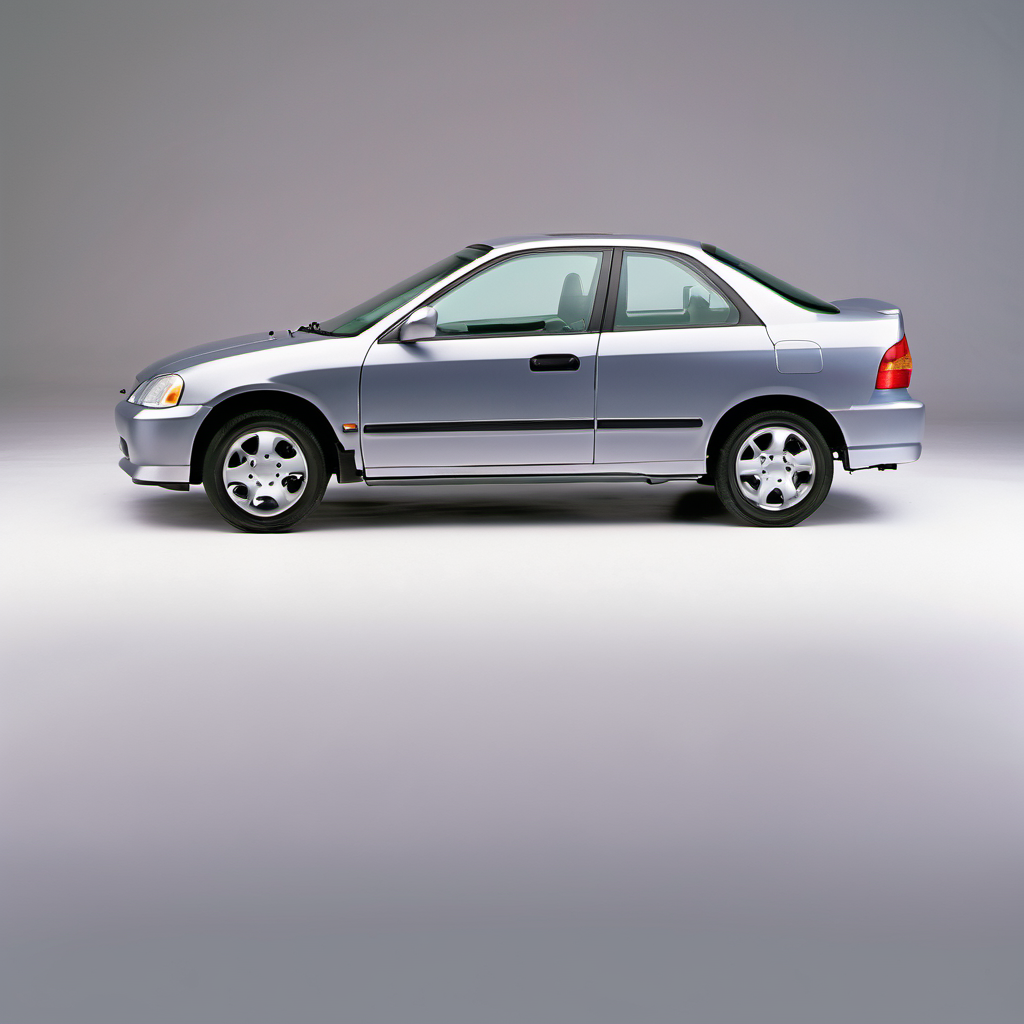
Same compact FWD segment, similar price when new, but the Civic has a stronger reliability reputation and better long-term parts availability — worth the small price premium on the used market.
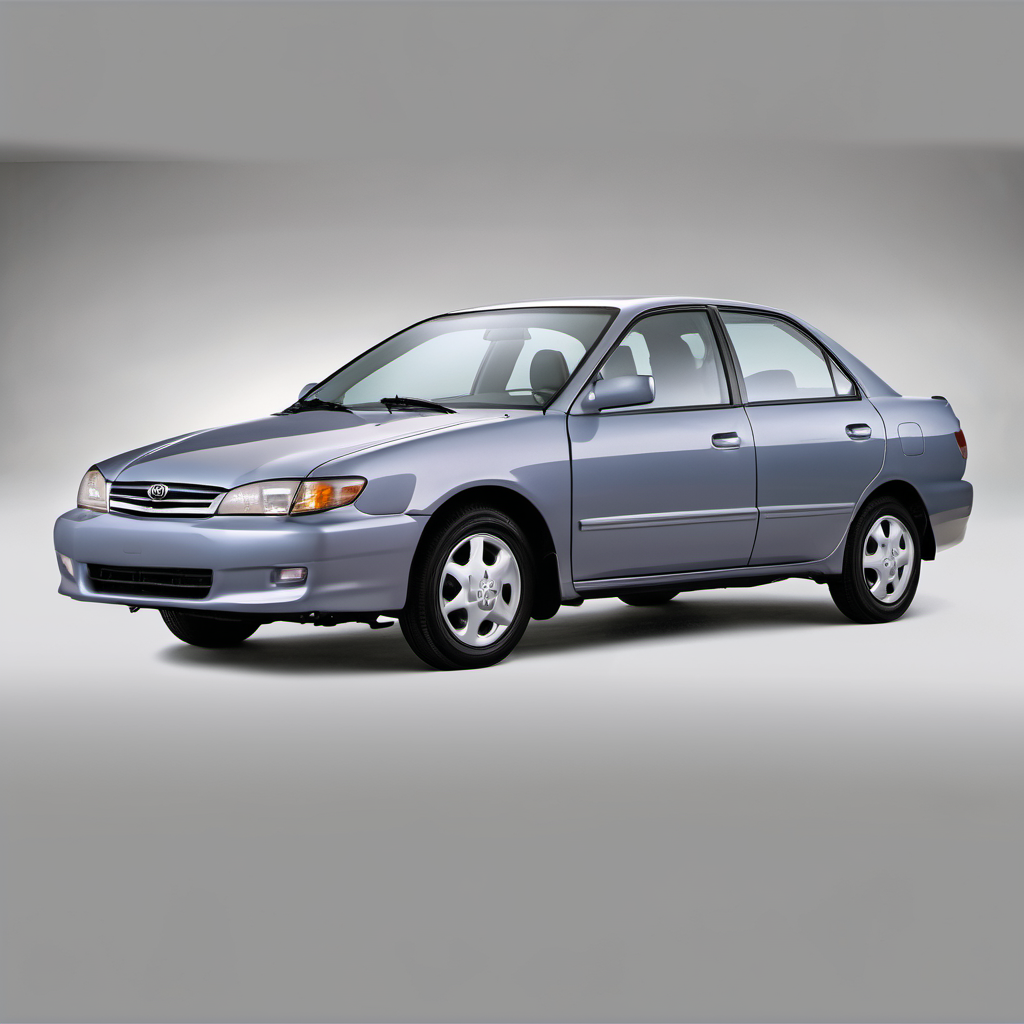
Direct competitor in the economy sedan class. The Corolla's engine and transmission longevity edge out the Escort, and parts remain plentiful. A better bet for high-mileage used buyers.
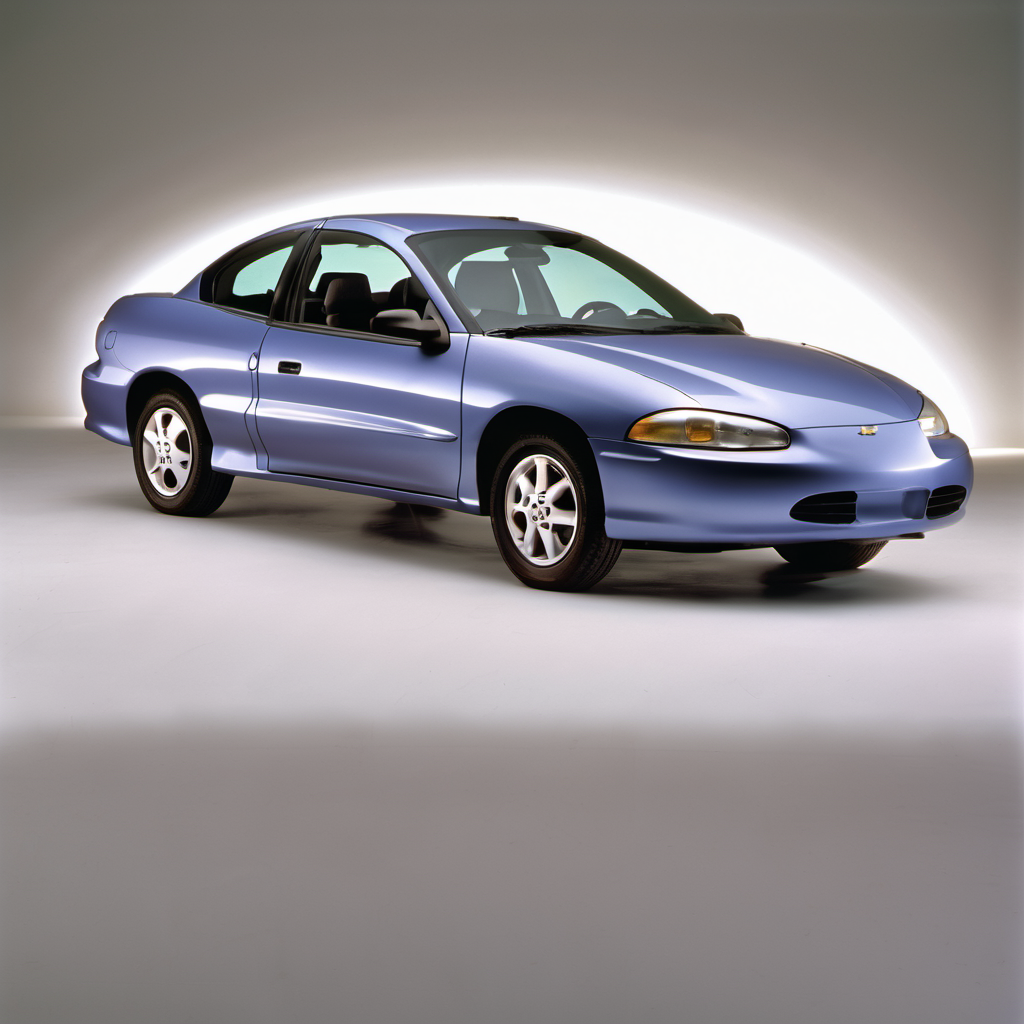
GM's entry-level compact of the same era, similarly priced and similarly simple. Comparable rust issues in the Midwest; choose based on condition, not brand loyalty.
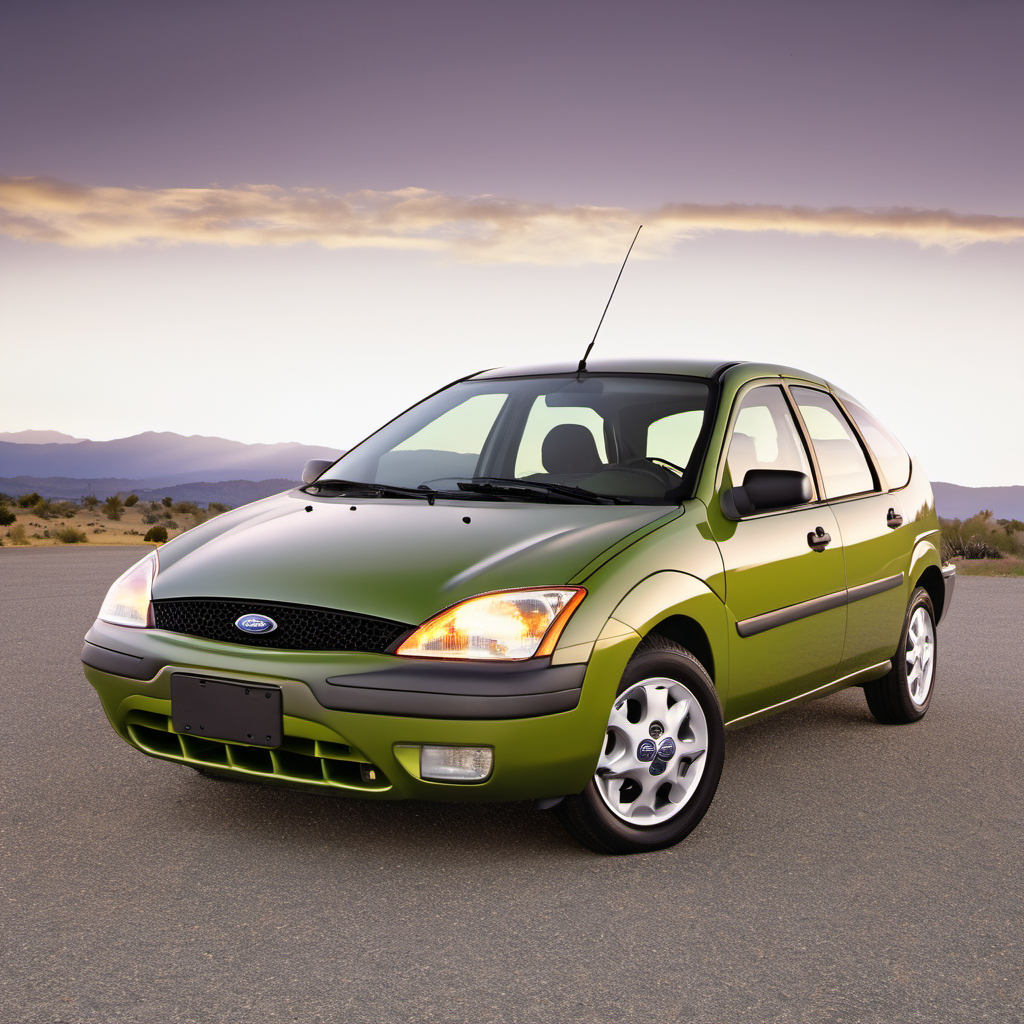
The Escort's direct successor. More modern platform, better handling, and continued Ford parts support. If you're shopping Escorts, a Focus of similar vintage and price is usually the smarter buy.