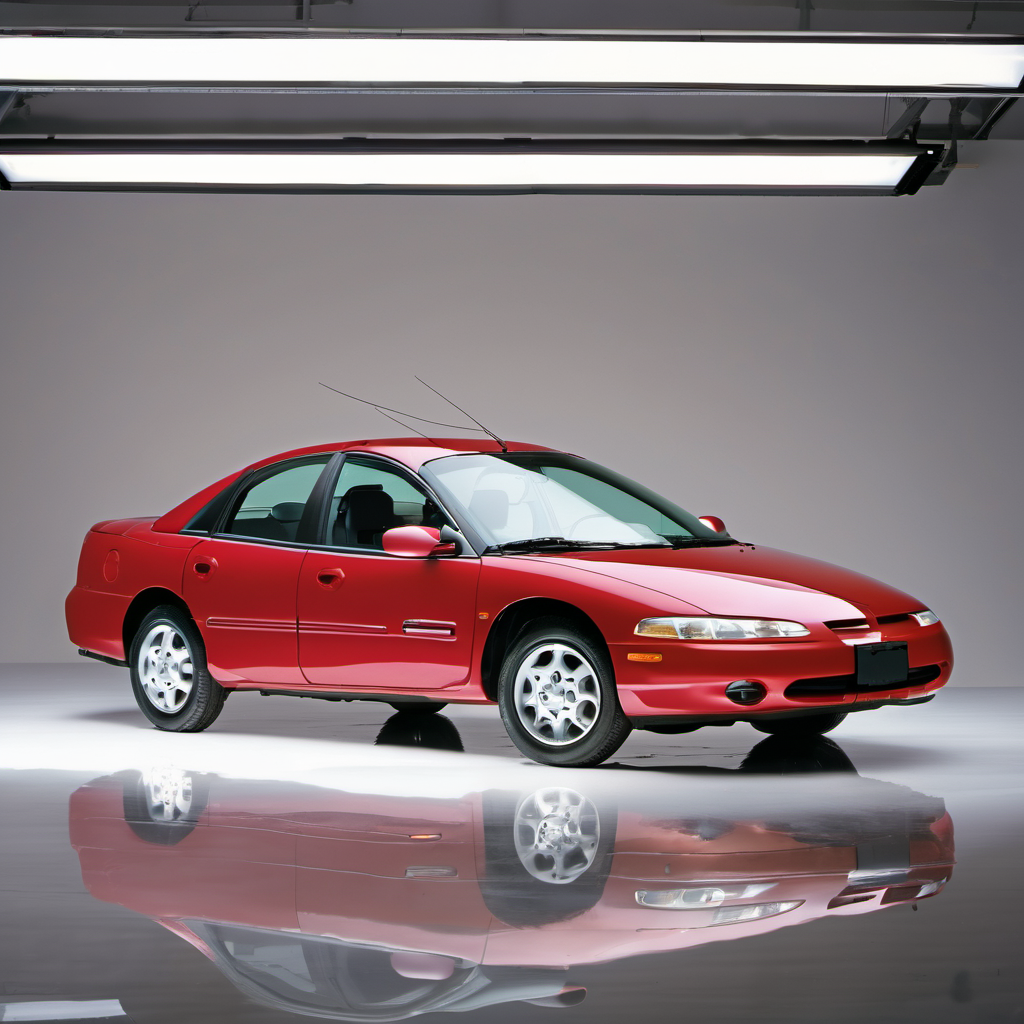
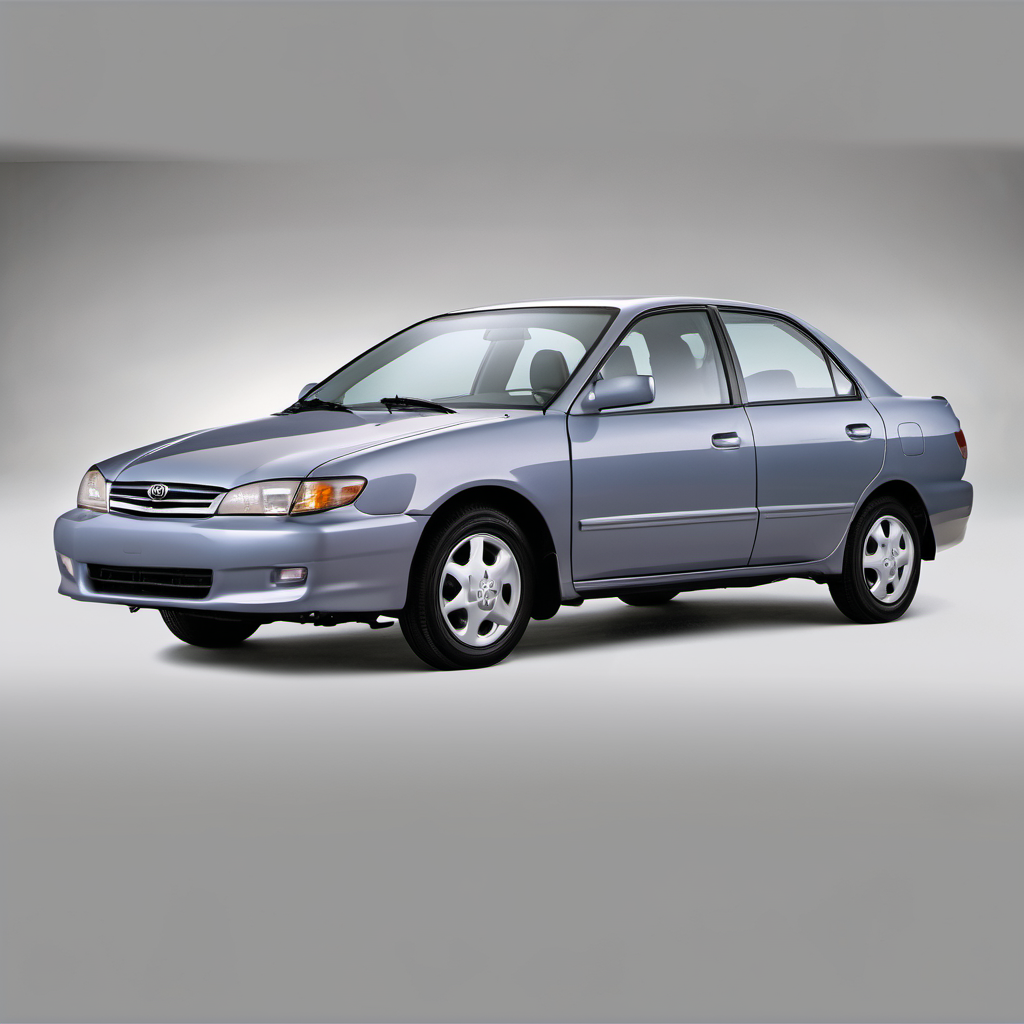
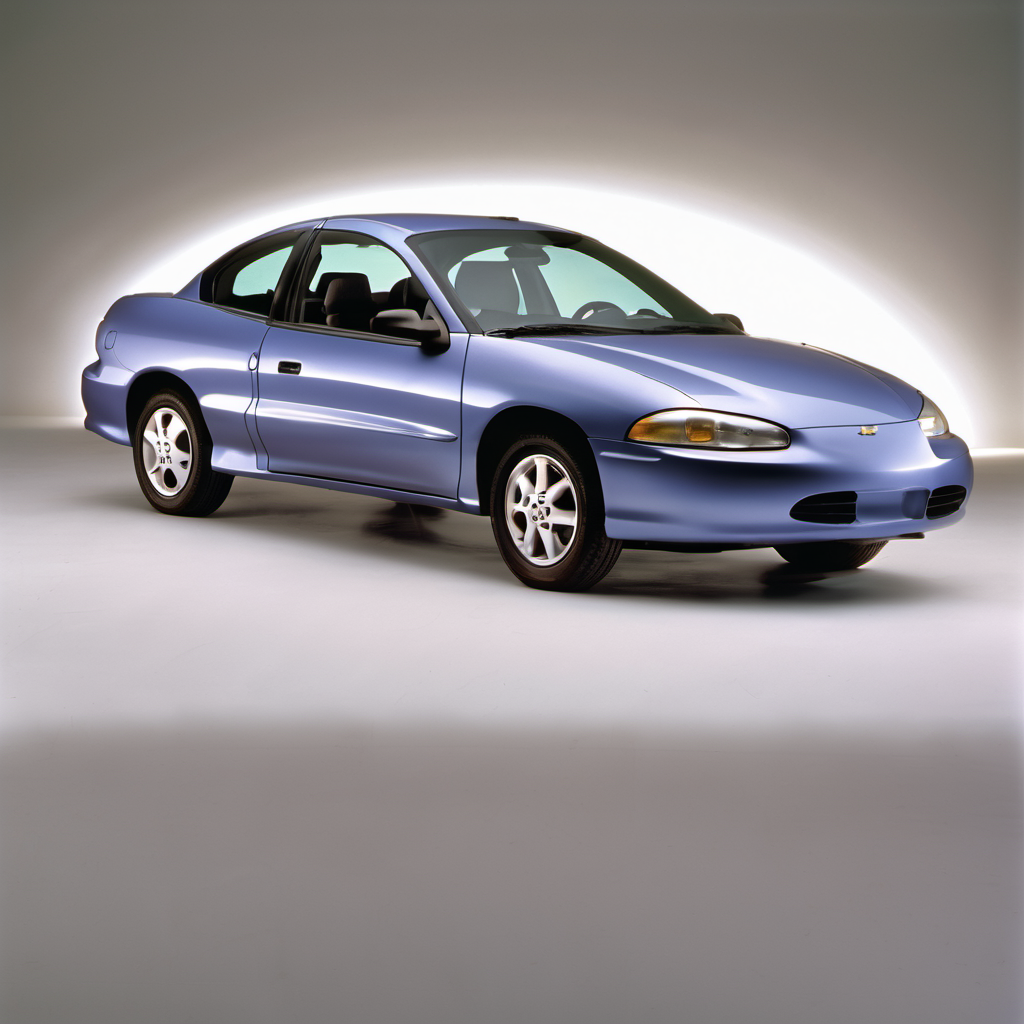
2000 Saturn S-Series Coupe

2000 Saturn

S-SeriesCoupe

1.9L DOHC I4 (SC2) · Coupe

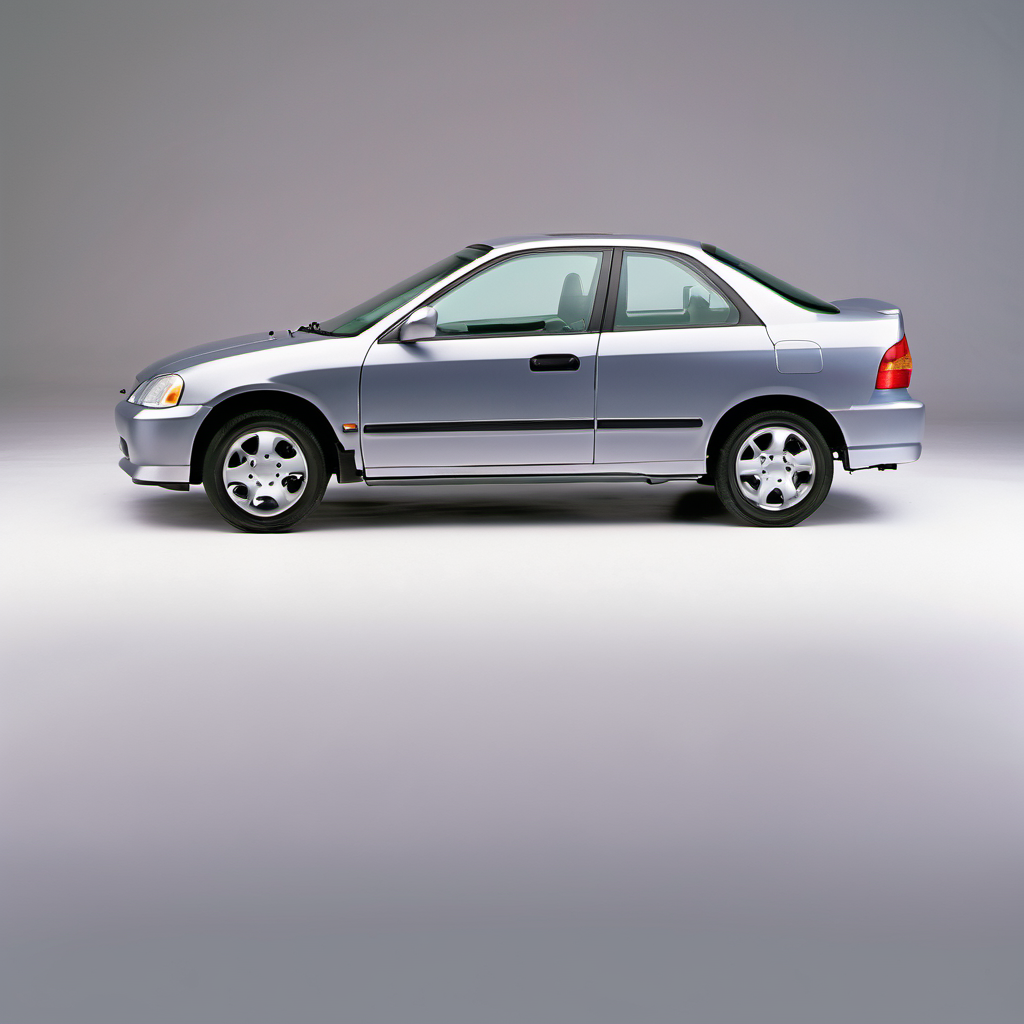
The 2000 Saturn S-Series Coupe (SC2 trim being the most common two-door variant) was Saturn's sporty compact offering near the end of the brand's first-generation run. Built at Saturn's Spring Hill, Tennessee plant with a heavy focus on dent-resistant polymer body panels, it carved out a niche as an affordable, lightweight coupe for commuters who wanted something a step above a basic economy car. The SC2 came with a 1.9L DOHC four-cylinder, a five-speed manual or four-speed automatic, and a character all its own. The polymer panels don't rust, but the steel structure underneath absolutely will — a critical consideration for Wisconsin ownership. By 2000, these cars had over a decade of refinement behind them, making them reasonably sorted mechanically, though parts availability has thinned considerably now that Saturn is defunct. At 24 years old, any surviving example is deep into wear-item territory. These were economy cars when new and were not always maintained like heirlooms. Buy carefully, maintain consistently, and keep up with the cooling system — that's the formula for getting more life out of one.

Reliability
3/5
Verified data
Engine
1.9L DOHC I4 (SC2)
Drivetrain
FWD
Fuel
Gasoline
MPG
27 city / 36 hwy / 30 combined
Seats
5
Doors
3
Body
Coupe
MSRP
$14,395

Overview

AI-curated

The 2000 Saturn S-Series Coupe (SC2 trim being the most common two-door variant) was Saturn's sporty compact offering near the end of the brand's first-generation run. Built at Saturn's Spring Hill, Tennessee plant with a heavy focus on dent-resistant polymer body panels, it carved out a niche as an affordable, lightweight coupe for commuters who wanted something a step above a basic economy car. The SC2 came with a 1.9L DOHC four-cylinder, a five-speed manual or four-speed automatic, and a character all its own. The polymer panels don't rust, but the steel structure underneath absolutely will — a critical consideration for Wisconsin ownership. By 2000, these cars had over a decade of refinement behind them, making them reasonably sorted mechanically, though parts availability has thinned considerably now that Saturn is defunct. At 24 years old, any surviving example is deep into wear-item territory. These were economy cars when new and were not always maintained like heirlooms. Buy carefully, maintain consistently, and keep up with the cooling system — that's the formula for getting more life out of one.

Known for
  • Dent- and rust-resistant polymer body panels
  • Lightweight, nimble handling for a late-1990s economy coupe
  • Loyal, enthusiastic owner community
  • Simple, DIY-friendly engine bay
  • Spring Hill, Tennessee USA assembly quality
Best for
  • Budget-conscious commuters who do their own wrenching
  • City and suburban driving where the small footprint shines
  • Buyers who want a fun manual-trans coupe on a tight budget
  • Owners comfortable sourcing parts from salvage yards
Watch for
  • Rust on the steel subframe, floor pans, and strut towers despite polymer body panels
  • Head gasket failure — a well-documented weak point on the 1.9L
  • Coolant loss leading to overheating if not caught early
  • Thin parts availability due to Saturn brand discontinuation
  • High-mileage timing chains that have never been inspected

Common issues by mileage

6 known

Head Gasket Failure

high
Typically appears
80–150k mi
Estimated repair
$800 – $1,500

Coolant Loss / Overheating

high
Typically appears
60–150k mi
Estimated repair
$150 – $600

Timing Chain Wear / Stretch

medium
Typically appears
100–180k mi
Estimated repair
$400 – $900

Door Seal and Weather Stripping Deterioration

high
Typically appears
All high-mileage examples
Estimated repair
$80 – $300

Front Strut and Suspension Bushing Wear

high
Typically appears
80–150k mi
Estimated repair
$300 – $700

Maintenance schedule

  1. 1
    Every 30k mi or 2 years — more often if any coolant loss history Cooling system flush and hose inspection

    Head gasket failure is the #1 killer of these engines. Catching low coolant, soft hoses, or a weeping water pump early is the difference between a $150 fix and a $1,200 head gasket job.

  2. 2
    Every 5,000 mi using the correct viscosity (5W-30) Oil and filter change

    The 1.9L tolerates neglect poorly. Sludge buildup accelerates timing chain wear and valve train noise. Fresh oil is cheap insurance.

  3. 3
    Inspect at 100k mi; replace if any rattle on cold start Timing chain and tensioner inspection

    The 1.9L uses a timing chain, not a belt, but it does wear. A rattling chain on startup is a warning — ignore it long enough and you'll be doing top-end work.

  4. 4
    Every 30k mi Spark plugs and ignition wires

    Worn plugs force the engine to work harder, stress the ignition coil pack, and hurt fuel economy noticeably on these small engines.

  5. 5
    Every 2 years Brake fluid flush

    Brake fluid absorbs moisture over time, lowering its boiling point. Wisconsin's winter salt also accelerates brake line corrosion — fresh fluid and inspected lines matter here.

  6. 6
    Every fall before salt season Undercarriage and subframe rust inspection

    The polymer body panels hide the fact that the steel frame, floor pans, and strut towers rust like any other car. Wisconsin roads are brutal. Catch rust early and treat it — waiting turns structural issues into safety problems.

  7. 7
    Every fall Battery load test

    A battery that tests marginal in October will fail on a -10°F January morning. At this vehicle's age, if the battery doesn't have a known replacement date, test it.

  8. 8
    Every 15–20k mi Air filter replacement

    A clogged filter hurts the already modest power output and fuel economy on this 1.9L. Simple and cheap to stay ahead of.

Always defer to the manufacturer's service manual for warranty-mandated intervals.

Cost of ownership

Annual maintenance
$600 – $1,800
Fuel
Affordable — 30 mpg combined on regular 87-octane. Expect roughly $1,200–$1,600/year at typical Wisconsin driving distances and current fuel prices.
Insurance
Generally low — compact economy coupe, low replacement value. Liability-only coverage is common on vehicles this age.

This is a low-cost vehicle to fuel and insure, but at 24 years old the maintenance costs are unpredictable. A good year with only routine items runs $600–$900. One head gasket job or a strut replacement plus suspension work can push a single year past $1,500. Budget for surprises. Parts sourcing is the bigger challenge — Saturn is gone, so you're relying on salvage yards, online Saturn-specific forums, and a shrinking aftermarket supply.
Seasonal care

Lake Geneva, WI
Winter
  • Load-test the battery every fall — cold cranking amps drop sharply below 20°F and this engine needs a strong battery to start reliably.
  • Switch to 5W-30 full synthetic if not already using it; it flows better on sub-zero starts and protects during the critical first seconds of cranking.
  • Inspect the steel subframe, floor pans, and strut towers for rust before winter. Wisconsin road salt will find every gap in the undercoating.
  • Fill the washer fluid reservoir with a fluid rated to at least -20°F and keep a spare jug in the trunk — the small reservoir depletes fast on salty winter roads.
  • Check door seals and weatherstripping. At this age they harden and crack, letting water into the cabin where it freezes and creates a rust incubator.
  • Keep the fuel tank at least half-full through winter to reduce condensation in the tank and give yourself a buffer if you get stranded.
Summer
  • Monitor the temperature gauge closely — the 1.9L's cooling system works hard in stop-and-go summer heat. Any creep toward the high end means pull over, not push through.
  • Check tire pressure monthly; tires lose about 1 PSI for every 10°F drop and gain similarly in summer heat — overinflated tires reduce grip and wear unevenly.
  • Inspect the A/C system — the refrigerant and compressor on a 24-year-old car may need attention. A recharge is reasonable; a compressor replacement is a larger decision on a vehicle this age.
  • Check coolant concentration — a 50/50 mix handles both freeze and boil-over protection. Straight water is not adequate in summer either.

Comparable vehicles

If you're shopping for one

Red flags
  • Any evidence of overheating — warped hood paint, coolant stains on the engine, or a seller who 'just needs to add a little water now and then.'
  • Rust on the strut towers or subframe — this is a structural safety issue, not a cosmetic one.
  • A Check Engine light the seller dismisses as 'just the O2 sensor' — on a 24-year-old Saturn, any lit CEL deserves a proper scan before purchase.
  • Excessive blue or white smoke from the exhaust on startup or at idle.
  • A seller unwilling to let you have it inspected by an independent mechanic before purchase.
What to inspect
  • Pull the oil cap and look for milky, mayonnaise-like residue — that's coolant mixing with oil, a classic sign of head gasket failure on the 1.9L.
  • Check the coolant reservoir and radiator cap area for brown sludge or oily film, another head gasket indicator.
  • Get under the car and inspect the subframe, floor pans, and strut towers with a flashlight and a screwdriver — poke any suspect areas. Polymer panels hide what's happening to the steel underneath.
  • Start the engine cold and listen for timing chain rattle in the first 10–15 seconds. It should quiet down; if it doesn't, budget for a chain job.
  • Test the A/C, heater, and all power accessories — at this age, electrical gremlins are common and parts are hard to find.
  • Ask for any maintenance records, especially cooling system work. A car with no records and an unknown overheating history is a significant risk.
AI profile generated 11 days ago · claude-sonnet-4-6 · v2.