Intake Manifold Gasket Leak
high- Typically appears
- 80–150k mi
- Estimated repair
- $200 – $450
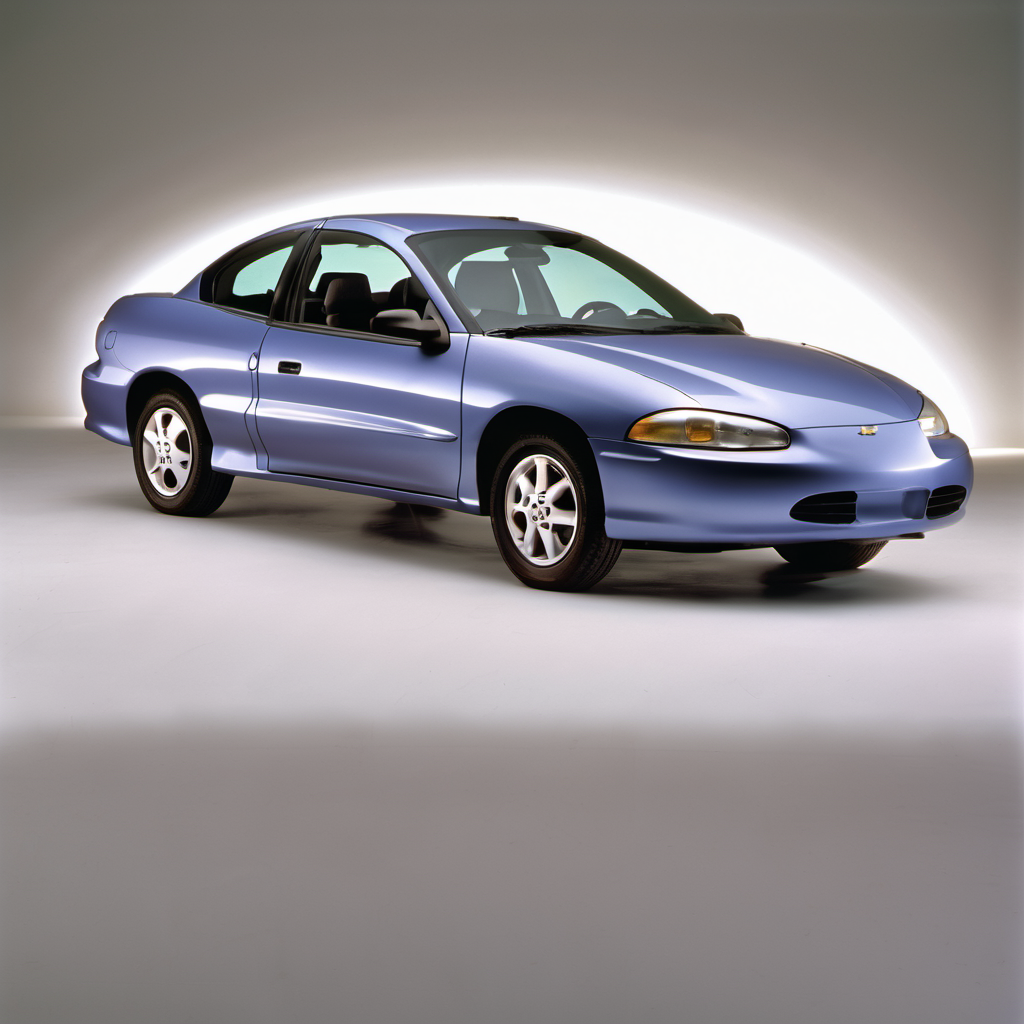
2000 Chevrolet
Coupe
The 2000 Chevrolet Cavalier Coupe is a front-wheel-drive compact built on GM's J-body platform — the same bones that underpinned the Pontiac Sunfire. By 2000 the Cavalier was well into its third generation (1995–2005), meaning most of the early kinks had been worked out but the design was already dated compared to newer rivals like the Honda Civic and Toyota Corolla. It was a volume-seller aimed squarely at budget-conscious buyers who needed reliable basic transportation, and it largely delivered on that promise when kept up with routine maintenance. Power comes from GM's 2.2L Iron Duke-derived OHV four-cylinder, a known-quantity engine that is bulletproof by design but not particularly thrilling. It will run a long time if the oil is changed regularly, but it is susceptible to intake manifold gasket leaks and cooling system neglect — both of which are cheap fixes if caught early and expensive if ignored. The 3-speed automatic (if equipped) is the weakest link in the drivetrain; the 5-speed manual is far more durable. At 24 years old, any surviving Cavalier is a high-mileage car. Rust is the number-one killer in Wisconsin — especially in the rocker panels, floor pans, and subframe. If the structure is solid and the engine burns no oil, this can still be a practical, cheap-to-run runabout. Just go in with realistic expectations about refinement and parts availability for some trim pieces.
The 2000 Chevrolet Cavalier Coupe is a front-wheel-drive compact built on GM's J-body platform — the same bones that underpinned the Pontiac Sunfire. By 2000 the Cavalier was well into its third generation (1995–2005), meaning most of the early kinks had been worked out but the design was already dated compared to newer rivals like the Honda Civic and Toyota Corolla. It was a volume-seller aimed squarely at budget-conscious buyers who needed reliable basic transportation, and it largely delivered on that promise when kept up with routine maintenance. Power comes from GM's 2.2L Iron Duke-derived OHV four-cylinder, a known-quantity engine that is bulletproof by design but not particularly thrilling. It will run a long time if the oil is changed regularly, but it is susceptible to intake manifold gasket leaks and cooling system neglect — both of which are cheap fixes if caught early and expensive if ignored. The 3-speed automatic (if equipped) is the weakest link in the drivetrain; the 5-speed manual is far more durable. At 24 years old, any surviving Cavalier is a high-mileage car. Rust is the number-one killer in Wisconsin — especially in the rocker panels, floor pans, and subframe. If the structure is solid and the engine burns no oil, this can still be a practical, cheap-to-run runabout. Just go in with realistic expectations about refinement and parts availability for some trim pieces.
The 2.2L OHV engine tolerates neglect poorly at this age. Sludge build-up accelerates ring wear and oil consumption. Conventional 5W-30 is fine; switch to 10W-30 if the engine is burning oil at high mileage.
Intake manifold gasket leaks are the top failure mode. Degraded coolant accelerates gasket corrosion. Inspect hoses and the radiator cap at every oil change.
At this age, belts should be inspected every oil change. A snapped belt strands you and can damage the water pump, causing overheating.
The 2.2L uses standard copper plugs. Old plugs cause misfires and poor fuel economy. Wires crack with age, especially through Wisconsin winters.
Moisture-laden brake fluid lowers boiling point and accelerates corrosion inside calipers and wheel cylinders — a real concern on a car this old in a salt-heavy environment.
The 3-speed automatic is marginal; fresh Dexron III fluid is cheap insurance against premature failure.
Wisconsin road salt is the primary killer of Cavaliers this age. Inspect subframe mounting points, rocker seams, and brake lines. Address surface rust before it becomes structural.
The 2.2L OHV is easy to cold-start mechanically, but a weak battery will leave you stranded when temps drop below zero. Batteries over 4 years old should be tested before November.
Always defer to the manufacturer's service manual for warranty-mandated intervals.
The Cavalier is about as cheap to own as it gets — parts are inexpensive and widely available, the engine and manual trans are DIY-friendly, and insurance costs are low. The wild card is rust repair: one bad subframe or floor pan can cost more than the car is worth. Budget for at least one unplanned repair per year on a vehicle this age.
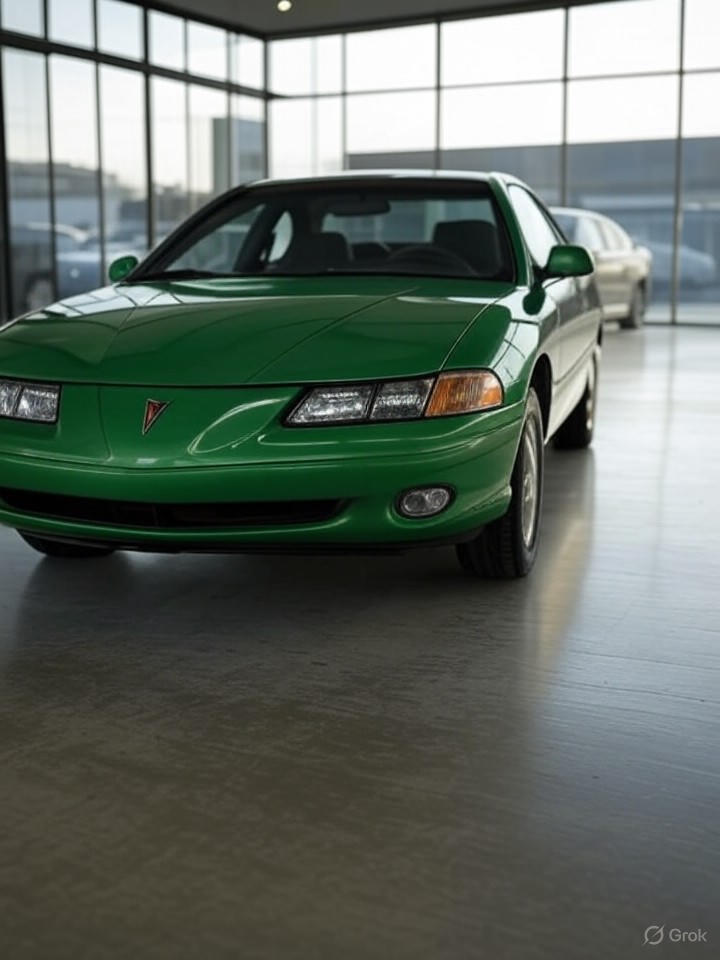
Mechanically identical J-body twin — same engine, same platform, same parts. Often priced similarly and worth comparing side-by-side.
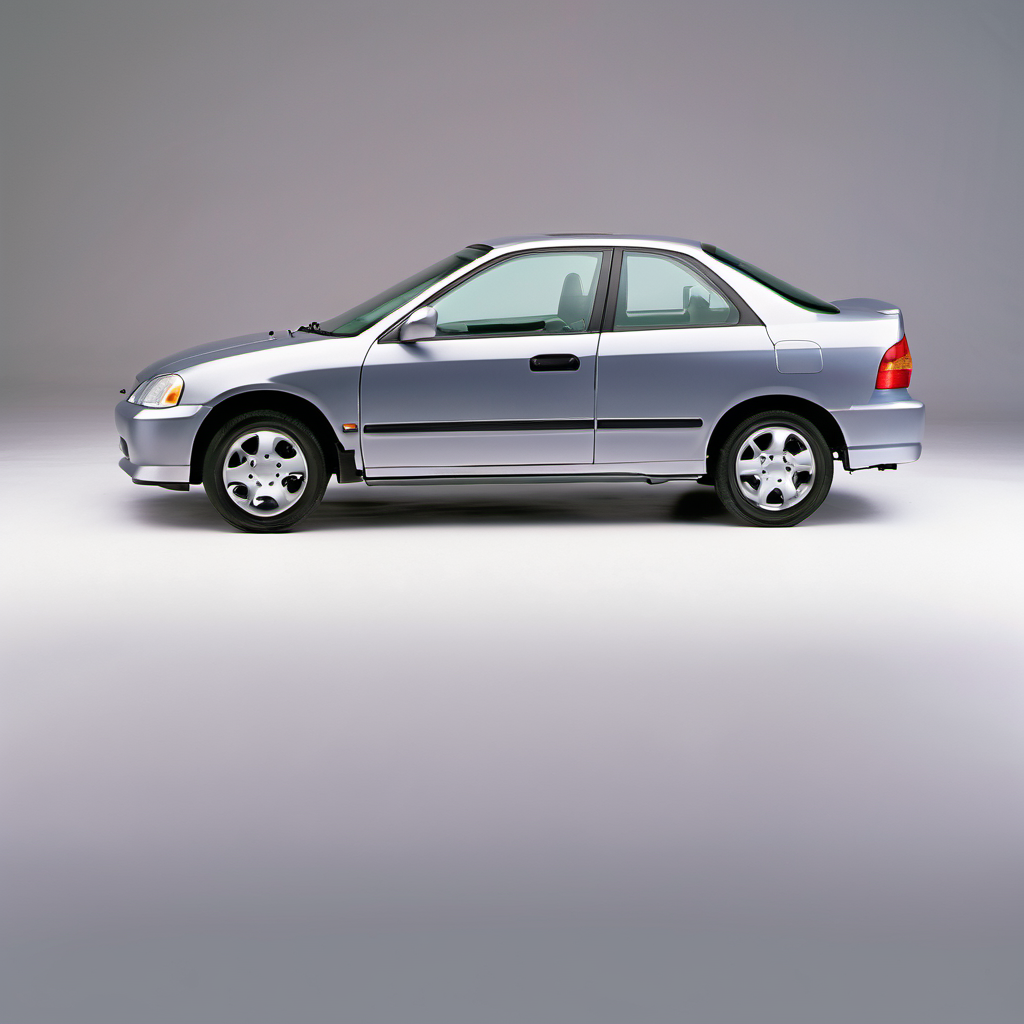
Same compact segment and price range when new. The Civic has a stronger reliability reputation and better rust resistance, making it a higher-value used buy at similar asking prices.
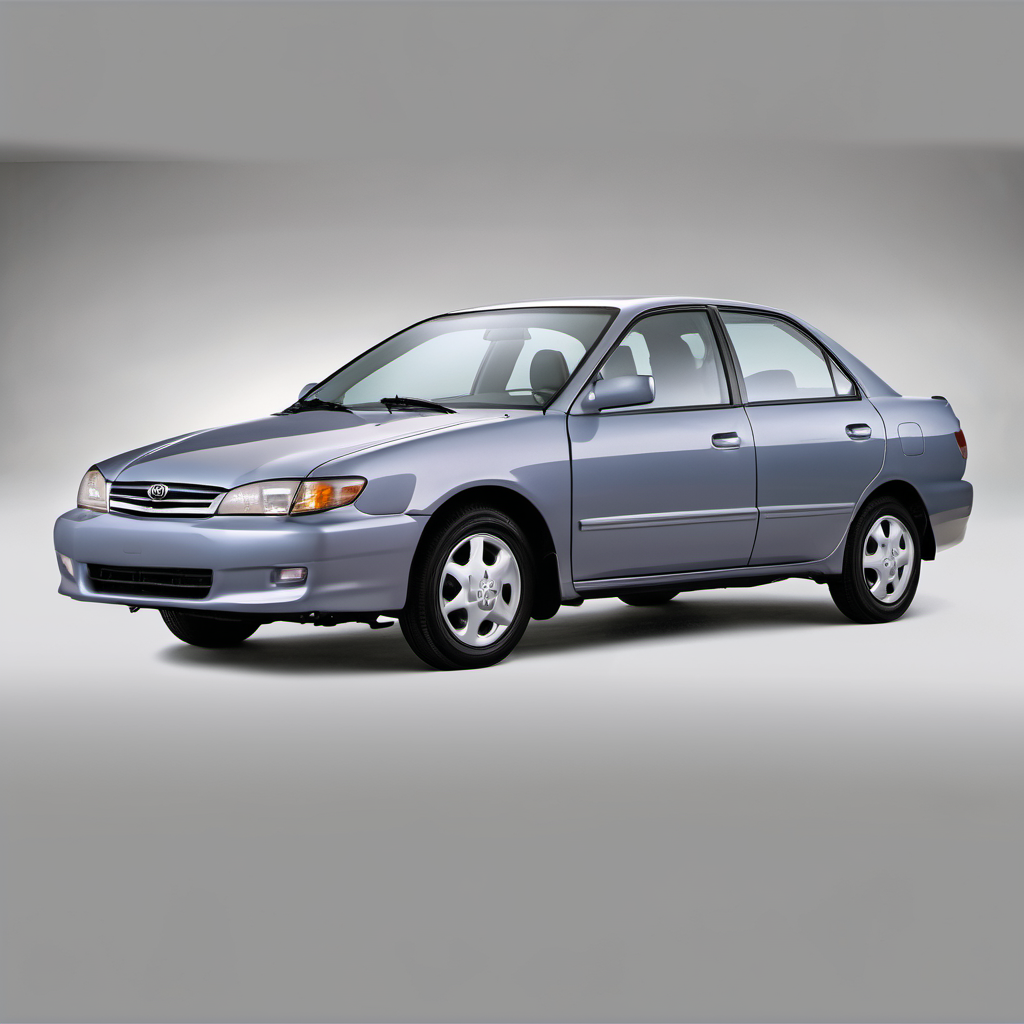
Direct competitor at the same price point. The Corolla typically commands a small premium on the used market but earns it with superior long-term reliability and better corrosion hold-up.
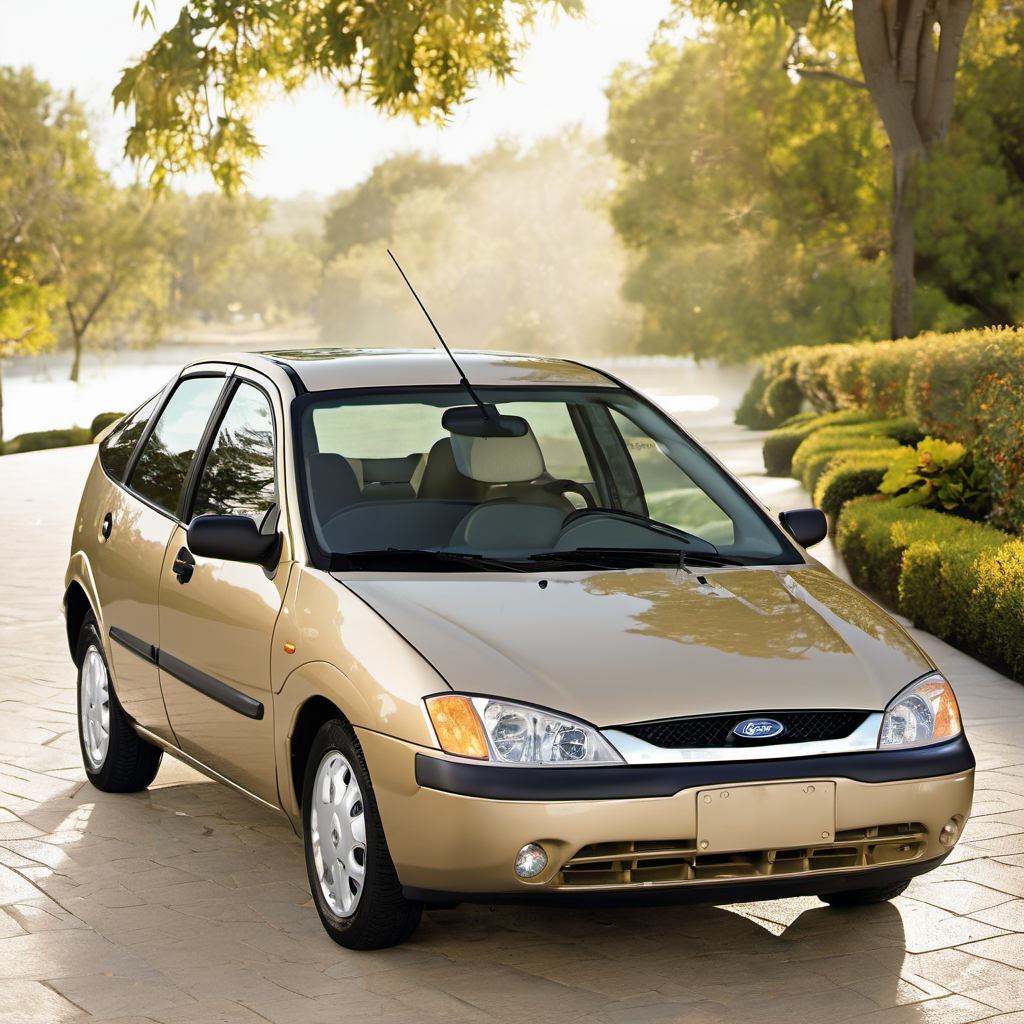
Ford's compact entry of the same era. More modern styling and handling than the Cavalier, though early Focus models had their own reliability quirks. Worth a comparison inspection.