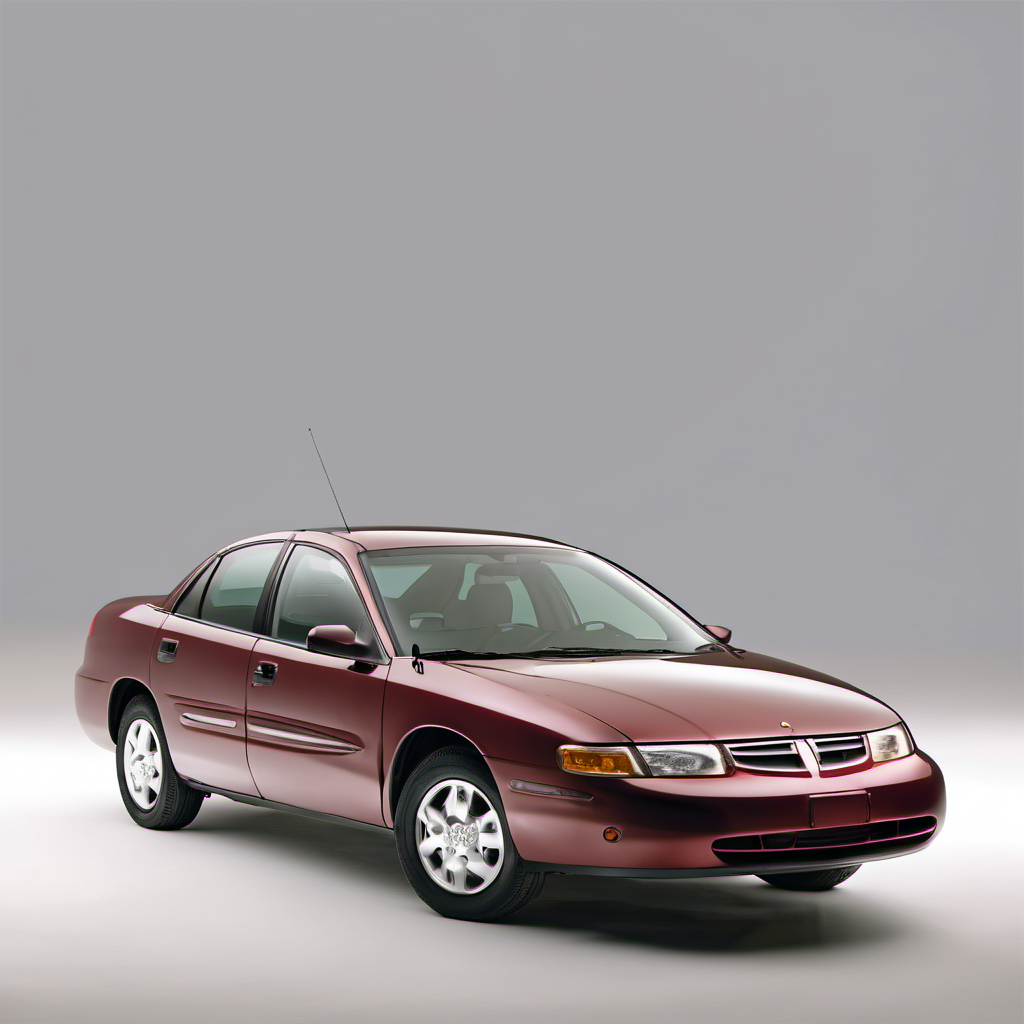
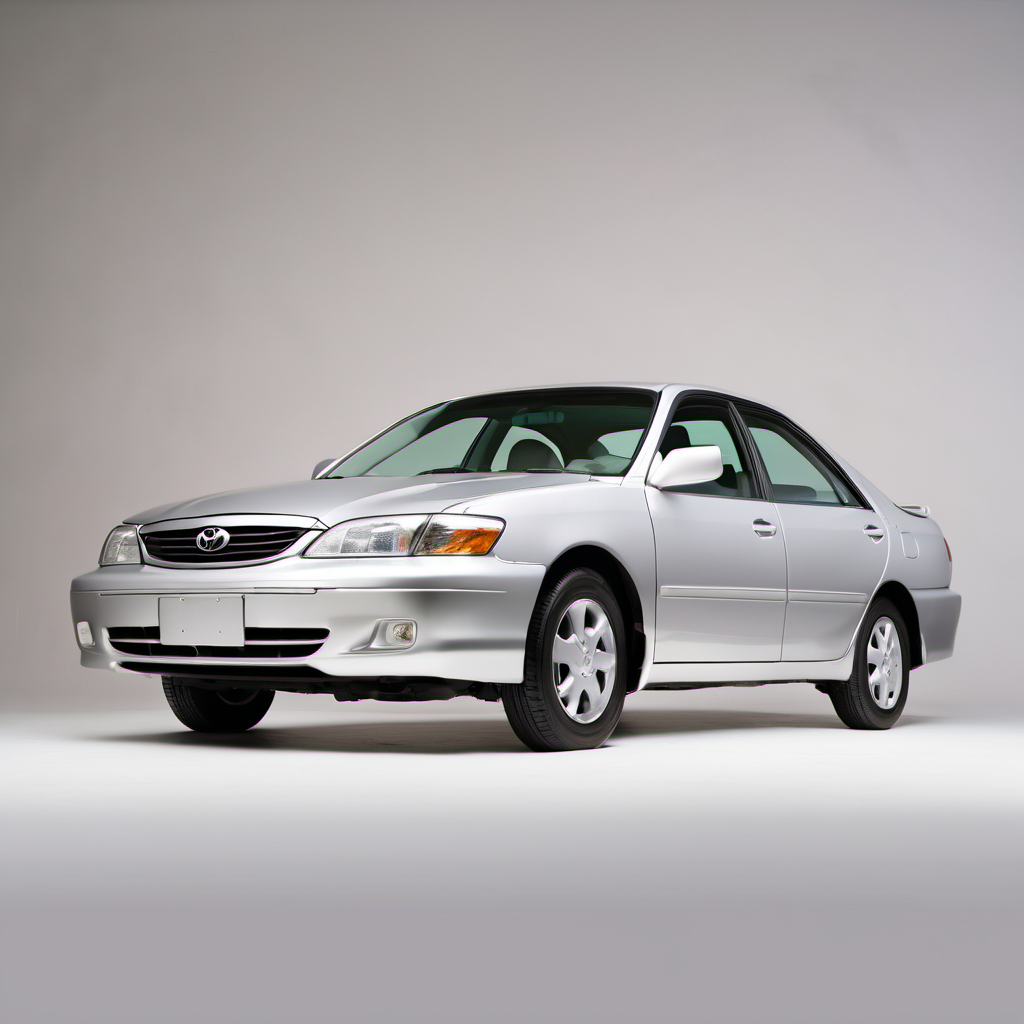
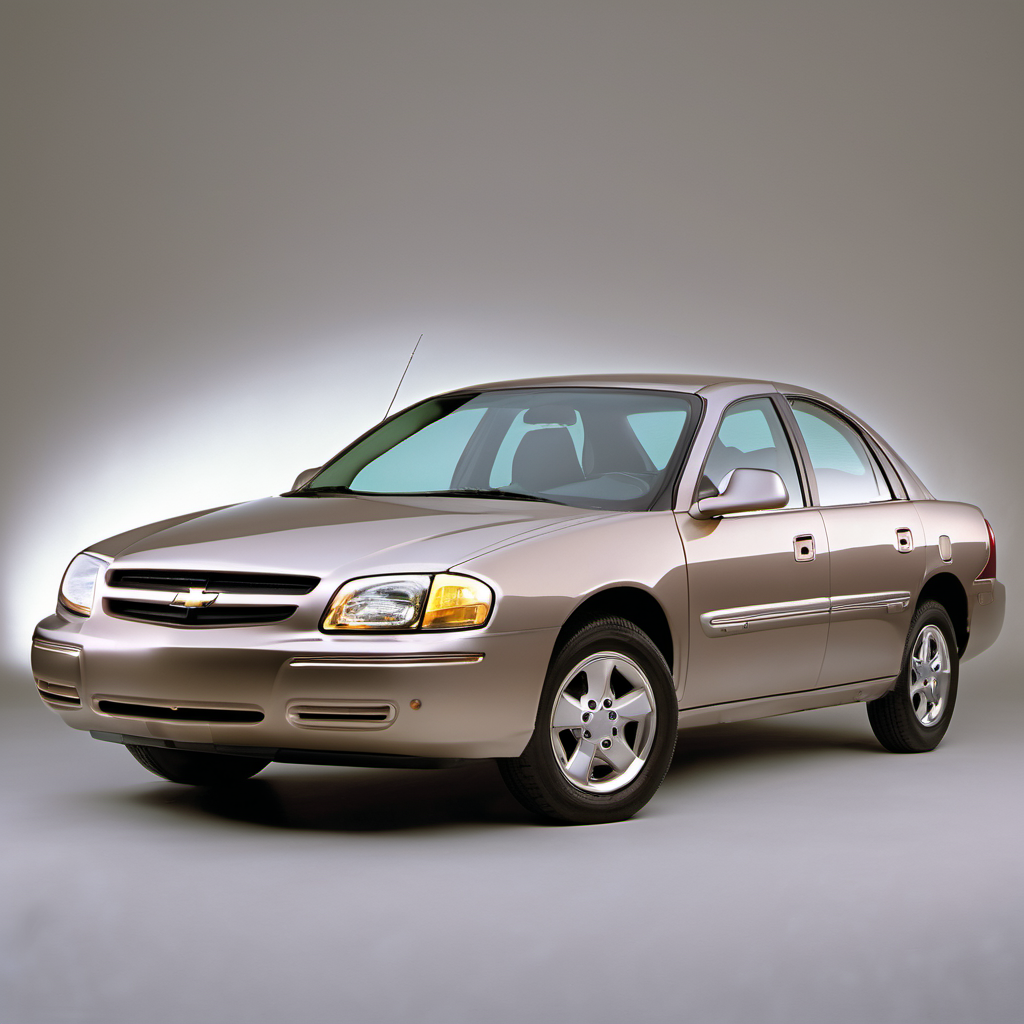
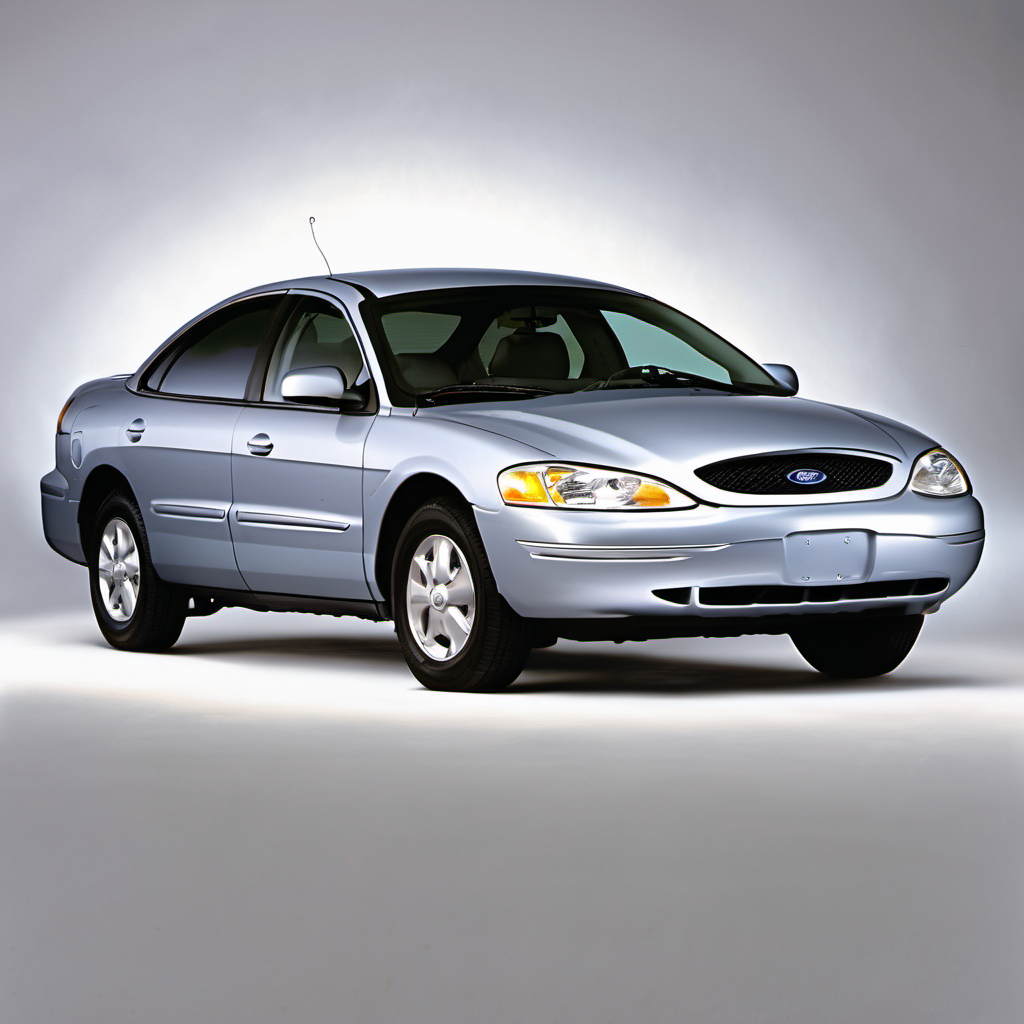
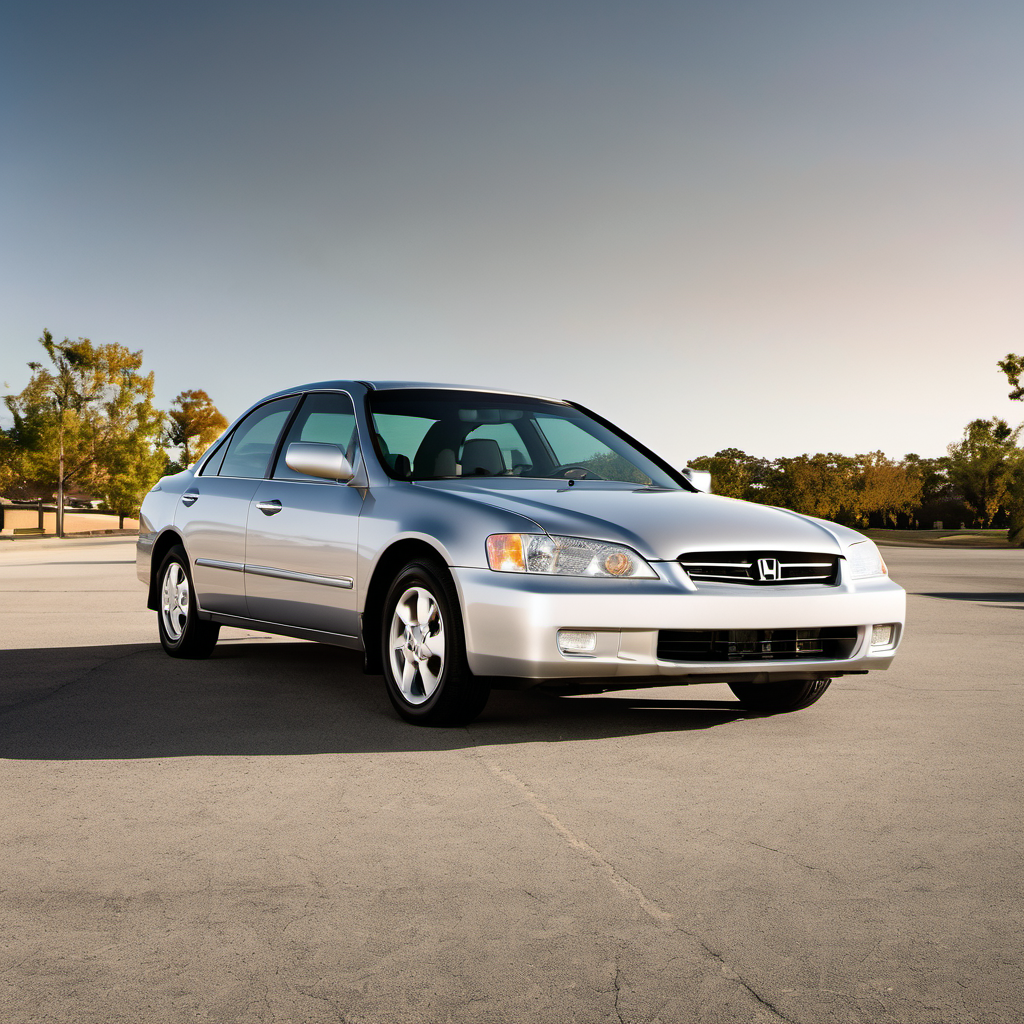
2000 Saturn L-Series Sedan

2000 Saturn

L-SeriesSedan

2.2L I4 (DOHC) · Sedan

The 2000 Saturn L-Series was Saturn's first foray into the mid-size segment, a deliberate step up from the compact S-Series that had built the brand. Built at the Spring Hill, Tennessee plant on a platform shared with the Opel Vectra, the L-Series brought European-influenced engineering to an American budget-friendly package. It was offered as a sedan (L100/L200/L300) and a wagon (LW series), with four-cylinder and optional V6 powertrains. Compared to the beloved S-Series, the L-Series never quite captured the same loyal following. Parts availability was decent while Saturn existed as a brand but dried up significantly after GM killed Saturn in 2010. Today, finding a well-maintained example is harder, and the ownership pool is thin — meaning fewer specialists and fewer low-cost used parts in circulation. For a 25-year-old budget sedan, the L-Series can still serve basic transportation needs, but it demands a thorough pre-purchase inspection. Rust, aging plastic components, and orphan-brand parts sourcing are the biggest concerns for anyone in a salt-belt state like Wisconsin.

Reliability
2/5
Verified data
Engine
2.2L I4 (DOHC)
Drivetrain
FWD
Fuel
Gasoline
MPG
24 city / 33 hwy / 27 combined
Seats
5
Doors
4
Body
Sedan
MSRP
$16,995

Overview

AI-curated

The 2000 Saturn L-Series was Saturn's first foray into the mid-size segment, a deliberate step up from the compact S-Series that had built the brand. Built at the Spring Hill, Tennessee plant on a platform shared with the Opel Vectra, the L-Series brought European-influenced engineering to an American budget-friendly package. It was offered as a sedan (L100/L200/L300) and a wagon (LW series), with four-cylinder and optional V6 powertrains. Compared to the beloved S-Series, the L-Series never quite captured the same loyal following. Parts availability was decent while Saturn existed as a brand but dried up significantly after GM killed Saturn in 2010. Today, finding a well-maintained example is harder, and the ownership pool is thin — meaning fewer specialists and fewer low-cost used parts in circulation. For a 25-year-old budget sedan, the L-Series can still serve basic transportation needs, but it demands a thorough pre-purchase inspection. Rust, aging plastic components, and orphan-brand parts sourcing are the biggest concerns for anyone in a salt-belt state like Wisconsin.

Known for
  • Opel Vectra-derived platform with a European feel
  • Dent-resistant polymer body panels that don't rust
  • Affordable entry price when new
  • Smooth, compliant ride for a budget sedan
Best for
  • Budget-conscious buyers who can source parts patiently
  • Low-mileage urban commuting
  • Buyers who prioritize body-panel dent resistance over long-term parts support
Watch for
  • Saturn brand discontinued in 2010 — OEM parts increasingly scarce
  • Subframe and structural corrosion under the polymer panels
  • Cooling system failures on higher-mileage examples
  • Transmission reliability concerns on 4-speed automatic-equipped models
  • Electrical gremlins as aging wiring harnesses and connectors degrade

Common issues by mileage

6 known

Cooling System Failures (Water Pump, Thermostat, Hoses)

high
Typically appears
80–130k mi
Estimated repair
$250 – $650

Intake Manifold Gasket Leak

high
Typically appears
70–120k mi
Estimated repair
$300 – $600

Automatic Transmission Slipping / Harsh Shifts

medium
Typically appears
90–150k mi
Estimated repair
$400 – $2,200

Oxygen Sensor Heater Circuit Failure

medium
Typically appears
80–120k mi
Estimated repair
$150 – $350

Aging Wiring Harness / Connector Corrosion (Network Communication Faults)

medium
Typically appears
100k+ mi
Estimated repair
$200 – $900

Power Window Regulator Failure

medium
Typically appears
80–140k mi
Estimated repair
$150 – $350

Maintenance schedule

  1. 1
    Every 2 years / 30k mi Engine Coolant Flush and Hose Inspection

    Cooling system components are a known weak point on the L-Series. Fresh coolant and early detection of soft or cracked hoses prevents the expensive overheating events that kill these engines.

  2. 2
    Every 30k mi (especially if towing or city driving) Transmission Fluid Change

    The 4-speed automatic is sensitive to degraded fluid. Saturn's 'lifetime' fluid claims are optimistic for a 25-year-old vehicle — fresh Dexron fluid extends clutch pack life significantly.

  3. 3
    Every 30k mi Spark Plugs and Ignition Wires

    Older platinum plugs and rubber ignition wires harden and crack over time, especially through Wisconsin freeze-thaw cycles. Misfires are hard on the catalytic converter.

  4. 4
    Every 50k mi or at first sign of cracking/glazing Serpentine Belt and Tensioner Inspection

    Belt failure leaves you stranded and can damage the alternator or power steering pump. At this vehicle's age, replace on schedule rather than on failure.

  5. 5
    Every fall before winter Battery Load Test

    Sub-zero starts in Lake Geneva put extreme strain on aging batteries. A battery over 4 years old should be load-tested, not just voltage-checked, before winter.

  6. 6
    Every 2–3 years Brake Fluid Flush

    Brake fluid absorbs moisture over time, lowering its boiling point and accelerating internal caliper corrosion — a real concern in Wisconsin's salt-heavy winters.

  7. 7
    Every spring after winter season Underbody Inspection for Rust / Subframe Corrosion

    Polymer body panels don't rust, but the steel subframe, suspension mounts, brake lines, and fuel lines underneath absolutely do. Salt accumulation in winter accelerates this fast on a 25-year-old vehicle.

  8. 8
    Every 30k mi Air Filter and PCV Valve Replacement

    A clogged PCV valve causes oil pressure buildup, leaks, and sludge. On a high-mileage L-Series, this is cheap insurance against much bigger engine problems.

Always defer to the manufacturer's service manual for warranty-mandated intervals.

Cost of ownership

Annual maintenance
$600 – $1,800
Fuel
Regular 87 octane. At ~27 MPG combined and ~12,000 miles/year, expect roughly $1,200–$1,500/year at current Midwest fuel prices.
Insurance
Low. As an older, low-value sedan, liability-only or minimum coverage is typical. Full coverage rarely makes financial sense given the vehicle's market value.

On paper this is a cheap car to own — low insurance, decent fuel economy, and modest scheduled maintenance costs. The catch is that parts sourcing for a discontinued brand adds time and sometimes cost to every repair. Budget $600–$900/year if the car is in good shape; plan for $1,200–$1,800 in any year a major component (transmission, cooling system) needs attention. Keep a repair fund — surprises are more common past 100k on these.
Seasonal care

Lake Geneva, WI
Winter
  • Load-test the battery every October — cold cranking amps drop sharply below 20°F and this car's electrical system is already aging.
  • Switch to a full-synthetic 5W-30 oil if not already running it; conventional oil thickens in sub-zero temps and delays oil pressure at startup.
  • Flush wiper fluid reservoir and fill with a rated -40°F formula — Lake Geneva winters regularly see temperatures where standard fluid freezes in the nozzles.
  • Inspect and replace wiper blades before first snow; consider winter-specific beam blades that don't clog with ice.
  • Apply dielectric grease to exposed electrical connectors during fall inspection to slow salt-moisture corrosion on aging 25-year-old wiring.
  • After winter, do a full underbody wash and inspection — brake lines, fuel lines, and subframe mounting points are prime rust targets on this platform.
Summer
  • Check coolant level and concentration before summer heat — the L-Series cooling system is already a known weak point and heat soak accelerates failures.
  • Inspect A/C system for refrigerant leaks; recharge only if pressures confirm a deficit. At 25 years old, O-rings and hose fittings may be seeping.
  • Check tire pressure monthly — summer heat increases pressure by 4–6 PSI above cold readings, which affects handling and wear.
  • Inspect radiator and condenser fins for debris (bugs, cottonwood) that restrict airflow and contribute to overheating at idle or in traffic.

Comparable vehicles

If you're shopping for one

Red flags
  • Any structural rust on the subframe or frame rails — repair costs will exceed the car's value.
  • Evidence of overheating (white residue at coolant cap, warped thermostat housing, stained overflow tank) — could indicate head damage.
  • Transmission that hesitates, slips between gears, or clunks on engagement — rebuilds or replacements are expensive and parts are scarce.
  • U-code (network communication) DTCs combined with multiple electrical complaints — could indicate a failing BCM or damaged wiring harness, both difficult and costly to trace on an orphan platform.
  • A seller who cannot produce any maintenance records — at 25 years old, provenance is everything on this vehicle.
What to inspect
  • Lift the car and closely inspect the steel subframe, lower control arm mounting points, brake lines, and fuel lines for rust perforation — polymer panels hide what's happening underneath.
  • Check coolant color and level; milky or rusty coolant signals head gasket or cooling system trouble.
  • Test every power window, door lock, and interior electrical switch — aging wiring and connectors make these the first things to fail.
  • Ask for a transmission fluid check; dark, burnt-smelling fluid on the 4-speed automatic means hard miles or neglected service.
  • Run a full OBD-II scan before purchase — don't just check for CEL. Pending codes and module communication faults (U-codes) often hide intermittent problems.
  • Check availability of key parts (water pump, transmission solenoids, control arms) before committing — some items require used/salvage sourcing now.
AI profile generated 11 days ago · claude-sonnet-4-6 · v2.