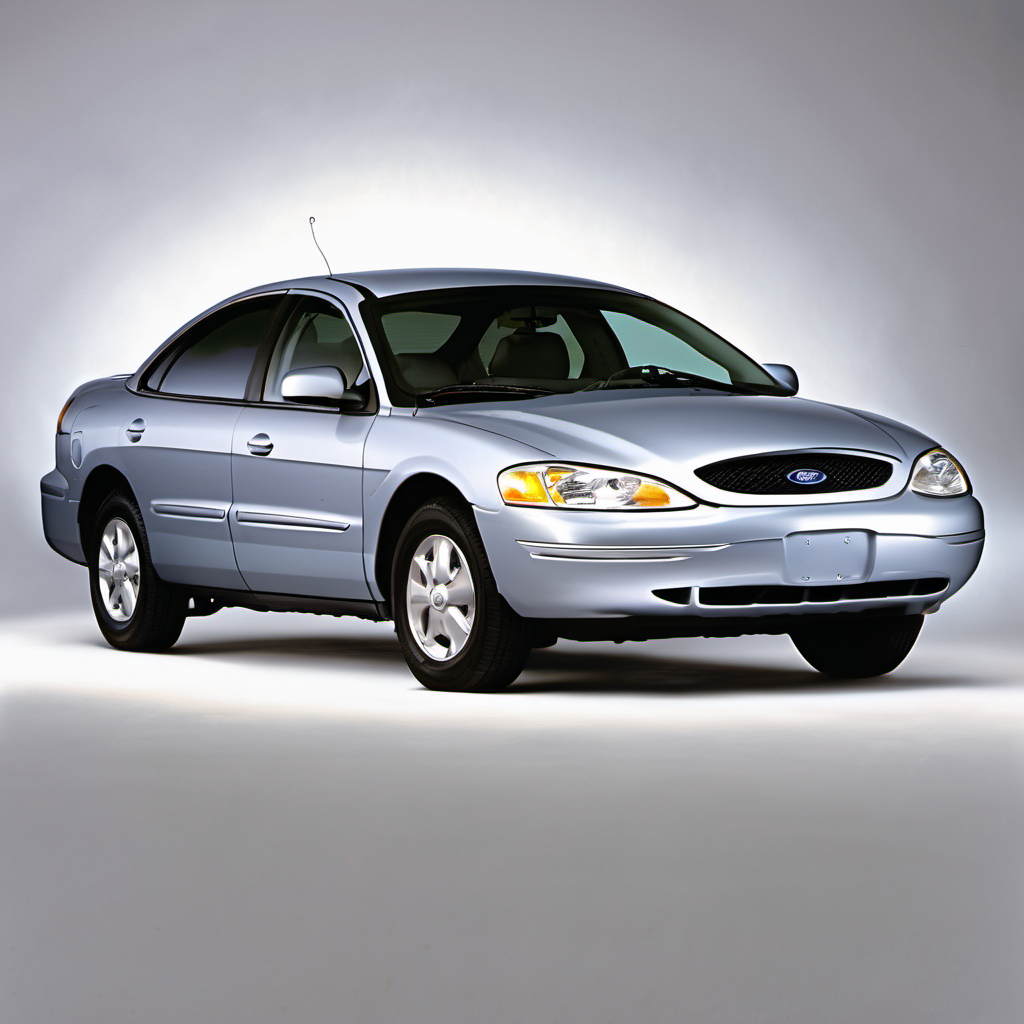
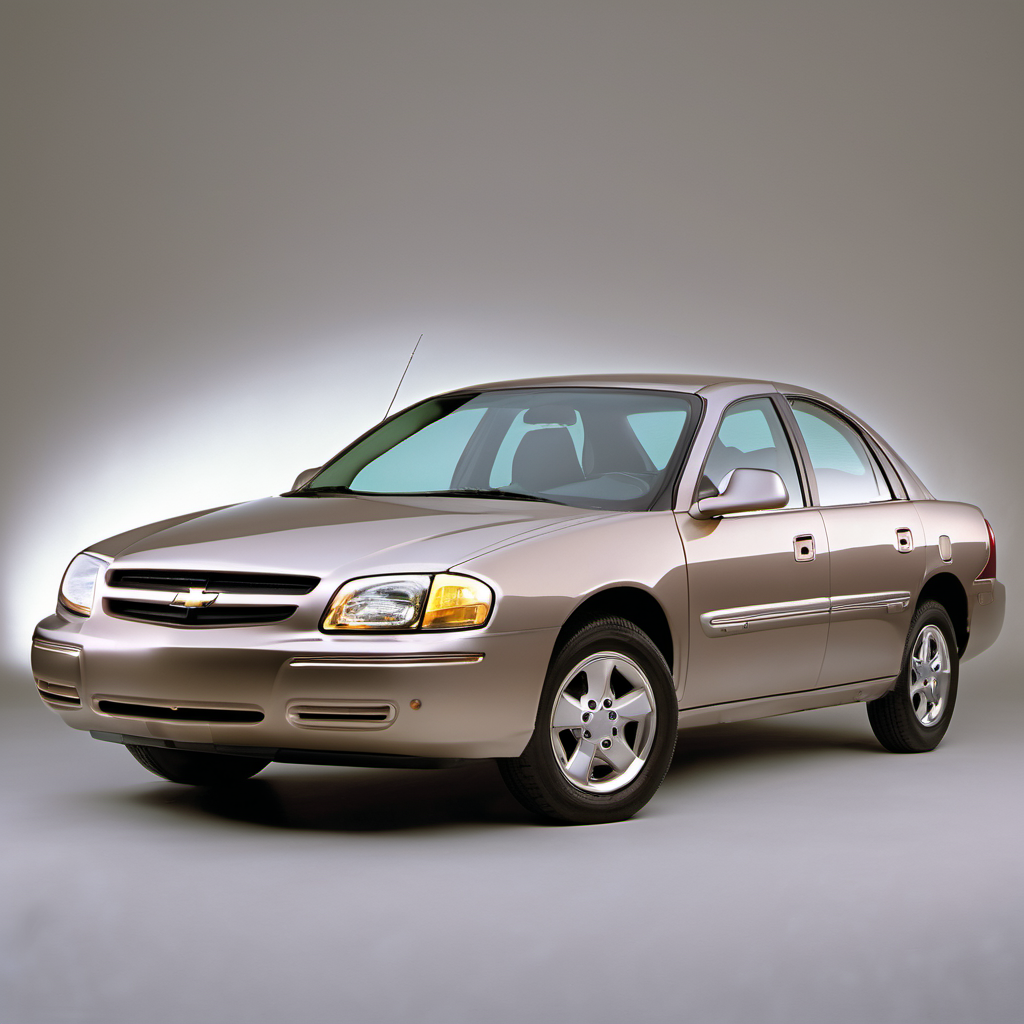
2000 Ford Taurus Sedan

2000 Ford

TaurusSedan

Sedan

The 2000 Ford Taurus was America's best-selling car for much of the 1990s, and this generation (1996–2007 body style) represented Ford's mainstream family sedan at its peak. The 3.0L Vulcan V6 was the standard engine, but the supplied data points to the 3.0L Duratec DOHC ('4V') — a more refined unit with better power but also more maintenance demands. Both engines are workhorses by nature, though the Duratec requires closer attention to cooling system health. At 24 years old, any surviving 2000 Taurus is deep into high-mileage territory. These cars were fleet and family staples — many lived hard lives. That said, a well-kept example with documented service history can still provide reliable basic transportation at a very low acquisition cost. The AX4N or AX4S automatic transmission is the biggest wild card on higher-mileage cars. For buyers in the Lake Geneva area, rust is the number-one concern. Wisconsin road salt is relentless, and subframe corrosion, brake line rot, and floor pan rust are common on Tauruses of this era. Budget accordingly, and inspect underneath before anything else.

Reliability
2/5
Verified data
Specs shown for Taurus — the most common configuration. Other trims may vary in engine, drivetrain, or fuel economy. Sign in to see your vehicle's exact specs.
Engine
[object Object]
Drivetrain
FWD
Fuel
Gasoline
MPG
17 city / 26 hwy / 20 combined
Seats
Doors
Body
Large Cars

Overview

AI-curated

The 2000 Ford Taurus was America's best-selling car for much of the 1990s, and this generation (1996–2007 body style) represented Ford's mainstream family sedan at its peak. The 3.0L Vulcan V6 was the standard engine, but the supplied data points to the 3.0L Duratec DOHC ('4V') — a more refined unit with better power but also more maintenance demands. Both engines are workhorses by nature, though the Duratec requires closer attention to cooling system health. At 24 years old, any surviving 2000 Taurus is deep into high-mileage territory. These cars were fleet and family staples — many lived hard lives. That said, a well-kept example with documented service history can still provide reliable basic transportation at a very low acquisition cost. The AX4N or AX4S automatic transmission is the biggest wild card on higher-mileage cars. For buyers in the Lake Geneva area, rust is the number-one concern. Wisconsin road salt is relentless, and subframe corrosion, brake line rot, and floor pan rust are common on Tauruses of this era. Budget accordingly, and inspect underneath before anything else.

Known for
  • One of the best-selling American sedans of its era — parts are cheap and plentiful
  • Smooth, quiet highway ride for its class
  • Duratec 3.0L DOHC V6 delivers solid power (200 hp) when properly maintained
  • Spacious interior with good front-seat comfort
  • Low purchase price at this age
Best for
  • Budget-conscious commuters needing a roomy sedan
  • Drivers who do their own basic maintenance
  • Short-to-medium distance daily driving
  • First car buyers comfortable with older vehicle tradeoffs
Watch for
  • Severe underbody rust — subframes, brake lines, and fuel lines rot badly in Wisconsin
  • Intake manifold coolant crossover leaks (Duratec and Vulcan both affected)
  • AX4N/AX4S transmission slipping or harsh shifts on high-mileage cars
  • Coolant system neglect leading to overheating and head gasket damage
  • Deferred maintenance is common on cars this age — assume it until proven otherwise

Common issues by mileage

6 known

Intake Manifold Coolant Crossover Leak

high
Typically appears
80–150k mi
Estimated repair
$400 – $900

AX4N / AX4S Transmission Slipping or Shuddering

high
Typically appears
100–150k mi
Estimated repair
$800 – $2,800

Oxygen Sensor Failure (Bank 1 Sensor 1 Heater Circuit)

medium
Typically appears
80–130k mi
Estimated repair
$120 – $280

Heated Oxygen Sensor Circuit Fault (Bank 1 Sensor 2)

medium
Typically appears
80–140k mi
Estimated repair
$120 – $280

Underbody Rust — Brake Lines, Fuel Lines, Subframe

high
Typically appears
Any mileage, age-driven
Estimated repair
$300 – $2,500

Thermostat Failure / Cooling System Neglect Leading to Overheating

medium
Typically appears
80–150k mi
Estimated repair
$150 – $1,200

Maintenance schedule

  1. 1
    Every 30k mi or every 2 years — do it now if history is unknown Flush and replace engine coolant

    The Duratec 3.0L is very sensitive to old or degraded coolant. Electrolytic corrosion eats the intake crossover and can attack head gaskets. On a car this age, assume the coolant is due.

  2. 2
    Every 30k mi; inspect condition immediately on purchase Inspect and service AX4N transmission (fluid + filter)

    Ford's AX4N/AX4S is the Taurus's most expensive failure point. Fresh fluid with a proper filter change (not just a drain-and-fill) can extend life significantly. Check for burnt smell or dark fluid.

  3. 3
    Every 60k mi Replace spark plugs

    The Duratec DOHC uses 6 plugs with reasonable access, but worn plugs cause rough idle and misfires. On a car this age, replace them even if recently 'serviced' — verify with records.

  4. 4
    Every year; critical inspection at purchase Inspect all brake lines and fuel lines for rust

    Wisconsin salt eats steel brake and fuel lines on cars this era. A pinhole brake line failure is a safety emergency. Look for bubbling, flaking, or heavy surface rust along the chassis runs.

  5. 5
    Every 60–75k mi or if cracking is visible Replace serpentine belt and inspect tensioner/idler

    A snapped belt strands you immediately and can cause power steering loss. The tensioner on this engine often wears out around the same interval.

  6. 6
    Every 100k mi or at first fault code Inspect and replace oxygen sensors as needed

    Worn O2 sensors hurt fuel economy and can mask other issues. The heater circuits fail first, especially after years of cold Wisconsin starts. Address P0030, P0031, P0036 codes promptly.

  7. 7
    Every year Inspect subframe and suspension bushings for rust and deterioration

    Rubber bushings harden and crack with age; the steel subframe itself can rust through on high-salt-exposure cars. Both affect handling and alignment.

  8. 8
    Every 3–4 years; test before winter Test and replace battery

    At sub-zero temperatures common in Lake Geneva, a marginal battery will fail to start the car. The Duratec draws significant current on cold starts. Don't wait for it to die.

Always defer to the manufacturer's service manual for warranty-mandated intervals.

Cost of ownership

Annual maintenance
$600 – $1,800
Fuel
At ~20 MPG combined and ~12,000 miles/year, expect roughly $1,500–$1,800/year in fuel at current Midwest prices.
Insurance
Typically very low — expect $600–$900/year for full coverage on a vehicle with a low market value. Liability-only can be under $500/year.

The 2000 Taurus is cheap to buy and cheap to insure, and basic parts (filters, belts, sensors) are inexpensive due to high production volumes. The real risk is deferred maintenance catching up — a transmission rebuild or major cooling system repair can cost $1,000–$2,800 and quickly exceed the car's market value. Budget conservatively and keep a reserve fund for the big-ticket items. Annual maintenance in the $600–$1,800 range is realistic for a car this age if you're staying ahead of problems; expect the higher end if you're catching up on neglect.
Seasonal care

Lake Geneva, WI
Winter
  • Test battery capacity before November — the Duratec is a hard cold-weather starter on a weak battery, and Lake Geneva regularly sees sub-zero mornings
  • Switch to a full-synthetic 5W-30 if not already used — it flows significantly better at cold startup and reduces wear during the critical first seconds of cranking
  • Inspect brake lines and fuel lines for rust every fall — salt exposure compounds year over year and a rotted brake line can fail without warning
  • Use a winter-rated windshield washer fluid rated to at least -20°F; the reservoir and pump are vulnerable to freeze damage if summer fluid is left in
  • Check antifreeze freeze protection with a test strip or refractometer — degraded coolant can freeze in the block on extreme nights
  • Keep the gas tank at least half full to prevent fuel line moisture and reduce the chance of fuel system issues in extreme cold
Summer
  • Monitor coolant temperature closely — the Duratec's intake crossover is already a weak point, and a hot summer compounds cooling system stress; watch for the temp gauge creeping high
  • Check tire pressure monthly — tires lose pressure in winter and then over-inflate in summer heat; the correct spec is on the door jamb sticker
  • Run the A/C system on a trip to verify the compressor clutch engages and cold air is delivered — recharge if needed, but also check for oily residue around fittings indicating a leak
  • Inspect the radiator and coolant hoses for soft spots, cracks, or swelling before summer road trips
  • Check wiper blades — winter ice scraping damages blades; replace in spring so summer storms don't catch you with streaking wipers

Comparable vehicles

If you're shopping for one

Red flags
  • Any sign of frame or subframe rust perforation — walk away, repair costs are prohibitive
  • Transmission that slips, hunts for gears, or shudders during a test drive
  • Overheating history or a temp gauge that climbs above the midpoint during the test drive
  • No maintenance records at all — on a 24-year-old car, that's almost always a sign of neglect
  • Coolant that is brown, oily, or smells burnt — the crossover or head gasket is likely compromised
  • Any active check engine light combined with rough idle or misfires — diagnose before purchase, not after
What to inspect
  • Crawl under the car and inspect brake lines, fuel lines, and the front subframe for rust — this is the single most important check on any upper-Midwest Taurus this age
  • Pull the oil cap and look for mayonnaise-like buildup, which can indicate head gasket seepage from cooling system neglect
  • Check the coolant reservoir for oil contamination or a low/empty level — both are warning signs
  • Drive it through all gears and note any slipping, shuddering, or delayed engagement — transmission work is expensive and often exceeds the car's value
  • Check for musty smell or wet carpet, which can indicate a heater core leak or windshield seal failure — common on cars this age
  • Look for oil seepage around the valve covers and front crank seal — minor weeping is normal at this age, but heavy leaks add up
AI profile generated 16 days ago · claude-sonnet-4-6 · v2.