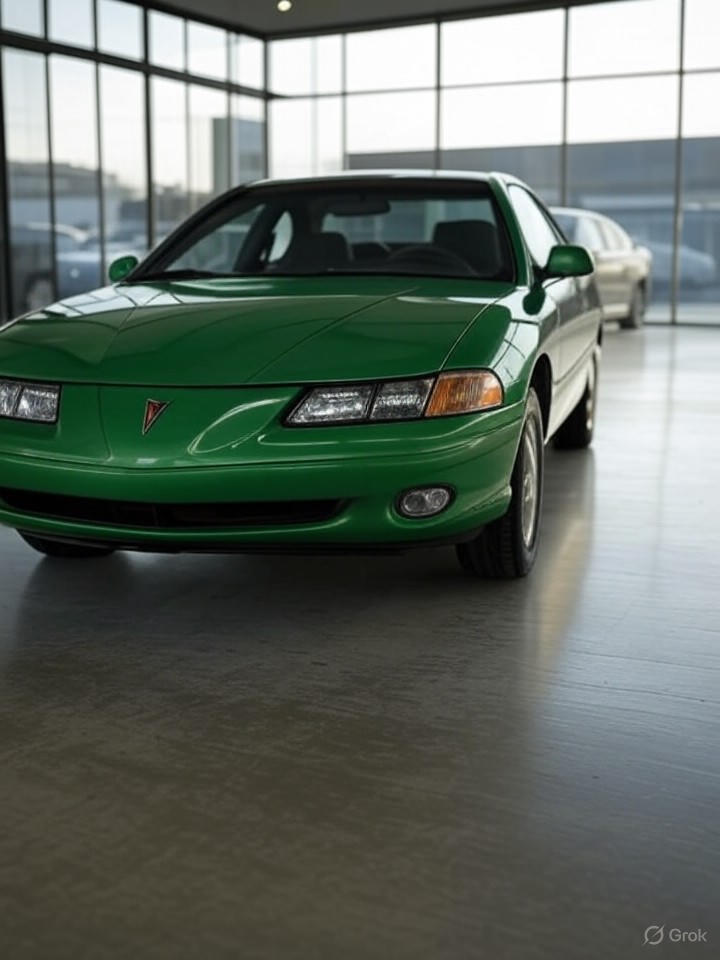
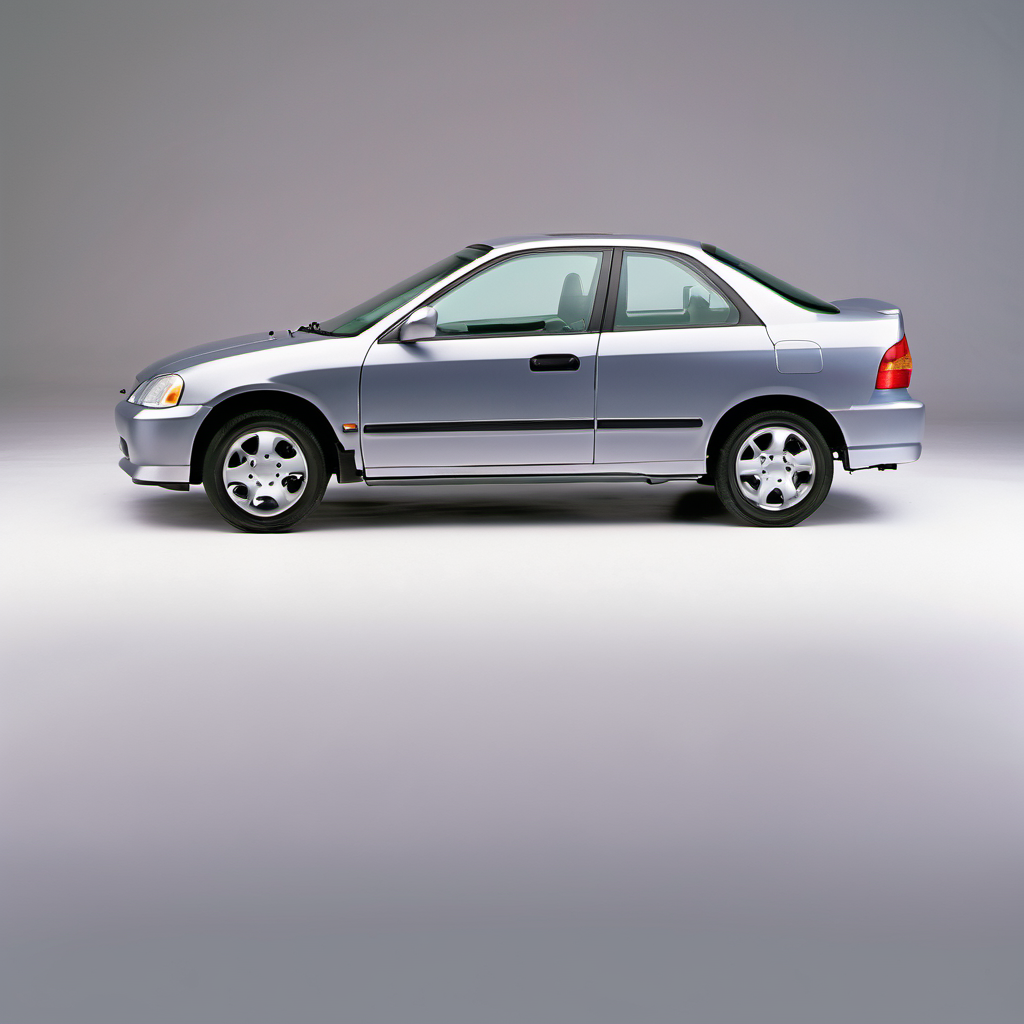
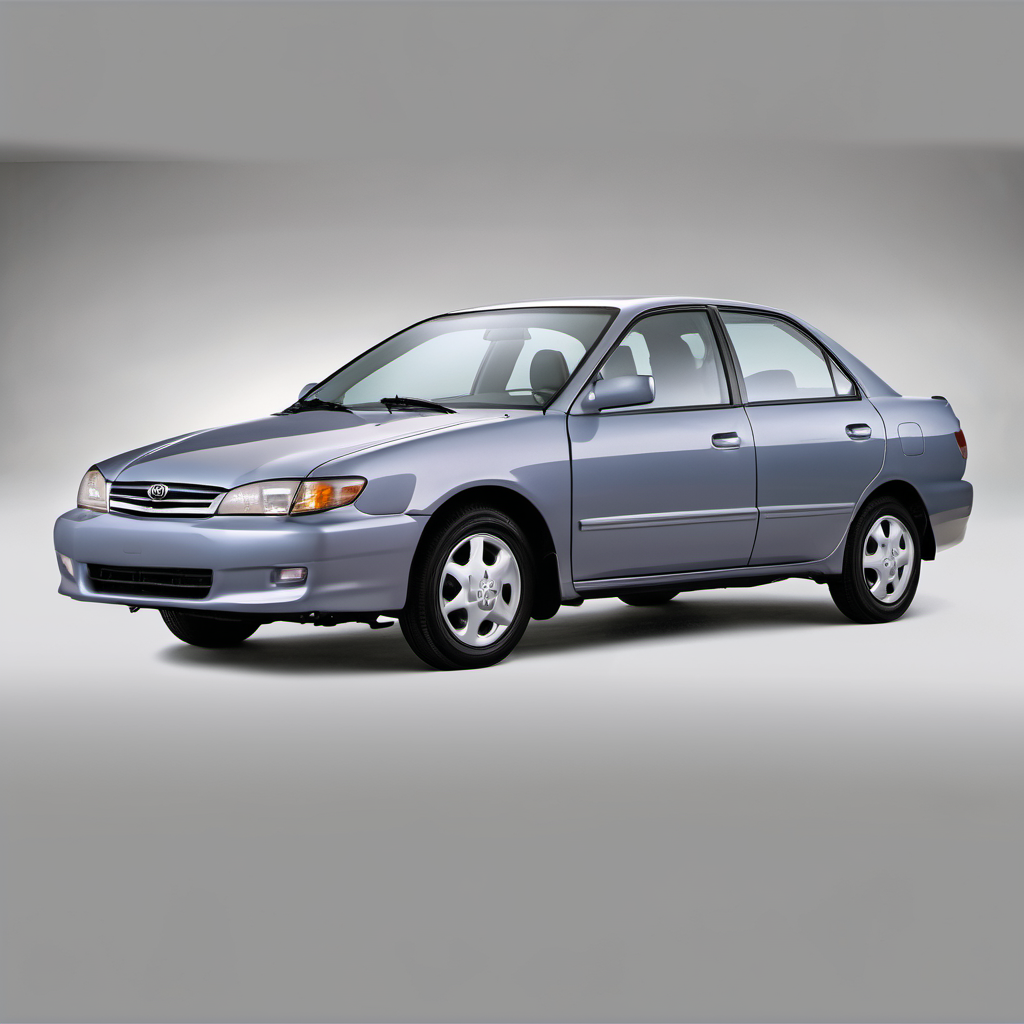
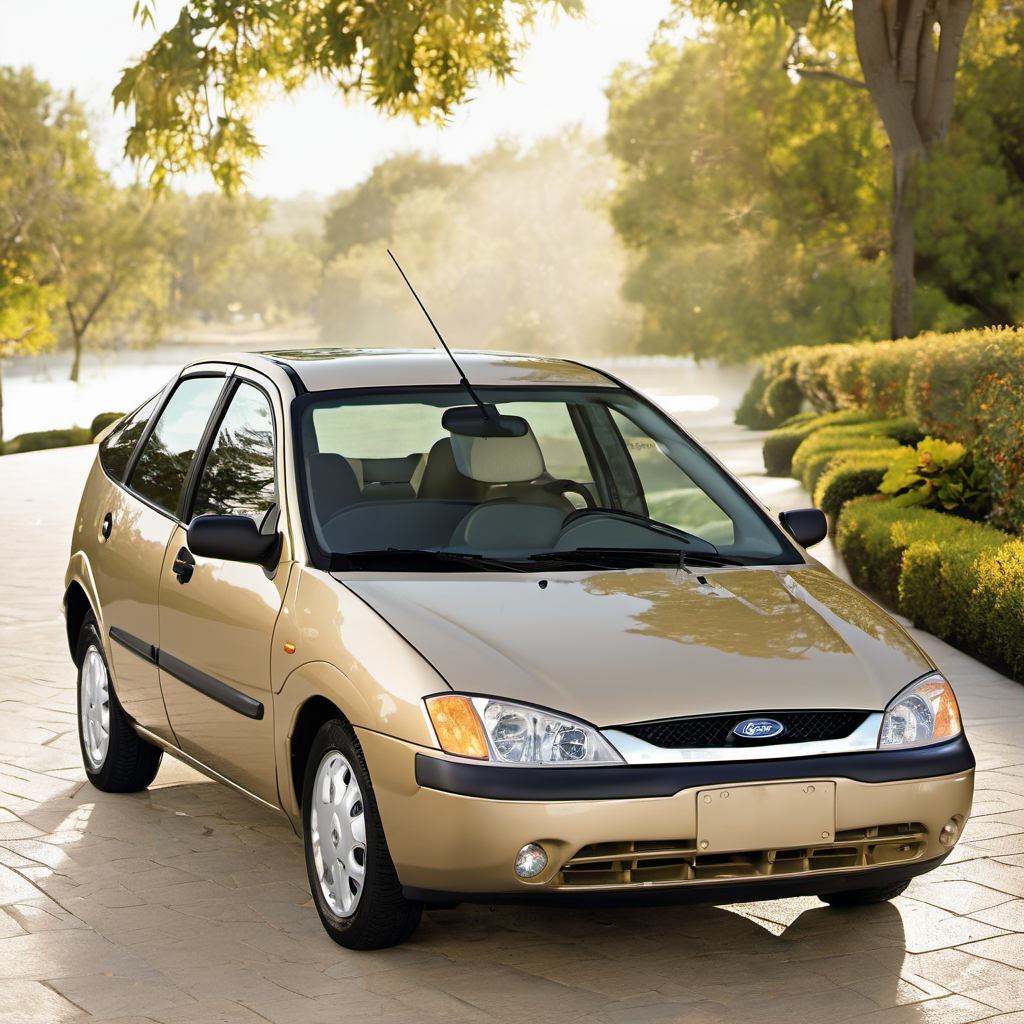
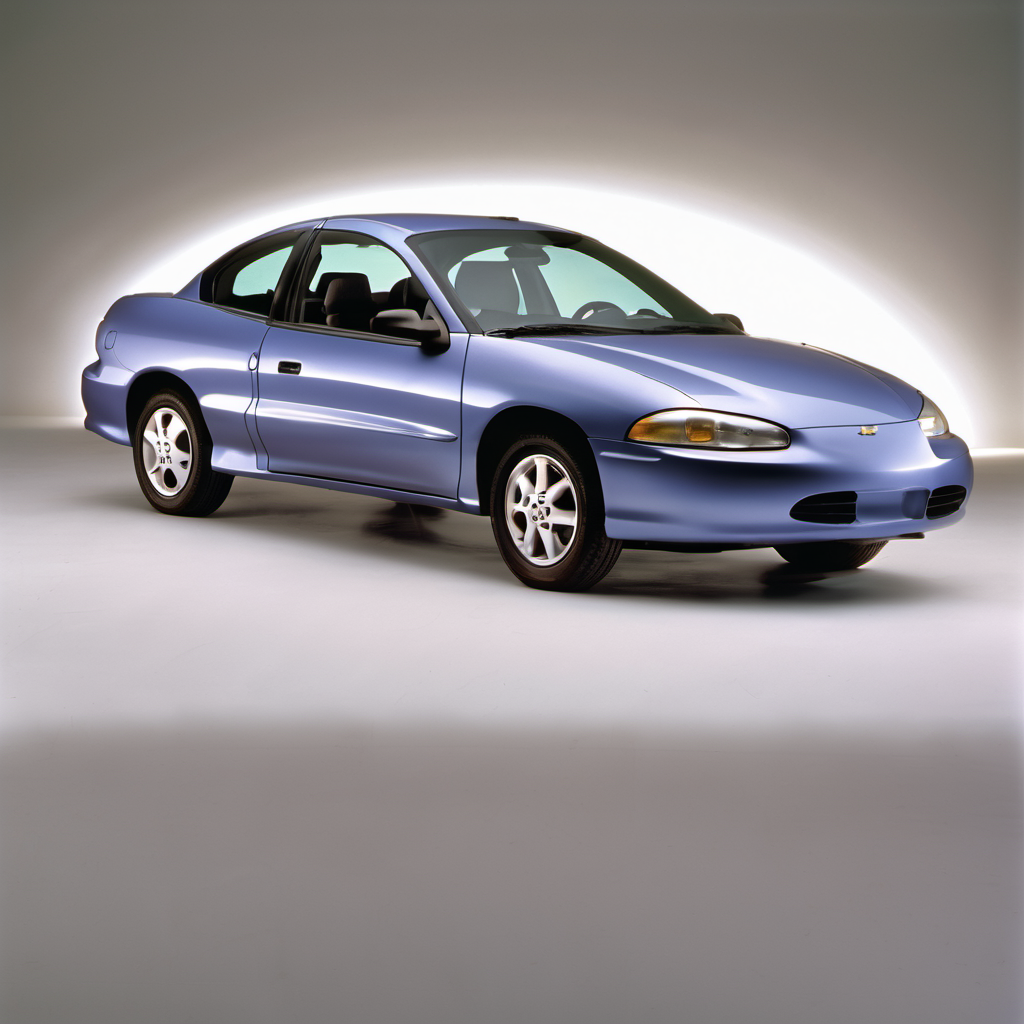
2000 Pontiac Sunfire Sedan

2000 Pontiac

SunfireSedan

Sedan

The 2000 Pontiac Sunfire Sedan is a front-wheel-drive compact built on GM's J-body platform, shared with the Chevy Cavalier. Designed as an affordable, entry-level commuter, it prioritized low purchase price and basic transportation over refinement or performance. By 2000 the platform was already aging — it traces its roots to 1982 — but the Sunfire remained a high-volume seller for GM thanks to fleet and first-car buyers. Under the hood sits GM's 2.2L pushrod four-cylinder, a proven but modest engine that rewards simple maintenance. The automatic version is relaxed and fuel-efficient enough for daily driving; the five-speed manual is more engaging but still nothing sporty. Interior materials are thin and the ride is firm, but the mechanicals are straightforward and cheap to fix at an independent shop. At 24 years old now, any surviving Sunfire is either a well-cared-for low-mileage example or a high-mileage workhorse. Rust is the single biggest threat in the upper Midwest — budget accordingly when evaluating one.

Reliability
2/5
Verified data
Specs shown for Sunfire — the most common configuration. Other trims may vary in engine, drivetrain, or fuel economy. Sign in to see your vehicle's exact specs.
Engine
[object Object]
Drivetrain
FWD
Fuel
Gasoline
MPG
20 city / 26 hwy / 22 combined
Seats
Doors
Body
Subcompact Cars

Overview

AI-curated

The 2000 Pontiac Sunfire Sedan is a front-wheel-drive compact built on GM's J-body platform, shared with the Chevy Cavalier. Designed as an affordable, entry-level commuter, it prioritized low purchase price and basic transportation over refinement or performance. By 2000 the platform was already aging — it traces its roots to 1982 — but the Sunfire remained a high-volume seller for GM thanks to fleet and first-car buyers. Under the hood sits GM's 2.2L pushrod four-cylinder, a proven but modest engine that rewards simple maintenance. The automatic version is relaxed and fuel-efficient enough for daily driving; the five-speed manual is more engaging but still nothing sporty. Interior materials are thin and the ride is firm, but the mechanicals are straightforward and cheap to fix at an independent shop. At 24 years old now, any surviving Sunfire is either a well-cared-for low-mileage example or a high-mileage workhorse. Rust is the single biggest threat in the upper Midwest — budget accordingly when evaluating one.

Known for
  • Very low cost of ownership when maintained
  • Simple, no-frills 2.2L pushrod engine easy to service
  • Shared J-body platform with Chevy Cavalier — parts widely available
  • Notoriously rust-prone rocker panels, floors, and subframes
  • Spartan interior quality even by 2000 standards
Best for
  • Budget-conscious commuters needing basic transportation
  • Mechanically inclined owners who do their own work
  • Low-mileage, garaged examples as a second car
  • First-time car buyers on a tight budget
Watch for
  • Severe rust on rockers, floor pans, and front subframe — especially in Wisconsin
  • Intake manifold gasket failure (coolant leak, overheating)
  • Lower control arm bushings and ball joints wear early
  • Electrical gremlins in aging wiring and connectors
  • Head gasket failure if the car has ever been overheated

Common issues by mileage

6 known

Intake Manifold Gasket Failure (Coolant Leak)

high
Typically appears
60–130k mi
Estimated repair
$250 – $500

Lower Control Arm Bushing / Ball Joint Wear

high
Typically appears
70–120k mi
Estimated repair
$200 – $450

Oxygen Sensor Failure (upstream heater circuit)

medium
Typically appears
80–150k mi
Estimated repair
$120 – $250

Rust — Rocker Panels, Floor Pan, and Front Subframe

high
Typically appears
Any mileage on Midwest vehicles
Estimated repair
$500 – $3,000

Thermostat / Cooling System Failure Leading to Overheating

medium
Typically appears
80–160k mi
Estimated repair
$80 – $300

Ignition Switch / Electrical Connector Degradation

medium
Typically appears
100k+ mi
Estimated repair
$100 – $350

Maintenance schedule

  1. 1
    Every 30k mi or 2 years; inspect gasket condition at each coolant service Engine coolant flush and intake manifold gasket inspection

    Intake manifold gaskets are the #1 failure point on the 2.2L OHV. Catching a weeping gasket early prevents coolant loss, overheating, and a much more expensive head gasket repair.

  2. 2
    Every 3,000–5,000 mi with conventional oil Oil change with filter

    The 2.2L OHV runs conventional oil; shorter intervals keep sludge from accelerating wear on a high-mileage engine.

  3. 3
    Every 60k mi or at any sign of cracking/glazing Serpentine belt and tensioner inspection

    Belt failure leaves you stranded and can damage cooling system components on this engine.

  4. 4
    Every 30k mi or any time you feel vagueness or clunking Front suspension inspection — control arm bushings, ball joints, tie rod ends

    J-body suspension components wear faster than average, especially on salted Wisconsin roads. Failed ball joints are a safety issue.

  5. 5
    Every 2–3 years Brake fluid flush

    Brake fluid absorbs moisture over time, lowering boiling point and accelerating internal corrosion in calipers and wheel cylinders — critical in a salt-belt climate.

  6. 6
    Every fall before road salt season Underbody rust inspection and treatment

    Rocker panels, floor pans, and front subframe mounting points are structurally important and rot aggressively on Wisconsin-driven J-bodies. Early treatment is far cheaper than repair.

  7. 7
    Every 30k mi Spark plugs and plug wires

    The 2.2L OHV uses conventional copper plugs and separate wires. Worn plugs degrade fuel economy and can cause misfires.

  8. 8
    Every 5,000–7,500 mi Tire rotation and pressure check

    FWD cars wear front tires significantly faster. Rotation extends tire life. Correct pressure also improves the modest fuel economy this engine delivers.

Always defer to the manufacturer's service manual for warranty-mandated intervals.

Cost of ownership

Annual maintenance
$400 – $900
Fuel
At 26 MPG combined and ~12,000 mi/yr, expect roughly $1,500–$1,800/yr at current Midwest gas prices. Simple city commuting pushes this closer to $1,800.
Insurance
Typically $700–$1,100/yr for full coverage in Wisconsin on a vehicle this age and value; liability-only can be as low as $400–$600/yr.

The Sunfire's greatest ownership appeal is cheap maintenance when things go right — parts are inexpensive and labor time is short. The wildcard is deferred maintenance catching up: an ignored intake gasket can cascade into a $1,200–$2,000 head gasket job, and rust repair can easily exceed the vehicle's market value. Budget for surprises on any example over 100k miles or 10+ Wisconsin winters.
Seasonal care

Lake Geneva, WI
Winter
  • Inspect battery — cold-cranking amps drop sharply below 0°F and the factory battery on any surviving 2000 model is long overdue for replacement. Test it every fall.
  • Switch to a full-synthetic or synthetic-blend 5W-30 oil before temperatures drop to help with cold starts on the 2.2L OHV.
  • Fill washer fluid reservoir with a rated -20°F or colder formula — the factory reservoir is small and freezes quickly with the wrong fluid.
  • Inspect wiper blades and consider winter-style blades; the Sunfire's flat hood allows snow and ice to load the wipers heavily.
  • Check coolant freeze protection to at least -34°F — a weakened 24-year-old cooling system with a marginal gasket cannot tolerate an overheat event in winter.
  • Inspect and treat rocker panels and undercarriage before salt season; existing rust accelerates rapidly with road salt exposure.
Summer
  • Check A/C refrigerant charge — the R-134a system is aging and O-ring seals dry out; weak cooling is common on high-mileage examples.
  • Monitor coolant temperature gauge closely in stop-and-go traffic; the 2.2L is prone to running warm when the intake gasket is marginal and the cooling fan or thermostat is aging.
  • Check tire pressure monthly — heat causes pressure to rise and the narrow tires on the Sunfire can wear unevenly when overinflated.
  • Inspect radiator and cooling hoses for softness, cracking, or swelling before the hottest months.

Comparable vehicles

If you're shopping for one

Red flags
  • Any rust through on the rocker panels or floor — walk away unless the price reflects major structural repair costs
  • Milky oil or white exhaust smoke — intake or head gasket failure is likely
  • Overheating history noted by seller or visible evidence of a recent coolant flush without explanation
  • Musty or wet carpet smell inside — floor pan rust-through lets water in
  • Mismatched or bubbling paint on lower body panels — often conceals rust repair or filler over rot
What to inspect
  • Put the car on a lift and physically poke at the rocker panels, floor pan, and front subframe pickup points — rust perforation here can make the car structurally unsafe or uneconomical to repair
  • Check the coolant reservoir and underside of the oil fill cap for white milky residue (coolant mixing with oil — a sign of head or intake gasket failure)
  • Start the engine cold and watch for white/sweet-smelling exhaust smoke, which indicates coolant burning
  • Check for play in the front lower ball joints and listen for clunking over bumps
  • Verify the A/C blows cold and the cooling fan cycles properly — fan relay and fan motor failures are common
  • Scan for stored and pending DTCs before purchase — even with no check engine light active
AI profile generated 13 days ago · claude-sonnet-4-6 · v2.