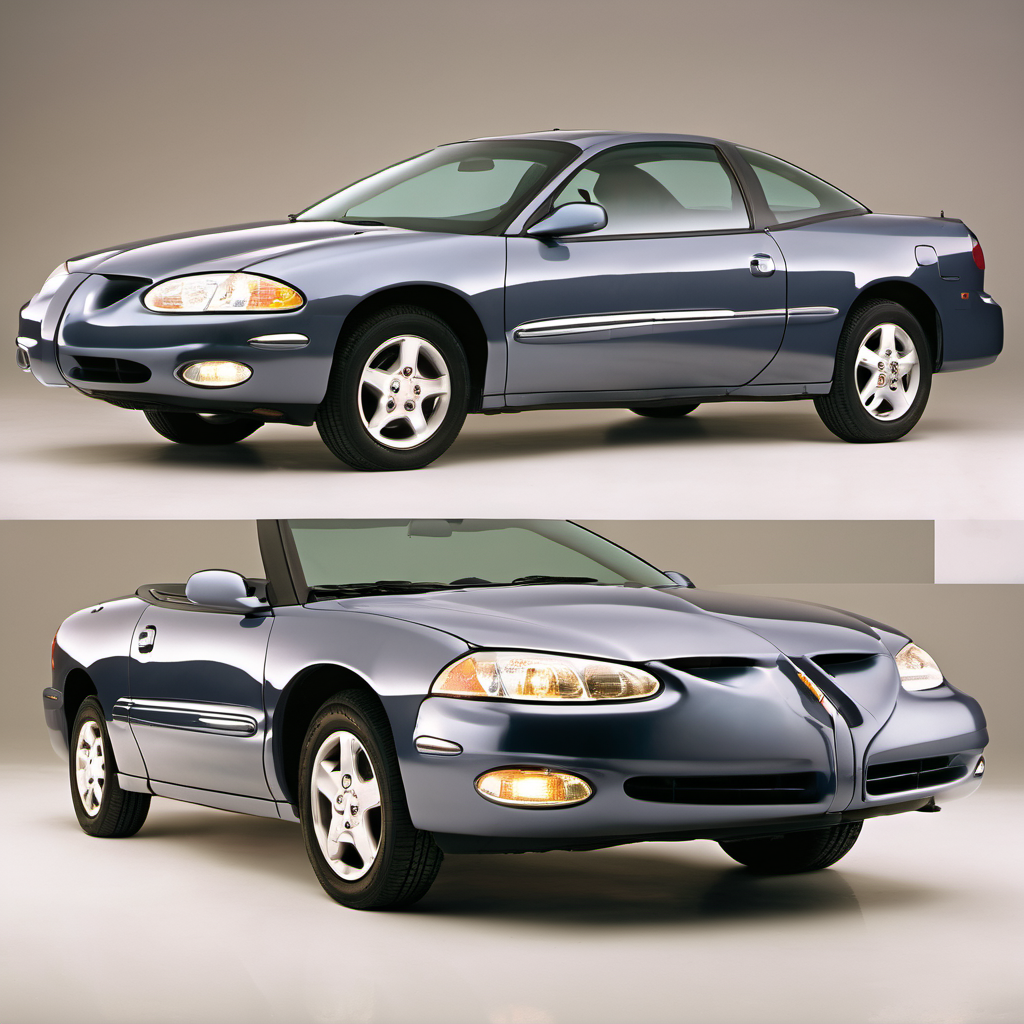
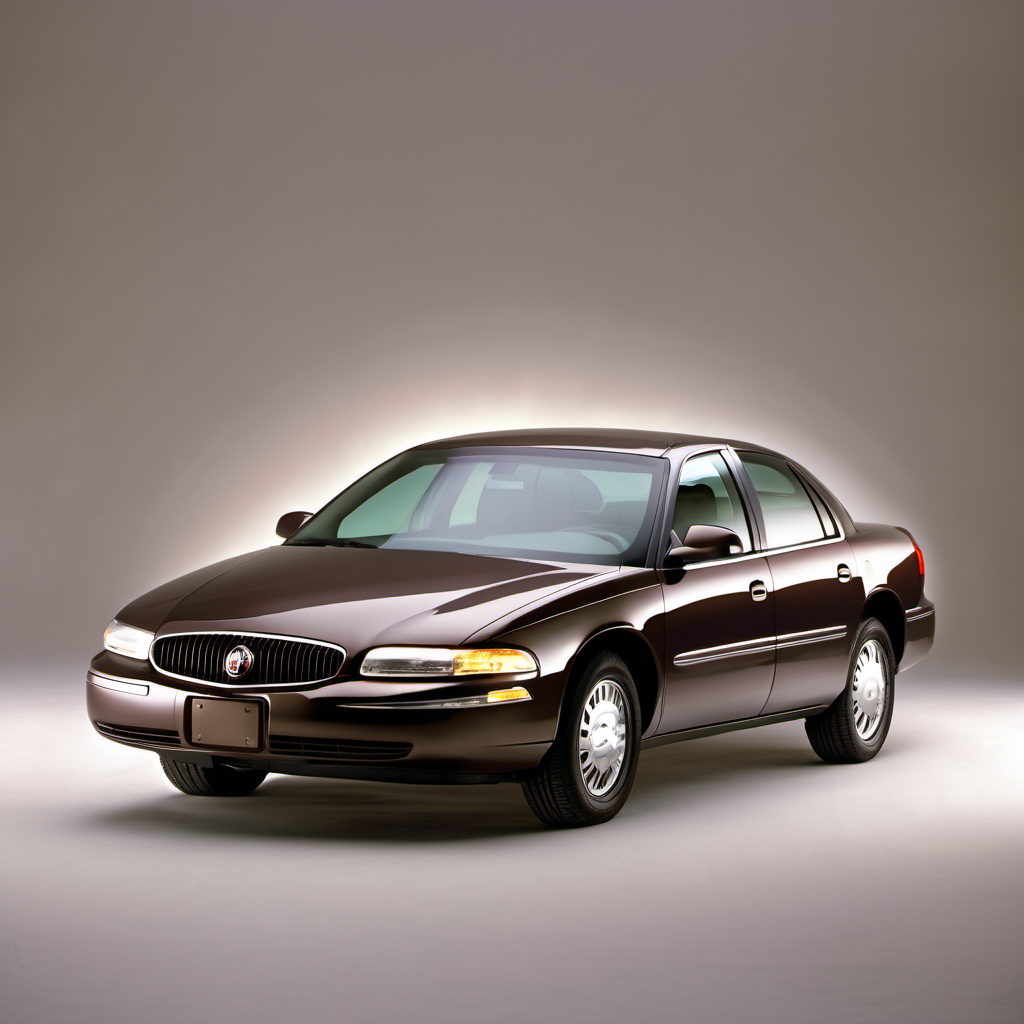
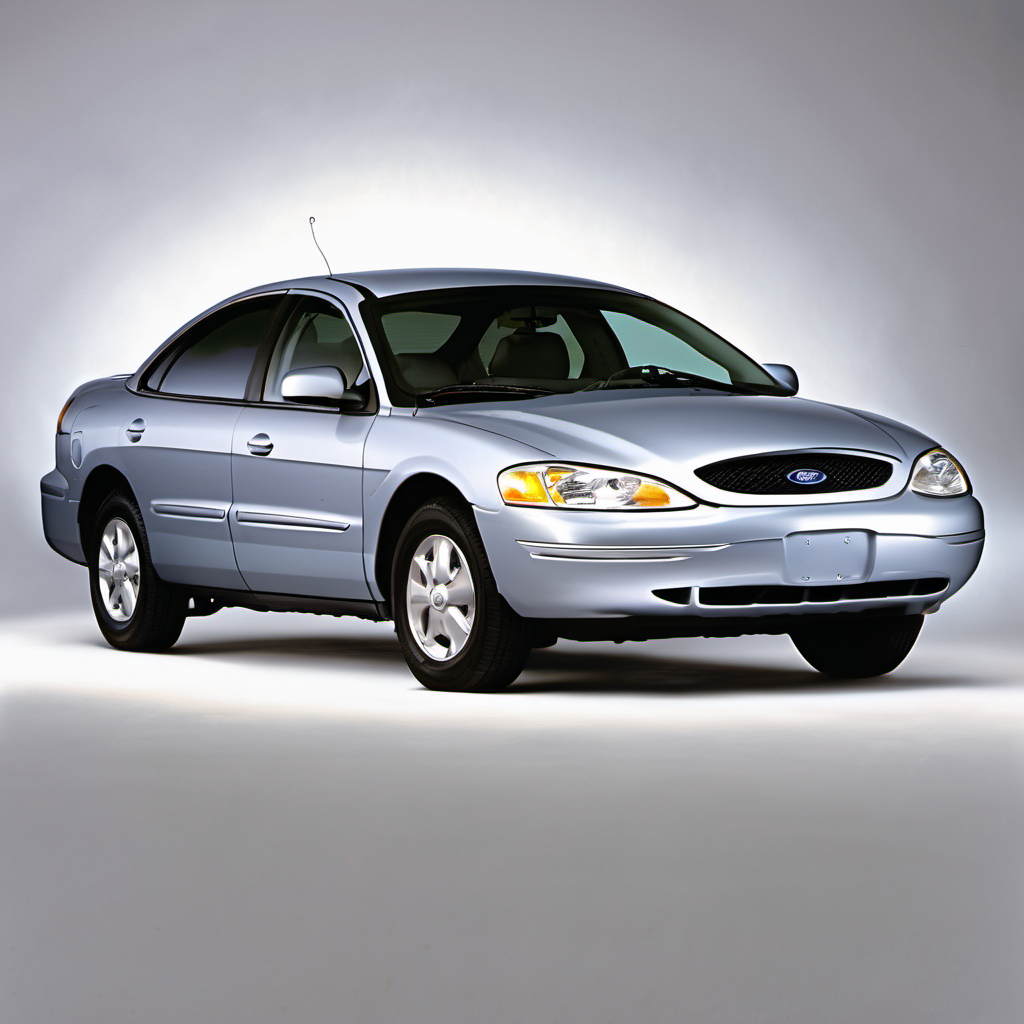
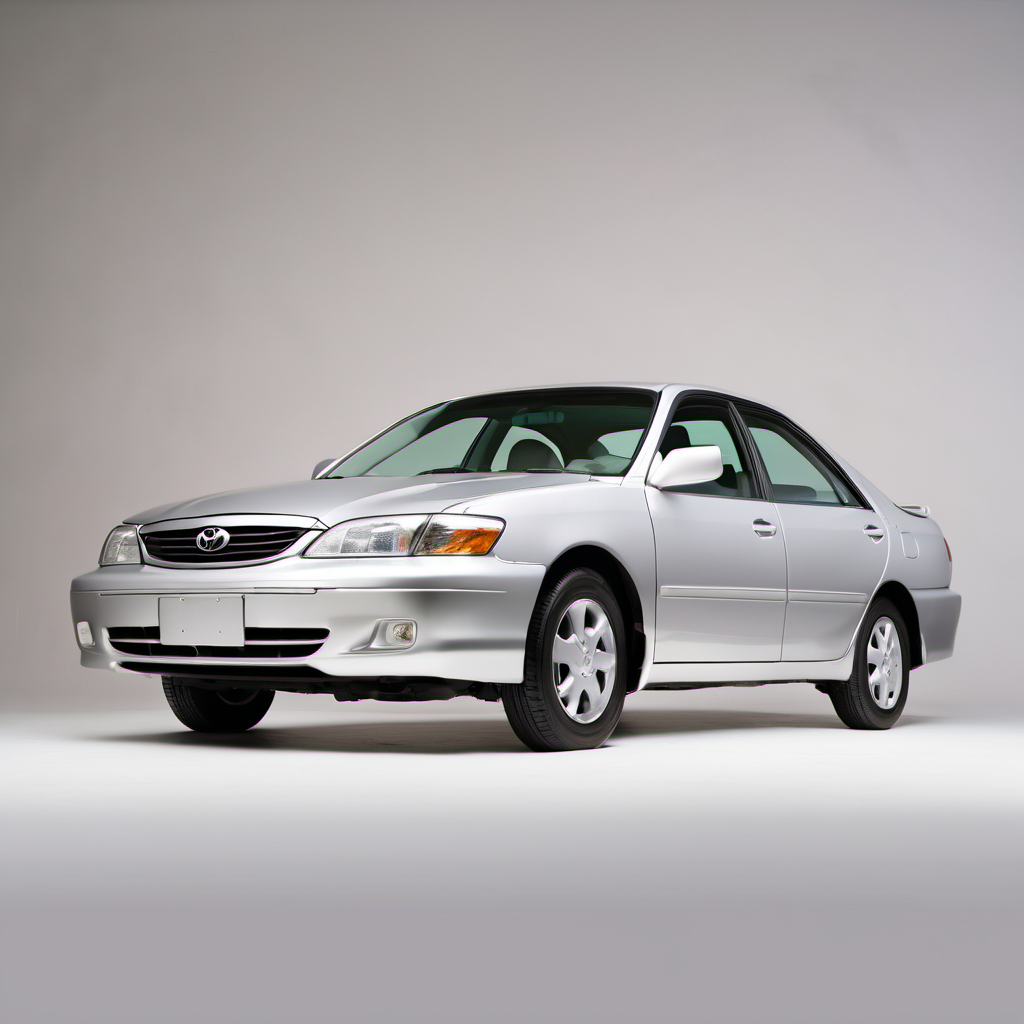
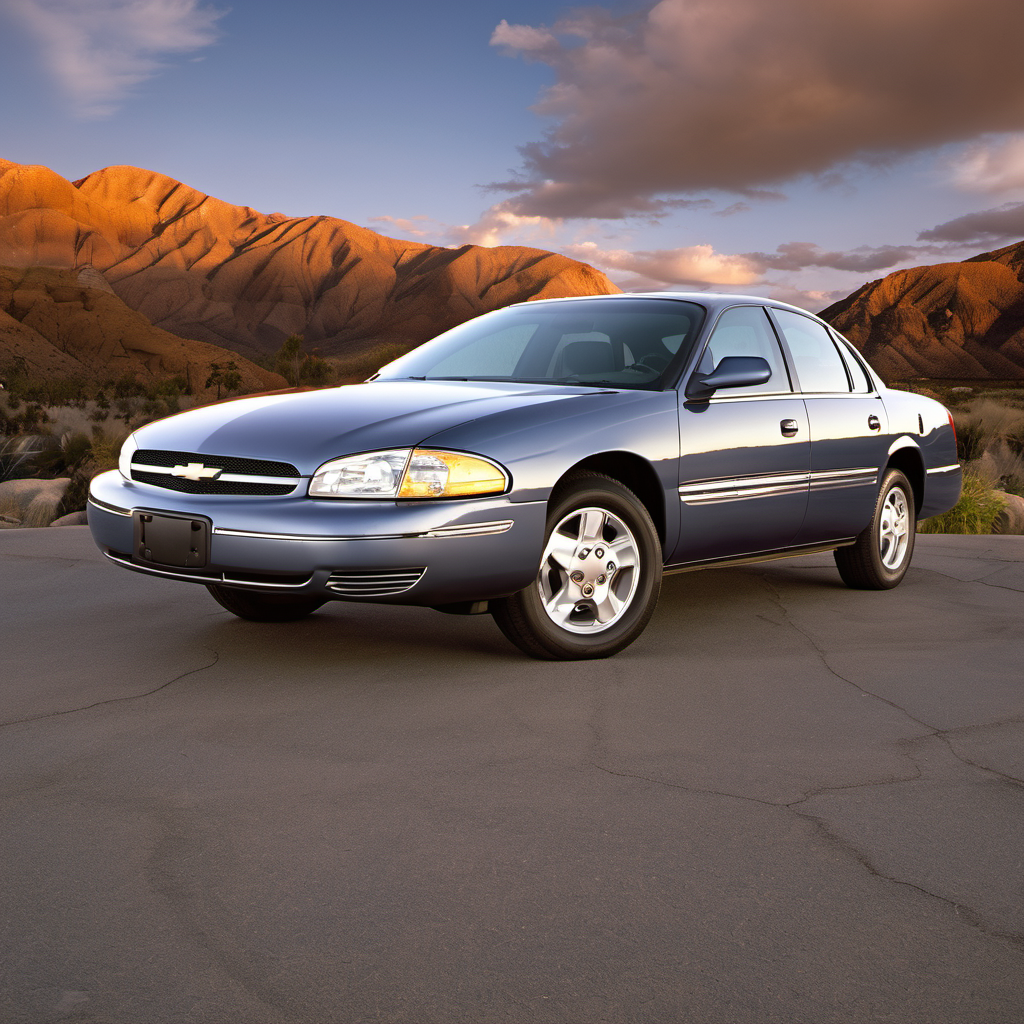
2000 Pontiac Grand Prix Sedan

2000 Pontiac

Grand PrixSedan

Sedan

The 2000 Pontiac Grand Prix is a front-wheel-drive mid-size sedan that sat at the sportier end of GM's W-body platform lineup — sharing its bones with the Buick Regal and Chevrolet Impala. In base GT trim it came with the 3.1L V6, while the GTP pushed a supercharged 3.8L. For most buyers this meant a roomy, comfortable car with a performance personality that punched above its price point. By 2000 the Grand Prix had been on this generation's platform since 1997 and the bugs were mostly sorted. It's a genuine family hauler with a larger-than-it-looks back seat and a usable trunk. Parts are cheap and widely available, and any competent independent shop can work on them without specialty tools. The catch is age — these cars are 25 years old now. Rust, worn suspension bushings, and cooling system neglect are the real enemies at this point. A clean, well-maintained example is a reliable daily driver; a neglected one is a money pit. Buy carefully.

Reliability
3/5
Verified data
Specs shown for Grand Prix — the most common configuration. Other trims may vary in engine, drivetrain, or fuel economy. Sign in to see your vehicle's exact specs.
Engine
[object Object]
Drivetrain
FWD
Fuel
Gasoline
MPG
18 city / 27 hwy / 21 combined
Seats
Doors
Body
Midsize Cars

Overview

AI-curated

The 2000 Pontiac Grand Prix is a front-wheel-drive mid-size sedan that sat at the sportier end of GM's W-body platform lineup — sharing its bones with the Buick Regal and Chevrolet Impala. In base GT trim it came with the 3.1L V6, while the GTP pushed a supercharged 3.8L. For most buyers this meant a roomy, comfortable car with a performance personality that punched above its price point. By 2000 the Grand Prix had been on this generation's platform since 1997 and the bugs were mostly sorted. It's a genuine family hauler with a larger-than-it-looks back seat and a usable trunk. Parts are cheap and widely available, and any competent independent shop can work on them without specialty tools. The catch is age — these cars are 25 years old now. Rust, worn suspension bushings, and cooling system neglect are the real enemies at this point. A clean, well-maintained example is a reliable daily driver; a neglected one is a money pit. Buy carefully.

Known for
  • Sporty styling with a genuinely roomy interior
  • The supercharged 3.8L GTP variant being a sleeper performer
  • Affordable GM W-body parts availability
  • Comfortable highway cruiser with solid ride quality
Best for
  • Budget-conscious buyers who want a comfortable mid-size sedan
  • DIY mechanics comfortable with early-2000s GM electronics
  • Low-mileage highway commuters
  • Buyers who need a parts-friendly, easy-to-work-on platform
Watch for
  • Intake manifold gasket failure on the 3.1L — a known and expensive weak point
  • Rust on rockers, frame rails, and floor pans from Wisconsin road salt
  • Supercharger coupler failure on GTP trims (not the base 3.1L)
  • Neglected coolant changes leading to internal corrosion
  • Age-related electrical gremlins in the body and network modules

Common issues by mileage

6 known

Lower Intake Manifold Gasket Failure

high
Typically appears
60–120k mi
Estimated repair
$400 – $700

Oxygen Sensor / Heater Circuit Failure

medium
Typically appears
80–150k mi
Estimated repair
$150 – $300

Struts and Control Arm Bushings Worn Out

high
Typically appears
80–150k mi
Estimated repair
$400 – $900

4T65-E Transmission Slipping / Delayed Engagement

medium
Typically appears
100–160k mi
Estimated repair
$800 – $2,500

Rust — Rocker Panels, Floor Pans, and Subframe

high
Typically appears
Any (age-related, Wisconsin salt exposure)
Estimated repair
$300 – $3,000

Maintenance schedule

  1. 1
    Every 5 years or 50k mi — do not skip Coolant flush with fresh DexCool or compatible coolant

    Degraded DexCool becomes acidic and accelerates intake manifold gasket failure and internal corrosion. This is the single most important service on the 3.1L.

  2. 2
    Every 30k mi for the 4T65-E Transmission fluid and filter change

    GM's official long-life interval is too optimistic for a 25-year-old transmission. Fresh fluid is cheap insurance against a costly rebuild.

  3. 3
    Every 60k mi Spark plugs and wires

    The 3.1L has rear plugs that are awkward to access; a full tune-up at this interval keeps ignition performance sharp and avoids misfires that stress the catalytic converter.

  4. 4
    Every 60k mi or at first sign of cracking Serpentine belt and tensioner inspection

    Tensioner springs weaken with age; a snapped belt leaves you stranded and can kill power steering and the water pump.

  5. 5
    Every fall before Wisconsin winter Battery load test

    Cold-cranking amps drop sharply in sub-zero temps. A battery that passes a summer test can fail to start the car at -10°F.

  6. 6
    Every 2–3 years Brake fluid flush

    Moisture-absorbed brake fluid lowers boiling point and corrodes ABS components — especially important with the road salt environment in Lake Geneva.

  7. 7
    Every oil change visual, replace boots at first crack Inspect and grease front CV axle boots

    Once a boot tears and grease escapes, the CV joint fails quickly. Replacement boots are inexpensive; a full axle shaft costs much more.

  8. 8
    Annually, every fall Undercarriage rust inspection and treatment

    Wisconsin road salt accelerates rocker and subframe corrosion. Catching surface rust early and treating it is far cheaper than structural repair.

Always defer to the manufacturer's service manual for warranty-mandated intervals.

Cost of ownership

Annual maintenance
$600 – $1,400
Fuel
At 21 MPG combined and typical Wisconsin driving, expect roughly $1,800–$2,200/year at current gas prices depending on mileage.
Insurance
Typically low — older mid-size sedans carry minimal comprehensive value. Expect $600–$1,000/year for full coverage depending on driver profile.

This is a cheap car to own if it's been maintained. Parts are inexpensive and widely stocked. The risk is deferred maintenance catching up all at once — an intake gasket job plus struts plus a transmission service in the same year can easily push annual costs past $2,500. Get a full inspection before buying and budget for surprises on any car this age.
Seasonal care

Lake Geneva, WI
Winter
  • Load-test the battery every October — cold starts at -10°F to -20°F will expose any weakness in a marginal battery.
  • Switch to a winter-rated washer fluid rated to at least -20°F; the reservoir and lines can freeze with summer fluid still in the system.
  • Inspect wiper blades before first snowfall and consider winter-specific blades that don't clog with packed snow.
  • Check tire tread depth and inflation weekly — pressure drops roughly 1 PSI per 10°F of temperature drop, and the Grand Prix's FWD setup depends on good front tire grip.
  • Rinse the undercarriage frequently after salt events — pay special attention to the rocker panels and subframe on a 25-year-old car.
  • Verify the block heater (if equipped) is functional; if not, consider adding one for reliable cold starts and faster cabin heat.
Summer
  • Check coolant level and condition before hot-weather driving — the 3.1L runs warm and a low or degraded coolant situation escalates quickly in summer heat.
  • Inspect the A/C system refrigerant and compressor clutch operation; the cabin gets hot fast on a dark-colored Grand Prix with aging insulation.
  • Check tire pressure monthly — heat increases pressure and over-inflation causes uneven wear on the front tires that already carry the engine weight.
  • Inspect the serpentine belt for cracking and glazing; heat accelerates rubber degradation.
  • Check that the radiator cooling fan operates at both low and high speed — a stuck relay or fan motor is a common cause of summer overheating on W-body cars.

Comparable vehicles

If you're shopping for one

Red flags
  • Milky oil or oily coolant — walk away or negotiate a major discount for a known intake gasket repair.
  • Heavy rust on the rocker panels or visible holes in the floor — structural rust on a 25-year-old car is often not worth repairing economically.
  • Any evidence of transmission slipping or harsh engagement without a clear service record — rebuilds are $800–$2,500.
  • Overheating history or a thermostat that's been removed — signs of chronic cooling system neglect that can mean a warped head.
  • Check engine light with no explanation from the seller — always scan codes before purchase.
What to inspect
  • Pull the oil dipstick and look for a milky, chocolate-milkshake appearance — that's coolant in the oil from a failed intake manifold gasket.
  • Check the coolant reservoir for oily residue or brown gunk — another sign of gasket failure or head gasket seepage.
  • Get underneath and inspect the rocker panels, subframe mounting points, and floor pans for rust perforation — salt damage at this age can be structural.
  • Test drive at highway speed and feel for transmission shudder, slipping, or delayed shifts — 4T65-E issues are common when fluid changes were skipped.
  • Check all power windows, locks, and the instrument cluster — body module faults and aging wiring are common gremlins.
  • Inspect CV axle boots for tears and listen for clicking during full-lock turns.
AI profile generated 15 days ago · claude-sonnet-4-6 · v2.