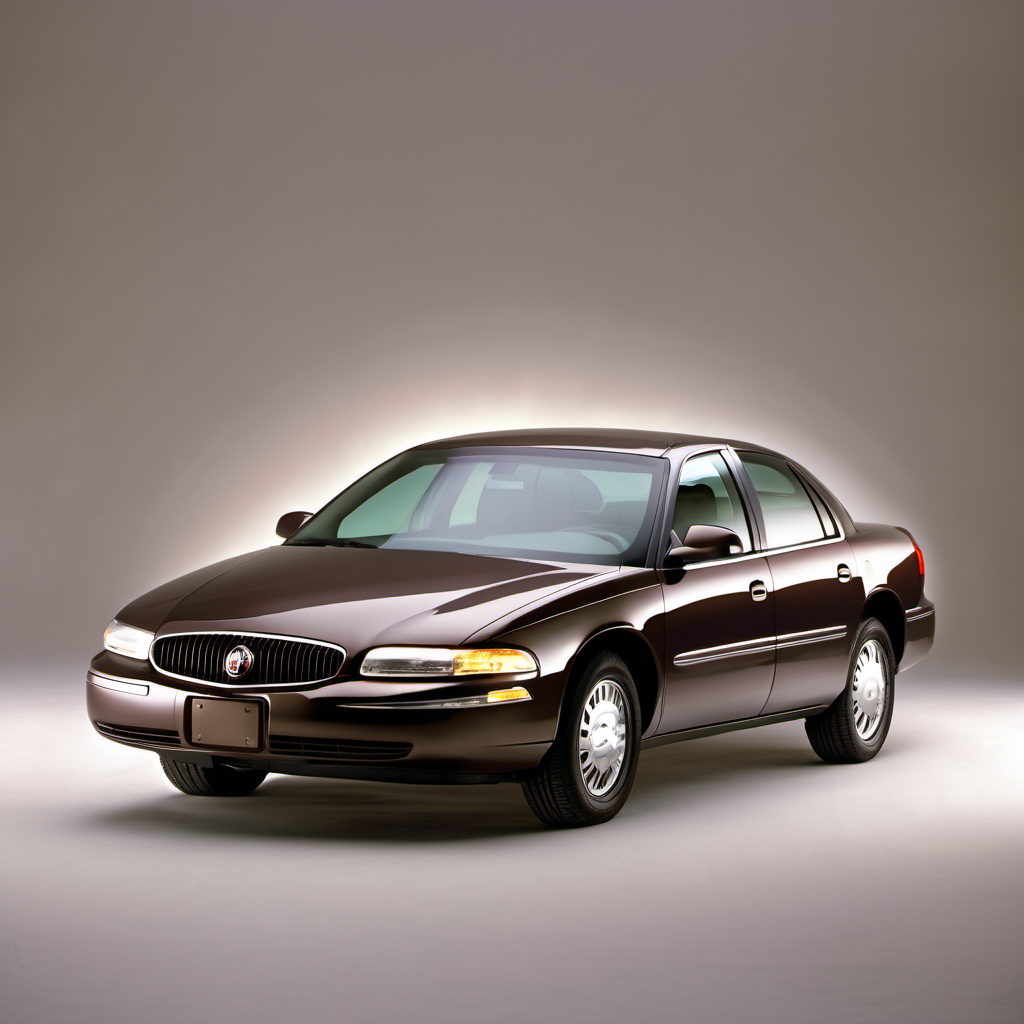
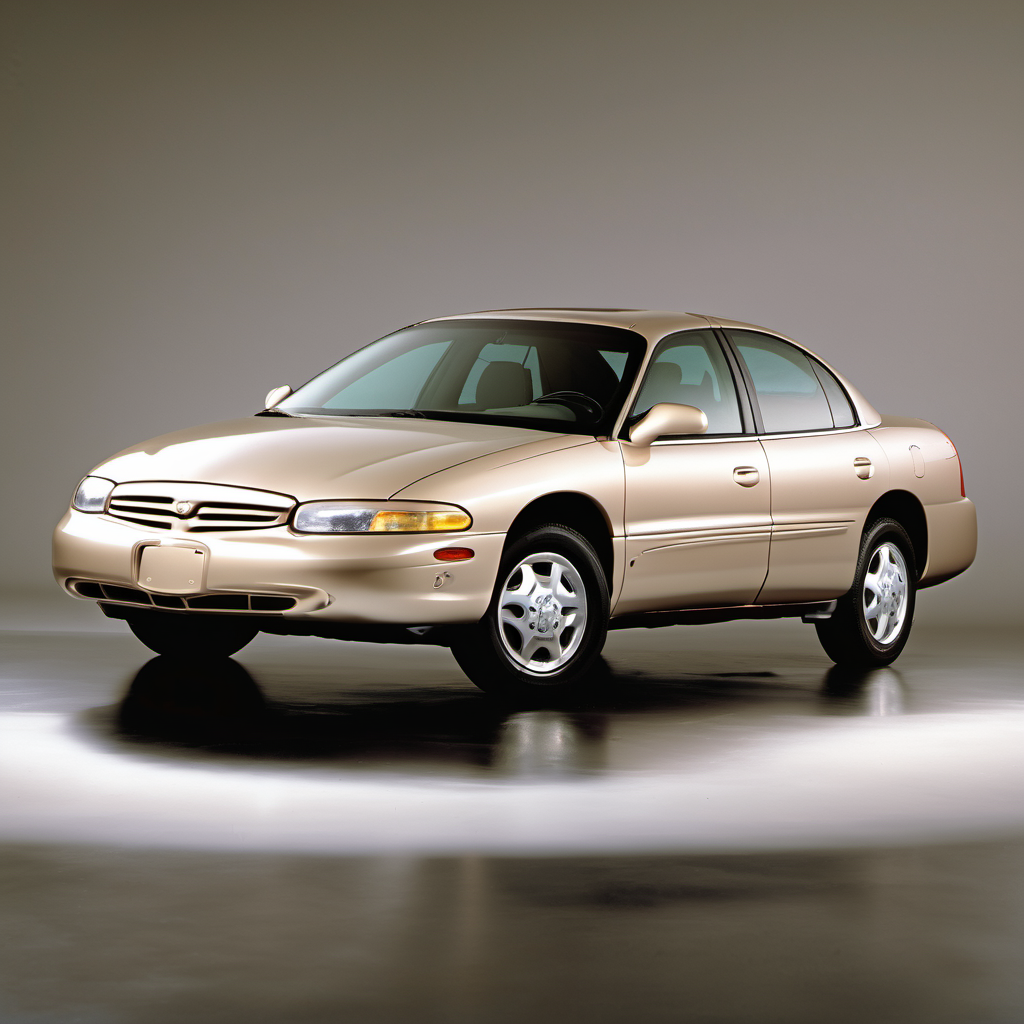
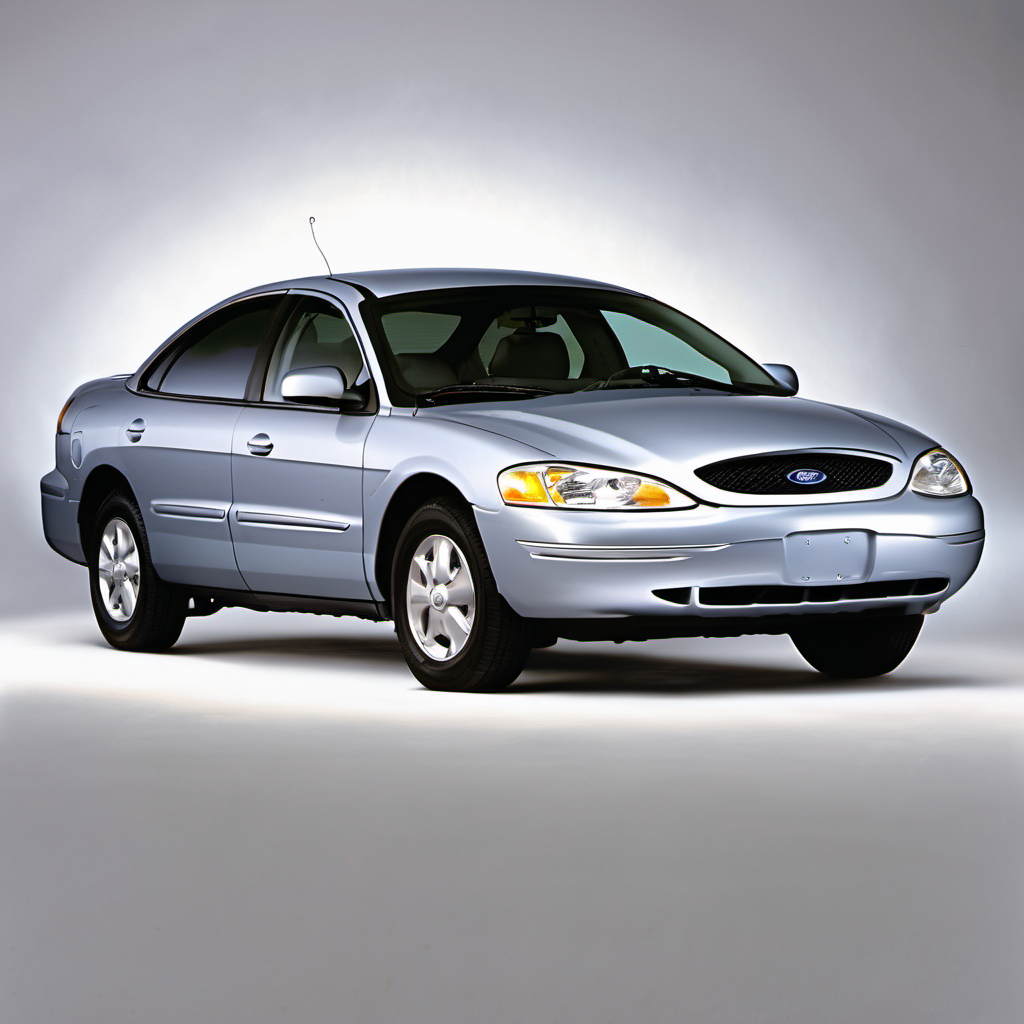
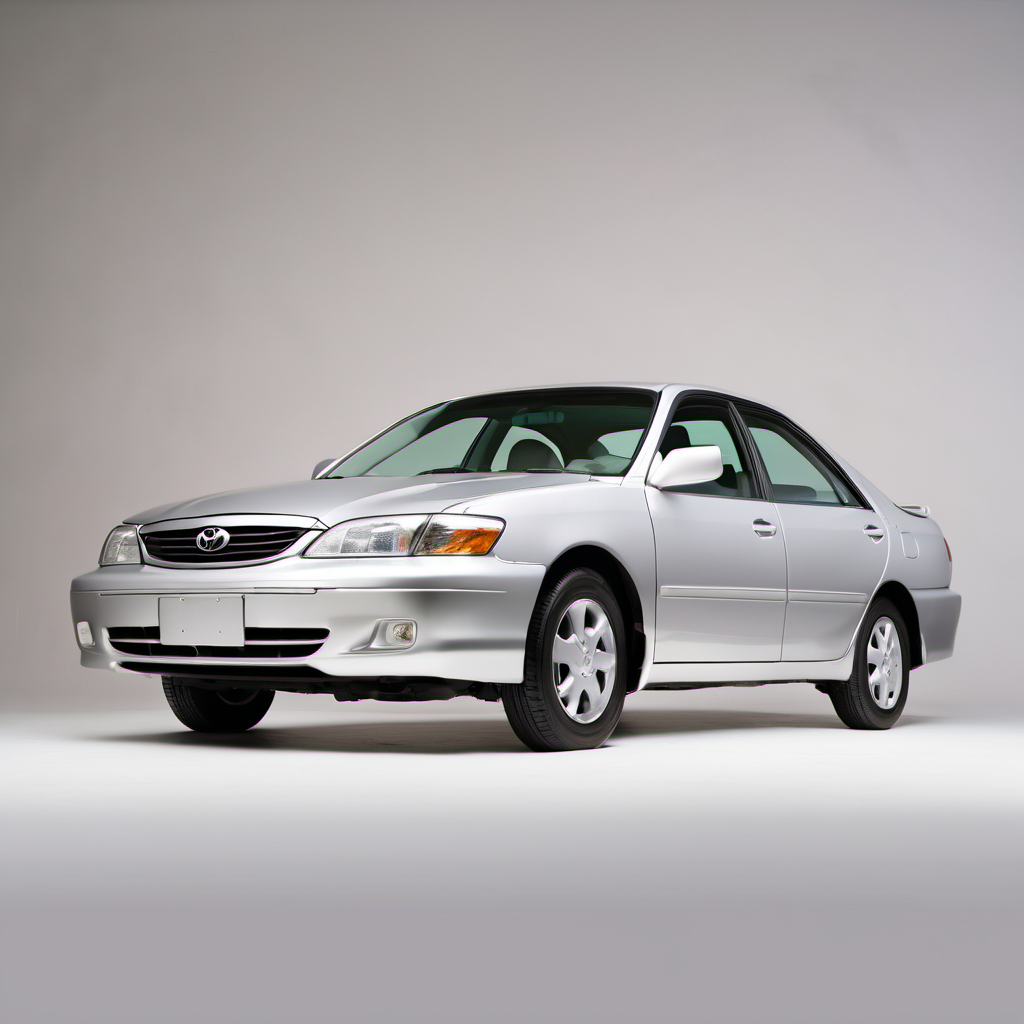
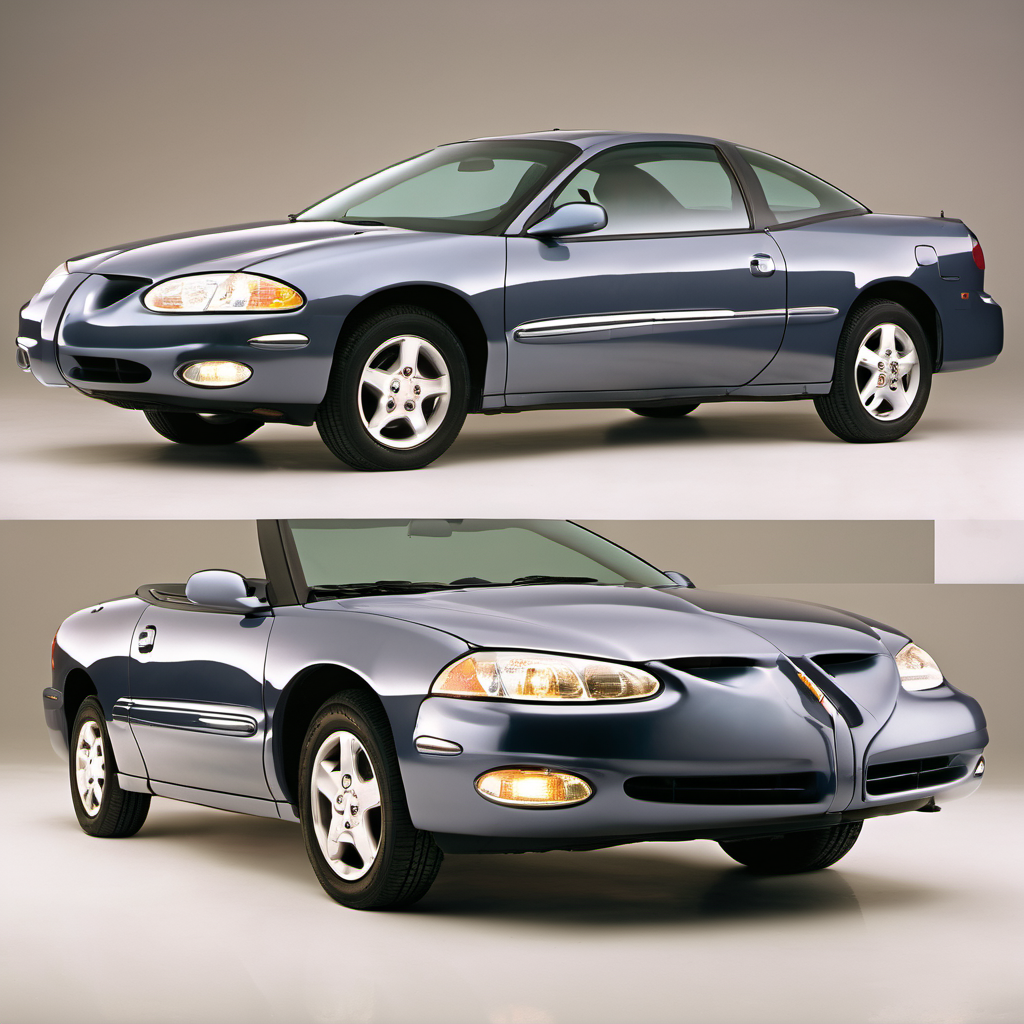
2000 Buick Regal Sedan

2000 Buick

RegalSedan

Sedan

The 2000 Buick Regal is a front-wheel-drive, full-size American sedan built on GM's W-body platform — the same bones shared with the Pontiac Grand Prix and Oldsmobile Intrigue. It was positioned as a near-luxury daily driver offering a comfortable ride, a spacious cabin, and the proven 3800 Series II V6 under the hood. The GS trim added a supercharger to that engine, giving it genuine performance credentials unusual for its class and price point. By 2000 the Regal had found its stride as a well-sorted, relatively refined family sedan. Fit and finish improved from early 1990s GM standards, the 3800 engine earned a reputation for longevity, and the ride/handling balance suited Midwestern buyers well. It's not exciting to look at, but it's honest transportation with parts that are cheap and widely available. A 25-year-old Regal today is squarely in high-mileage territory. Survivors in reasonable shape tend to be owned by people who actually maintained them. Cooling system components, intake manifold gaskets, and some electrical gremlins are the recurring stories — know what to look for and this can still be solid transportation.

Reliability
3/5
Verified data
Specs shown for Regal — the most common configuration. Other trims may vary in engine, drivetrain, or fuel economy. Sign in to see your vehicle's exact specs.
Engine
[object Object]
Drivetrain
FWD
Fuel
Gasoline
MPG
17 city / 27 hwy / 21 combined
Seats
Doors
Body
Midsize Cars

Overview

AI-curated

The 2000 Buick Regal is a front-wheel-drive, full-size American sedan built on GM's W-body platform — the same bones shared with the Pontiac Grand Prix and Oldsmobile Intrigue. It was positioned as a near-luxury daily driver offering a comfortable ride, a spacious cabin, and the proven 3800 Series II V6 under the hood. The GS trim added a supercharger to that engine, giving it genuine performance credentials unusual for its class and price point. By 2000 the Regal had found its stride as a well-sorted, relatively refined family sedan. Fit and finish improved from early 1990s GM standards, the 3800 engine earned a reputation for longevity, and the ride/handling balance suited Midwestern buyers well. It's not exciting to look at, but it's honest transportation with parts that are cheap and widely available. A 25-year-old Regal today is squarely in high-mileage territory. Survivors in reasonable shape tend to be owned by people who actually maintained them. Cooling system components, intake manifold gaskets, and some electrical gremlins are the recurring stories — know what to look for and this can still be solid transportation.

Known for
  • Bulletproof 3800 Series II V6 engine
  • Smooth, quiet highway ride
  • Generous interior room for a mid-size sedan
  • Inexpensive parts and wide mechanic familiarity
  • Supercharged GS trim with surprising performance
Best for
  • Budget-conscious buyers wanting a reliable daily driver
  • Highway commuters who value comfort over sportiness
  • DIY owners — straightforward mechanicals, cheap parts
  • Older drivers or families needing a roomy, quiet sedan
Watch for
  • Intake manifold lower gasket failure (coolant leak into oil)
  • Plastic coolant reservoir and thermostat housing cracks
  • Power window regulators wearing out on all four doors
  • Rust on rocker panels, wheel arches, and subframe on Wisconsin cars
  • HVAC blend door actuators failing (stuck on heat or A/C)

Common issues by mileage

6 known

Intake Manifold Lower Gasket Failure

high
Typically appears
60–120k mi
Estimated repair
$350 – $600

Coolant Reservoir / Thermostat Housing Cracking

high
Typically appears
80–150k mi
Estimated repair
$80 – $200

4T65-E Transmission Shudder / Slipping

medium
Typically appears
100–160k mi
Estimated repair
$150 – $2,500

Power Window Regulator Failure

high
Typically appears
80–150k mi
Estimated repair
$120 – $280

HVAC Blend Door Actuator Failure

medium
Typically appears
100–180k mi
Estimated repair
$150 – $350

Oxygen Sensor / Upstream O2 Sensor Heater Failure

medium
Typically appears
80–130k mi
Estimated repair
$100 – $220

Maintenance schedule

  1. 1
    Every 2 years or 30k mi — do not skip on a used example Engine coolant flush and system inspection

    The 3800's Achilles heel is the cooling system. Degraded coolant accelerates gasket and plastic housing failure. Always use GM-spec DEX-COOL and keep the system full — low coolant accelerates intake gasket failure.

  2. 2
    Every 30k mi on a used vehicle with unknown history Transmission fluid change (4T65-E)

    GM's factory 'lifetime' interval is overly optimistic. Fresh Dexron VI fluid is cheap insurance against shudder and clutch pack wear. Check for dark, burnt-smelling fluid on any used purchase.

  3. 3
    Every 60k mi or at any sign of squealing Serpentine belt and tensioner inspection

    The tensioner spring weakens with age and is often overlooked. A snapped belt on the 3800 leaves you stranded and can cause overheating quickly.

  4. 4
    Every 30k mi (conventional plugs) or 60k mi (platinum) Spark plugs and ignition wires

    The rear bank of plugs on the 3.8L is awkward to reach and often skipped by previous owners. Misfires on neglected plugs stress the ignition module.

  5. 5
    At every oil change — watch for milky oil or coolant smell Inspect intake manifold gaskets for seepage

    This is the #1 failure on 3800 engines. Catching it early (external seep) costs $400; catching it late (coolant in oil) can mean engine damage.

  6. 6
    Every 2–3 years Brake fluid flush

    Moisture-absorbed brake fluid lowers boiling point and corrodes ABS components. Wisconsin salt and temperature swings accelerate this.

  7. 7
    Every spring after winter Undercarriage and rocker panel rust inspection

    Lake Geneva road salt is brutal on late-1990s/early-2000s GM unibody cars. Catch surface rust early — subframe corrosion is a safety issue and expensive to repair.

  8. 8
    Every fall before winter, and whenever battery is 4+ years old Battery load test

    Cold cranking a 3.8L at -10°F demands a healthy battery. A battery that passes a simple voltage test in September can still fail a load test and leave you stranded in January.

Always defer to the manufacturer's service manual for warranty-mandated intervals.

Cost of ownership

Annual maintenance
$600 – $1,400
Fuel
At 21 MPG combined and ~12,000 miles/year, expect roughly $1,400–$1,700/year at current Wisconsin gas prices. Highway driving significantly improves economy toward 27 MPG.
Insurance
Typically low — older sedan with modest value. Expect $600–$1,000/year for full coverage depending on driver profile; liability-only will be less.

A well-maintained Regal is genuinely inexpensive to own day-to-day. Parts are plentiful and cheap, and any independent shop familiar with GM engines can service it. The risk is deferred maintenance catch-up on a used example: intake gaskets, transmission service, and cooling system work can stack up to $1,500–$2,500 in year one if the previous owner cut corners. Budget accordingly on purchase.
Seasonal care

Lake Geneva, WI
Winter
  • Load-test the battery every October — sub-zero starts are brutal and the 3.8L draws heavy current in cold weather.
  • Switch to a full-synthetic 5W-30 if not already using one; it flows immediately at cold starts instead of letting the engine run momentarily oil-starved.
  • Flush washer fluid reservoir and fill with a -30°F rated fluid. The reservoir sits exposed and lines can crack if water-based fluid freezes.
  • Inspect and replace wiper blades with winter-rated blades before first snow. The Regal's flat windshield collects ice and worn blades streak dangerously.
  • Rinse the undercarriage every 1–2 weeks during salt season, paying attention to rocker panels and wheel wells — this car's rust vulnerability is real.
  • Keep the fuel tank at least half full in winter to reduce moisture condensation in the tank and ensure adequate weight over the front drive wheels.
Summer
  • Check tire pressure monthly — tires lose and gain ~1 PSI per 10°F of temperature change, so winter-set pressures will be high in July.
  • Inspect the A/C system for refrigerant level and compressor clutch engagement. Cabin heat soak on a dark-colored Regal in a Wisconsin summer is significant without working A/C.
  • Check coolant level and condition before hot weather — the 3800's cooling system is already at risk and heat accelerates gasket seepage.
  • Inspect the serpentine belt for cracking or glazing; summer heat accelerates belt degradation.
  • Check brake fluid level and color — summer stop-and-go driving raises brake temps and reveals weak fluid faster than highway cruising.

Comparable vehicles

If you're shopping for one

Red flags
  • Milky or foamy oil on the dipstick or underside of the oil cap — coolant contamination, walk away or negotiate hard for engine work.
  • Recent coolant top-off without a flush — sellers sometimes mask a slow leak with fresh coolant right before a sale.
  • Automatic transmission that slips, hesitates, or shudders — rebuild costs can exceed the car's value.
  • Heavy rust on rocker panels, subframe, or brake lines — structural and safety issues that are expensive and sometimes uneconomical to repair.
  • Any sign the odometer has been tampered with or service history is completely absent on a high-mileage example.
What to inspect
  • Pull the oil dipstick and look for a milky, caramel-colored residue — the #1 sign of intake manifold gasket failure and coolant mixing with oil.
  • Check the coolant reservoir for cracks, brown sludge, or a low level — neglected coolant on the 3800 is a red flag.
  • Run the A/C, heat, and all four power windows through full operation. Window regulator and HVAC actuator repairs add up fast.
  • Look under the car at the rocker panels, rear wheel arches, and subframe mounting points for rust perforation — Wisconsin cars can look clean on top but be rotting underneath.
  • Check transmission operation through all gears: smooth, firm shifts with no shudder on light acceleration. Shudder at 40–50 mph usually means a torque converter or fluid issue.
  • Scan for stored and pending DTCs before purchase — oxygen sensor codes and any coolant/temp-related codes should be investigated, not cleared and ignored.
AI profile generated 13 days ago · claude-sonnet-4-6 · v2.