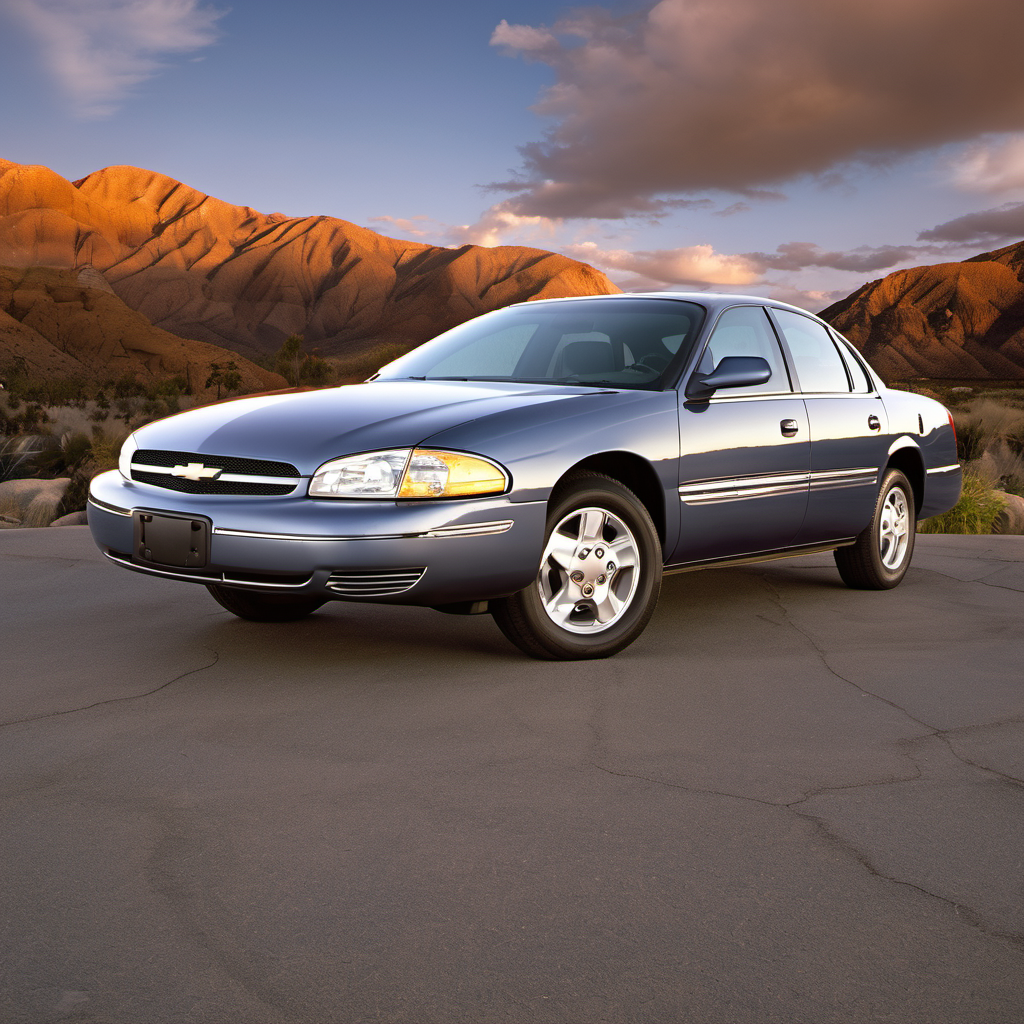
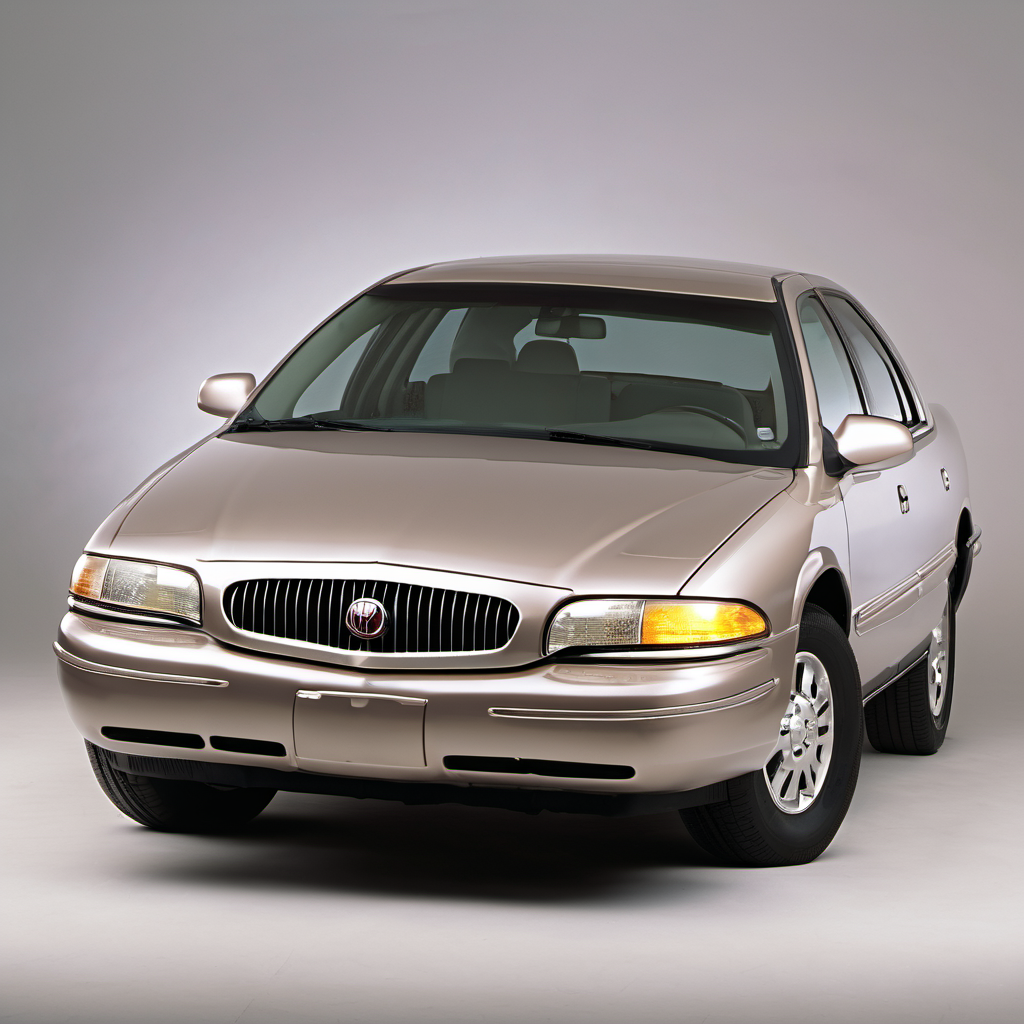
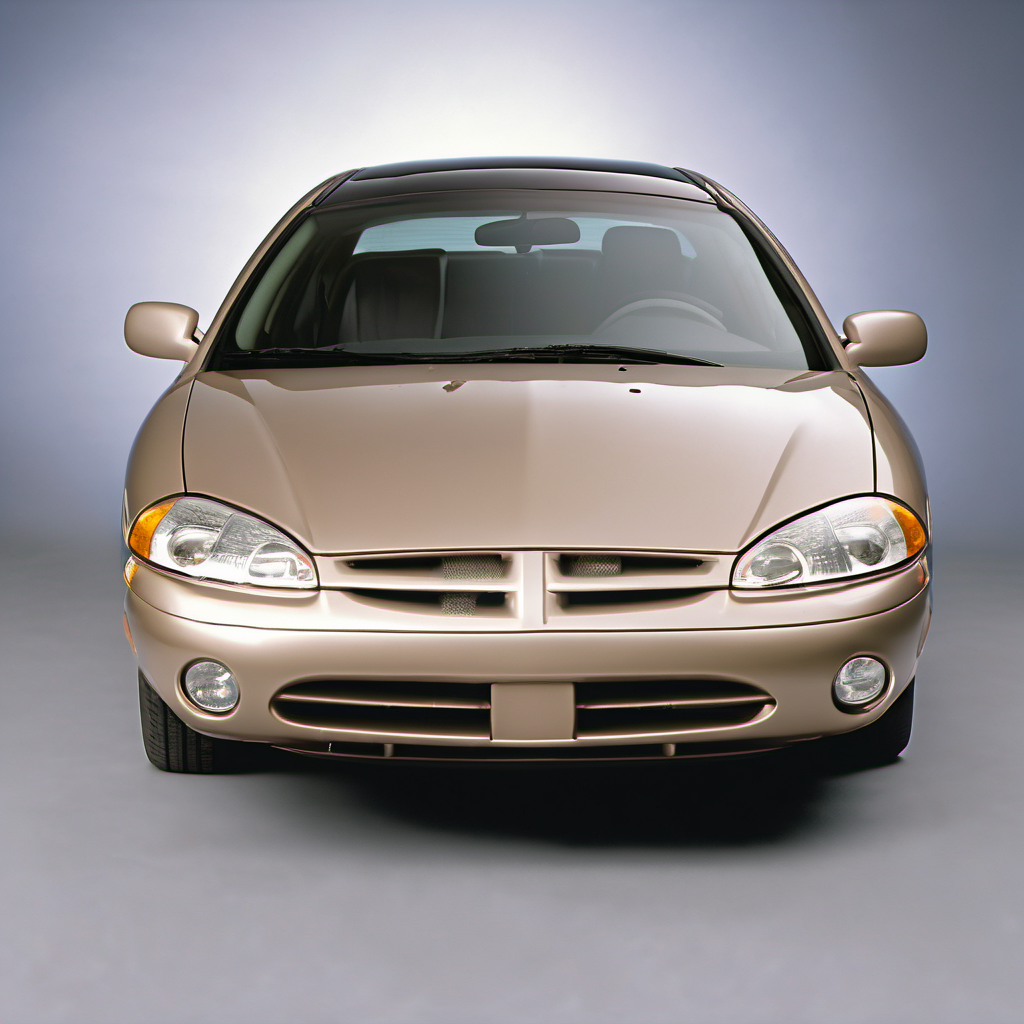
2000 Chevrolet Impala Sedan

2000 Chevrolet

ImpalaSedan

Sedan

The 2000 Chevrolet Impala marked the nameplate's return as a full-size front-wheel-drive sedan built on GM's W-body platform, shared with the Pontiac Grand Prix and Buick Century. It was positioned as a spacious, affordable family car with a comfortable ride and respectable highway fuel economy. GM sold this generation in huge volumes through rental fleets and private buyers alike, which means used examples are plentiful but high-mileage survivors are the norm. The base engine is a 3.4L V6 producing around 180 hp, while an available 3.8L V6 (LS trim) offered more punch and arguably better long-term durability. Ride quality is the Impala's strongest selling point — it's soft, quiet, and easy to drive. Don't expect sporty handling, but do expect a comfortable highway cruiser that fits six adults in a pinch. At 24 years old, any surviving 2000 Impala is a budget vehicle. Parts are cheap and widely available, independent shops know this platform well, and it can be an economical daily driver if the rust and mechanical basics check out. However, age-related corrosion is the biggest enemy on Wisconsin roads, and the 3.4L V6 has known intake manifold gasket issues that must be addressed.

Reliability
2/5
Verified data
Specs shown for Impala — the most common configuration. Other trims may vary in engine, drivetrain, or fuel economy. Sign in to see your vehicle's exact specs.
Engine
[object Object]
Drivetrain
FWD
Fuel
Gasoline
MPG
17 city / 29 hwy / 21 combined
Seats
Doors
Body
Large Cars

Overview

AI-curated

The 2000 Chevrolet Impala marked the nameplate's return as a full-size front-wheel-drive sedan built on GM's W-body platform, shared with the Pontiac Grand Prix and Buick Century. It was positioned as a spacious, affordable family car with a comfortable ride and respectable highway fuel economy. GM sold this generation in huge volumes through rental fleets and private buyers alike, which means used examples are plentiful but high-mileage survivors are the norm. The base engine is a 3.4L V6 producing around 180 hp, while an available 3.8L V6 (LS trim) offered more punch and arguably better long-term durability. Ride quality is the Impala's strongest selling point — it's soft, quiet, and easy to drive. Don't expect sporty handling, but do expect a comfortable highway cruiser that fits six adults in a pinch. At 24 years old, any surviving 2000 Impala is a budget vehicle. Parts are cheap and widely available, independent shops know this platform well, and it can be an economical daily driver if the rust and mechanical basics check out. However, age-related corrosion is the biggest enemy on Wisconsin roads, and the 3.4L V6 has known intake manifold gasket issues that must be addressed.

Known for
  • Roomy interior and smooth highway ride
  • Affordable parts and widespread independent-shop familiarity
  • High fleet/rental mileage history on many used examples
  • 3.8L V6 (LS) longevity vs. the more problematic 3.4L base engine
  • W-body platform shared across several GM sedans
Best for
  • Budget-conscious buyers who need a large, comfortable sedan
  • City or highway commuters who prioritize low-cost repairs
  • Buyers who can do basic mechanical inspection before purchase
Watch for
  • Intake manifold gasket failure on the 3.4L V6 — a near-universal issue
  • Heavy rust on subframes, brake lines, and exhaust from Wisconsin salt exposure
  • High-mileage fleet history with deferred maintenance
  • Deteriorating coolant causing internal engine damage if gasket leak ignored

Common issues by mileage

6 known

Intake Manifold Gasket Failure (3.4L V6)

high
Typically appears
60–130k mi
Estimated repair
$400 – $750

Lower Intake Manifold Coolant Leak / Overheating

high
Typically appears
70–150k mi
Estimated repair
$500 – $900

4T65-E Transmission Slipping or Shudder

medium
Typically appears
100–180k mi
Estimated repair
$800 – $2,200

Rear Brake Line Rust-Through

high
Typically appears
80k+ mi / 15+ years
Estimated repair
$250 – $600

Oxygen Sensor Failure / Reduced Fuel Economy

medium
Typically appears
80–140k mi
Estimated repair
$150 – $320

Subframe Corrosion (Rust-Out)

high
Typically appears
100k+ mi / 15+ years in salt states
Estimated repair
$600 – $2,000

Maintenance schedule

  1. 1
    At purchase if unknown; otherwise every 60–80k mi Inspect and replace intake manifold gaskets (3.4L V6)

    The Dex-Cool coolant and plastic lower intake manifold design on the 3.4L is notorious for gasket failure. Catching this early prevents a full engine overhaul.

  2. 2
    Every 30k mi Transmission fluid and filter change

    The 4T65-E is durable but very sensitive to old or degraded fluid. Many used Impalas have never had this done — fresh fluid can extend life significantly.

  3. 3
    Every 2 years or 30k mi Coolant flush and refill

    Degraded Dex-Cool becomes acidic and accelerates gasket and radiator corrosion. Never mix with green coolant.

  4. 4
    Annually, before winter Brake line and fuel line inspection for rust

    Wisconsin salt destroys steel brake and fuel lines. A pinhole in a brake line is a safety emergency. Inspect every fall.

  5. 5
    Every 60k mi or at first sign of cracking/glazing Serpentine belt and tensioner replacement

    A snapped belt leaves you stranded and can cause power steering loss and overheating simultaneously.

  6. 6
    Every 30k mi (standard plugs) or 60k mi (platinum) Spark plugs and wires replacement

    Worn plugs on the 3.4L cause misfires and stress the coil packs. Access to rear plugs is tight — don't defer this.

  7. 7
    Annually Subframe and undercarriage rust inspection

    Front subframe corrosion is a common failure point on W-body cars in salt states. A compromised subframe is a safety issue and can fail inspection.

  8. 8
    Every fall, or if 3+ years old Battery test and terminal cleaning

    Cold Wisconsin winters demand a strong battery. Corroded terminals and a marginal battery that passes a summer test will often fail at -10°F.

Always defer to the manufacturer's service manual for warranty-mandated intervals.

Cost of ownership

Annual maintenance
$600 – $1,800
Fuel
At 21 MPG combined and ~12,000 miles/year, expect roughly $1,400–$1,700/year in fuel at current Wisconsin gas prices.
Insurance
Typically low — full-size older sedan with low market value. Expect $600–$1,100/year for full coverage depending on driving record and location.

The 2000 Impala is an inexpensive car to own day-to-day if it's been maintained. Parts are cheap and plentiful. The risk is a large deferred-maintenance bill at purchase — particularly intake manifold gaskets, brake lines, and transmission fluid. Budget $1,000–$2,000 upfront for a thorough inspection and catch-up maintenance on any used example.
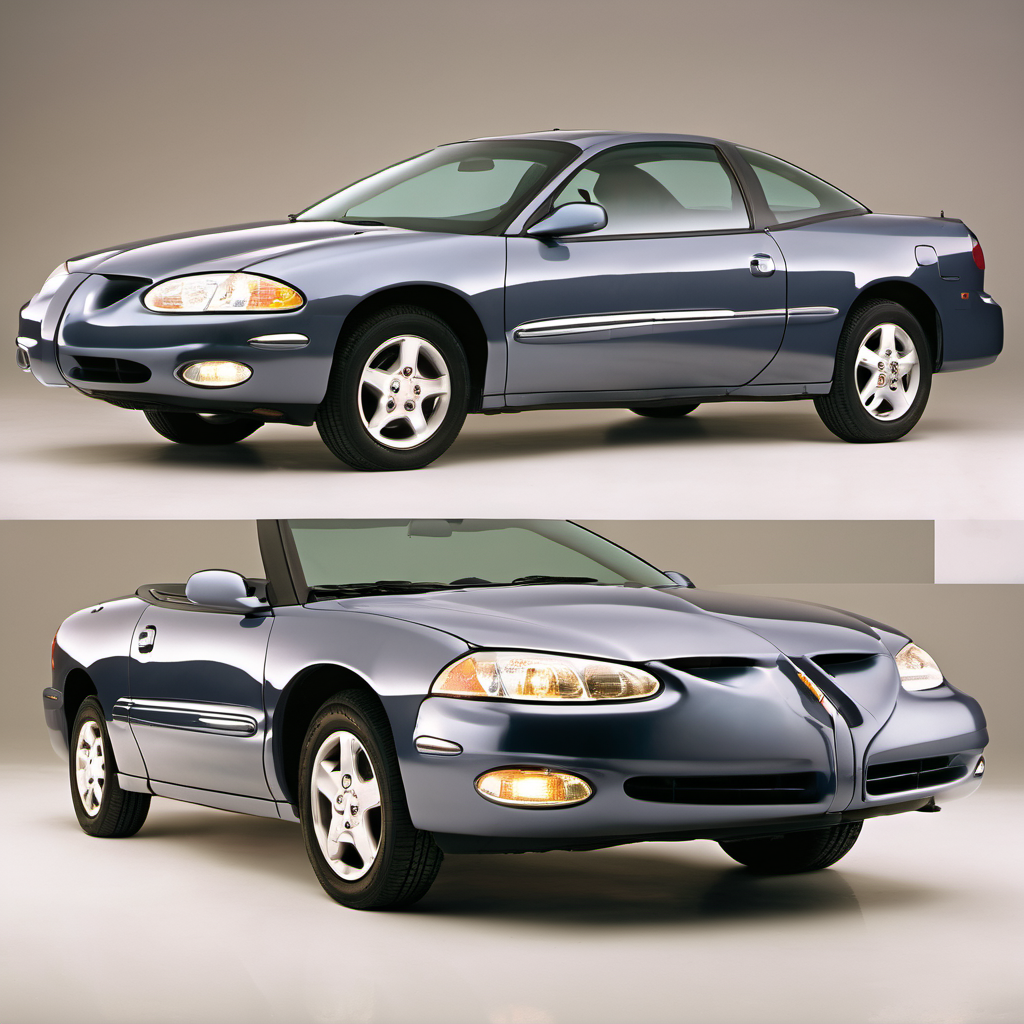
Seasonal care

Lake Geneva, WI
Winter
  • Test the battery every fall — cold starts at sub-zero temps will expose any weak battery immediately. Replace if 3+ years old or below 500 CCA.
  • Switch to a full-synthetic or synthetic-blend 5W-30 oil if still running conventional, to ensure easier cold starts and faster lubrication at startup.
  • Flush washer fluid reservoir and fill with -20°F or lower rated fluid. The 3.4L runs warm enough but cold mornings mean frozen lines fast.
  • Inspect brake lines along the entire undercarriage before first snowfall — salt will find any existing corrosion and accelerate it all winter.
  • Check antifreeze concentration — should protect to at least -34°F. A degraded Dex-Cool mix may not provide adequate freeze protection.
  • Keep at least a half tank of fuel through winter to prevent fuel line condensation and ensure the fuel pump stays submerged and cool.
Summer
  • Inspect the coolant level and condition before hot weather — an overheating 3.4L from a failing intake gasket gets dramatically worse in July.
  • Check tire pressure monthly — ambient temps rising 30°F from spring to summer can add 3–4 PSI, pushing already-worn tires toward the wear indicators.
  • Service the A/C system if output is weak — recharge and inspect for leaks. A 25-year-old system may have slow refrigerant loss.
  • Inspect the serpentine belt and tensioner — heat accelerates belt cracking and glazing on aging rubber.

Comparable vehicles

If you're shopping for one

Red flags
  • Any sign of overheating history — warped gauge readings, a replaced thermostat, or a note in records about 'ran hot' should end the negotiation.
  • Mismatched or recently replaced engine block components without documentation — may signal a gasket job that was done cheaply.
  • Soft or spongy brake pedal — could indicate a rusted brake line about to fail completely.
  • Transmission fluid that is dark brown or smells burnt — fluid that bad means internal damage has likely already occurred.
  • Visible subframe rust holes or previous welded repairs — this is a structural safety concern and a potential failed inspection.
  • No service records whatsoever — on a 25-year-old high-mileage car, unknown maintenance history dramatically raises the risk of expensive surprises.
What to inspect
  • Pull the oil cap and dipstick — look for a milky, caramel-colored sludge indicating coolant mixing with oil from a failed intake manifold gasket.
  • Check the coolant reservoir for oily residue or a dark, rusty appearance — signs of a compromised cooling system.
  • Get underneath and inspect all four corners of the front subframe for active rust, not just surface scale. Poke it with a screwdriver — it should be solid metal.
  • Inspect brake lines along the rear axle and near the fuel tank for rust bubbling, pinhole leaks, or kinking.
  • Test the transmission through all gears including a freeway on-ramp pull — any shudder, slip, or delayed engagement is a red flag.
  • Check for coolant smell from the heater vents with the engine fully warmed up — a sweet smell inside the cabin suggests a heater core or intake gasket leak.
AI profile generated 13 days ago · claude-sonnet-4-6 · v2.