Upper Intake Manifold Gasket Failure
high- Typically appears
- 80–130k mi
- Estimated repair
- $400 – $750
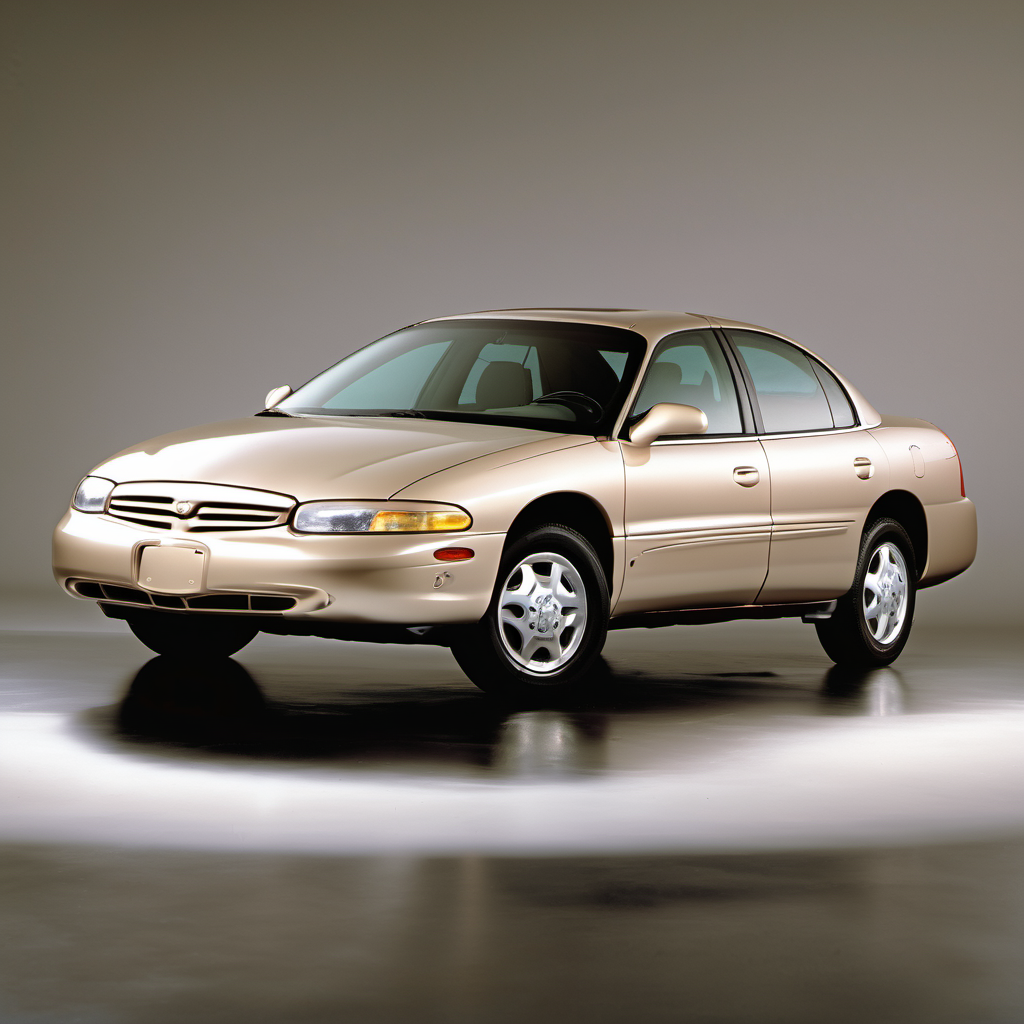
2000 Oldsmobile
Sedan
The 2000 Oldsmobile Intrigue is a front-wheel-drive mid-size sedan that represented GM's attempt to field a genuinely competitive, European-influenced family car under the Oldsmobile banner. Built on the GM W-body platform shared with the Pontiac Grand Prix and Buick Regal, the Intrigue offered a more upscale interior and sharper handling than most domestic sedans of its era. By 2000, the Intrigue was in its second and final full model year run — Oldsmobile discontinued the brand entirely in 2004, making parts availability an important consideration today. The 3.5L DOHC V6 (RPO LX5) is the standard and only engine offered in the 2000 Intrigue. It's a sophisticated dual-overhead-cam unit shared with no other GM product of the era, which is both its strength and its weakness: it makes good power and has a refined character, but sourcing certain parts — especially timing components and the upper intake manifold — takes more effort and cost than a garden-variety pushrod V6. The 4T65-E four-speed automatic transmission is a proven workhorse used across many GM platforms. At 25 years old, surviving Intrigues are now deep into used-car territory. Most examples have well over 100,000 miles, and the brand's discontinuation means dealership support is long gone. Independent shops familiar with GM W-body cars are your best resource. If you find a well-maintained example with documented service history, it can still be a comfortable, capable daily driver — but go in with realistic expectations about parts lead times and the vehicle's age.
The 2000 Oldsmobile Intrigue is a front-wheel-drive mid-size sedan that represented GM's attempt to field a genuinely competitive, European-influenced family car under the Oldsmobile banner. Built on the GM W-body platform shared with the Pontiac Grand Prix and Buick Regal, the Intrigue offered a more upscale interior and sharper handling than most domestic sedans of its era. By 2000, the Intrigue was in its second and final full model year run — Oldsmobile discontinued the brand entirely in 2004, making parts availability an important consideration today. The 3.5L DOHC V6 (RPO LX5) is the standard and only engine offered in the 2000 Intrigue. It's a sophisticated dual-overhead-cam unit shared with no other GM product of the era, which is both its strength and its weakness: it makes good power and has a refined character, but sourcing certain parts — especially timing components and the upper intake manifold — takes more effort and cost than a garden-variety pushrod V6. The 4T65-E four-speed automatic transmission is a proven workhorse used across many GM platforms. At 25 years old, surviving Intrigues are now deep into used-car territory. Most examples have well over 100,000 miles, and the brand's discontinuation means dealership support is long gone. Independent shops familiar with GM W-body cars are your best resource. If you find a well-maintained example with documented service history, it can still be a comfortable, capable daily driver — but go in with realistic expectations about parts lead times and the vehicle's age.
The 3.5L DOHC V6 has a complex valvetrain with tight oil passages. Neglected oil changes are the leading cause of timing and camshaft issues on this engine. At 25 years old, err on the shorter interval and use a quality conventional or synthetic 5W-30.
GM's Dex-Cool coolant breaks down and can cause intake manifold gasket issues when mixed with air or run past its service life. Inspect all hoses — at 25 years old, any original rubber should be replaced proactively.
The 4T65-E is durable but degrades quickly with neglected fluid. Use GM-spec Dexron VI. Avoid flushes on high-mileage units with unknown service history — a drain-and-fill is safer.
The DOHC V6 uses 6 plugs that can be awkward to access. Worn plugs stress the ignition system and can cause misfires. Use OEM-spec platinum or iridium plugs.
A 25-year-old belt is a failure waiting to happen regardless of mileage. Replace belt and inspect tensioner and idler pulley bearings at the same time.
Brake fluid absorbs moisture over time, lowering boiling point and promoting corrosion inside ABS components — a known cost center on these cars.
Older fuel systems accumulate tank sediment over decades. A clogged filter stresses the fuel pump, which is an expensive in-tank replacement on this vehicle.
Wisconsin road salt is relentless. Inspect brake lines, fuel lines, subframe mounting points, and exhaust hangers every fall. Surface rust is cosmetic; compromised brake or fuel lines are a safety issue.
Always defer to the manufacturer's service manual for warranty-mandated intervals.
The Intrigue is an inexpensive car to insure and fuel, but its age means deferred maintenance items tend to stack up. Budget on the higher end of the maintenance range if the service history is unknown. Parts sourcing for the unique 3.5L DOHC engine can add cost and wait time compared to more common GM V6 platforms. This is a car where a pre-purchase inspection is worth every dollar.
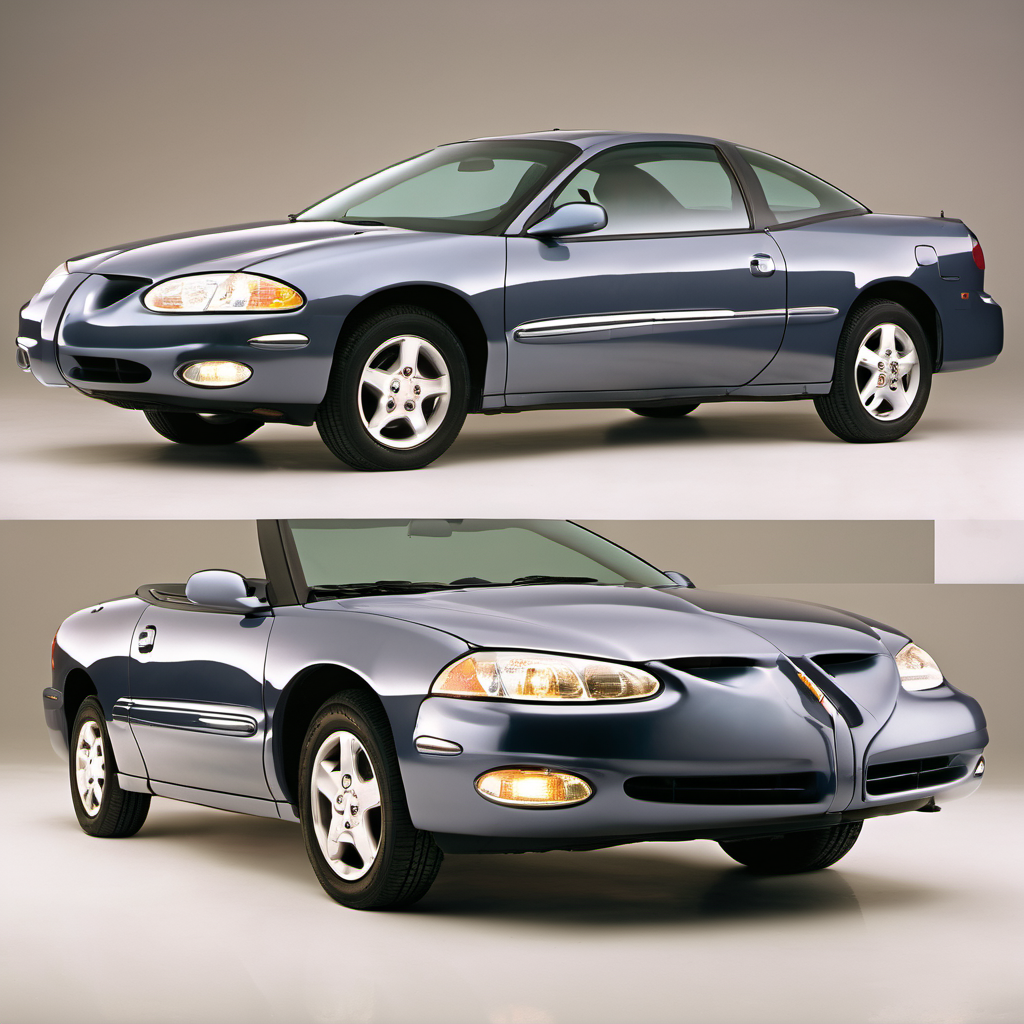
Same GM W-body platform, similar price range, and easier parts availability since Pontiac lasted four more years than Oldsmobile. The 3800 V6 in the Grand Prix is simpler and better-supported than the Intrigue's DOHC unit.
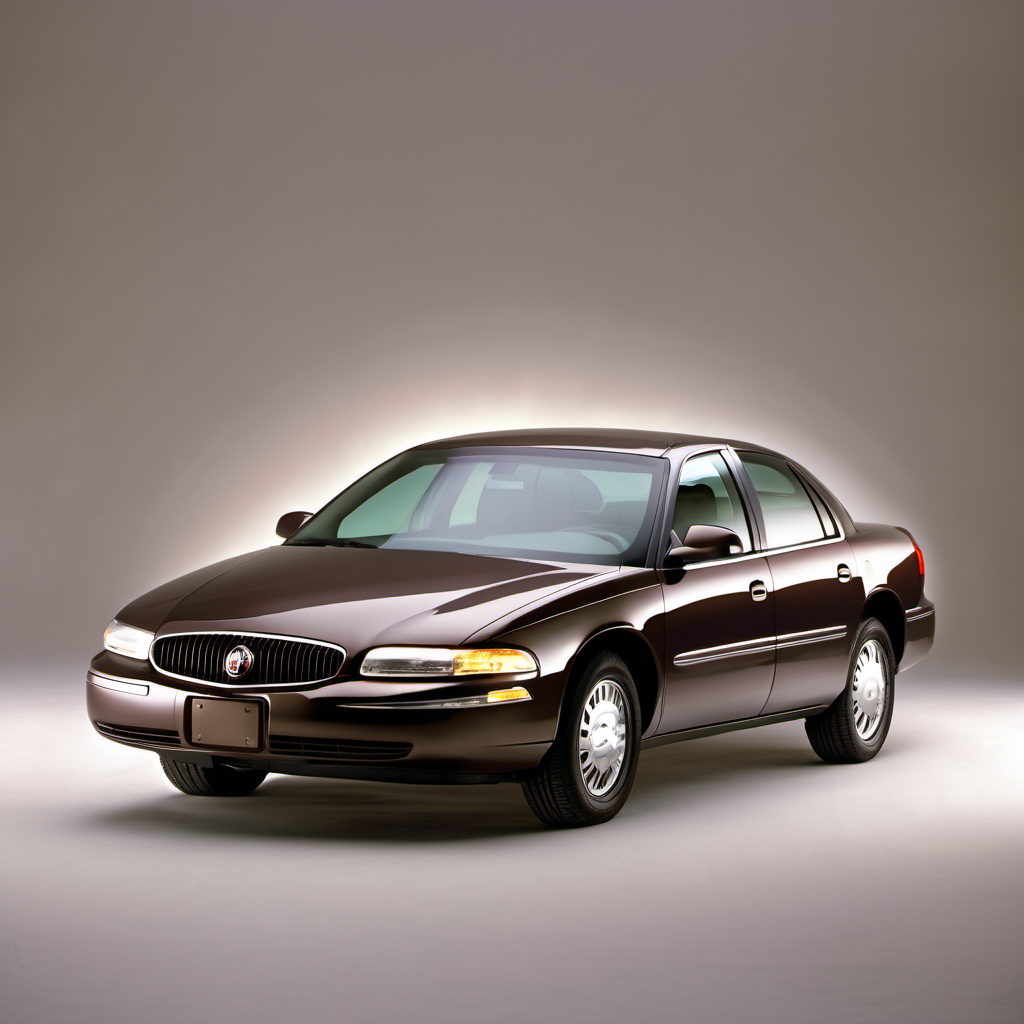
Another W-body sibling with a more upscale interior — closer in character to the Intrigue. The 3800 Series II V6 is one of the most proven domestic engines of the era and has excellent parts availability.
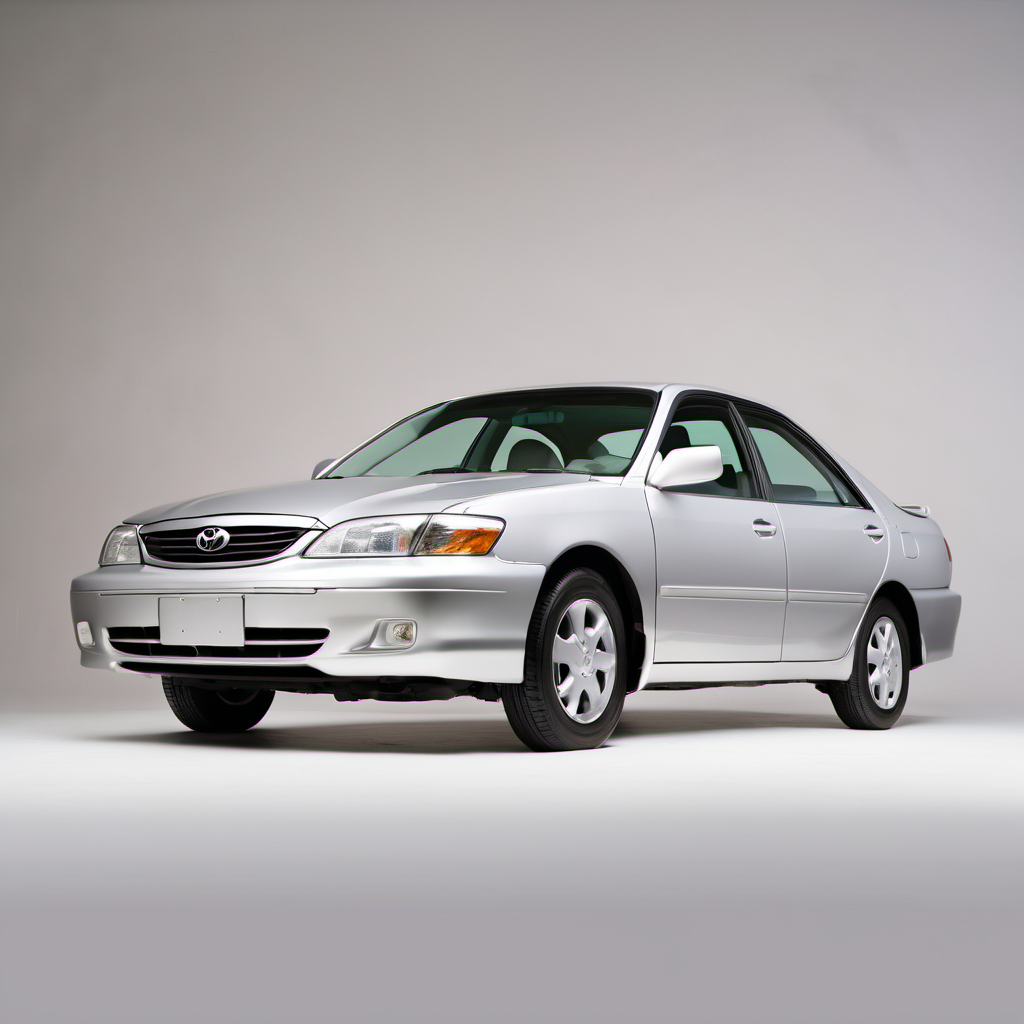
A direct mid-size sedan competitor from the same era with significantly better long-term parts availability, higher reliability scores, and a larger pool of maintained used examples.
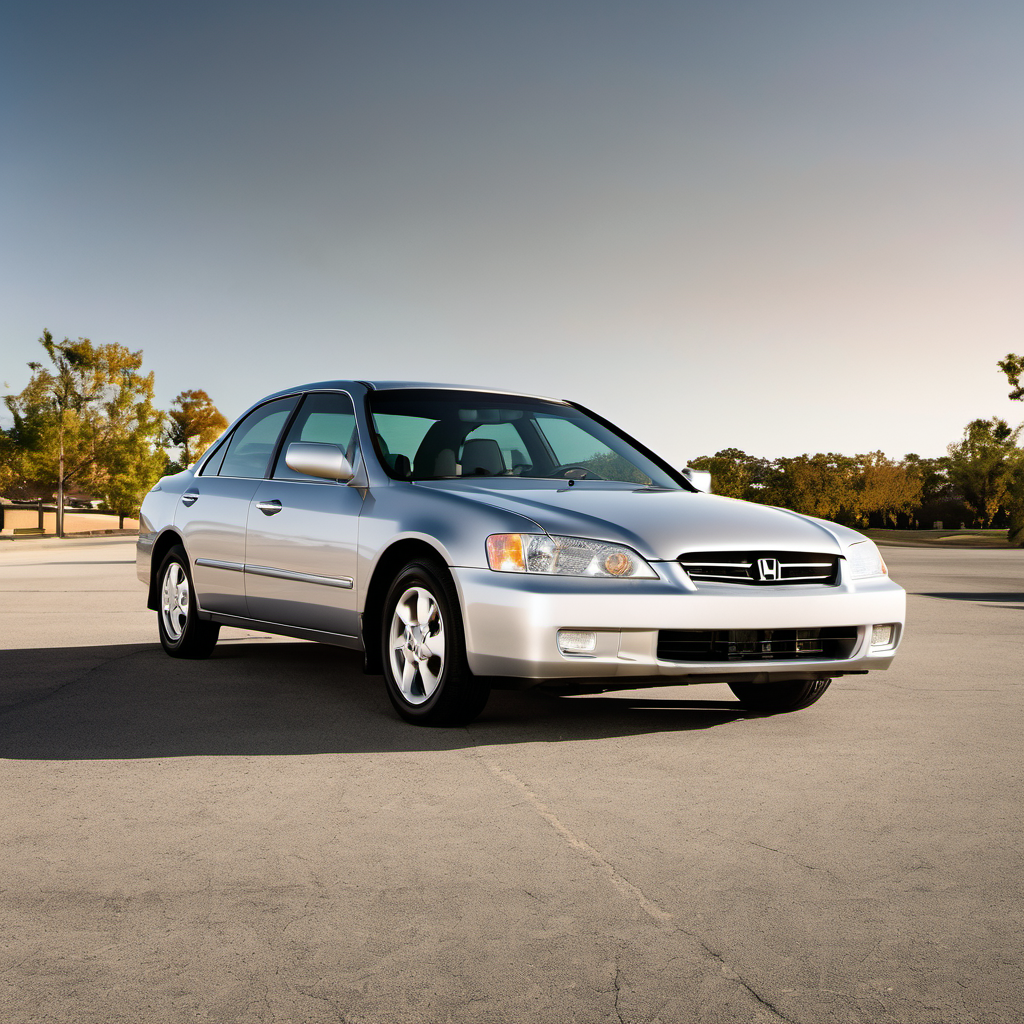
Comparable size, segment, and price point with one of the strongest reliability and parts-availability track records in the class — a useful benchmark when evaluating whether an Intrigue deal is actually worth it.