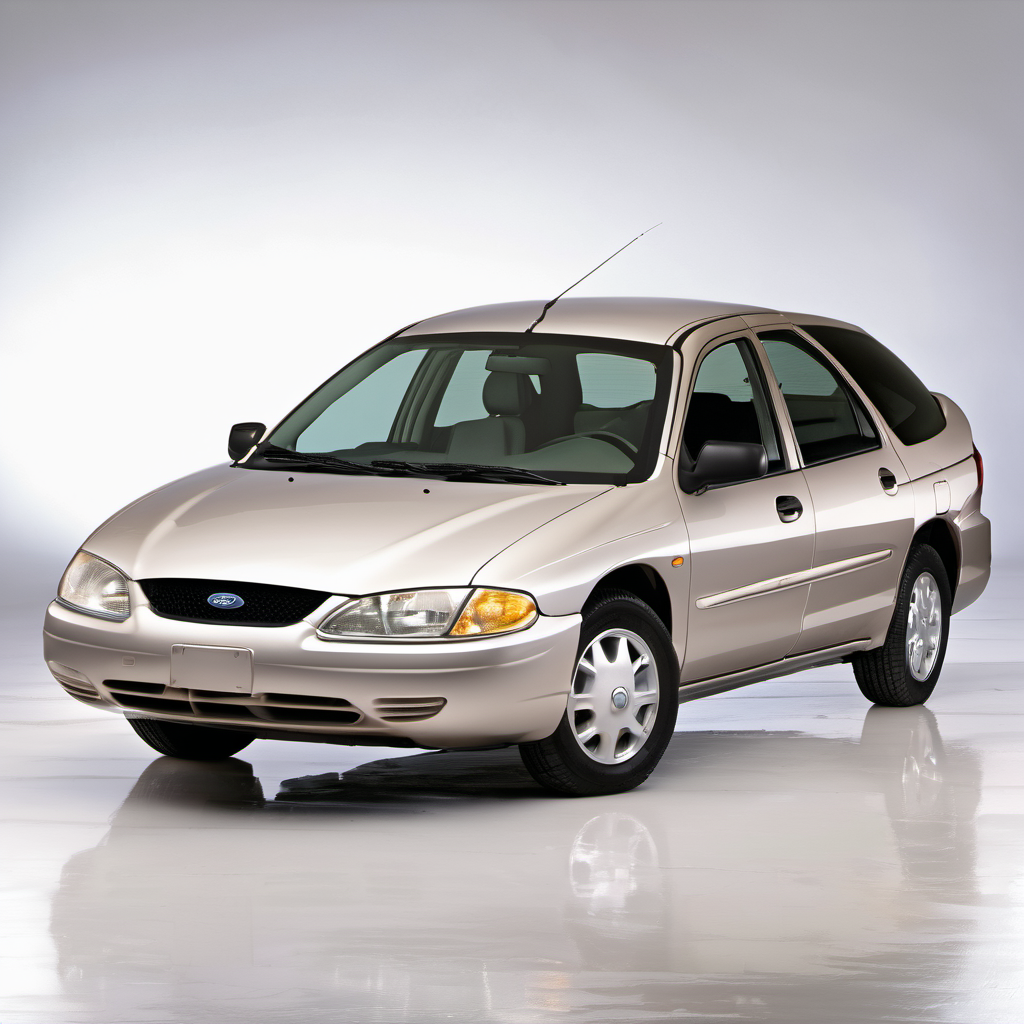
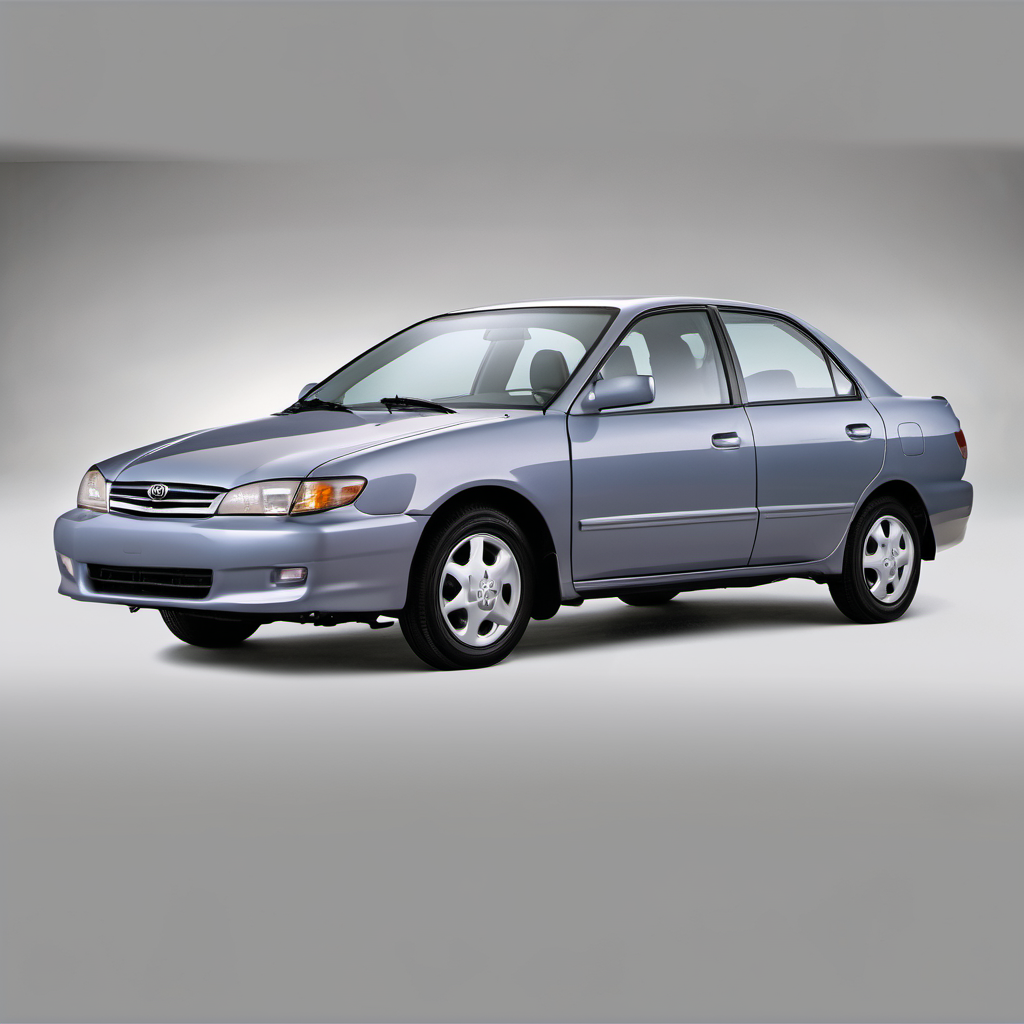
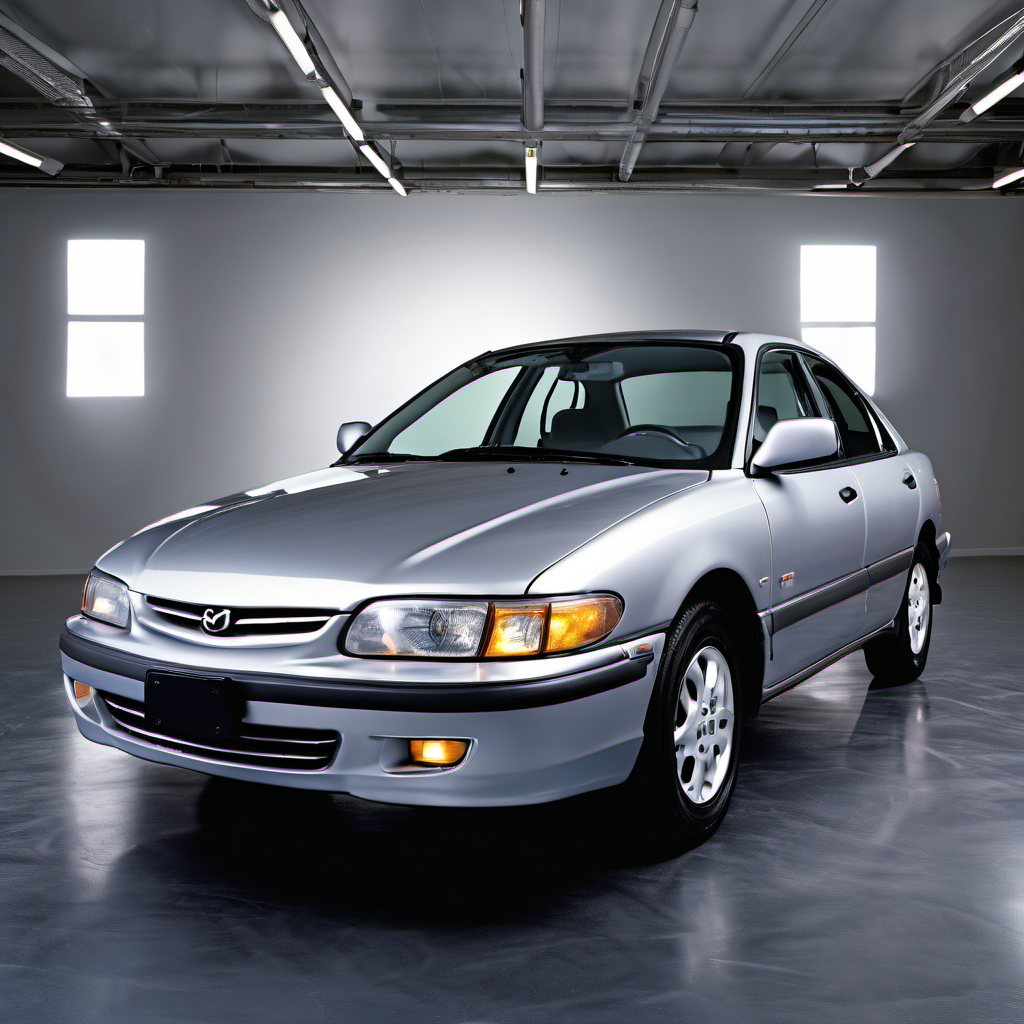
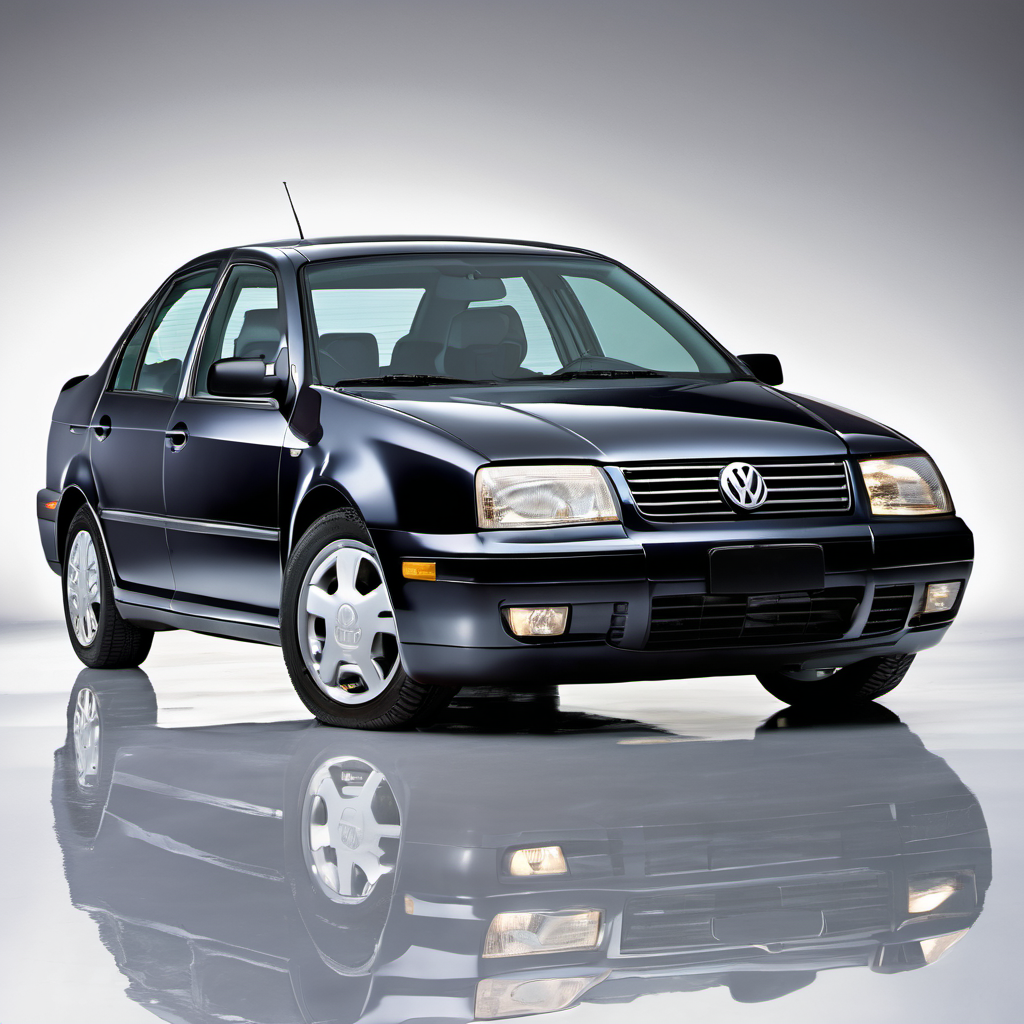
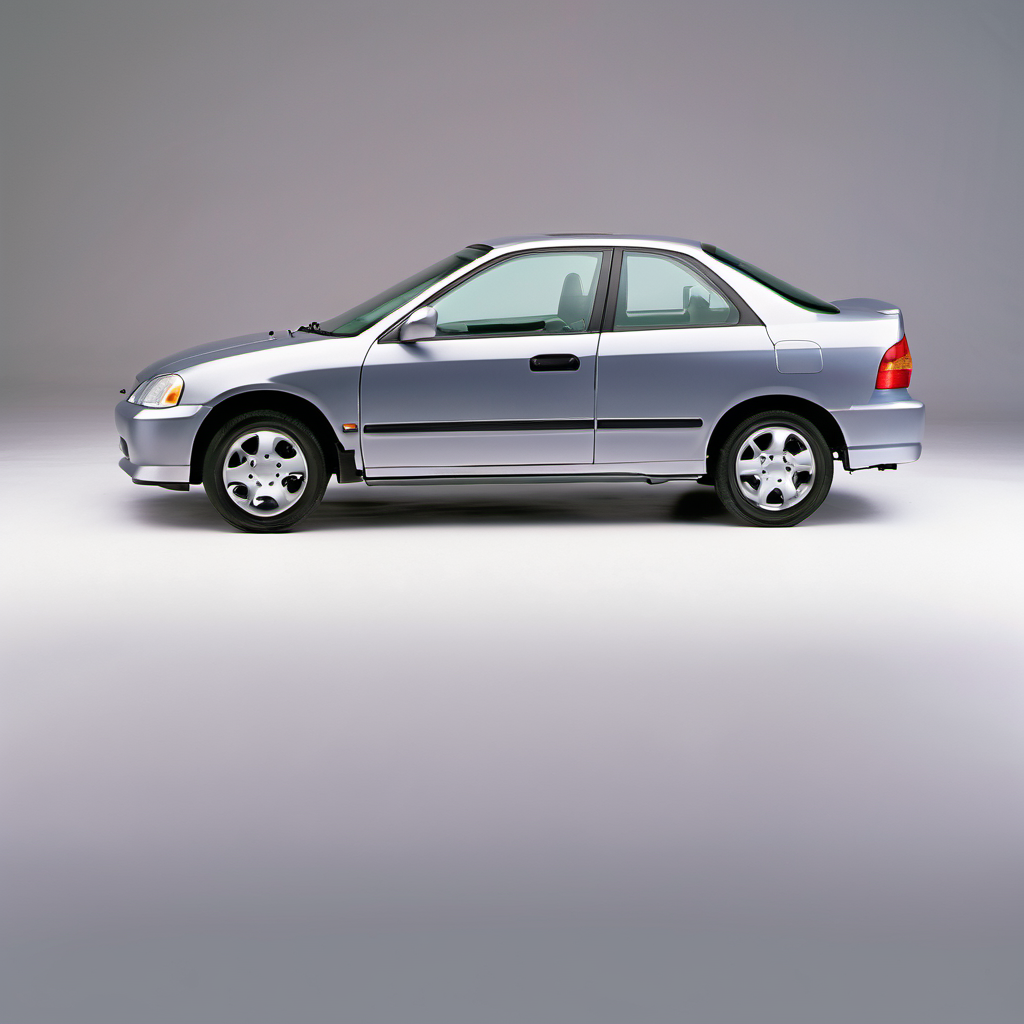
2000 Ford Contour Sedan

2000 Ford

ContourSedan

Sedan

The 2000 Ford Contour is the final model year of a mid-size sedan that Ford sold in North America from 1995 through 2000. Built on a European platform shared with the Mondeo, it was positioned above the Escort and below the Taurus, offering a more driver-focused ride than most American family sedans of the era. The base engine is a 2.0L four-cylinder paired to a 5-speed manual or 4-speed automatic, while the sportier SVT Contour variant used a 2.5L V6 — though the SVT was discontinued after 1999, making the 2.0L I4 the only engine available in 2000. By its last year, the Contour had developed a mixed reputation. Enthusiasts appreciated its European handling feel and tight body structure, but everyday owners ran into nagging reliability issues — particularly with cooling, electrical gremlins, and aging plastic components. Parts availability has thinned considerably over the past two decades, which is the single biggest practical concern for a buyer today. At 24 years old, any surviving 2000 Contour is a high-mileage or pampered-garage car. Rust is the primary threat in Wisconsin, and finding a clean example takes patience. It can make a cheap commuter in the right hands, but it is not a vehicle to depend on as a primary car without a thorough pre-purchase inspection.

Reliability
2/5
Verified data
Specs shown for Contour — the most common configuration. Other trims may vary in engine, drivetrain, or fuel economy. Sign in to see your vehicle's exact specs.
Engine
[object Object]
Drivetrain
FWD
Fuel
Gasoline
MPG
19 city / 28 hwy / 23 combined
Seats
Doors
Body
Compact Cars

Overview

AI-curated

The 2000 Ford Contour is the final model year of a mid-size sedan that Ford sold in North America from 1995 through 2000. Built on a European platform shared with the Mondeo, it was positioned above the Escort and below the Taurus, offering a more driver-focused ride than most American family sedans of the era. The base engine is a 2.0L four-cylinder paired to a 5-speed manual or 4-speed automatic, while the sportier SVT Contour variant used a 2.5L V6 — though the SVT was discontinued after 1999, making the 2.0L I4 the only engine available in 2000. By its last year, the Contour had developed a mixed reputation. Enthusiasts appreciated its European handling feel and tight body structure, but everyday owners ran into nagging reliability issues — particularly with cooling, electrical gremlins, and aging plastic components. Parts availability has thinned considerably over the past two decades, which is the single biggest practical concern for a buyer today. At 24 years old, any surviving 2000 Contour is a high-mileage or pampered-garage car. Rust is the primary threat in Wisconsin, and finding a clean example takes patience. It can make a cheap commuter in the right hands, but it is not a vehicle to depend on as a primary car without a thorough pre-purchase inspection.

Known for
  • European-tuned suspension with genuinely sharp handling for its class
  • Tight, well-built body structure compared to domestic competitors
  • Fuel-efficient 2.0L Zetec four-cylinder engine
  • Challenging maintenance access — engine bay is cramped and labor times run long
  • Parts scarcity as a discontinued model with low surviving population
Best for
  • Budget-conscious drivers who want a European-feel sedan on a shoestring
  • Mechanically inclined owners who can do their own maintenance
  • Light commuting duty where the car is not the sole transportation
Watch for
  • Severe rust on subframe, floor pans, and rear suspension mounts — critical in Wisconsin
  • Overheating from failing coolant elbows and plastic intake manifold components
  • Electrical gremlins including failed window regulators and instrument cluster issues
  • Shrinking parts supply — some body and trim pieces are no longer manufactured
  • Cooling system neglect; many of these cars have had overheating episodes

Common issues by mileage

6 known

Coolant elbow and plastic intake manifold failures

high
Typically appears
60–120k mi
Estimated repair
$200 – $600

Oxygen sensor / heater circuit failure

high
Typically appears
80–150k mi
Estimated repair
$150 – $350

Power window regulator failure

high
Typically appears
80–150k mi
Estimated repair
$150 – $300

Automatic transmission slipping or delayed engagement

medium
Typically appears
100–160k mi
Estimated repair
$800 – $2,500

Subframe and suspension mount rust-through

high
Typically appears
Any mileage on unprotected cars
Estimated repair
$500 – $2,000

Instrument cluster and electrical gremlins (speedo, odometer)

medium
Typically appears
100k+ mi
Estimated repair
$100 – $400

Maintenance schedule

  1. 1
    Every 2 years or 30k mi — more often on this car Cooling system flush and plastic fitting inspection

    The Contour's plastic coolant elbows and intake manifold fittings become brittle with age. A sudden coolant loss can cause overheating in minutes. Inspect all plastic fittings every service interval and replace proactively before they crack.

  2. 2
    Every 60k mi or at first sign of cracking Serpentine belt and tensioner replacement

    Belt access is tight. Replacing the tensioner at the same time as the belt saves a return labor charge and prevents a snap that can leave you stranded.

  3. 3
    Every 30k mi for plugs; inspect wires at each plug change Spark plugs and ignition wires

    The Zetec engine responds well to fresh plugs. Worn plugs stress the ignition coil pack — a pricier repair on this platform.

  4. 4
    Every 30k mi — do not follow the 'lifetime' fill myth Transmission fluid change (automatic)

    The 4F27E automatic in these cars is marginal. Fresh Mercon V fluid is cheap insurance against the most common failure point on this vehicle.

  5. 5
    Every fall before Wisconsin winter Undercarriage rust inspection and treatment

    Subframe rust is a safety issue and an MOT-killer. Clean road salt from the undercarriage after every significant winter storm and apply a rust inhibitor to bare metal each autumn.

  6. 6
    Every fall Battery load test

    A battery over 3 years old that hasn't been load-tested will frequently fail in sub-zero Wisconsin temperatures. The Contour's alternator is under additional strain from aging electrical connections — start each winter with a known-good battery.

  7. 7
    Every 30k mi or annually Front control arm bushings and ball joint inspection

    Worn bushings are common on high-mileage Contours and dramatically affect handling and tire wear. Early detection keeps repair costs low.

  8. 8
    Every 2 years Brake fluid flush

    Hygroscopic brake fluid absorbs moisture over time, lowering the boiling point and accelerating caliper corrosion — a real concern in Wisconsin's wet, salty winters.

Always defer to the manufacturer's service manual for warranty-mandated intervals.

Cost of ownership

Annual maintenance
$800 – $2,000
Fuel
At 23 MPG combined and average driving, expect roughly $1,400–$1,700/year at current Midwest gas prices. Premium is not required — regular 87 octane is specified.
Insurance
Typically low — full coverage on a 24-year-old economy sedan usually runs $600–$1,000/year depending on driving record and zip code.

The Contour looks cheap to buy, and insurance is genuinely inexpensive. Where owners get surprised is maintenance: the cramped engine bay inflates labor times, and sourcing some parts now requires searching online salvage or specialty vendors. Budget on the higher end of the maintenance range if the car has deferred service history or a rust problem. A single major repair — transmission, subframe, or cooling system failure — can easily exceed the car's market value.
Seasonal care

Lake Geneva, WI
Winter
  • Load-test the battery every October — sub-zero starts will kill a marginal battery and the Contour's aging wiring adds extra draw
  • Inspect and replace wiper blades with winter-rated blades; top off with -20°F or better rated washer fluid rated for Wisconsin temps
  • Flush and pressure-test the cooling system before winter — a cracked plastic elbow that weeps in summer will fail completely in the cold
  • Rinse the undercarriage after every heavy salting event; pay extra attention to the subframe mounting points which rust from the inside out
  • Check tire tread depth and cold-weather pressure — FWD helps in snow but worn tires eliminate that advantage; inflate to spec as pressure drops ~1 PSI per 10°F
  • Keep at least a half tank of fuel through winter to prevent moisture accumulation in the tank and fuel line freeze on older systems
Summer
  • Monitor coolant temperature closely during hot weather — the Contour's cooling system has little margin and traffic jams can push it toward overheat
  • Check A/C refrigerant charge and inspect the condenser for debris; a weak A/C system on a 24-year-old car often just needs a recharge, but have the evaporator drain inspected for clogs
  • Check tire pressure weekly in summer heat — pressure rises roughly 1 PSI per 10°F and overinflation accelerates center tread wear
  • Inspect rubber coolant hoses for heat-induced softness or swelling — replace any hose that feels mushy or shows cracking at the clamps

Comparable vehicles

If you're shopping for one

Red flags
  • Any rust visible on the subframe, floor pans, or rear beam axle mounts — walk away unless you have a confirmed repair estimate
  • Coolant that is brown, rusty, or smells burned — indicates cooling system neglect and possible head gasket stress
  • A seller who cannot produce any maintenance records; on a 24-year-old car, documented history is everything
  • Transmission that hesitates, slips, or shudders when shifting — rebuilds often cost more than the car's value
  • Peeling or bubbling paint around the door sills and rocker panels — usually signals rust working from underneath
What to inspect
  • Full undercarriage inspection on a lift: subframe welds, control arm mounts, fuel and brake lines for rust perforation
  • Cooling system pressure test and inspection of all plastic elbows and fittings — the #1 failure point on this model
  • All four window regulators — have the seller demonstrate all windows going up and down before purchase
  • Engine oil condition and level — pull the dipstick and check for milky or sludgy oil indicating head gasket or maintenance problems
  • Instrument cluster function — odometer, speedometer, and fuel gauge are known to fail or read erratically
  • Brake pad thickness and rotor condition — brake hardware is still available but confirms overall maintenance attitude
  • Cold start behavior — let the car sit overnight if possible and start it cold to listen for timing chain rattle or rough idle
AI profile generated 11 days ago · claude-sonnet-4-6 · v2.