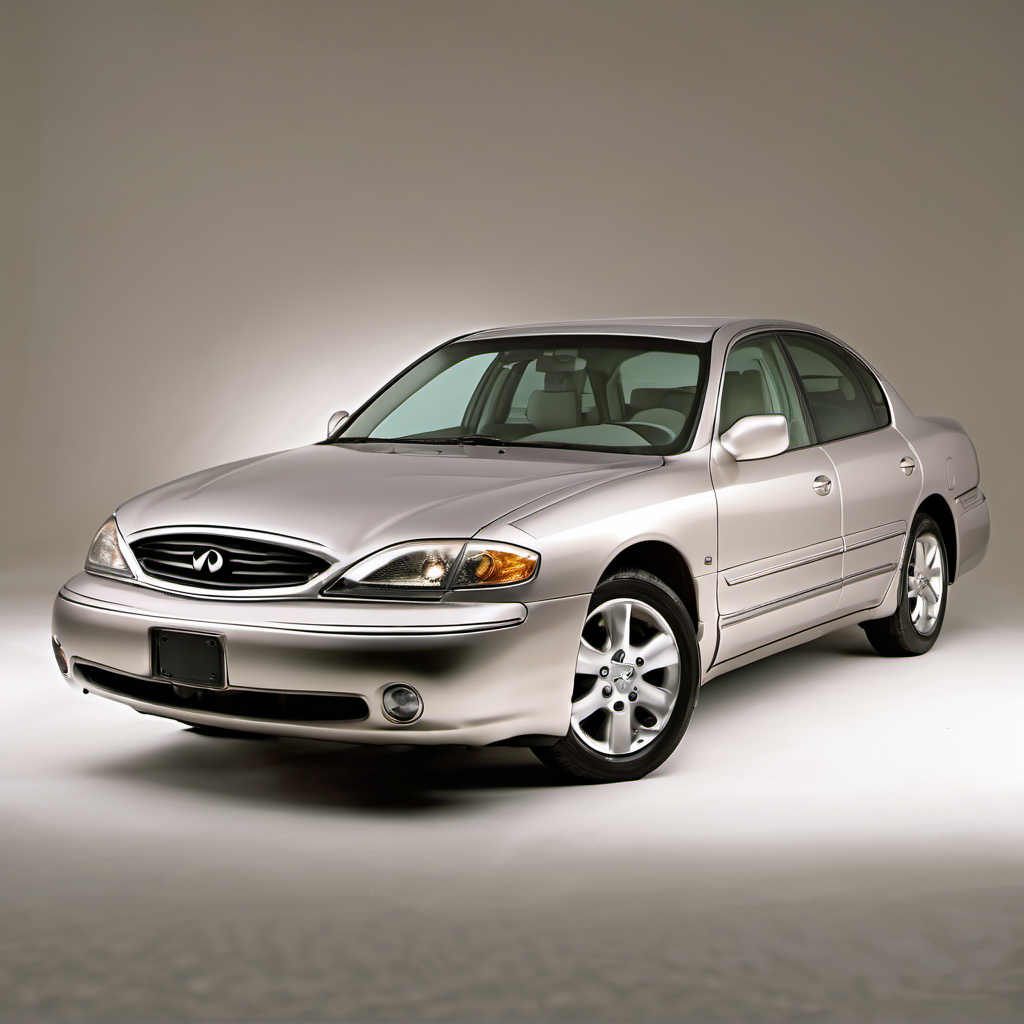
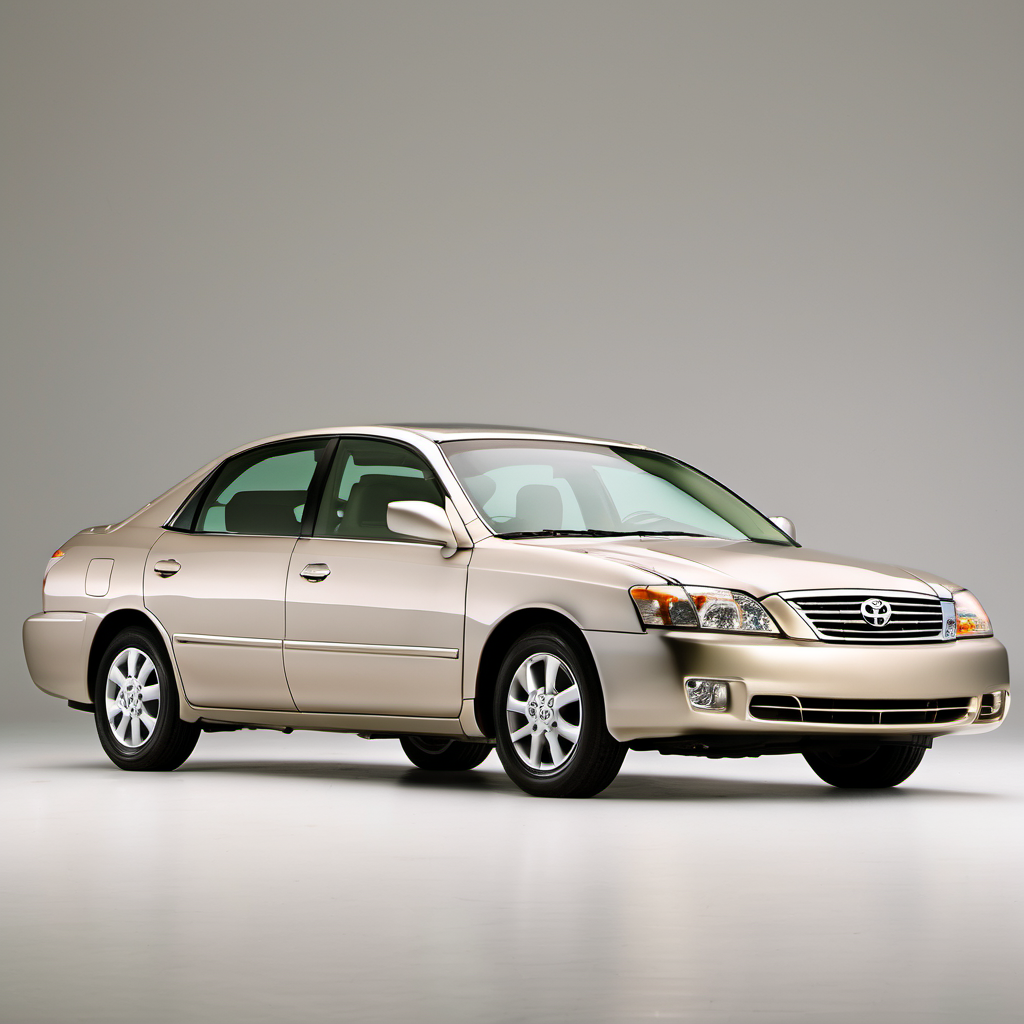
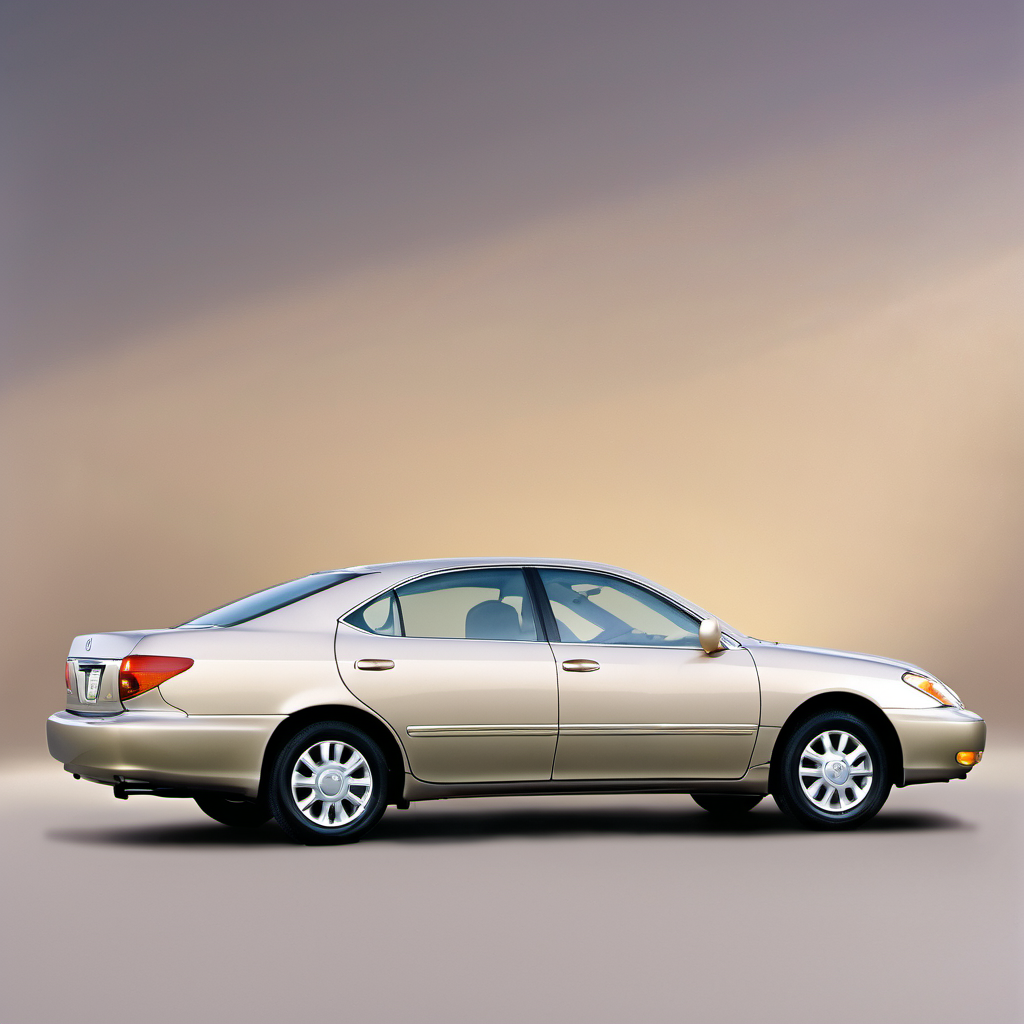
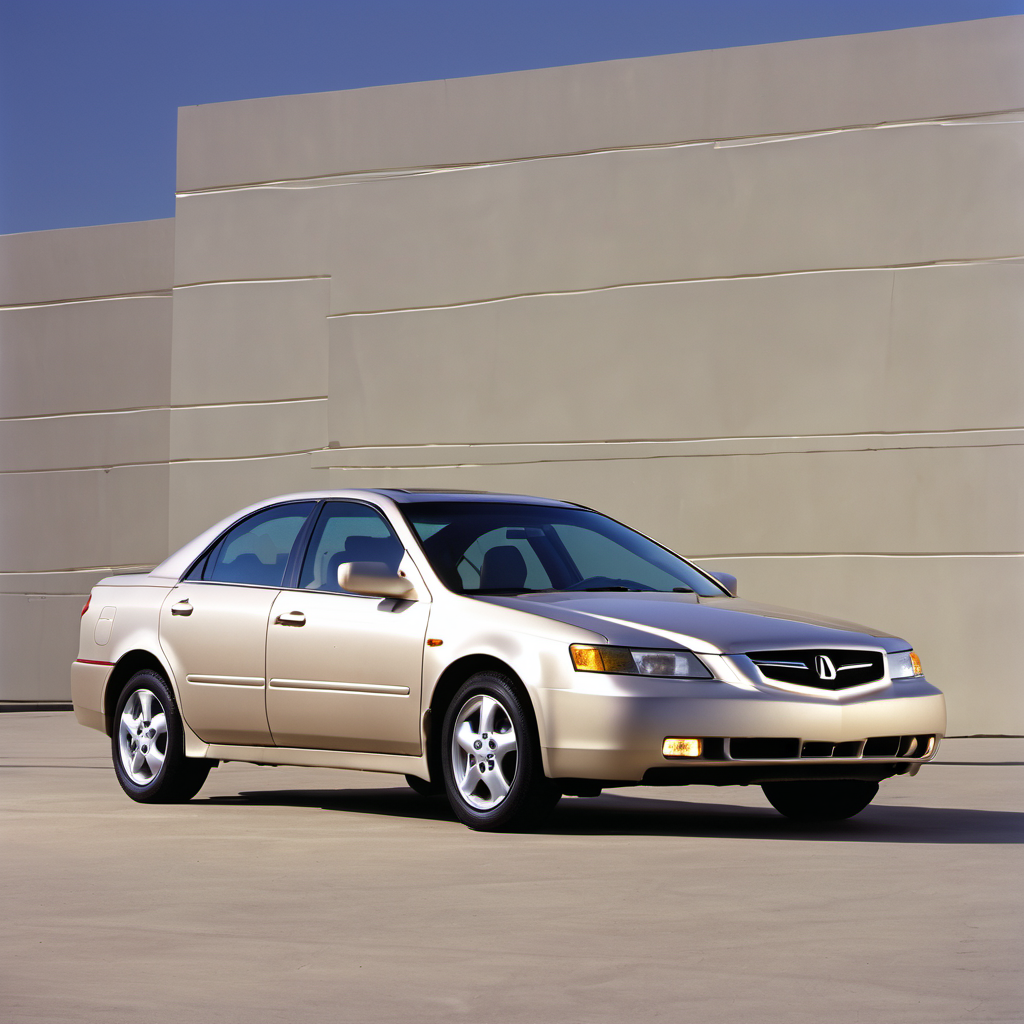
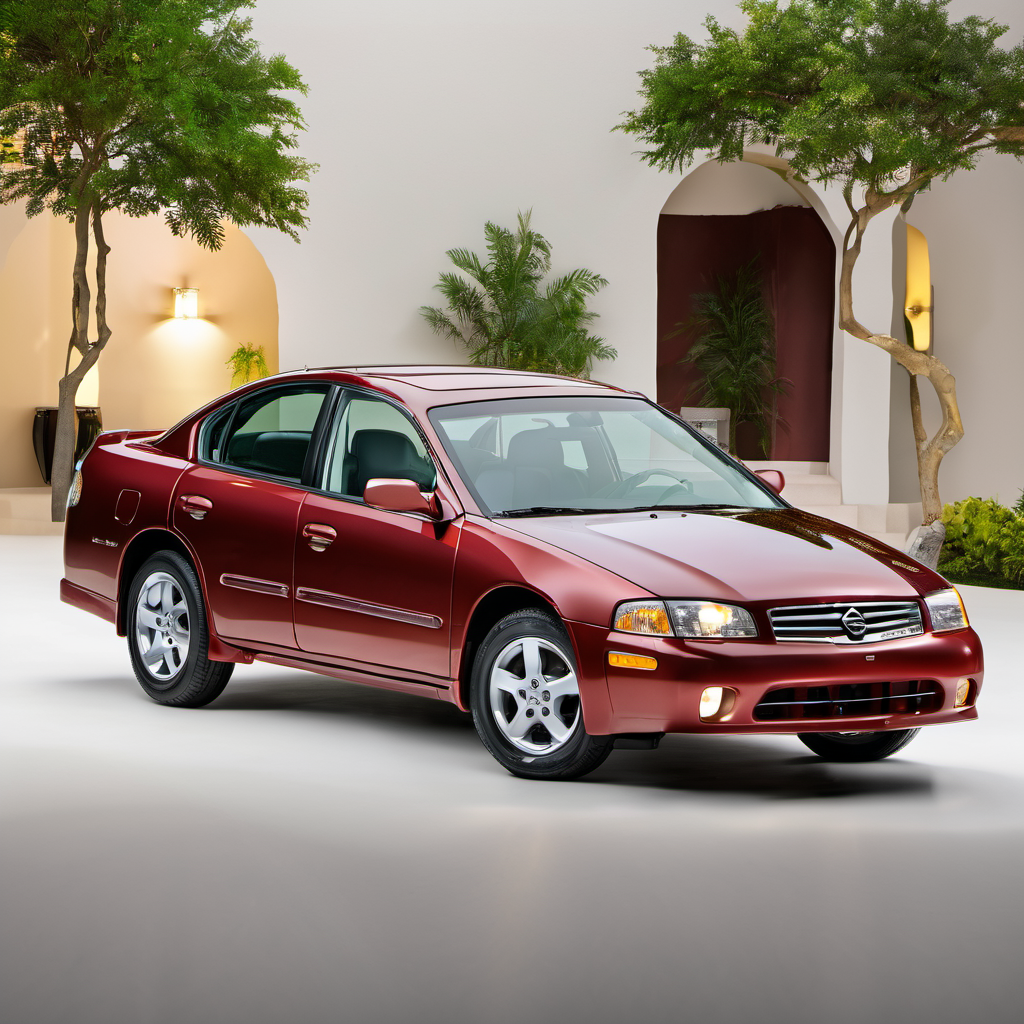
2000 INFINITI I Sedan

2000 INFINITI

ISedan

3.0L V6 (VQ30DE) · Sedan

The 2000 Infiniti I30 is the third generation of Infiniti's entry-level luxury sedan, sold in the U.S. as the 'I' series (officially I30). It shares its platform and drivetrain entirely with the Nissan Maxima of the same era — a well-proven combination that gave the I30 a reputation for solid everyday reliability wrapped in a more upscale interior. The 3.0L VQ30DE V6 under the hood is one of Nissan's most celebrated engines, known for smooth power delivery and strong longevity when maintained properly. For the 2000 model year, Infiniti refreshed the I30 with a slightly revised exterior and upgraded interior materials. It was front-wheel drive only — a point of contention for luxury buyers expecting RWD — but the trade-off was a spacious, comfortable cabin and a trunk large enough for road trips. The Bose audio system, leather seating, and wood trim made it competitive with entry BMW and Mercedes offerings of the period at a lower price point. At 24 years old, these cars are now deep into their ownership lifecycle. Finding a clean, well-maintained example takes patience, but those that have been cared for can still deliver a refined, comfortable driving experience. Expect rust and deferred maintenance to be the primary concerns rather than fundamental mechanical failure.

Reliability
3/5
Verified data
Engine
3.0L V6 (VQ30DE)
Drivetrain
FWD
Fuel
Gasoline
MPG
20 city / 28 hwy / 23 combined
Seats
5
Doors
4
Body
Sedan
MSRP
$31,695

Overview

AI-curated

The 2000 Infiniti I30 is the third generation of Infiniti's entry-level luxury sedan, sold in the U.S. as the 'I' series (officially I30). It shares its platform and drivetrain entirely with the Nissan Maxima of the same era — a well-proven combination that gave the I30 a reputation for solid everyday reliability wrapped in a more upscale interior. The 3.0L VQ30DE V6 under the hood is one of Nissan's most celebrated engines, known for smooth power delivery and strong longevity when maintained properly. For the 2000 model year, Infiniti refreshed the I30 with a slightly revised exterior and upgraded interior materials. It was front-wheel drive only — a point of contention for luxury buyers expecting RWD — but the trade-off was a spacious, comfortable cabin and a trunk large enough for road trips. The Bose audio system, leather seating, and wood trim made it competitive with entry BMW and Mercedes offerings of the period at a lower price point. At 24 years old, these cars are now deep into their ownership lifecycle. Finding a clean, well-maintained example takes patience, but those that have been cared for can still deliver a refined, comfortable driving experience. Expect rust and deferred maintenance to be the primary concerns rather than fundamental mechanical failure.

Known for
  • Nissan VQ30DE V6 — smooth, powerful, and long-lived with regular oil changes
  • Upscale interior quality for its price class, with genuine wood trim and Bose audio
  • Comfortable, quiet highway ride typical of the Infiniti brand focus
  • Strong parts availability thanks to shared platform with the Nissan Maxima
  • Good trunk space and practical everyday usability for a luxury sedan
Best for
  • Budget luxury buyers who want a refined ride without German repair bills
  • Highway commuters who prioritize comfort over sport
  • Mechanics or DIYers comfortable with a 25-year-old car
  • Buyers who understand they're purchasing a high-mileage classic, not a modern car
Watch for
  • Rust on the undercarriage, subframe, and rocker panels — especially critical in Wisconsin
  • Timing belt service history — neglected belts can cause catastrophic engine damage
  • Automatic transmission wear on high-mileage examples (common above 120k)
  • Aging rubber seals and weather stripping leading to water intrusion
  • Deferred maintenance from previous owners — these cars are often neglected in later ownership

Common issues by mileage

6 known

Timing Belt Failure (Interference Engine)

high
Typically appears
90–105k mi (and every 90k thereafter)
Estimated repair
$600 – $950

Automatic Transmission Slipping / Harsh Shifting

medium
Typically appears
100–150k mi
Estimated repair
$1,800 – $3,500

VQ30DE Oil Leaks (Valve Cover Gaskets, Rear Main Seal)

high
Typically appears
80–150k mi
Estimated repair
$150 – $500

Mass Airflow Sensor Failure / Rough Idle

medium
Typically appears
80–140k mi
Estimated repair
$150 – $350

Power Window Regulator Failure

high
Typically appears
80k+ mi
Estimated repair
$150 – $300

Undercarriage / Subframe Rust (Wisconsin-specific concern)

high
Typically appears
Any mileage on Midwest/salt-belt cars
Estimated repair
$500 – $3,000

Maintenance schedule

  1. 1
    Every 90,000 miles or 7 years, whichever comes first Timing belt and water pump replacement

    The VQ30DE is an interference engine — a broken timing belt will contact the valves and destroy the engine. At this age, if history is unknown, replace it immediately regardless of mileage.

  2. 2
    Every 5,000 miles or 6 months Engine oil and filter change

    The VQ30DE's longevity is directly tied to clean oil. Use a quality 5W-30 conventional or synthetic. At this age, do not extend intervals.

  3. 3
    Every 30,000 miles Automatic transmission fluid service

    The 4-speed RE4F04A transmission is sensitive to fluid breakdown. Many owners skip this service; neglected fluid accelerates clutch wear and causes the harsh-shifting problems common on high-mileage examples.

  4. 4
    Every 30,000 miles or 2 years Coolant flush and thermostat inspection

    Aging coolant loses its corrosion inhibitors, attacking aluminum engine components. On a 25-year-old car, inspect the thermostat and hoses at every coolant service.

  5. 5
    Every 2 years Brake fluid flush

    Brake fluid is hygroscopic — it absorbs water over time, lowering its boiling point and promoting corrosion in calipers and wheel cylinders. Critical on an older vehicle with original or unknown brake fluid.

  6. 6
    Every 30,000 miles (use OEM-spec platinum or iridium plugs) Spark plug replacement

    Worn plugs on the VQ30DE cause rough idle and reduced fuel economy. Getting to the rear bank of plugs requires some disassembly — budget extra labor time.

  7. 7
    Every 60,000 miles or 5 years Serpentine belt and belt tensioner inspection

    At 25 years old, original or older belts are a roadside-breakdown risk. Replace both the belt and tensioner together — the tensioner pulley bearing fails silently.

  8. 8
    Every spring (after Wisconsin winter salt exposure) Undercarriage rust inspection and treatment

    Salt-belt corrosion on 25-year-old cars is one of the top failure modes in the Lake Geneva area. Inspect subframe mounting points, brake lines, and fuel lines annually. Treat exposed metal promptly.

Always defer to the manufacturer's service manual for warranty-mandated intervals.

Cost of ownership

Annual maintenance
$700 – $1,800
Fuel
At ~23 MPG combined and Wisconsin average fuel prices, expect roughly $1,400–$1,800/year for a typical 12,000-mile driver using regular unleaded.
Insurance
Insurance on a 25-year-old entry luxury sedan is typically low — expect $600–$1,000/year for full coverage depending on driving history, but liability-only may make more financial sense given the car's market value.

The I30 is cheap to insure and reasonably affordable to fuel, but maintenance costs on a 25-year-old car can swing wide depending on what the previous owner(s) deferred. Budget on the high end of the maintenance range for the first year of ownership until you have a clear service history. Major unknowns — timing belt, transmission fluid, brake lines — should be inspected or replaced at purchase.
Seasonal care

Lake Geneva, WI
Winter
  • Switch to 5W-30 full synthetic oil before temperatures drop below 0°F — conventional oil thickens in sub-zero cold, starving the VQ30DE on cold starts.
  • Test the battery every fall — cold cranking amps drop sharply in sub-zero temps, and a battery that 'seems fine' in October can fail to start the car in January.
  • Flush and refill washer fluid with a -20°F or colder rated fluid — Lake Geneva winters will freeze standard fluid in the reservoir and lines.
  • Inspect rubber door seals and treat with silicone lubricant to prevent doors from freezing shut overnight.
  • Check brake lines and fuel lines for corrosion every fall before salting season begins — these are failure-critical on a 25-year-old car.
  • Consider a battery tender or block heater if the car sits for extended periods in extreme cold — cold soaks are hard on the engine and battery alike.
Summer
  • Check tire pressure monthly — pressure rises approximately 1 PSI for every 10°F increase in temperature, causing overinflation and uneven wear on hot pavement.
  • Inspect the A/C system for refrigerant leaks and test cooling performance before July heat arrives — the I30's cabin heats up quickly and the aging A/C system may need a recharge.
  • Check coolant level and condition — the VQ30DE runs warm in stop-and-go summer traffic, and a weak coolant mix or low level accelerates overheating risk.
  • Inspect wiper blades and replace if streaking — summer UV degrades rubber quickly, and you'll need them for summer thunderstorms.

Comparable vehicles

If you're shopping for one

Red flags
  • No timing belt records and the seller says 'it's probably fine' — walk away or negotiate the full cost of the service out of the price.
  • Any sign of transmission slipping, harsh shifts, or a burnt smell from the transmission fluid.
  • Rust holes or severe pitting on the subframe, brake lines, or floor pans — structural rust on a 25-year-old car can be more expensive to fix than the car is worth.
  • Coolant in the oil (milky dipstick) or oil in the coolant (oily residue in the overflow tank) — head gasket failure on an old engine often isn't worth repairing.
  • Check engine light that 'just came on' — on a car this age, a lit CEL with camshaft timing codes (P0012, P0015, P0022, P0025) can indicate sludge in the VVT system from neglected oil changes, a costly repair.
  • Musty interior smell or wet carpet — aging door and windshield seals on these cars allow water intrusion that leads to mold and electrical gremlins.
What to inspect
  • Timing belt service records — this is non-negotiable. If the seller can't prove it was done, assume it wasn't and price accordingly.
  • Undercarriage: put the car on a lift and inspect the subframe, brake lines, fuel lines, and rocker panels for rust perforation — Wisconsin salt is brutal on 25-year-old steel.
  • Transmission behavior: drive it cold and warm, through all gears. Any slipping, flaring between shifts, or delayed engagement is a red flag.
  • Oil condition and consumption: check the dipstick for dark, sludgy oil or a milky appearance (coolant contamination). Run it and look for blue smoke at startup.
  • Valve cover and rear main seal for oil leaks — look for oil residue on the back of the engine block and on the bellhousing.
  • Power windows, sunroof, and all electrical accessories — regulators and motors fail frequently and replacements add up fast on a budget car.
AI profile generated 11 days ago · claude-sonnet-4-6 · v2.