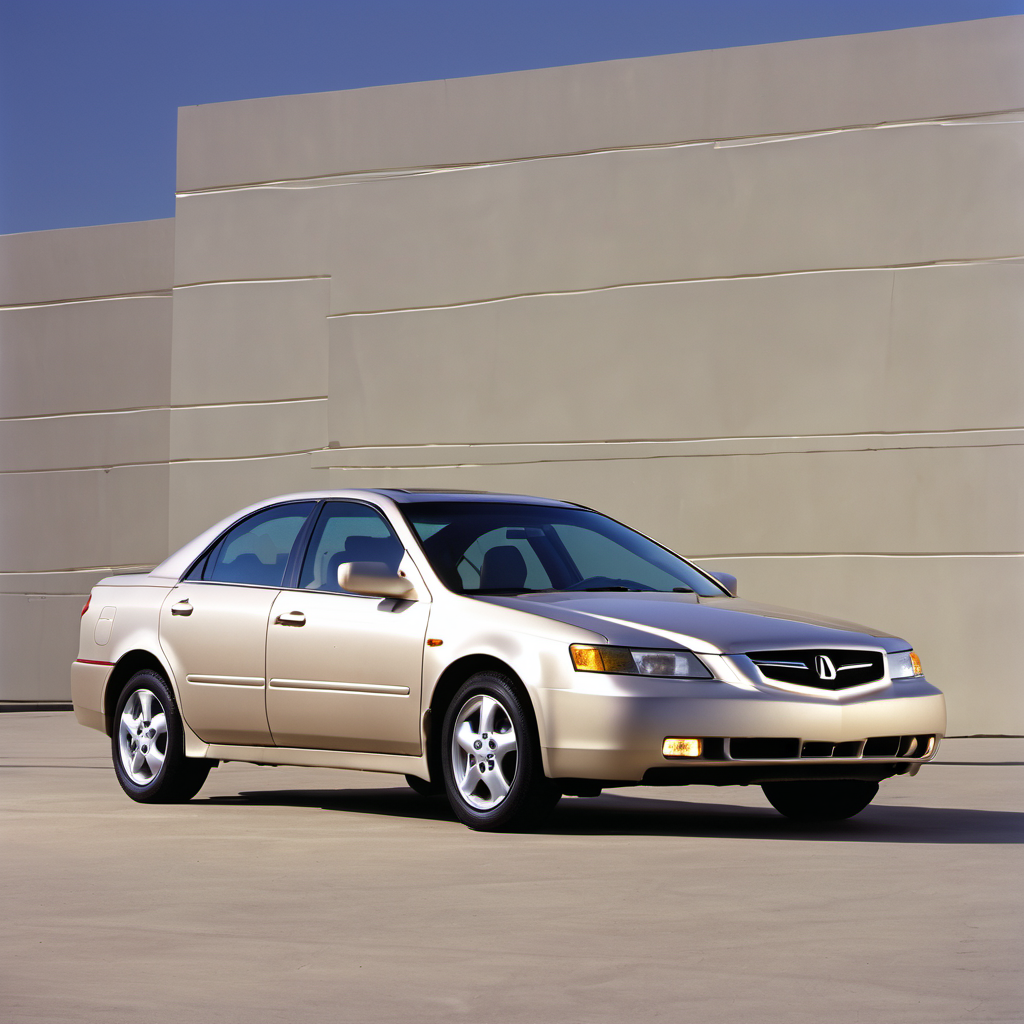
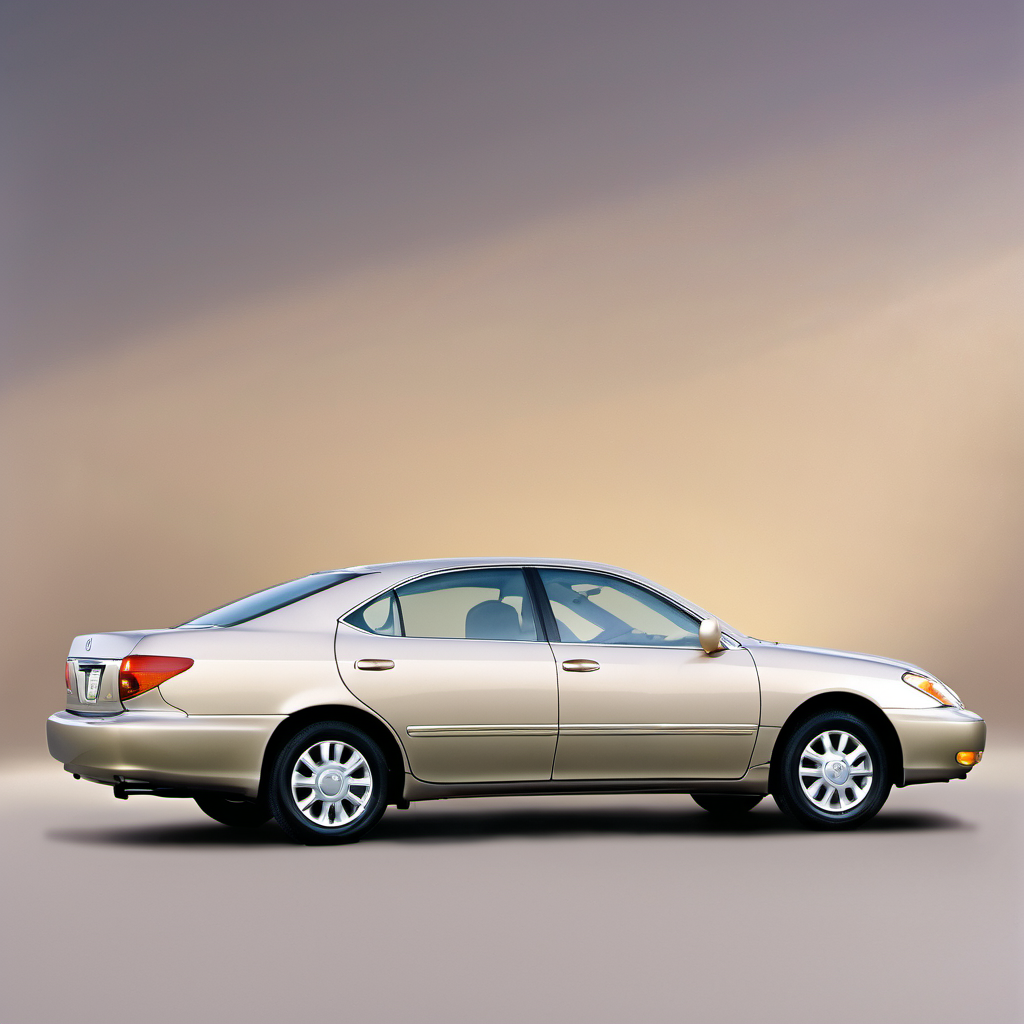
2000 Acura TL Sedan

2000 Acura

TLSedan

Sedan

The 2000 Acura TL is a front-wheel-drive luxury sport sedan powered by Honda's smooth and willing 3.2L VTEC V6. It sits in the entry-to-mid luxury segment and was Acura's volume seller at the turn of the millennium — well-equipped, comfortable, and backed by Honda's reputation for mechanical durability. The 3.2 TL delivered a genuinely premium experience for its price: leather, a Bose audio system, moonroof, and heated seats were all standard or near-standard. The ride leans toward comfort without being mushy, and the V6 pulls confidently through highway speeds. The big caveat on this generation is the automatic transmission. The 4-speed unit paired to the 3.2L V6 has a documented, widespread failure history — it is the defining ownership risk on this car and must be factored into any purchase or long-term ownership plan.

Reliability
3/5
Verified data
Specs shown for 3.2TL — the most common configuration. Other trims may vary in engine, drivetrain, or fuel economy. Sign in to see your vehicle's exact specs.
Engine
[object Object]
Drivetrain
FWD
Fuel
Premium gasoline
MPG
17 city / 27 hwy / 20 combined
Seats
Doors
Body
Midsize Cars

Overview

AI-curated

The 2000 Acura TL is a front-wheel-drive luxury sport sedan powered by Honda's smooth and willing 3.2L VTEC V6. It sits in the entry-to-mid luxury segment and was Acura's volume seller at the turn of the millennium — well-equipped, comfortable, and backed by Honda's reputation for mechanical durability. The 3.2 TL delivered a genuinely premium experience for its price: leather, a Bose audio system, moonroof, and heated seats were all standard or near-standard. The ride leans toward comfort without being mushy, and the V6 pulls confidently through highway speeds. The big caveat on this generation is the automatic transmission. The 4-speed unit paired to the 3.2L V6 has a documented, widespread failure history — it is the defining ownership risk on this car and must be factored into any purchase or long-term ownership plan.

Known for
  • Smooth, powerful 3.2L VTEC V6
  • Well-appointed interior for the era
  • Honda mechanical reliability underneath the Acura badge
  • Notorious 4-speed automatic transmission failures
Best for
  • Buyers wanting a comfortable daily driver with V6 refinement
  • Those who can maintain or have already replaced the transmission
  • Owners who want luxury features at a low used-car price
Watch for
  • Automatic transmission failure — the single biggest risk on this car
  • High mileage examples with original or unserviced transmissions
  • Premium fuel requirement adds ongoing cost
  • Age-related rubber degradation: hoses, seals, bushings on a 25-year-old vehicle

Common issues by mileage

6 known

Automatic Transmission Failure

high
Typically appears
60–130k mi
Estimated repair
$1,800 – $3,800

Timing Belt & Water Pump Service Overdue

high
Typically appears
90–105k mi (interval-based)
Estimated repair
$550 – $950

Oxygen / A/F Sensor Heater Circuit Failure

medium
Typically appears
80–150k mi
Estimated repair
$150 – $400

Power Steering Rack Leak

medium
Typically appears
100–180k mi
Estimated repair
$600 – $1,200

Age-Related Underhood Hose & Seal Deterioration

high
Typically appears
Any mileage on a 25-year-old car
Estimated repair
$200 – $700

Maintenance schedule

  1. 1
    Every 30k miles — do not skip on this generation Transmission fluid change (Honda ATF-Z1 or equivalent)

    The 4-speed automatic is heat-sensitive and fluid breakdown accelerates failure. Fresh fluid is the single best thing you can do to extend transmission life.

  2. 2
    Every 90–105k miles or 7 years, whichever comes first Timing belt, water pump, and tensioner replacement

    This is an interference engine — a snapped belt means bent valves and a very expensive repair. On a 25-year-old car, do it by age even if mileage is low.

  3. 3
    Every 5,000 miles Engine oil change with Honda-spec 5W-30

    The VTEC system relies on oil pressure and cleanliness to operate correctly. Dirty or low oil causes VTEC solenoid issues and accelerated wear.

  4. 4
    Every 30k miles Spark plug replacement (iridium or platinum)

    Worn plugs cause rough idle, reduced fuel economy, and can stress the ignition coils on this V6.

  5. 5
    Every 5 years or 60k miles Coolant flush

    Old coolant becomes acidic and attacks aluminum components — especially important on an older Honda V6 with a cast aluminum block and heads.

  6. 6
    Every 2–3 years Brake fluid flush

    Brake fluid absorbs moisture over time, lowering boiling point and risking ABS module corrosion — a real concern in Wisconsin salt conditions.

  7. 7
    Every brake job or 2 years Inspect and lubricate brake calipers and slide pins

    Salt exposure seizes caliper slides, causing uneven pad wear and brake pull.

  8. 8
    Annually, ideally before winter Inspect underbody for rust — frame rails, subframe mounts, brake lines

    A 25-year-old Wisconsin car can have compromised brake lines and subframe mounts. Catch this early — brake line failure is a safety emergency.

Always defer to the manufacturer's service manual for warranty-mandated intervals.

Cost of ownership

Annual maintenance
$600 – $1,800
Fuel
Premium fuel required. At current prices and ~15,000 miles/year, expect roughly $2,000–$2,500 annually depending on driving mix.
Insurance
Typically modest — this is an older luxury sedan with moderate replacement part costs. Expect $800–$1,400/year for a typical Wisconsin driver.

On a well-maintained example with a known-good transmission, annual costs are reasonable. The wildcard is the transmission — budget $2,000–$3,800 if it hasn't been replaced. Otherwise, routine maintenance runs $600–$1,800/year at an independent shop. Premium fuel adds meaningfully to monthly costs versus a regular-grade vehicle.
Seasonal care

Lake Geneva, WI
Winter
  • Switch to a 5W-30 full synthetic if not already — cold-start oil flow is critical for the VTEC system at sub-zero Wisconsin temperatures.
  • Test the battery before November. A battery that's marginal in summer will fail at 10°F. This car's age means the battery should be inspected every fall.
  • Top off with winter-rated washer fluid rated to at least -20°F — the factory reservoir is exposed and standard fluid will freeze in the lines.
  • Inspect rubber brake lines and steel brake lines for salt corrosion before winter. Replace any soft, cracked, or pitted lines now.
  • Use a full-coverage car wash with undercarriage spray weekly during road salt season to slow corrosion on this already-aging chassis.
  • Check tire pressure monthly — pressure drops roughly 1 PSI per 10°F drop in temperature, and underinflated tires are dangerous on ice.
Summer
  • Inspect the A/C system for refrigerant leaks and verify cabin cooling — the evaporator on a 25-year-old car can develop slow leaks.
  • Check tire pressure — heat causes overinflation, which reduces the contact patch and increases blowout risk on hot pavement.
  • Watch coolant temperature gauge in stop-and-go traffic; a partially clogged radiator that manages in winter can push temps high in summer heat.
  • Inspect the cabin air filter if equipped — a clogged filter restricts A/C airflow significantly in humid Wisconsin summers.

Comparable vehicles

If you're shopping for one

Red flags
  • No transmission service records and original transmission still in place — walk away or heavily negotiate repair cost in.
  • Any transmission slipping, shuddering, or hard shifts on the test drive.
  • Timing belt with unknown or overdue history on an interference engine — immediate engine-death risk.
  • Visible rust on brake lines, subframe, or structural rocker panels.
  • Check engine light — scan for codes before buying. Camshaft timing codes (P0012, P0015, P0022, P0025) on this car can indicate oil sludge or VTEC solenoid wear.
What to inspect
  • Transmission: test drive thoroughly — feel for slipping, hesitation on upshift, shudder on deceleration, or delayed engagement from Park. Any of these signals impending failure.
  • Verify timing belt service history — ask for receipts. If unknown, budget for immediate replacement before driving it.
  • Check transmission fluid condition on the dipstick: burnt smell or dark brown color means the trans has been heat-stressed.
  • Inspect all brake lines underneath — Wisconsin salt destroys steel lines on cars this age. Look for bubbling, pitting, or white corrosion.
  • Look for rust at the rear subframe mounting points, lower control arm brackets, and rocker panels.
  • Run the A/C, heat, and all power accessories — window regulators, heated seats, and sunroof motors are expensive to fix at this age.
AI profile generated 13 days ago · claude-sonnet-4-6 · v2.