Automatic Transmission Failure
high- Typically appears
- 100k–150k mi
- Estimated repair
- $1,200 – $2,800
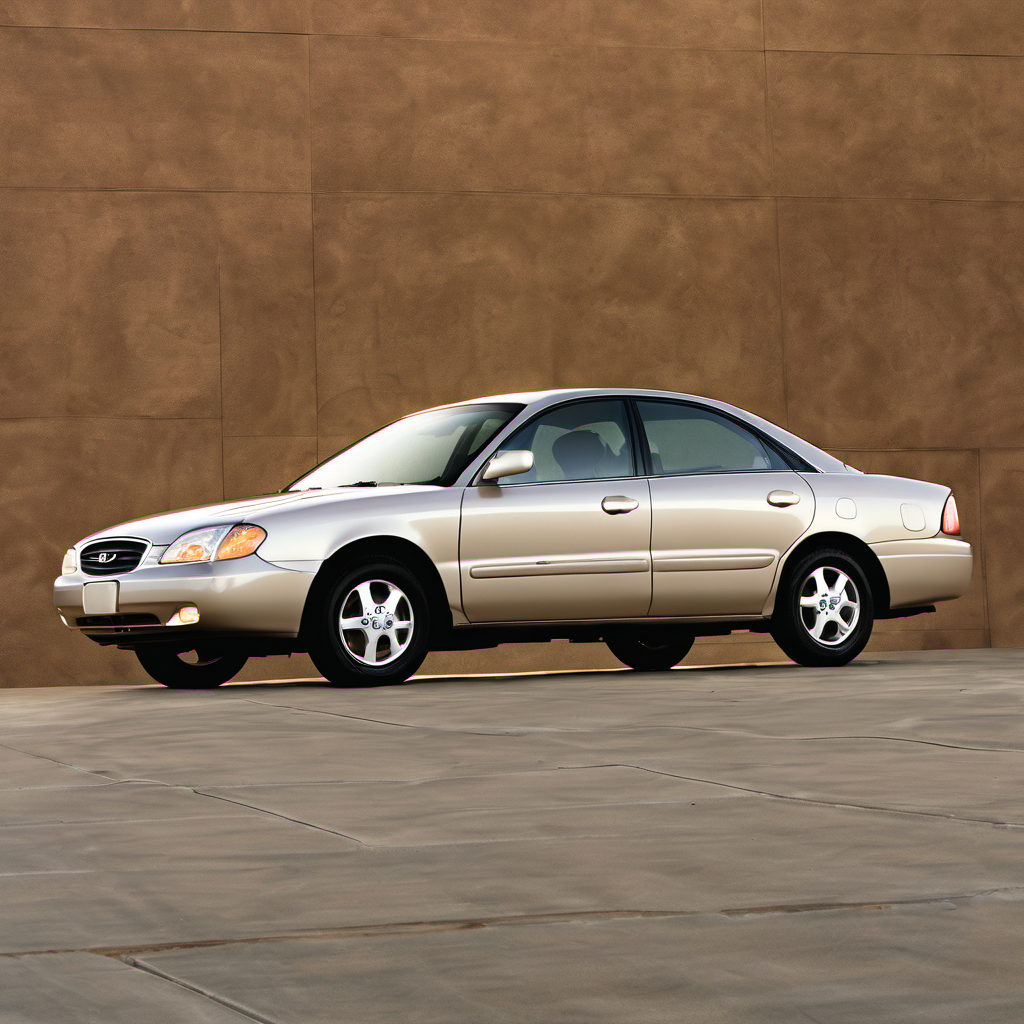
2000 Hyundai
Sedan
The 2000 Hyundai Sonata is a front-wheel-drive mid-size sedan from the era when Hyundai was still building its reputation for reliability in the U.S. market. It offered comfortable, roomy transportation at a significantly lower price than Japanese and domestic competitors, which made it popular with budget-conscious buyers. The tradeoff was a reputation for average long-term durability compared to rivals like the Camry or Accord. By 2000, Hyundai had improved build quality considerably over its dismal late-1980s and early-1990s cars, but this generation Sonata still shows its age through dated electronics, rust-prone body panels, and powertrain components that need consistent maintenance to survive. At 25+ years old, survivors are rare, and the ones still on the road have almost certainly had some deferred maintenance. For anyone considering a used example today, the calculus is simple: parts are cheap, labor is straightforward, but corrosion and neglect are the real enemies. Budget more for rust repair and preventive maintenance than for the purchase price itself.
The 2000 Hyundai Sonata is a front-wheel-drive mid-size sedan from the era when Hyundai was still building its reputation for reliability in the U.S. market. It offered comfortable, roomy transportation at a significantly lower price than Japanese and domestic competitors, which made it popular with budget-conscious buyers. The tradeoff was a reputation for average long-term durability compared to rivals like the Camry or Accord. By 2000, Hyundai had improved build quality considerably over its dismal late-1980s and early-1990s cars, but this generation Sonata still shows its age through dated electronics, rust-prone body panels, and powertrain components that need consistent maintenance to survive. At 25+ years old, survivors are rare, and the ones still on the road have almost certainly had some deferred maintenance. For anyone considering a used example today, the calculus is simple: parts are cheap, labor is straightforward, but corrosion and neglect are the real enemies. Budget more for rust repair and preventive maintenance than for the purchase price itself.
The 2.4L is an interference engine. A snapped timing belt causes catastrophic valve and piston damage. On a 25-year-old car, assume it's due unless you have receipts.
Old engine seals and gaskets depend on clean oil. Extended intervals accelerate sludge buildup in aging 2.4L engines.
Degraded coolant turns acidic and attacks the aluminum head gasket surfaces. At this age, check all hoses for cracking and the radiator for pinhole leaks.
The 4-speed automatic is sensitive to old fluid. Burnt or dark fluid is the leading cause of early transmission failure in these cars.
Brake fluid is hygroscopic; at 25 years old, moisture contamination lowers boiling point and accelerates caliper and wheel cylinder corrosion.
Road salt in Lake Geneva and surrounding roads attacks the subframe, floor pans, and brake lines. Catching rust early means patch repairs instead of structural failure.
Old plugs cause misfires that stress the catalytic converter and reduce fuel economy on an already modest MPG rating.
A battery that passes a voltage check in summer can fail to crank at sub-zero Wisconsin temperatures. Load testing catches weak batteries before they leave you stranded.
Always defer to the manufacturer's service manual for warranty-mandated intervals.
This is a low-cost-to-insure, cheap-to-buy car, but maintenance and rust repair costs can easily exceed the vehicle's market value ($1,000–$2,500 for a running example). Budget for surprise repairs — transmission, cooling system, and rust remediation are the most likely large expenses. Parts are inexpensive and widely available, which helps keep labor hours down.
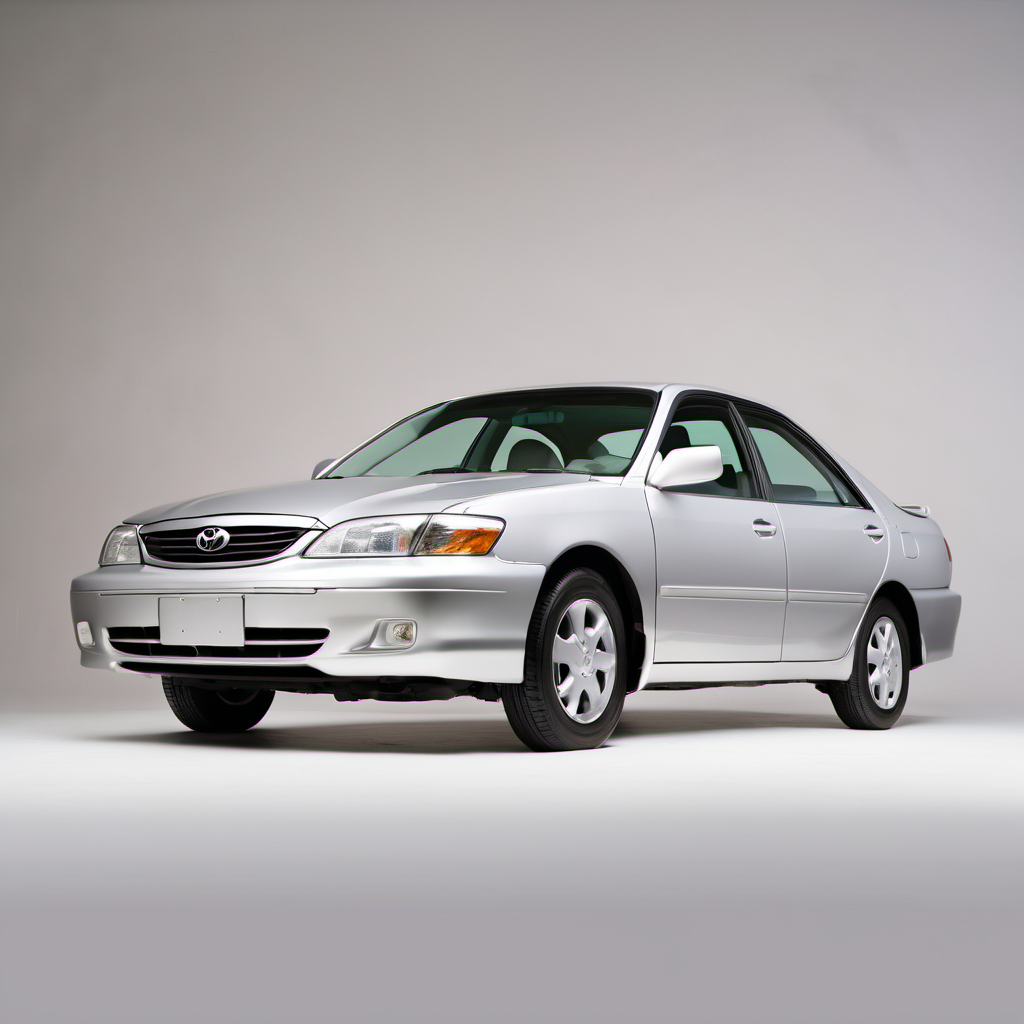
Same segment and similar price used, but significantly more reliable long-term with better rust resistance and higher resale value. The clear upgrade choice.
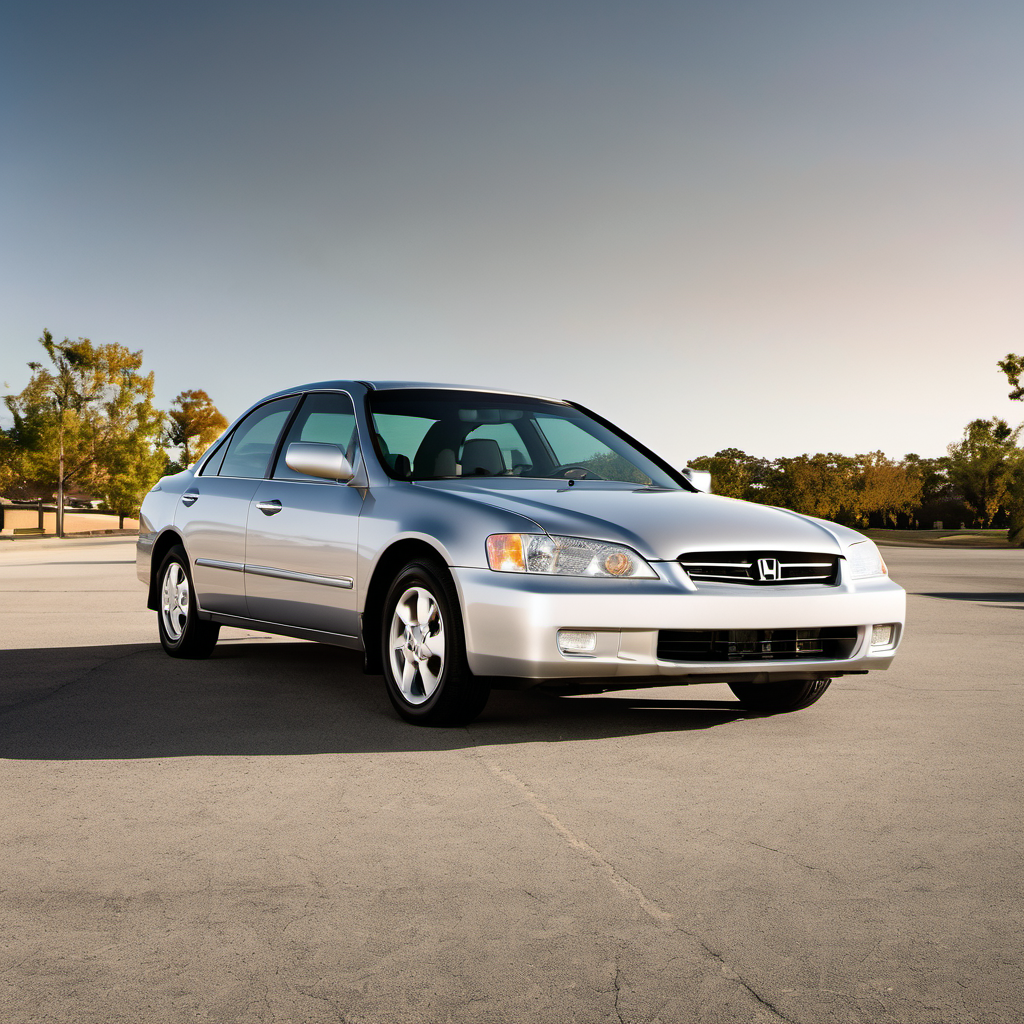
Direct competitor in size and price. The 4-cylinder Accord is more refined, better supported with parts, and holds up better past 150k miles.
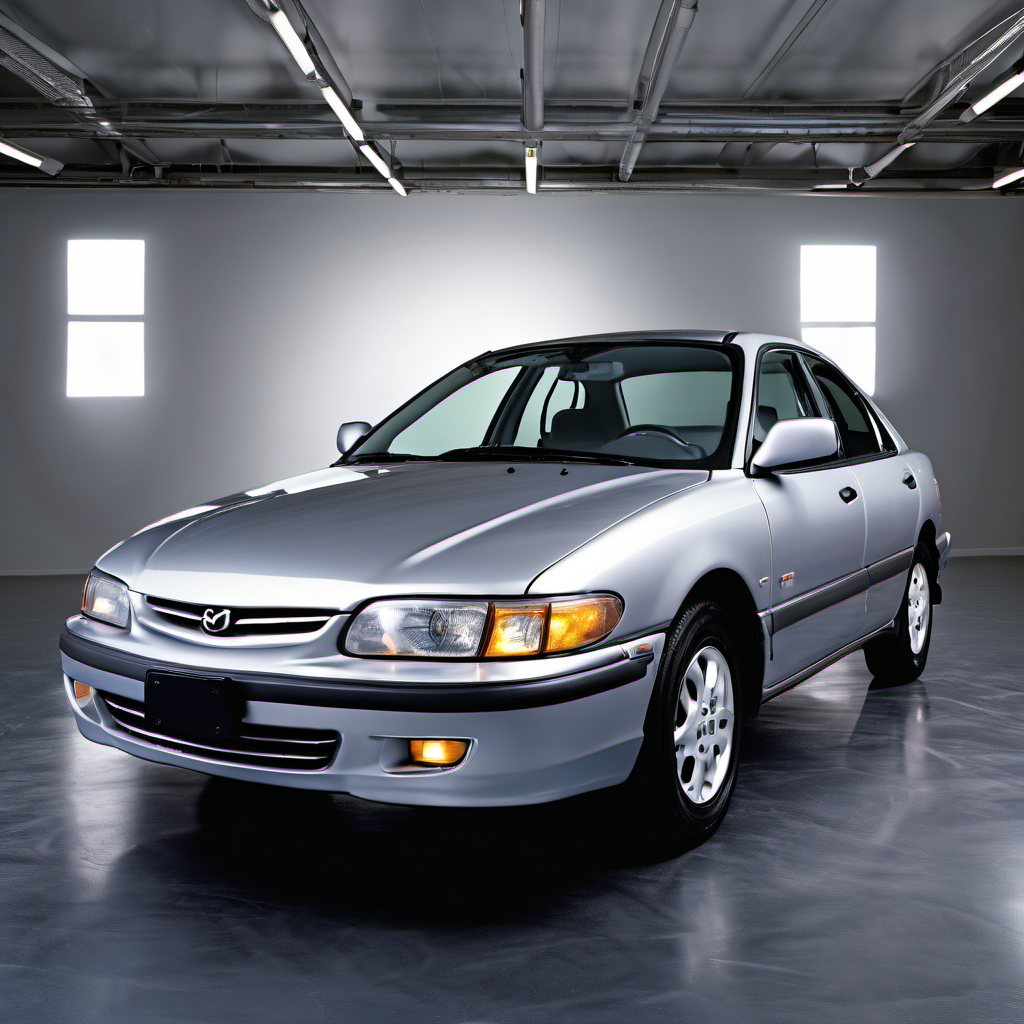
Similar budget mid-size FWD sedan from the same era. Comparable reliability to the Sonata; both have aging automatic transmission concerns at high miles.
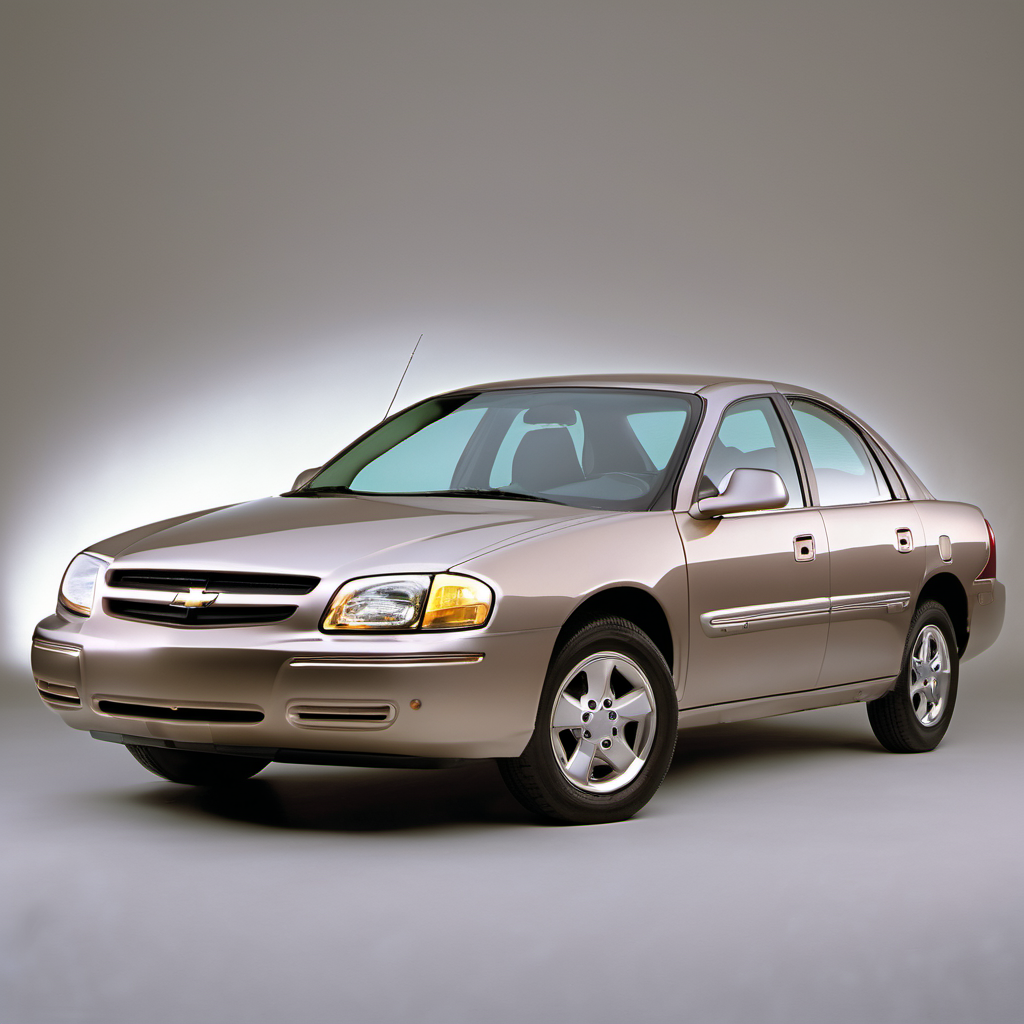
Domestic alternative at the same price point. Comparable real-world reliability to the Sonata with similar rust concerns in the upper Midwest.