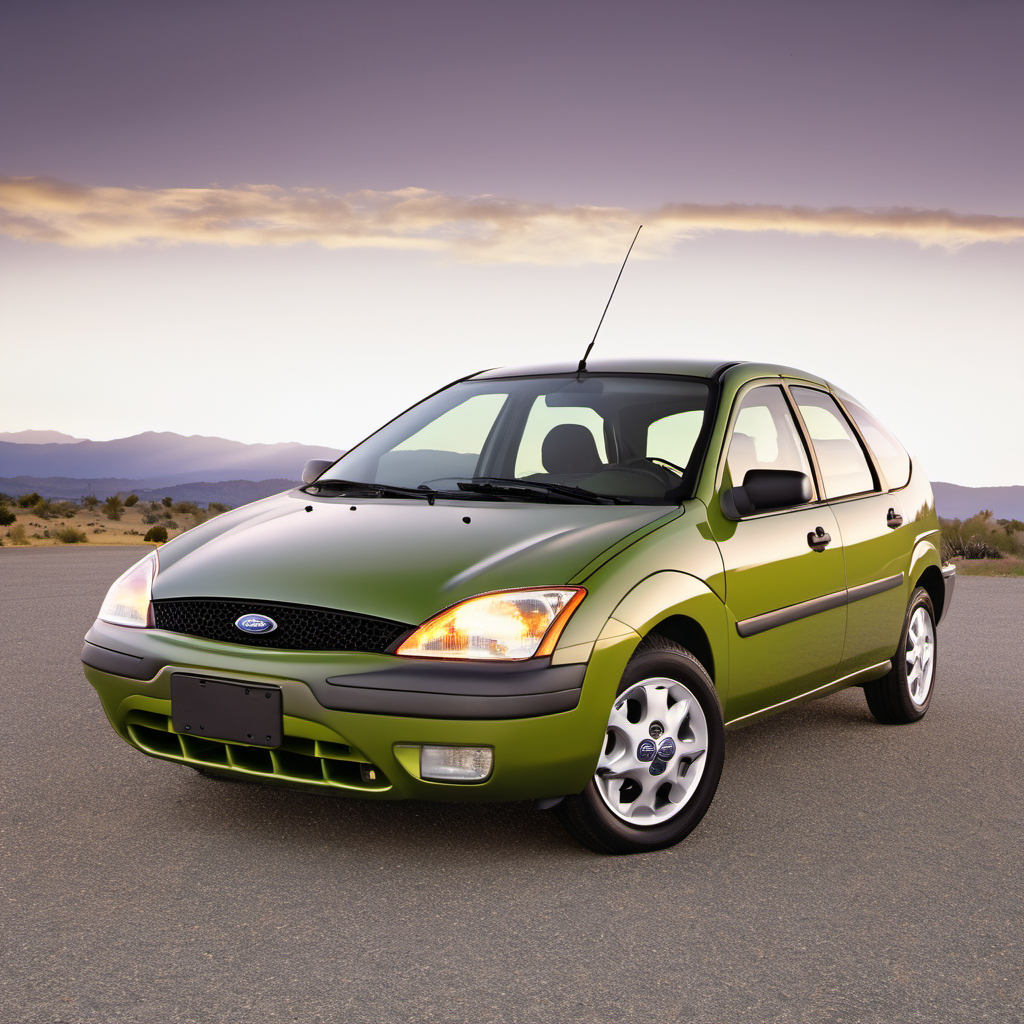
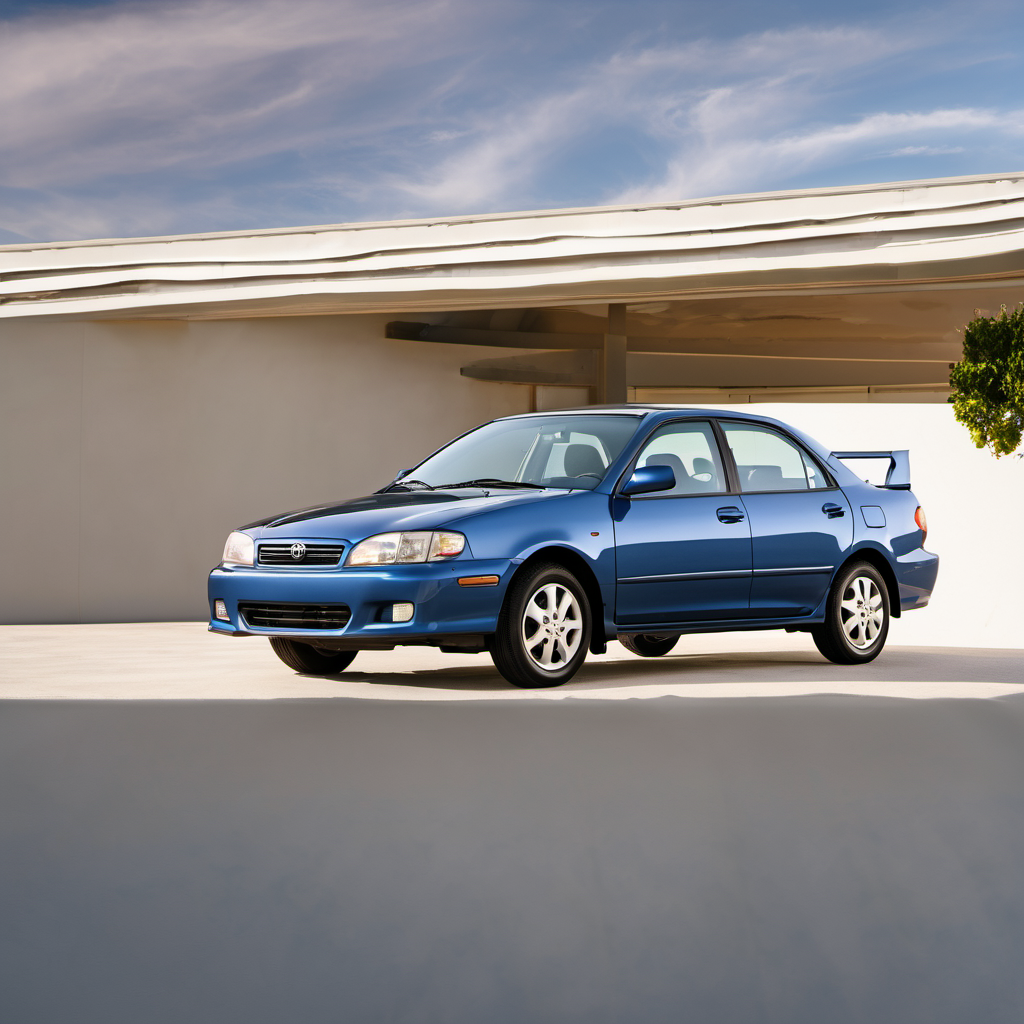
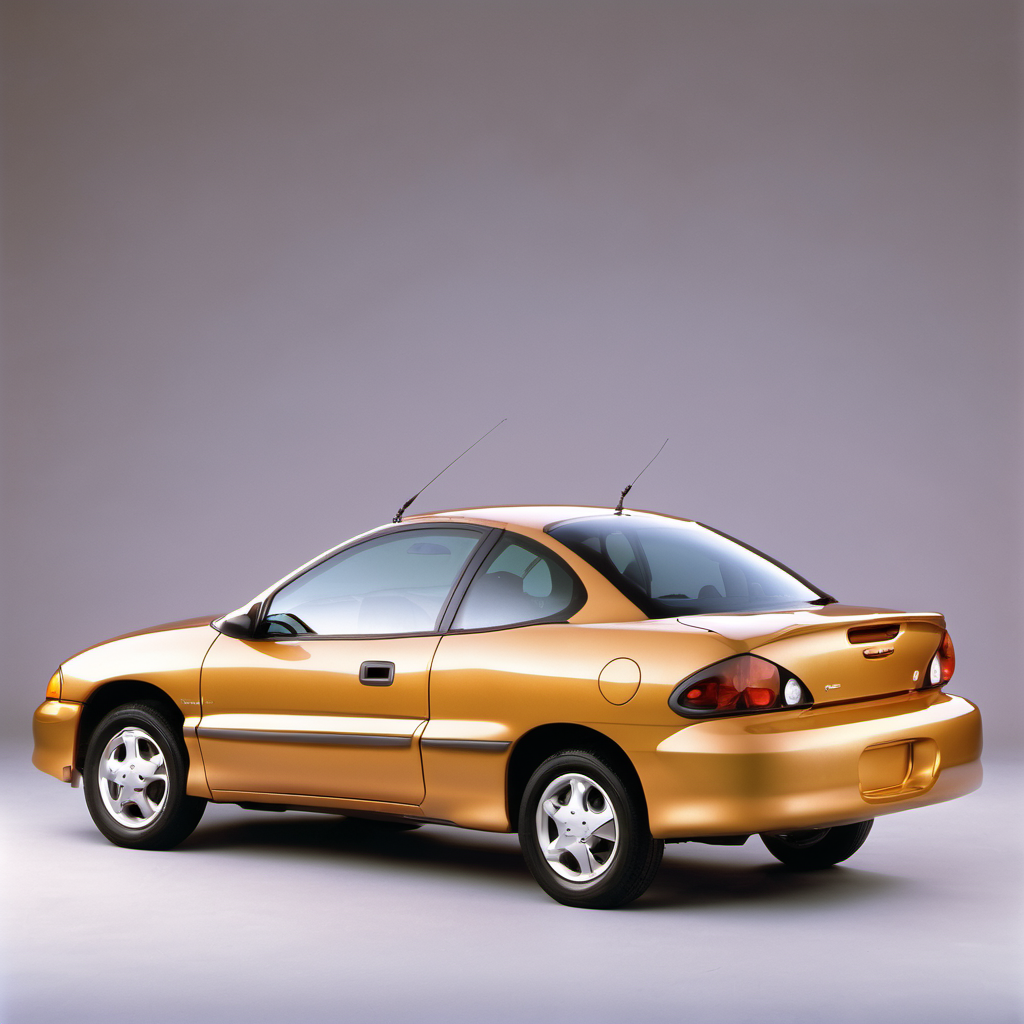
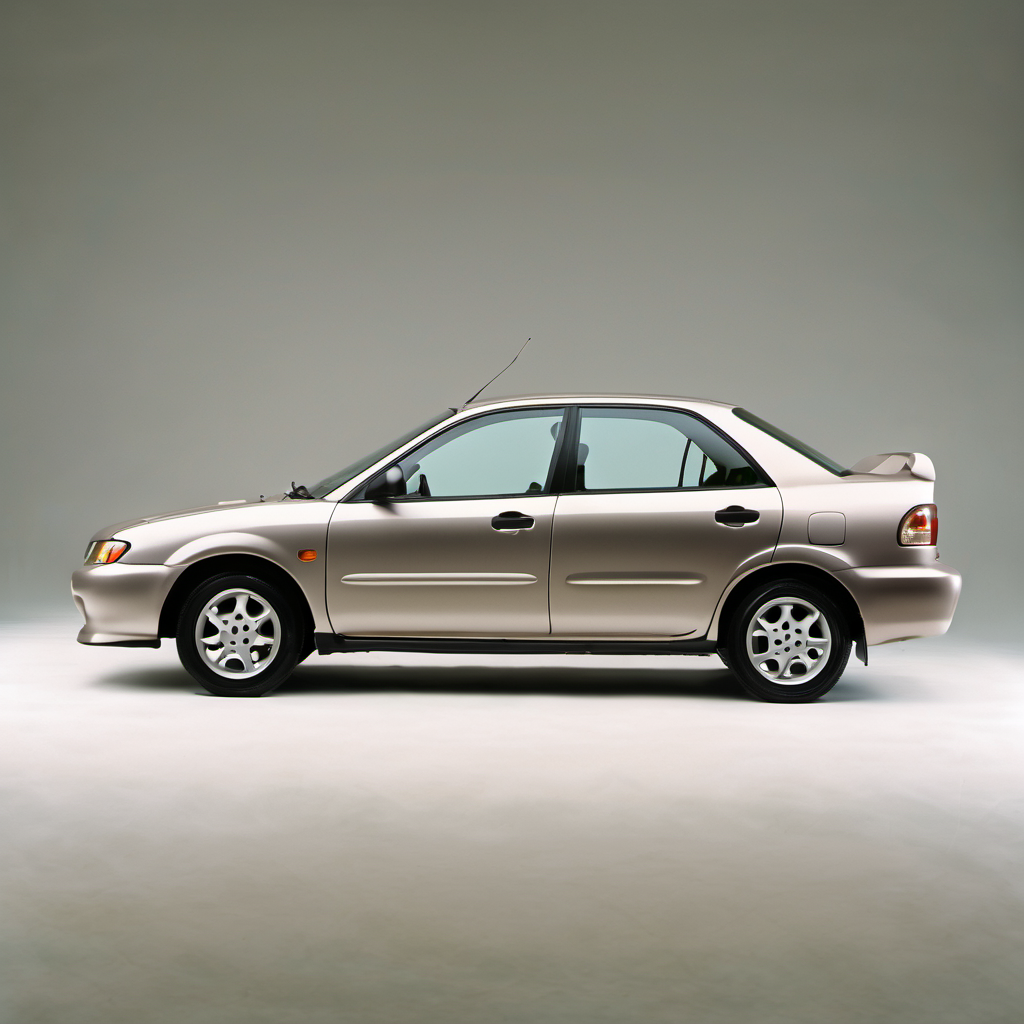
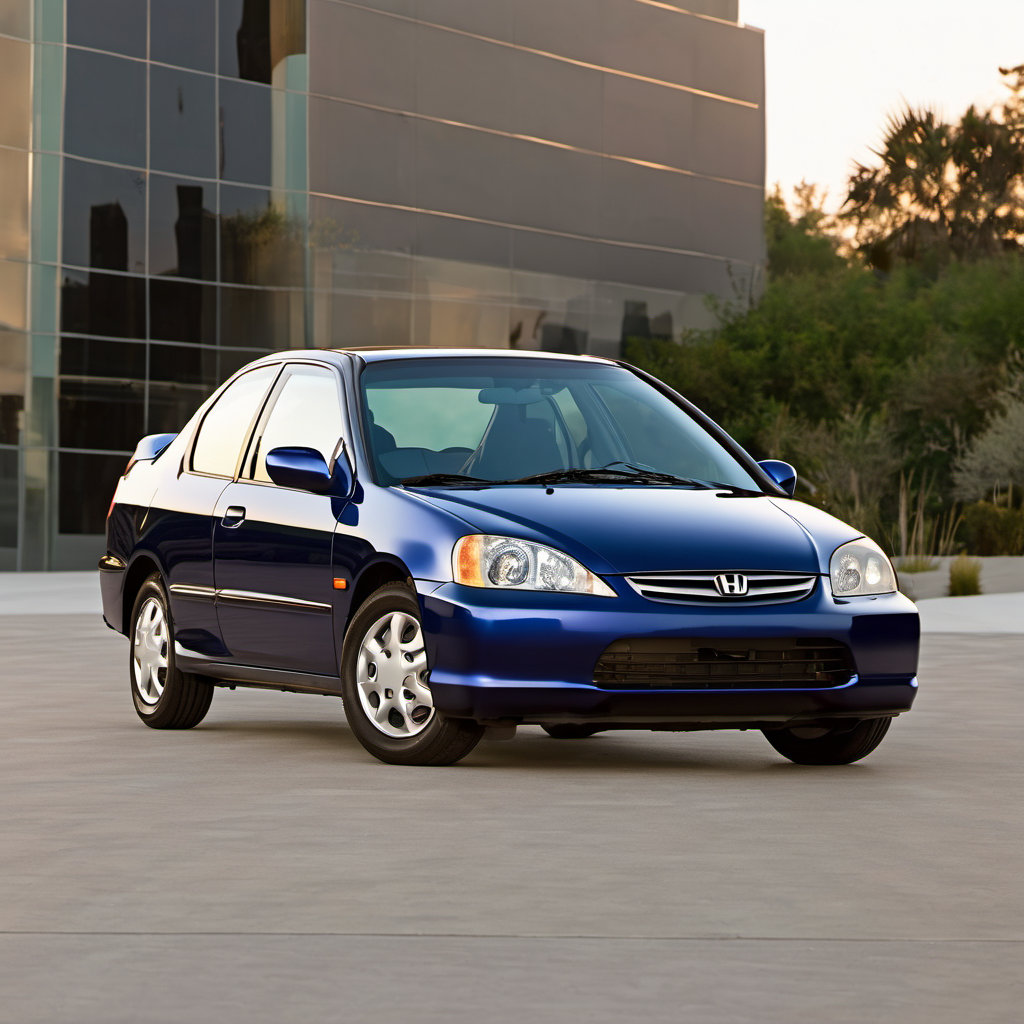
2001 Ford Focus Sedan

2001 Ford

FocusSedan

Sedan

The 2001 Ford Focus Sedan was Ford's answer to the compact car market shake-up of the early 2000s. Built on a European-derived platform, it brought sharper handling and a more modern interior than the Escort it replaced, at an entry-level price point. It quickly became one of the best-selling cars in America during its launch years. The first-generation Focus (2000–2004) earned a reputation as a driver's car for the segment — responsive steering, decent power from the 2.0L four-cylinder, and available as a sedan, hatchback, or wagon. Early cars, including the 2001 model year, were plagued by a wave of recalls and quality gremlins that dinged the nameplate's reliability image. Many of those issues have long since been addressed on surviving examples, but buying a used 2001 means doing homework. At this age, the 2001 Focus is firmly in budget-car territory. Parts are cheap and widely available, and mechanically competent independent shops can service them easily. The main concern now is accumulated deferred maintenance, rust from Wisconsin road salt, and worn suspension components on high-mileage examples.

Reliability
2/5
Verified data
Specs shown for Focus — the most common configuration. Other trims may vary in engine, drivetrain, or fuel economy. Sign in to see your vehicle's exact specs.
Engine
[object Object]
Drivetrain
FWD
Fuel
Gasoline
MPG
22 city / 30 hwy / 25 combined
Seats
Doors
Body
Compact Cars

Overview

AI-curated

The 2001 Ford Focus Sedan was Ford's answer to the compact car market shake-up of the early 2000s. Built on a European-derived platform, it brought sharper handling and a more modern interior than the Escort it replaced, at an entry-level price point. It quickly became one of the best-selling cars in America during its launch years. The first-generation Focus (2000–2004) earned a reputation as a driver's car for the segment — responsive steering, decent power from the 2.0L four-cylinder, and available as a sedan, hatchback, or wagon. Early cars, including the 2001 model year, were plagued by a wave of recalls and quality gremlins that dinged the nameplate's reliability image. Many of those issues have long since been addressed on surviving examples, but buying a used 2001 means doing homework. At this age, the 2001 Focus is firmly in budget-car territory. Parts are cheap and widely available, and mechanically competent independent shops can service them easily. The main concern now is accumulated deferred maintenance, rust from Wisconsin road salt, and worn suspension components on high-mileage examples.

Known for
  • Sporty European-tuned handling for a compact
  • Affordable purchase and repair costs
  • High number of early recalls (2000–2002 model years)
  • Solid fuel economy from the 2.0L Zetec or SPI four-cylinder
Best for
  • Budget-conscious commuters
  • New drivers or secondary household car
  • City and suburb driving where cargo space isn't critical
Watch for
  • Extensive rust on underbody, subframe, and brake lines on upper-Midwest examples
  • High recall count on early model years — verify all were completed
  • Aging ignition and electrical components on 20+ year old cars
  • Worn or cracked suspension bushings and ball joints at this mileage

Common issues by mileage

6 known

Ignition system failures (ignition switch/module)

high
Typically appears
60–150k mi
Estimated repair
$150 – $400

Worn front suspension components (ball joints, control arm bushings)

high
Typically appears
80–150k mi
Estimated repair
$200 – $600

Coolant leaks from thermostat housing or water pump (Zetec engine)

medium
Typically appears
70–130k mi
Estimated repair
$150 – $450

Oxygen sensor failure (upstream/downstream)

medium
Typically appears
80–150k mi
Estimated repair
$120 – $280

Underbody and subframe rust (brake lines, fuel lines, floor)

high
Typically appears
Any — age-driven on Wisconsin cars
Estimated repair
$300 – $2,500

Throttle body and idle air control valve issues (rough idle, stalling)

medium
Typically appears
70–140k mi
Estimated repair
$100 – $350

Maintenance schedule

  1. 1
    Every 5,000 miles or 6 months Engine oil and filter change

    The 2.0L engines in first-gen Focus are sensitive to oil sludge. At this age, shorter intervals protect against varnish buildup, especially if the car sits in cold weather between short trips.

  2. 2
    Every 2 years or 30,000 miles Coolant flush and inspection of hoses/thermostat housing

    Zetec engines have a history of thermostat housing and water pump leaks. Fresh coolant also prevents freeze damage in Wisconsin winters.

  3. 3
    Every year (visual at every oil change) Brake line inspection

    Wisconsin road salt accelerates brake line corrosion on cars this age. A pinhole failure is a safety emergency. Inspect closely every season.

  4. 4
    Every 30,000 miles Spark plugs and ignition wires

    Original equipment on a 2001 model is long past service life. Fresh plugs and wires restore fuel economy and prevent misfires in cold starts.

  5. 5
    Every 12 months or 15,000 miles Front suspension inspection (ball joints, tie rod ends, bushings)

    Wisconsin potholes and frost heaves accelerate wear on these compact cars. Worn ball joints are a safety concern and will cause rapid tire wear.

  6. 6
    Every 30,000–45,000 miles Transmission fluid change

    Automatic trans fluid breaks down and causes shift harshness in cold weather. Manual gearbox oil should also be checked for contamination.

  7. 7
    Every fall, before temperatures drop below freezing Battery test

    Cold-cranking capacity drops sharply below 20°F. A marginal battery that starts fine in September will fail in a January cold snap.

  8. 8
    Every 15,000–20,000 miles Air filter replacement

    A clogged air filter hurts fuel economy and idle quality — both more noticeable on a small four-cylinder engine.

Always defer to the manufacturer's service manual for warranty-mandated intervals.

Cost of ownership

Annual maintenance
$600 – $1,800
Fuel
At 25 mpg combined and typical Wisconsin driving, expect roughly $1,400–$1,700/year at current fuel prices assuming 12,000–15,000 miles annually.
Insurance
Typically inexpensive to insure — low vehicle value keeps comprehensive/collision costs minimal. Liability-only coverage is common on cars this age.

A 2001 Focus is one of the cheapest cars to own in raw dollar terms. Parts are plentiful and inexpensive. The wildcard is deferred maintenance catch-up on a high-mileage example — brake lines, suspension, and cooling system work can push first-year costs toward the top of the range. Budget conservatively if history is unknown.
Seasonal care

Lake Geneva, WI
Winter
  • Test the battery every fall — this is the single most common reason a 20+ year old Focus won't start on a January morning in Lake Geneva.
  • Switch to a winter-rated washer fluid rated to at least -20°F; the reservoir and lines are exposed and will freeze with summer formula.
  • Inspect brake lines and fuel lines for rust pitting before winter — salt brine accelerates any existing corrosion through the freeze-thaw cycle.
  • Check tire tread depth; all-season tires below 4/32" lose significant grip on packed snow. Consider dedicated winter tires given Wisconsin conditions.
  • Flush and refill coolant if it hasn't been done recently — verify freeze protection to at least -34°F with a tester.
  • Lubricate door seals and locks with silicone spray to prevent freezing shut in sub-zero temps.
Summer
  • Inspect the A/C system for refrigerant loss — these systems are old enough that slow leaks are common and recharge doesn't last without finding the source.
  • Check tire pressure monthly; pressure drops roughly 1 PSI per 10°F of temperature change, and summer heat causes overinflation that accelerates center tread wear.
  • Inspect the cooling system for leaks around the thermostat housing and radiator hoses — heat soak exposes weak spots that hold up fine in winter.
  • Verify the engine cooling fan operates correctly; a failing fan relay or motor is more likely to cause overheating in stop-and-go summer traffic.

Comparable vehicles

If you're shopping for one

Red flags
  • Any rust perforation on the subframe, floor pans, or brake/fuel lines — walk away or budget for major work
  • No documentation that the numerous early recalls were completed — verify with a VIN lookup before buying
  • Rough idle, stalling, or check engine light active — diagnose before purchase, not after
  • Spongy brake pedal or pulling under braking — could indicate a rusted or compromised brake line
  • Automatic transmission that slips or hesitates when cold — fluid neglect is common and costly to fix
What to inspect
  • Full undercarriage inspection for rust, particularly subframe mounting points, brake lines, and rocker panels
  • Coolant condition and thermostat housing for staining or seepage (Zetec engine)
  • Front suspension: grab each front wheel at 9 and 3 o'clock and 12 and 6 o'clock and check for play indicating worn tie rods and ball joints
  • Battery voltage and cold-cranking amp test
  • All four tires for uneven wear patterns (signals alignment or suspension issues)
  • Interior for signs of water intrusion — door seals and sunroof drains (if equipped) fail with age
AI profile generated 13 days ago · claude-sonnet-4-6 · v2.