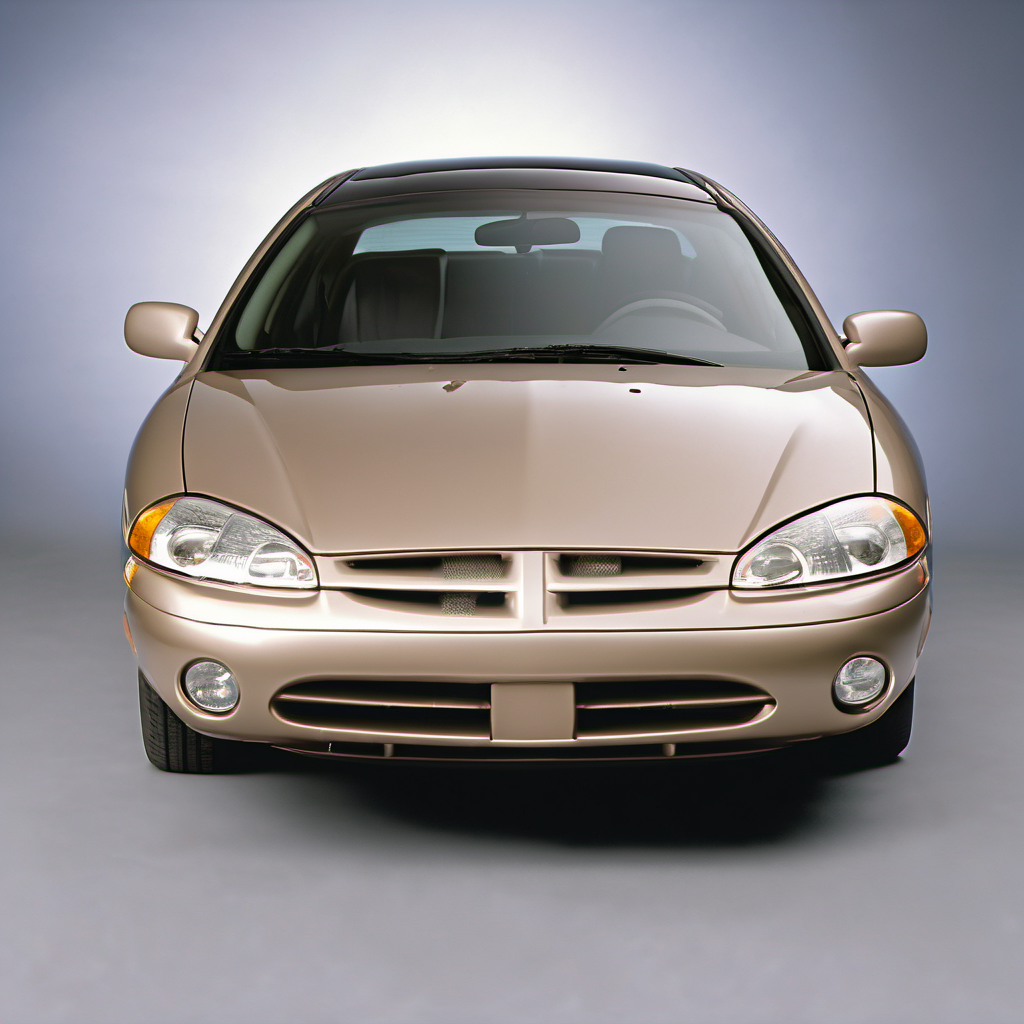
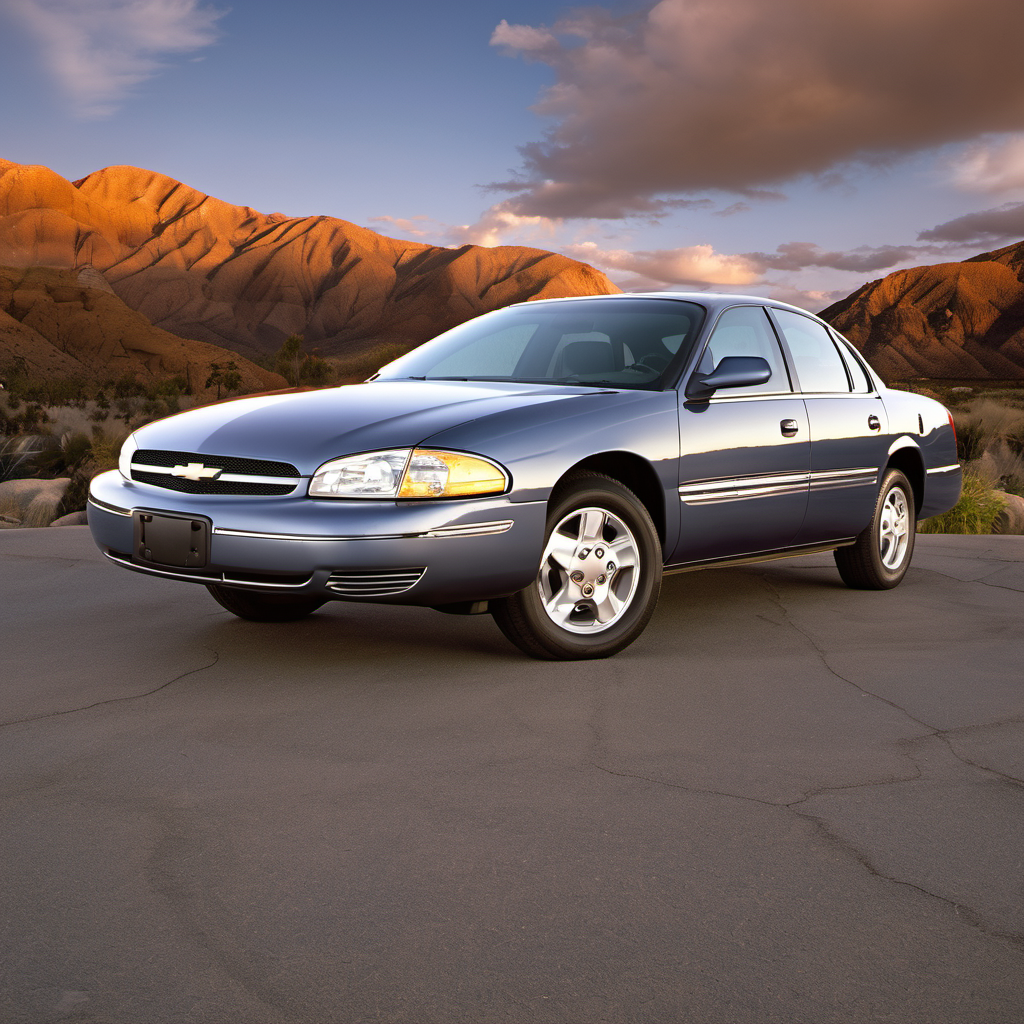
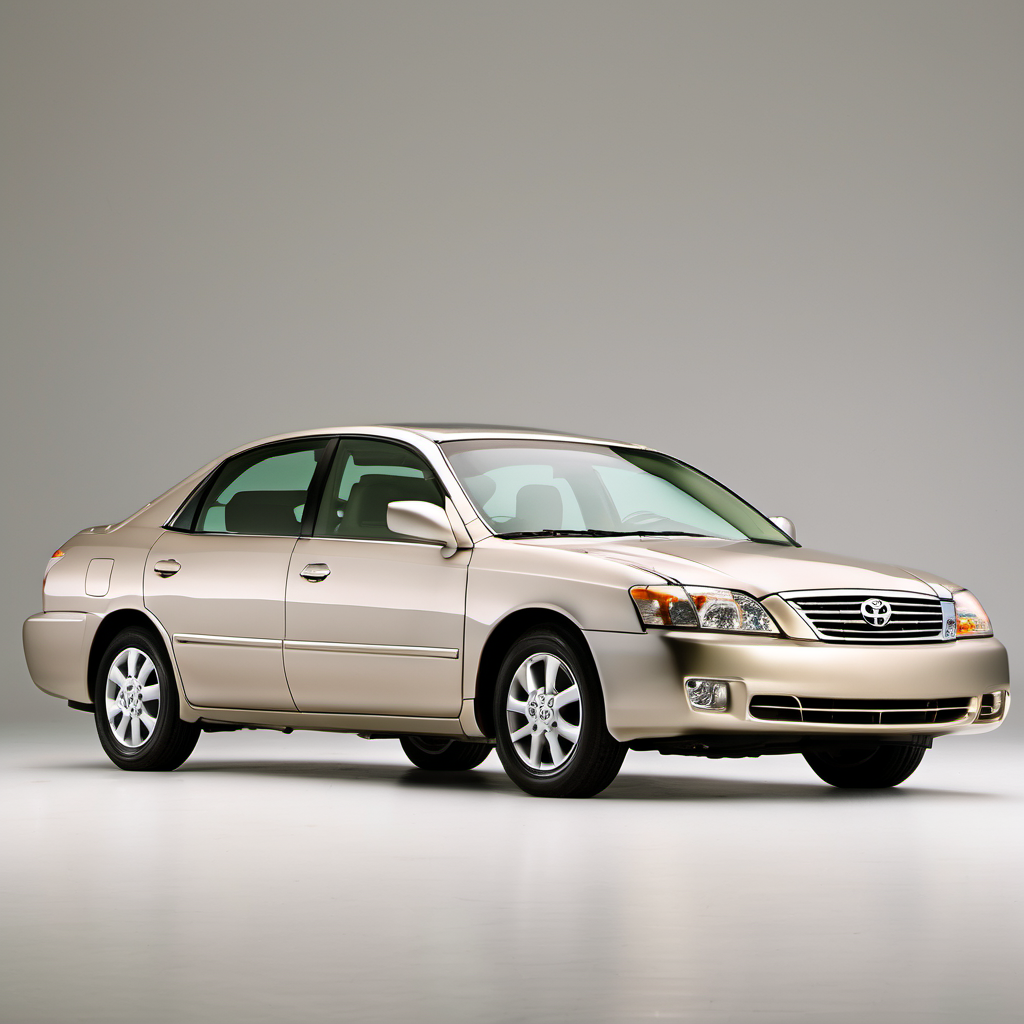
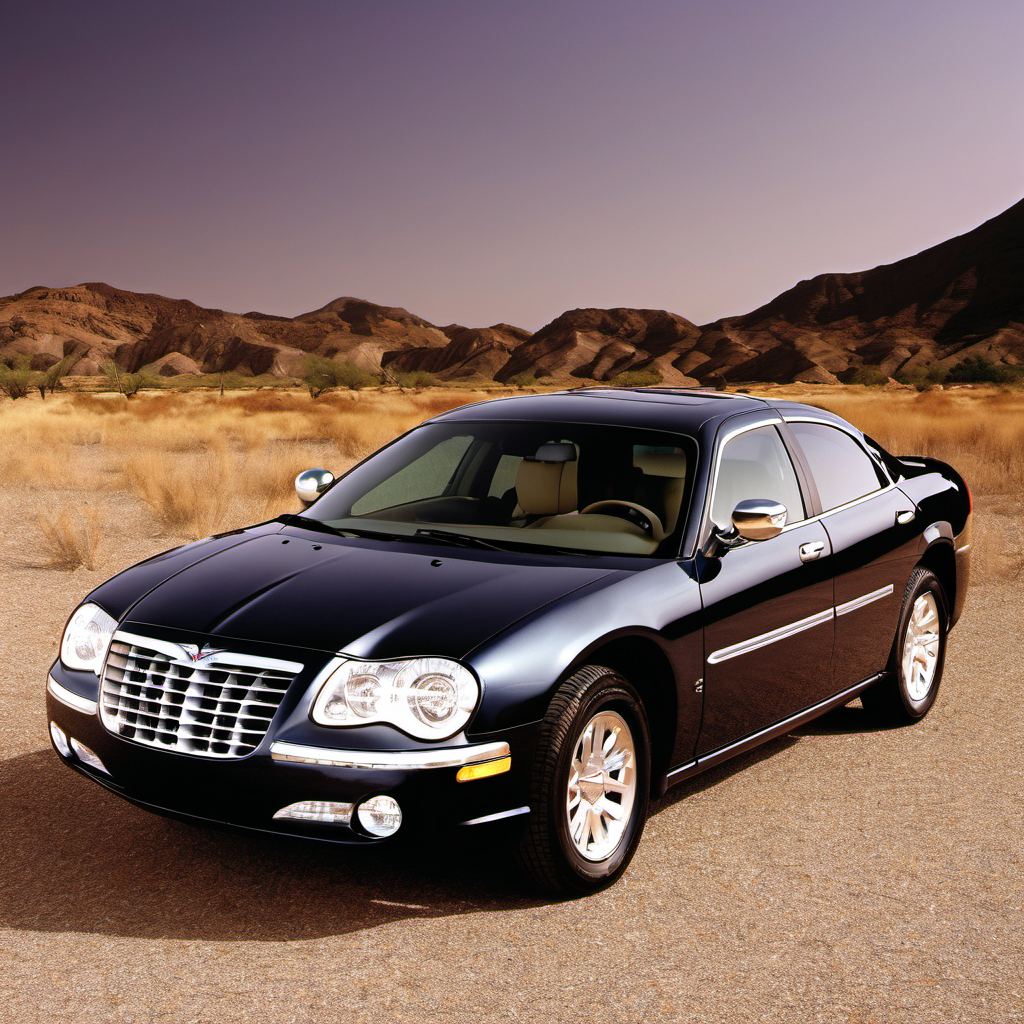
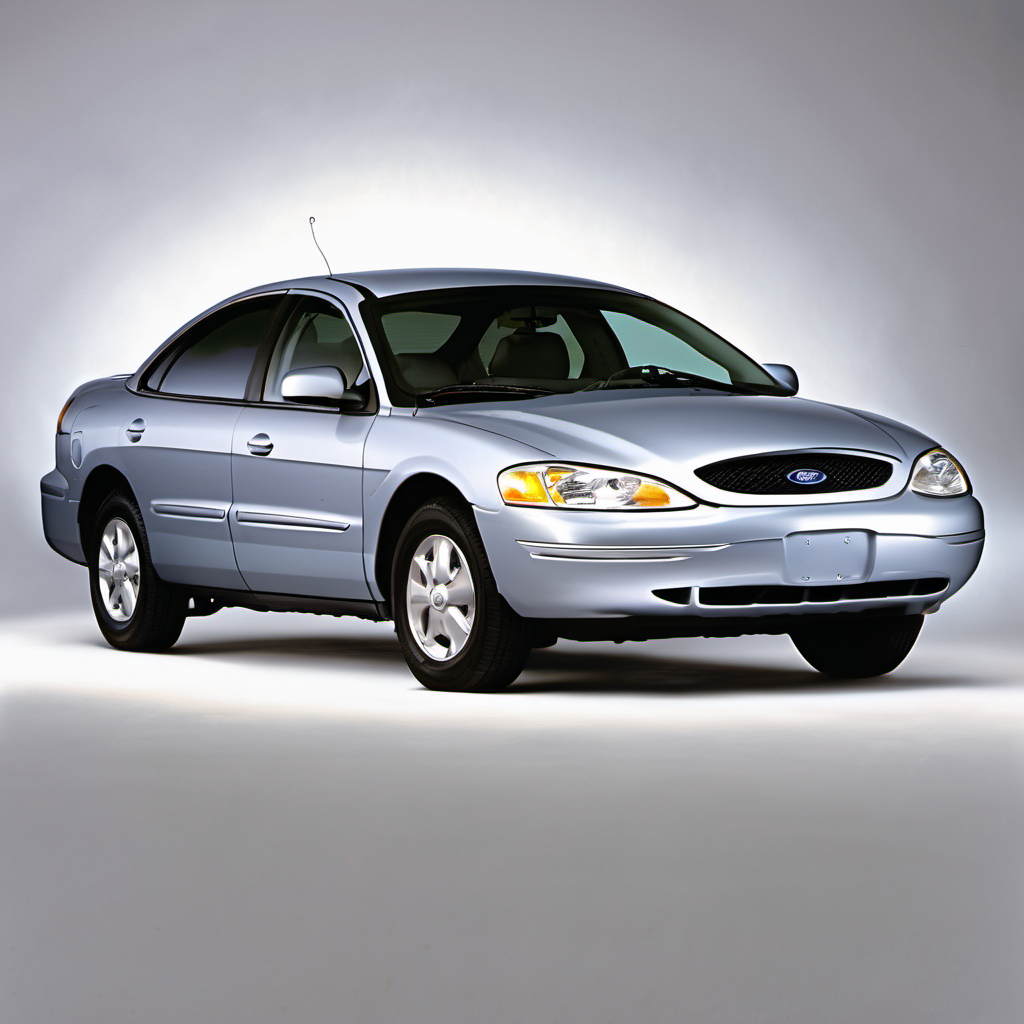
2000 Dodge Intrepid Sedan

2000 Dodge

IntrepidSedan

Sedan

The 2000 Dodge Intrepid is a full-size front-wheel-drive sedan built on Chrysler's LH platform. It offered roomy, car-like comfort at a price point below the competition, making it a popular family and fleet vehicle through the late 1990s and early 2000s. The Intrepid came standard with a 2.7L V6 or the optional 3.5L V6, and featured a cab-forward design that maximized interior room relative to its footprint. On paper the Intrepid is an attractive used buy: big interior, decent highway fuel economy, smooth ride, and attractive styling for its era. In practice, the 2.7L V6 engine has a well-documented and serious sludge problem that has ended the life of thousands of these cars prematurely. Oil maintenance must be immaculate — this is not the engine for anyone who stretches oil changes. If you already own one and keep up with oil, the car can be a reliable daily driver. As a used purchase today, treat any example with high miles or unknown service history as a significant risk. The 3.5L engine is considerably more durable, but the 2.7L — which is what this record reflects — demands your full attention.

Reliability
2/5
Verified data
Specs shown for Intrepid — the most common configuration. Other trims may vary in engine, drivetrain, or fuel economy. Sign in to see your vehicle's exact specs.
Engine
[object Object]
Drivetrain
FWD
Fuel
Gasoline
MPG
18 city / 27 hwy / 21 combined
Seats
Doors
Body
Large Cars

Overview

AI-curated

The 2000 Dodge Intrepid is a full-size front-wheel-drive sedan built on Chrysler's LH platform. It offered roomy, car-like comfort at a price point below the competition, making it a popular family and fleet vehicle through the late 1990s and early 2000s. The Intrepid came standard with a 2.7L V6 or the optional 3.5L V6, and featured a cab-forward design that maximized interior room relative to its footprint. On paper the Intrepid is an attractive used buy: big interior, decent highway fuel economy, smooth ride, and attractive styling for its era. In practice, the 2.7L V6 engine has a well-documented and serious sludge problem that has ended the life of thousands of these cars prematurely. Oil maintenance must be immaculate — this is not the engine for anyone who stretches oil changes. If you already own one and keep up with oil, the car can be a reliable daily driver. As a used purchase today, treat any example with high miles or unknown service history as a significant risk. The 3.5L engine is considerably more durable, but the 2.7L — which is what this record reflects — demands your full attention.

Known for
  • Spacious cab-forward interior for a mid-size/full-size sedan
  • Smooth highway ride and composed handling for the era
  • 2.7L V6 oil sludge reputation — one of the worst in its class
  • Budget-friendly purchase price, even when new
  • Popular fleet and rental vehicle
Best for
  • Budget-conscious buyers who are diligent about oil changes
  • Highway commuters prioritizing interior space
  • Owners who already have a known-good service history on their specific car
Watch for
  • 2.7L engine oil sludging — can destroy the engine with even slightly neglected oil changes
  • Transmission failures, especially on high-mileage examples
  • Coolant leaks from intake manifold gaskets and water pump
  • Electrical gremlins common on late-1990s/early-2000s Chrysler LH cars
  • Rust on underbody, subframe, and brake lines on Wisconsin cars

Common issues by mileage

6 known

2.7L Engine Oil Sludge / Timing Chain Failure

high
Typically appears
60–150k mi
Estimated repair
$1,800 – $5,500

Automatic Transmission Failure

medium
Typically appears
80–130k mi
Estimated repair
$1,500 – $3,200

Coolant Leak — Water Pump and Intake Manifold Gaskets

high
Typically appears
60–120k mi
Estimated repair
$300 – $900

Oxygen Sensor / Heater Circuit Failure

medium
Typically appears
80–150k mi
Estimated repair
$150 – $400

Maintenance schedule

  1. 1
    Every 3,000–4,000 miles — no exceptions on the 2.7L Engine oil and filter change — 5W-30 full synthetic

    The 2.7L's narrow oil galleries sludge rapidly with conventional oil or extended intervals. Full synthetic at short intervals is the single most important thing you can do to keep this engine alive.

  2. 2
    Every 2 years or 30,000 miles Coolant flush and refill with Mopar HOAT or OAT-compatible coolant

    Degraded coolant accelerates water pump and intake gasket failure. Use the correct coolant type — mixing green and orange coolants creates a gel that blocks passages.

  3. 3
    Every 30,000 miles Transmission fluid drain and refill (ATF+4)

    The 4-speed automatic requires Chrysler ATF+4. Using the wrong fluid or letting it degrade accelerates clutch pack wear and is a leading cause of early transmission failure.

  4. 4
    Every 60,000 miles or 5 years Serpentine belt and tensioner inspection

    Belt failure on the 2.7L can cause immediate overheating. Cold Wisconsin winters harden belts faster than the maintenance schedule anticipates.

  5. 5
    Every 30,000 miles Spark plugs replacement

    Platinum plugs are stock; worn plugs cause misfires that can also store cam-timing-related codes and stress the ignition coil packs.

  6. 6
    Every 2 years Brake fluid flush

    Moisture-contaminated brake fluid lowers boiling point and accelerates internal corrosion in calipers and ABS modulators — a real concern on road-salted Wisconsin vehicles.

  7. 7
    Every fall before winter, and each spring Underbody and brake line inspection for rust

    Lake Geneva-area road salt attacks brake lines, fuel lines, and subframe brackets on cars this age. Catch rust before a line fails.

  8. 8
    Each fall Battery load test

    Cold-cranking demand on a sludge-prone engine that needs to turn over freely is high. A marginal battery that passes a basic voltage test can still fail at -10°F.

Always defer to the manufacturer's service manual for warranty-mandated intervals.

Cost of ownership

Annual maintenance
$600 – $1,800
Fuel
At 21 mpg combined and ~12,000 miles/year, expect roughly $1,400–$1,700/year at $2.50–$3.00/gal. Mostly highway driving drops that noticeably.
Insurance
Generally low — older full-size domestic sedan with modest book value. Expect $600–$1,000/year for full coverage depending on driver profile.

Day-to-day costs are modest if the 2.7L engine stays healthy. The risk is the tail — a single engine or transmission failure on a car worth $1,500–$3,000 can exceed the vehicle's value. Budget a repair reserve, not just routine maintenance money. Preventive oil diligence is cheaper than any single repair on this list.
Seasonal care

Lake Geneva, WI
Winter
  • Switch to 5W-30 full synthetic if not already — critical for cold-start oil pressure on the sludge-prone 2.7L; never let it sit with old, thickened oil going into a Wisconsin winter
  • Load-test the battery each October; replace anything under 70% capacity before temps drop below 10°F
  • Flush and refill washer fluid reservoir with -20°F or lower rated fluid — the reservoir is large and diluted fluid will freeze in the lines
  • Inspect wiper blades and switch to winter blades; the Intrepid's large windshield demands a clear sweep
  • Check all underbody brake and fuel lines for rust before winter salt season begins — these are 25-year-old lines
  • Keep the fuel tank above half to prevent fuel line freeze and reduce condensation in the tank
Summer
  • Monitor coolant temperature closely — the 2.7L is intolerant of overheating; a climbing temp gauge means pull over immediately
  • Check tire pressure monthly; Wisconsin summer heat raises pressure roughly 1 PSI per 10°F above the morning baseline
  • Inspect the A/C system refrigerant charge and cabin filter — the evaporator drain can clog on older LH-platform cars, causing water on the passenger floor
  • Check the overflow coolant reservoir level weekly during heat waves; slow leaks from the water pump or intake gaskets show up faster in summer
  • Inspect the serpentine belt for cracking or glazing before hot-weather road trips — heat accelerates belt degradation on a car this age

Comparable vehicles

If you're shopping for one

Red flags
  • Any timing chain rattle on cold start — do not buy
  • Unknown or incomplete oil service history — too risky on the 2.7L
  • Sludge visible on oil cap, valve cover, or dipstick tube
  • Overheating history noted anywhere in records or disclosed by seller
  • Transmission slipping, delayed engagement, or harsh shifts during test drive
  • Heavily rusted brake lines, fuel lines, or subframe — repair cost can exceed car's value
What to inspect
  • Pull full oil change records before anything else — gaps or 'I changed it myself' with no receipts is a red flag on the 2.7L
  • Cold-start the engine and listen for timing chain rattle in the first 5–10 seconds; any tick or rattle means sludge damage is likely already present
  • Check the oil cap and dipstick for brown, mayonnaise-like sludge — if you see it, walk away
  • Look for coolant in the overflow tank — milky, oily, or foamy coolant points to a head gasket or intake gasket problem
  • Inspect the transmission fluid color and smell on the dipstick — dark brown or burnt smell means the transmission is on its way out
  • Check all underbody lines, subframe mounting points, and wheel wells for rust penetration — Lake Geneva-area salt exposure on a 25-year-old car is significant
AI profile generated 13 days ago · claude-sonnet-4-6 · v2.