42LE Automatic Transmission Failure
high- Typically appears
- 80–130k mi
- Estimated repair
- $1,800 – $3,500
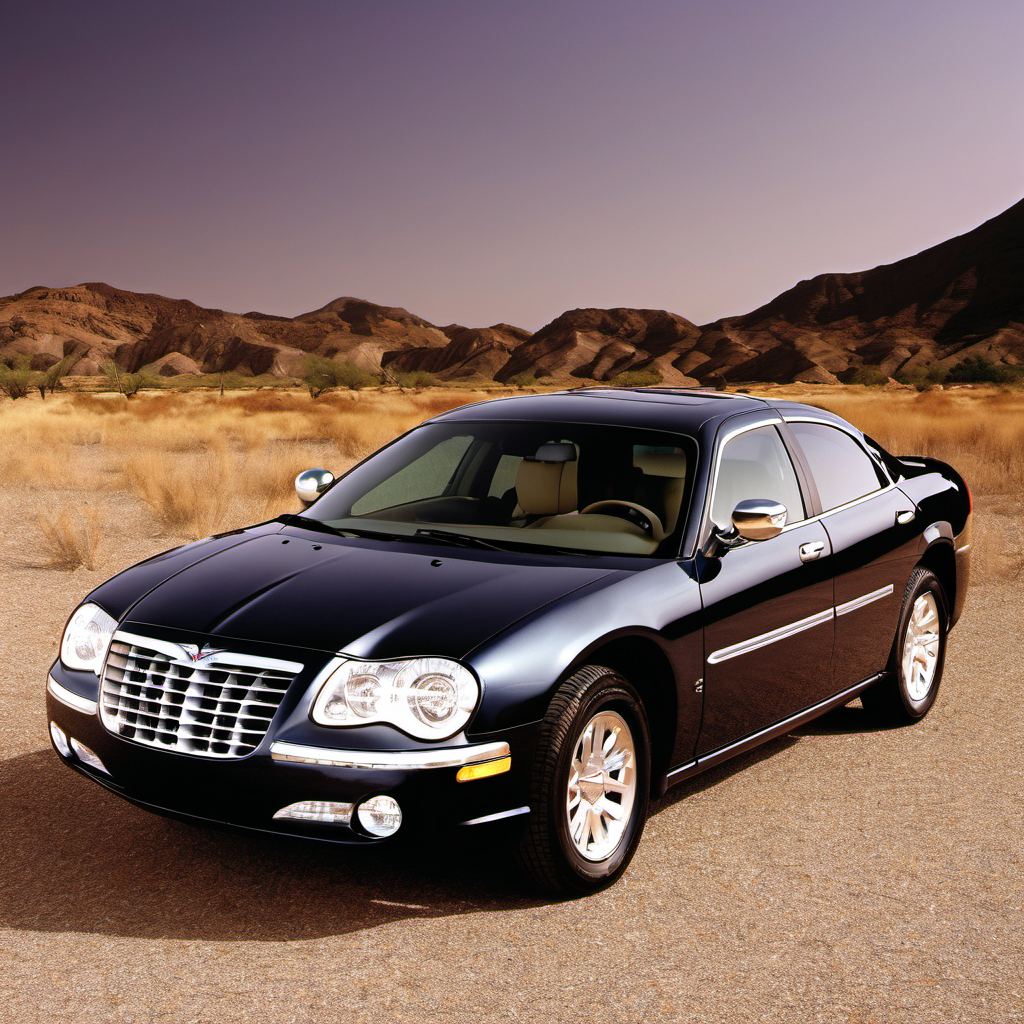
2000 Chrysler
3.5L V6 · Sedan
The 2000 Chrysler 300M is a front-wheel-drive, full-size sport sedan built on Chrysler's LH platform — the same bones shared with the Dodge Intrepid and Chrysler Concorde. It was the performance flagship of the lineup, featuring a standard 3.5L V6 paired with a 4-speed automatic, sport-tuned suspension, and a more driver-focused interior than its siblings. The 300M carved out a niche as an affordable American alternative to European sport sedans, offering genuine highway composure and a distinctive cab-rearward stance. By 2000, the second-generation 300M (launched in 1999) was well-sorted. It was well-regarded for its interior space, smooth highway ride, and powerful V6 for the era. However, it carried the LH platform's known weaknesses — transmission reliability, electrical gremlins, and a tendency to develop suspension wear earlier than average. Parts availability has declined as the model ages, so ownership today requires some mechanical patience. As a 25-year-old vehicle, any surviving 300M should be evaluated carefully for rust (particularly in the upper Midwest), transmission condition, and electrical system health. With proper maintenance it can be a rewarding and stylish daily driver, but deferred maintenance is common on older luxury-adjacent vehicles and adds up quickly.
The 2000 Chrysler 300M is a front-wheel-drive, full-size sport sedan built on Chrysler's LH platform — the same bones shared with the Dodge Intrepid and Chrysler Concorde. It was the performance flagship of the lineup, featuring a standard 3.5L V6 paired with a 4-speed automatic, sport-tuned suspension, and a more driver-focused interior than its siblings. The 300M carved out a niche as an affordable American alternative to European sport sedans, offering genuine highway composure and a distinctive cab-rearward stance. By 2000, the second-generation 300M (launched in 1999) was well-sorted. It was well-regarded for its interior space, smooth highway ride, and powerful V6 for the era. However, it carried the LH platform's known weaknesses — transmission reliability, electrical gremlins, and a tendency to develop suspension wear earlier than average. Parts availability has declined as the model ages, so ownership today requires some mechanical patience. As a 25-year-old vehicle, any surviving 300M should be evaluated carefully for rust (particularly in the upper Midwest), transmission condition, and electrical system health. With proper maintenance it can be a rewarding and stylish daily driver, but deferred maintenance is common on older luxury-adjacent vehicles and adds up quickly.
The 42LE transmission is fragile when fluid is degraded. If service history is unknown, change it immediately. Use the correct ATF+4 fluid only — the wrong fluid accelerates clutch pack wear.
The 3.5L is prone to thermostat housing leaks and water pump weeping. Inspect hoses, housing, and reservoir cap at every flush. Use Mopar/OAT-compatible coolant — mixing types causes silicate dropout and clogs.
Belt failure on the 3.5L kills the water pump and alternator simultaneously. Replace the tensioner pulley at the same time — they wear together.
Wisconsin roads and salt accelerate bushing and joint wear. A worn ball joint can cause sudden loss of steering control — don't defer this inspection.
Steel brake lines on 25-year-old upper Midwest vehicles are a corrosion risk. Inspect the full line run for rust pitting or swelling. A failed brake line is a road safety emergency.
The 3.5L V6 uses a coil-pack ignition system. Worn plugs cause misfires and can damage the catalytic converter. Rear bank plugs are harder to access — budget extra labor time.
Cold cranking demand on a 25-year-old car with an aging electrical system is significant. A battery showing 60% or less capacity will likely fail in sub-zero temps. Replace proactively.
The 300M uses a hydraulic rack-and-pinion. Old fluid breaks down seals and causes rack leaks that are expensive to repair. Keep fluid clean and check for wetness around the rack boots.
Always defer to the manufacturer's service manual for warranty-mandated intervals.
The 300M is cheap to buy but carries real ownership risk. Routine maintenance runs $900–$1,200 in a good year. If the transmission or major electrical components need attention, a single repair event can easily hit $2,000–$3,500. Budget for a transmission fluid service immediately if history is unknown, and set aside a repair fund. The car's low market value means repair costs can quickly exceed the vehicle's worth — know your exit number before you sink money into it.
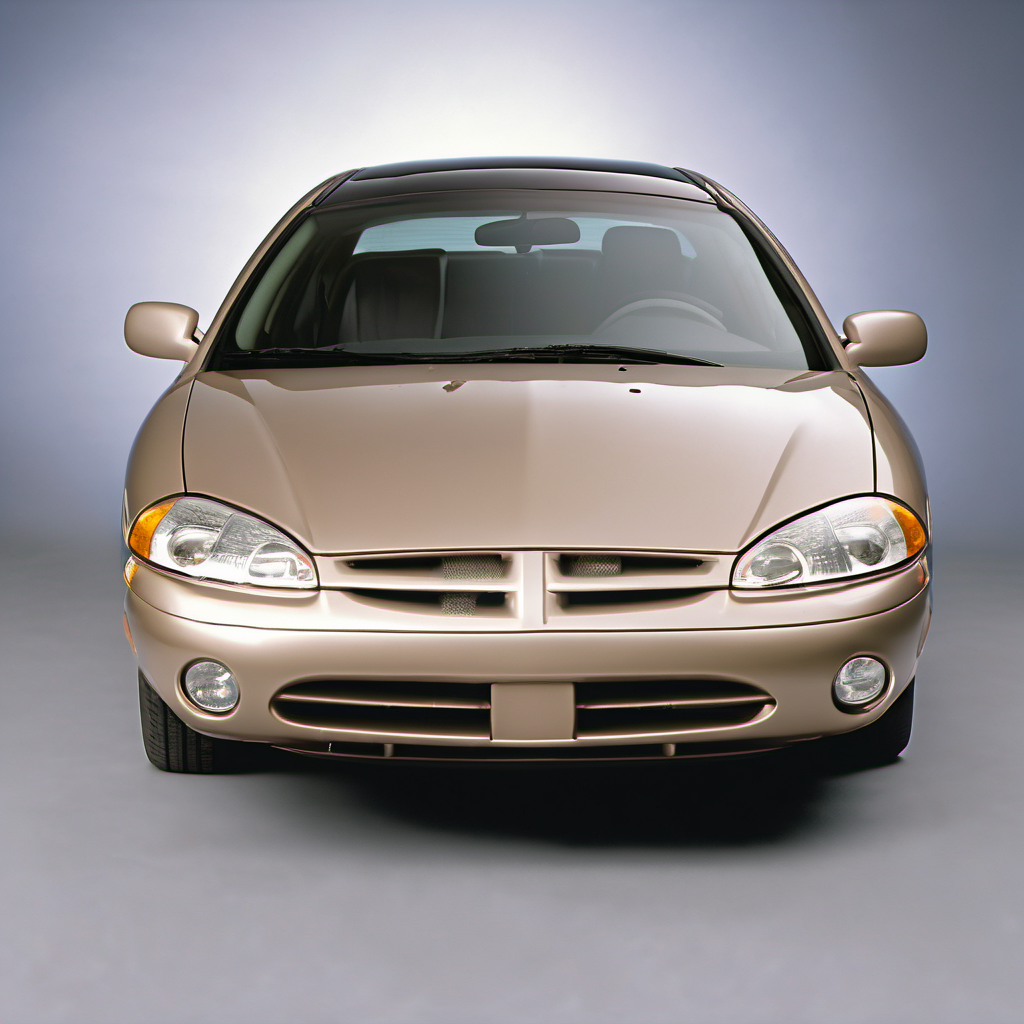
Same LH platform, same 2.7L or 3.5L V6 options, lower price point. Shares most mechanical components with the 300M. Less sporty styling but virtually identical ownership experience.
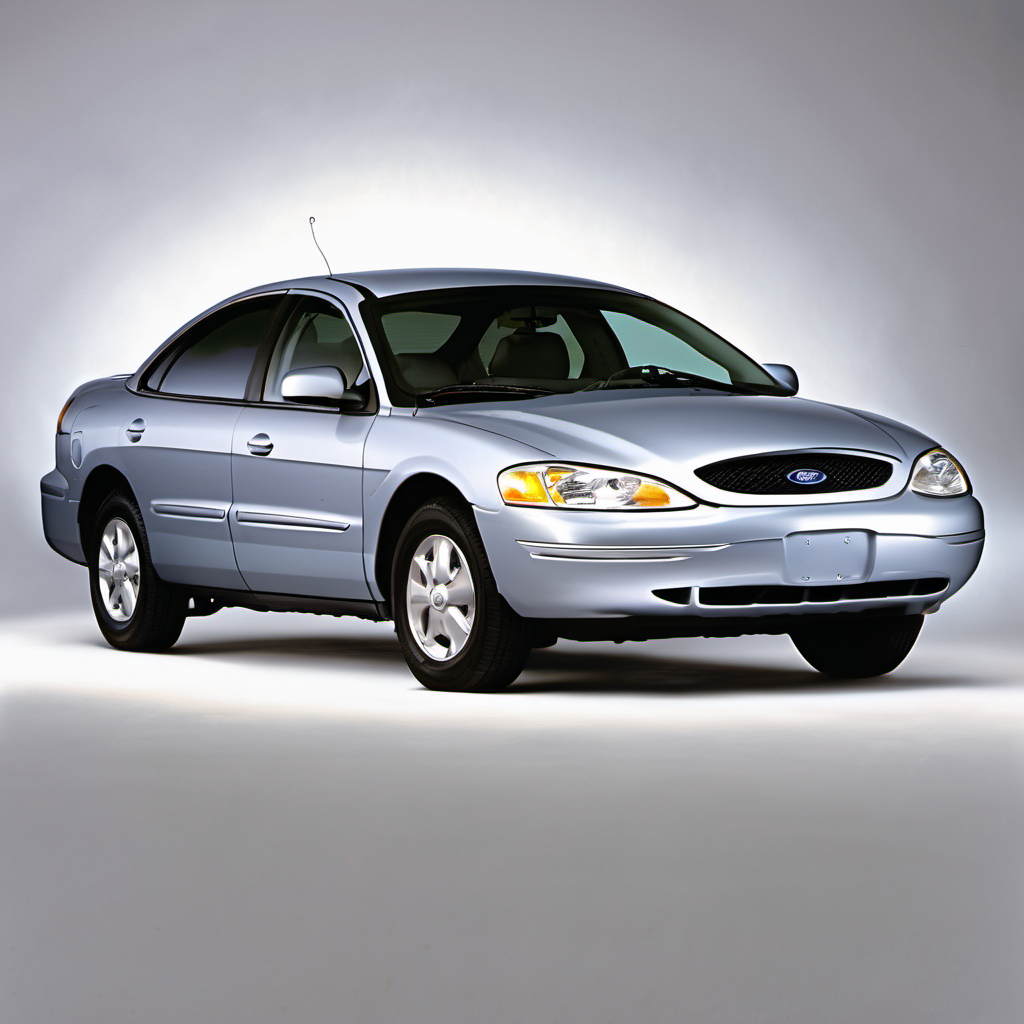
Competitive full-size FWD sedan from the same era. More reliable overall, especially the Vulcan V6. Less exciting to drive but significantly better long-term ownership record.
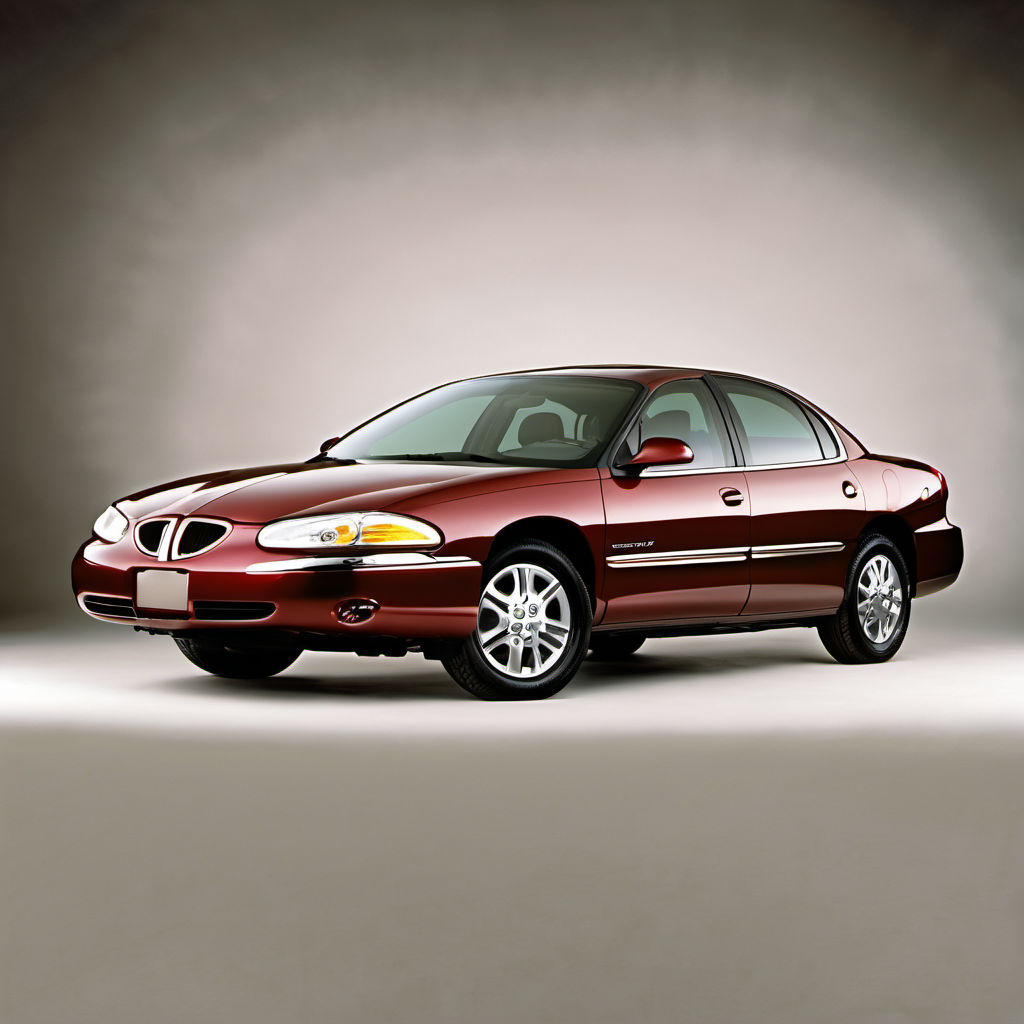
GM's full-size sport sedan answer. The 3800 V6 is one of the most proven engines of the era — more reliable than the 300M's drivetrain, with a similarly spirited driving character.
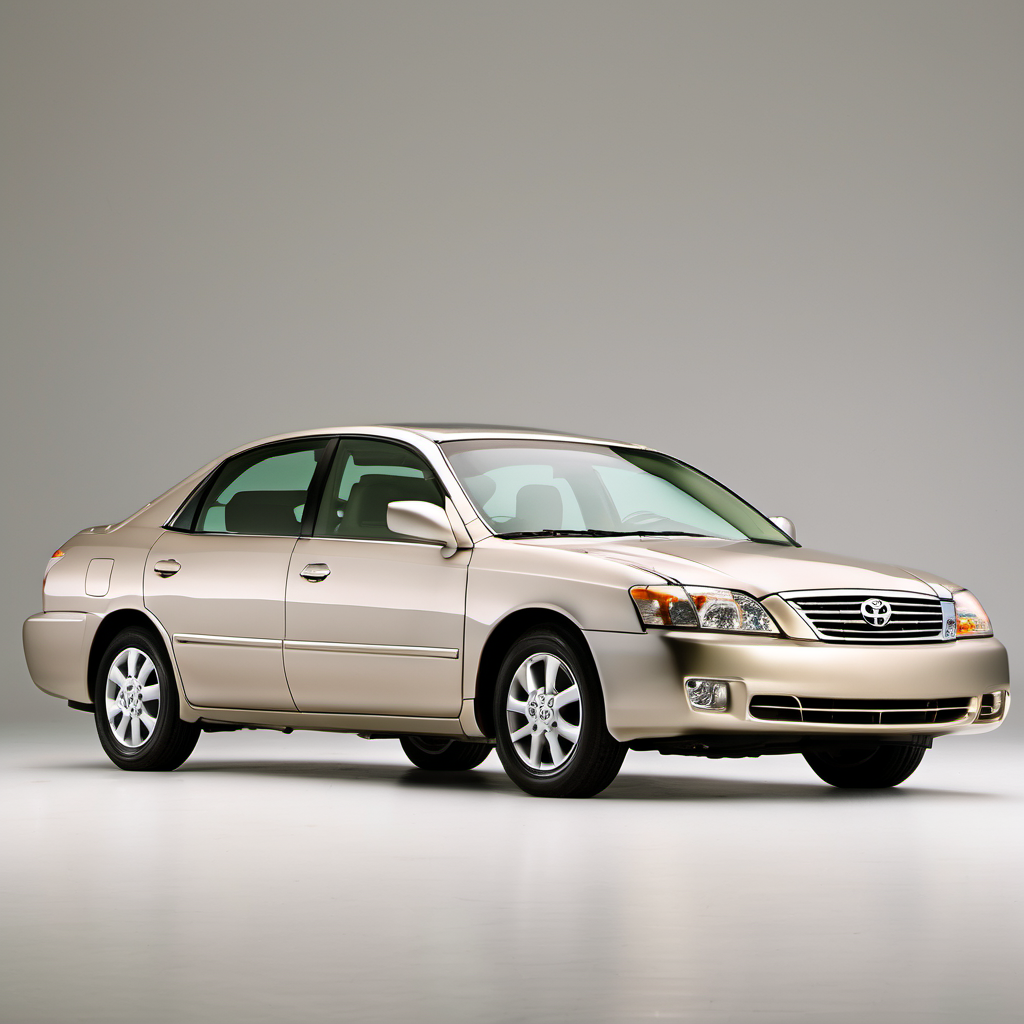
Toyota's full-size V6 sedan. Far superior long-term reliability, though less sporty. If low hassle ownership matters more than driving character, the Avalon is the smarter pick at similar used prices.