Timing belt failure
high- Typically appears
- 60–100k mi
- Estimated repair
- $350 – $700
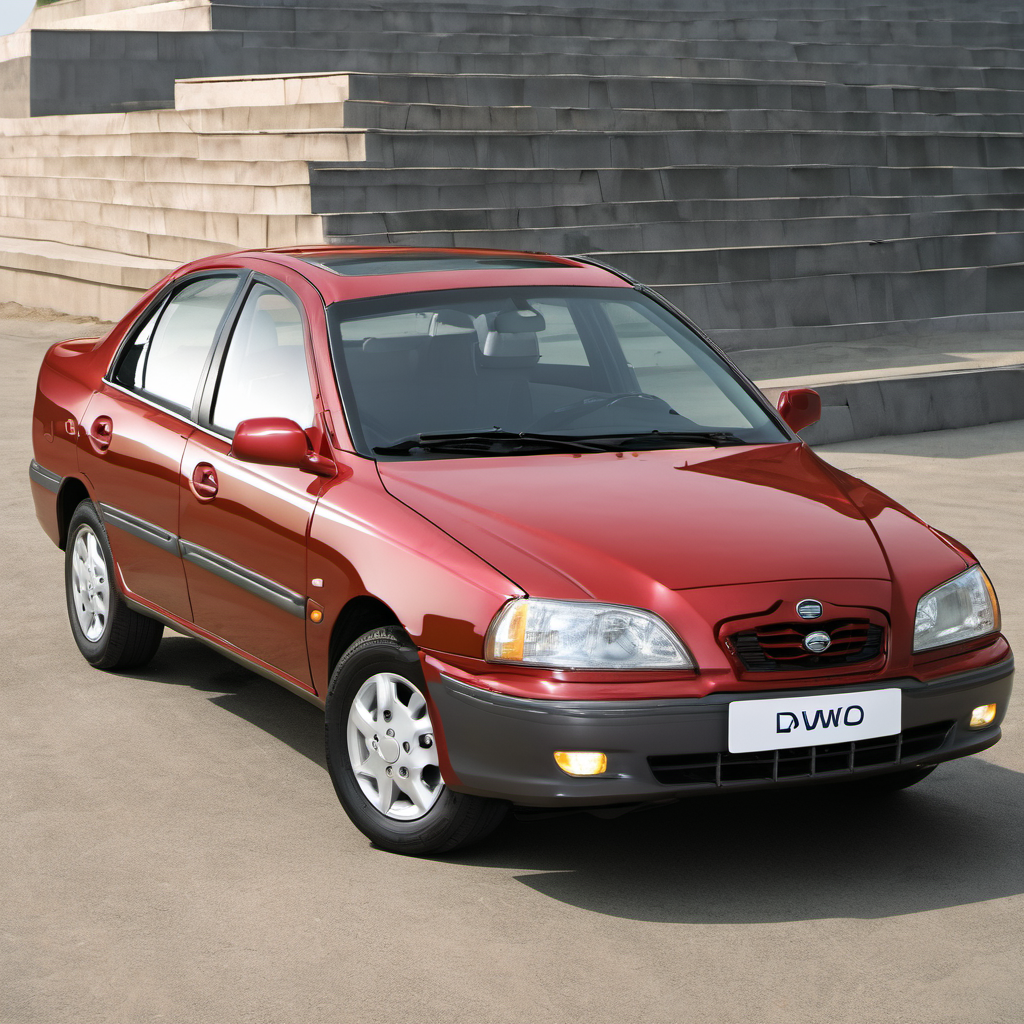
2000 Daewoo
Sedan
The 2000 Daewoo Nubira is a compact front-wheel-drive sedan developed by the South Korean automaker Daewoo in partnership with GM and Italdesign. It was sold in the U.S. market for a brief window in the late 1990s and early 2000s as a budget-friendly alternative to established compacts like the Honda Civic and Toyota Corolla. The Nubira offered a reasonably modern DOHC engine and European styling at an entry-level price point. Daewoo's U.S. operations collapsed in 2002 following the parent company's bankruptcy, which is the single biggest factor shaping ownership of any surviving Nubira today. Parts availability through mainstream channels is extremely limited, and finding a knowledgeable technician can be a challenge. Most survivors on the road have been kept going through resourceful owners and specialty suppliers. If you already own one and want to keep it running, the mechanicals are straightforward and not unusually fragile — the challenge is sourcing parts, not complexity. If you're considering buying one, approach with eyes wide open: this is a niche vehicle with real supply-chain risks, not a practical daily driver for most people.
The 2000 Daewoo Nubira is a compact front-wheel-drive sedan developed by the South Korean automaker Daewoo in partnership with GM and Italdesign. It was sold in the U.S. market for a brief window in the late 1990s and early 2000s as a budget-friendly alternative to established compacts like the Honda Civic and Toyota Corolla. The Nubira offered a reasonably modern DOHC engine and European styling at an entry-level price point. Daewoo's U.S. operations collapsed in 2002 following the parent company's bankruptcy, which is the single biggest factor shaping ownership of any surviving Nubira today. Parts availability through mainstream channels is extremely limited, and finding a knowledgeable technician can be a challenge. Most survivors on the road have been kept going through resourceful owners and specialty suppliers. If you already own one and want to keep it running, the mechanicals are straightforward and not unusually fragile — the challenge is sourcing parts, not complexity. If you're considering buying one, approach with eyes wide open: this is a niche vehicle with real supply-chain risks, not a practical daily driver for most people.
This is an interference engine. A snapped belt means bent valves and a very expensive repair. On a 24-year-old car, replace it regardless of mileage if there's no documented history.
Aging hoses, a brittle radiator, and a worn thermostat are common on cars this age. Wisconsin winters make a cooling system failure especially damaging — both overheating in summer and freeze damage in winter are real risks.
Aged O2 sensors cause poor fuel economy and emissions failures. Heater circuit codes (P0030–P0036) on a cold Wisconsin start are a common symptom.
Lake Geneva roads are heavily salted. Inspect brake lines, fuel lines, subframe mounting points, and floor pan for rust-through. Brake line rust is a safety issue, not a cosmetic one.
Brake fluid absorbs moisture over time, lowering its boiling point. On a car this age with unknown service history, a flush is cheap insurance before winter.
The 2.0L DOHC runs well with fresh plugs. Worn plugs cause hard starts in sub-zero temps — a real concern in Wisconsin winters.
Cold-cranking demand on a 4-cylinder rises sharply below 0°F. A marginal battery that seems fine in summer will fail in January. Test and replace proactively.
Corroded connectors are a leading cause of intermittent faults and check engine lights on aging Daewoos. Dielectric grease on connections after cleaning helps prevent recurrence.
Always defer to the manufacturer's service manual for warranty-mandated intervals.
Routine maintenance on this car is inexpensive when parts are available — filters, fluids, and plugs are cheap. The wildcard is parts sourcing: when something non-generic breaks (ECU, body panels, trim, proprietary sensors), costs can spike sharply or the repair may simply be impossible without a specialty supplier. Budget for the unexpected and keep a parts reserve.
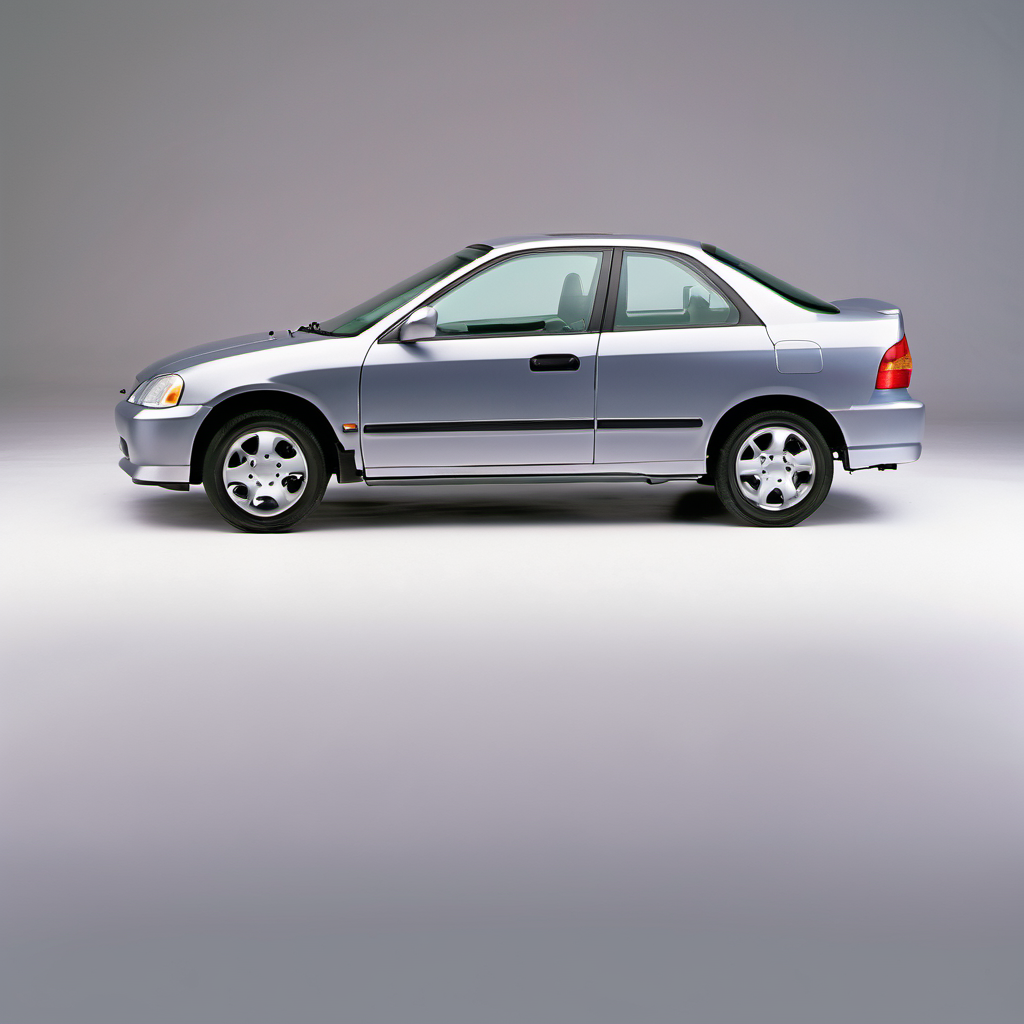
Same compact FWD sedan segment and price range, but with vastly superior parts availability, long-term reliability, and resale value. The obvious practical alternative.
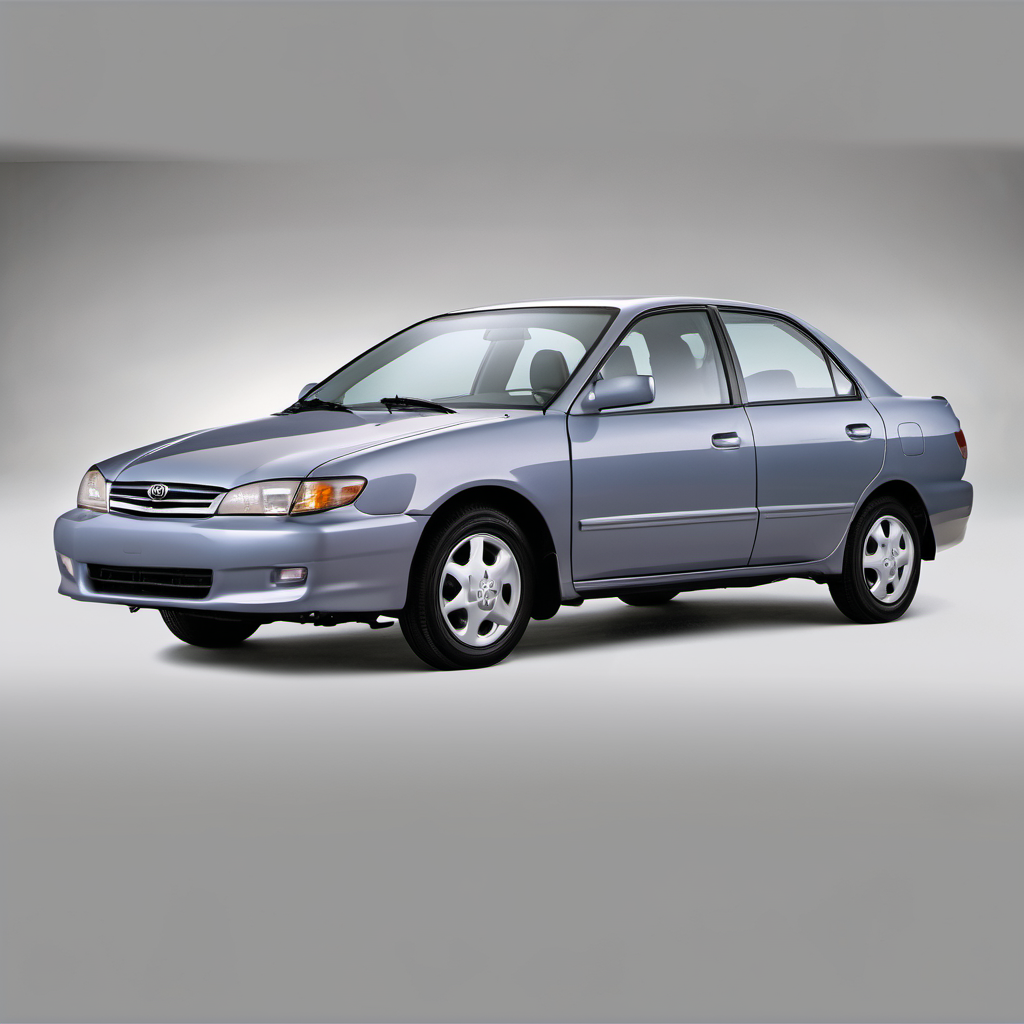
Directly competitive compact sedan with a legendary reliability record, broad parts supply, and strong technician familiarity — everything the Nubira lacks in the long term.
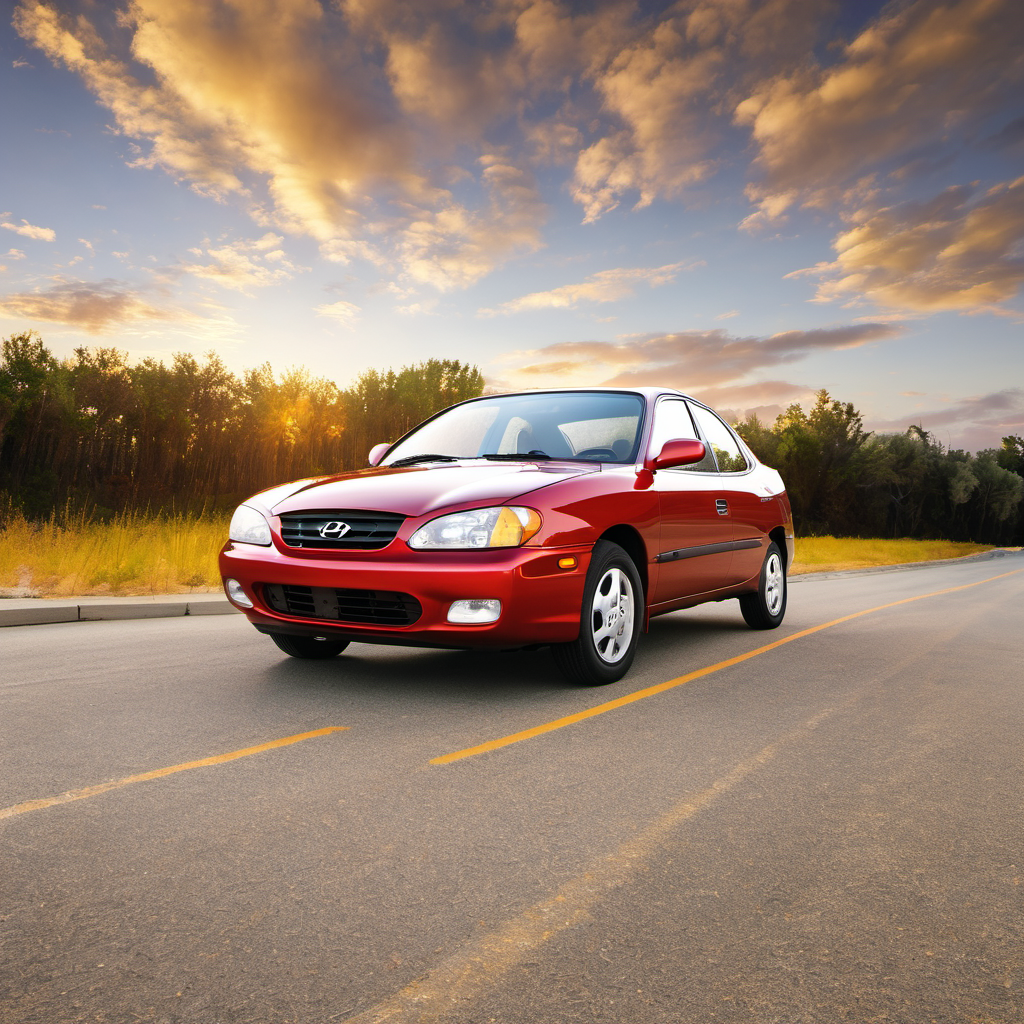
Fellow Korean compact from the same era at a similar original price. Hyundai survived and grew its U.S. network, so parts and service access are far better today.
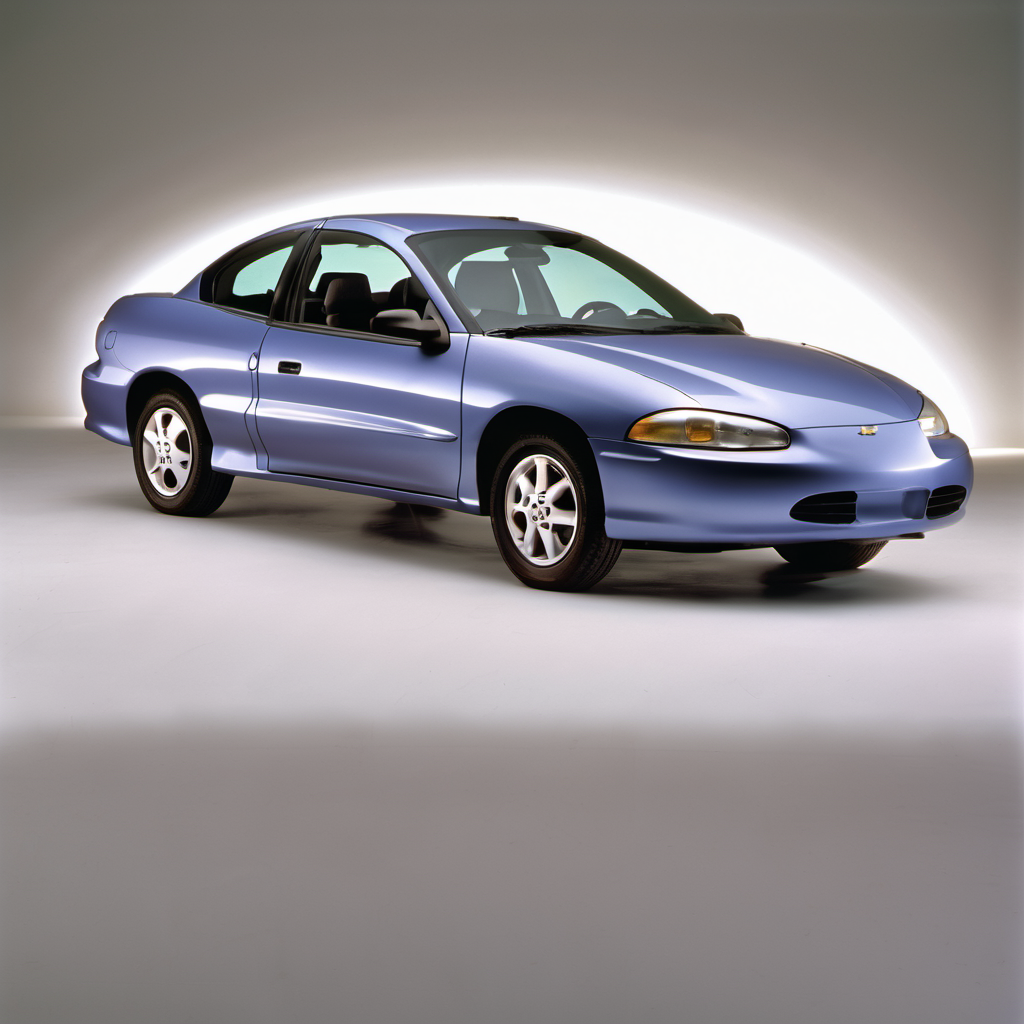
GM-based compact sold at a similar entry-level price point. Parts are plentiful and cheap, and virtually every shop knows the platform — practical advantages the Nubira can't match.