Timing belt failure
high- Typically appears
- 60–105k mi (every 60k interval)
- Estimated repair
- $350 – $600
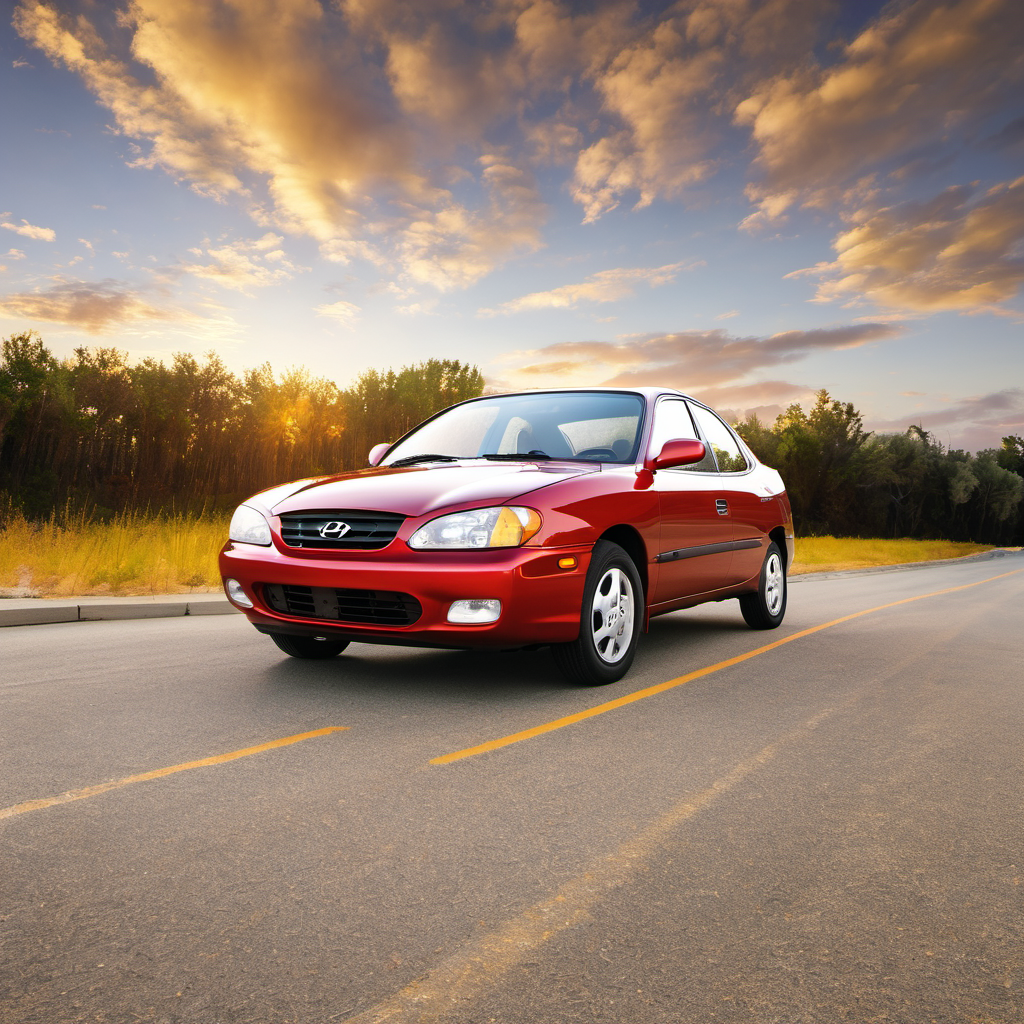
2000 Hyundai
Wagon
The 2000 Hyundai Elantra Wagon is the estate/wagon variant of the second-generation Elantra (J2 platform), sold in limited numbers in North America. It offered practical cargo versatility in a compact package at a budget-friendly price point — a rare body style for Hyundai in this era. Powered by a 2.0L inline-four mated to either a 5-speed manual or 4-speed automatic, it was a sensible choice for buyers who needed more space than a sedan without stepping up to a minivan or SUV. By 2000, Hyundai's quality was improving but still lagged behind Japanese rivals. The Elantra Wagon was never a performance or luxury vehicle — it was transportation with cargo utility. Parts availability has thinned considerably at this age, and any surviving example will need careful inspection for rust, worn drivetrain components, and deferred maintenance. At 25+ years old, this vehicle is firmly in 'beater economy car' or 'collector curiosity' territory. Ownership costs are low on paper, but surprise repair bills on aging Korean economy cars can add up quickly, especially with corrosion from Wisconsin winters eating at the body and subframe.
The 2000 Hyundai Elantra Wagon is the estate/wagon variant of the second-generation Elantra (J2 platform), sold in limited numbers in North America. It offered practical cargo versatility in a compact package at a budget-friendly price point — a rare body style for Hyundai in this era. Powered by a 2.0L inline-four mated to either a 5-speed manual or 4-speed automatic, it was a sensible choice for buyers who needed more space than a sedan without stepping up to a minivan or SUV. By 2000, Hyundai's quality was improving but still lagged behind Japanese rivals. The Elantra Wagon was never a performance or luxury vehicle — it was transportation with cargo utility. Parts availability has thinned considerably at this age, and any surviving example will need careful inspection for rust, worn drivetrain components, and deferred maintenance. At 25+ years old, this vehicle is firmly in 'beater economy car' or 'collector curiosity' territory. Ownership costs are low on paper, but surprise repair bills on aging Korean economy cars can add up quickly, especially with corrosion from Wisconsin winters eating at the body and subframe.
The 2.0L is an interference engine. A snapped belt means bent valves and a destroyed engine. If there's no documentation of a prior change, do it immediately regardless of mileage.
Old coolant loses its corrosion inhibitors, accelerating damage to the aluminum head, water pump, and radiator — all expensive on a car this old.
The 4-speed automatic is a weak point. Fresh fluid extends its life significantly. Never flush a neglected unit — drain and fill only.
Cracked boots let grease escape and let grit in, destroying the joint. Catching a torn boot early saves a full axle replacement.
Wisconsin road salt is relentless. Inspect rocker panels, subframe mounts, and fuel and brake lines annually. Structural rust can make repair costs exceed the car's value.
Worn plugs and cracked plug wires cause misfires and reduced fuel economy on this age of engine.
Hygroscopic brake fluid absorbs moisture over time, lowering its boiling point and corroding calipers and wheel cylinders — a real concern on a 25-year-old vehicle.
Cold cranking amps drop sharply below 0°F. A battery that seems fine in summer can leave you stranded on a Wisconsin January morning.
Always defer to the manufacturer's service manual for warranty-mandated intervals.
On paper this is a cheap car to own, but at 25 years old the surprises add up. Budget $600–$1,200/year for routine maintenance, but set aside an additional $500–$1,500 as a repair reserve. One transmission, timing belt failure, or major rust repair can exceed the car's market value. Keep repair investment proportional to what the vehicle is worth.
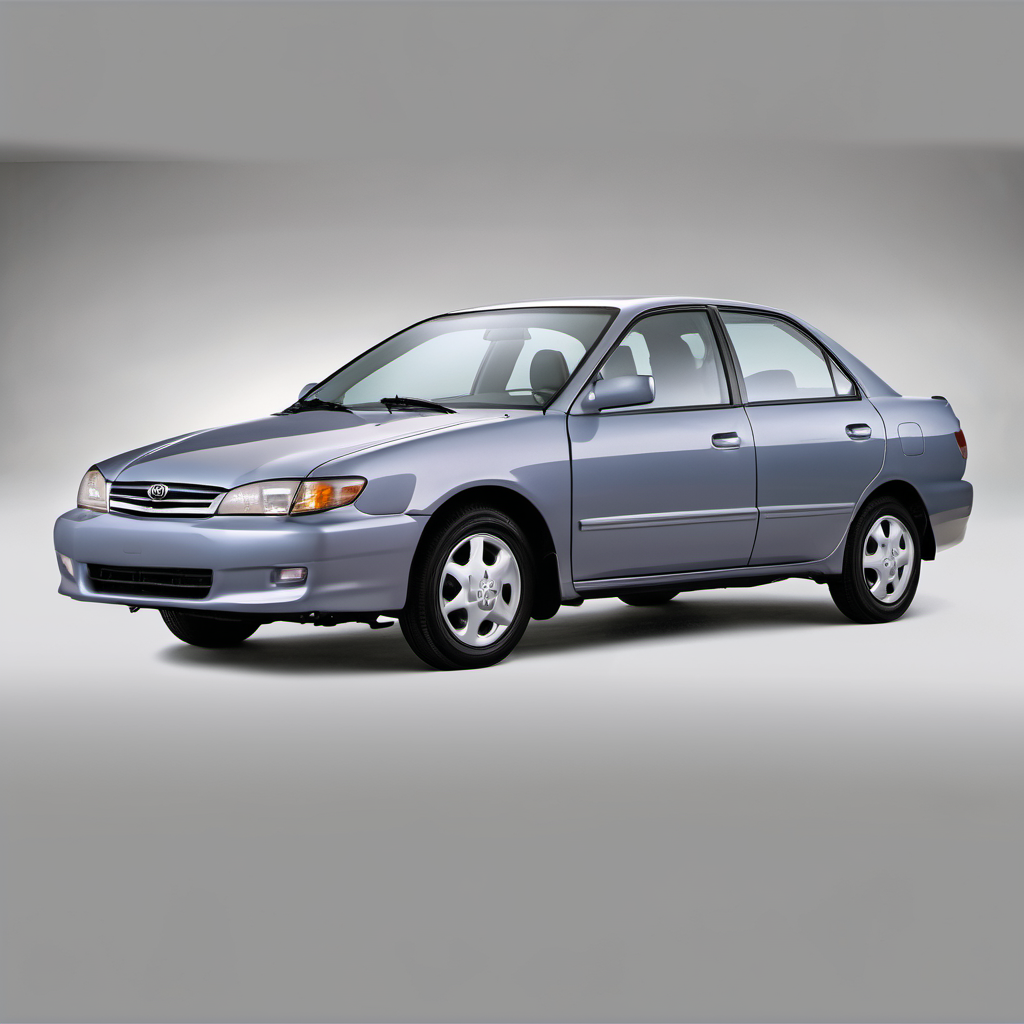
Same compact FWD segment, similar price when new, significantly stronger reliability reputation and better parts availability at this age
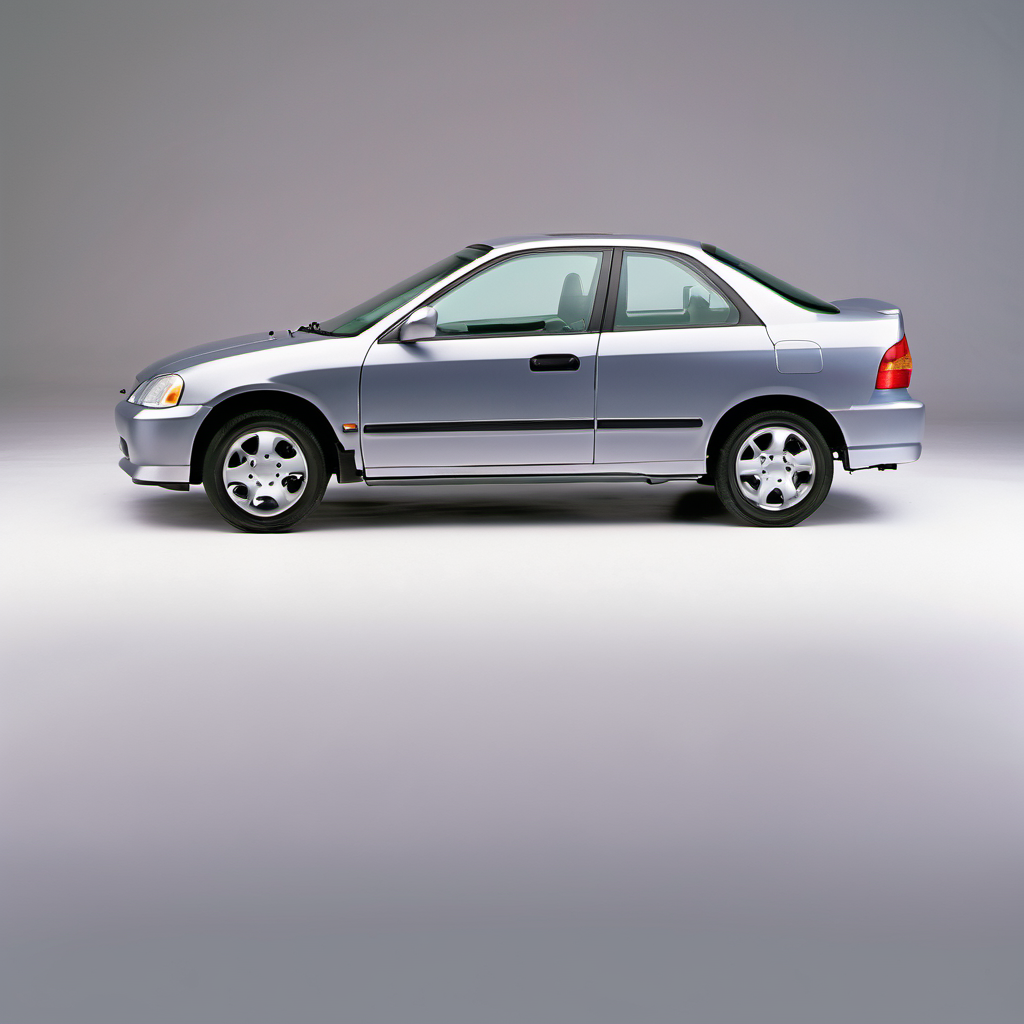
Closest rival in budget compact class; better long-term reliability and resale value, easier to find well-maintained used examples
Compact wagon in the same era and price range; GM's Saturn wagons offered similar utility though parts are now equally scarce
No catalog match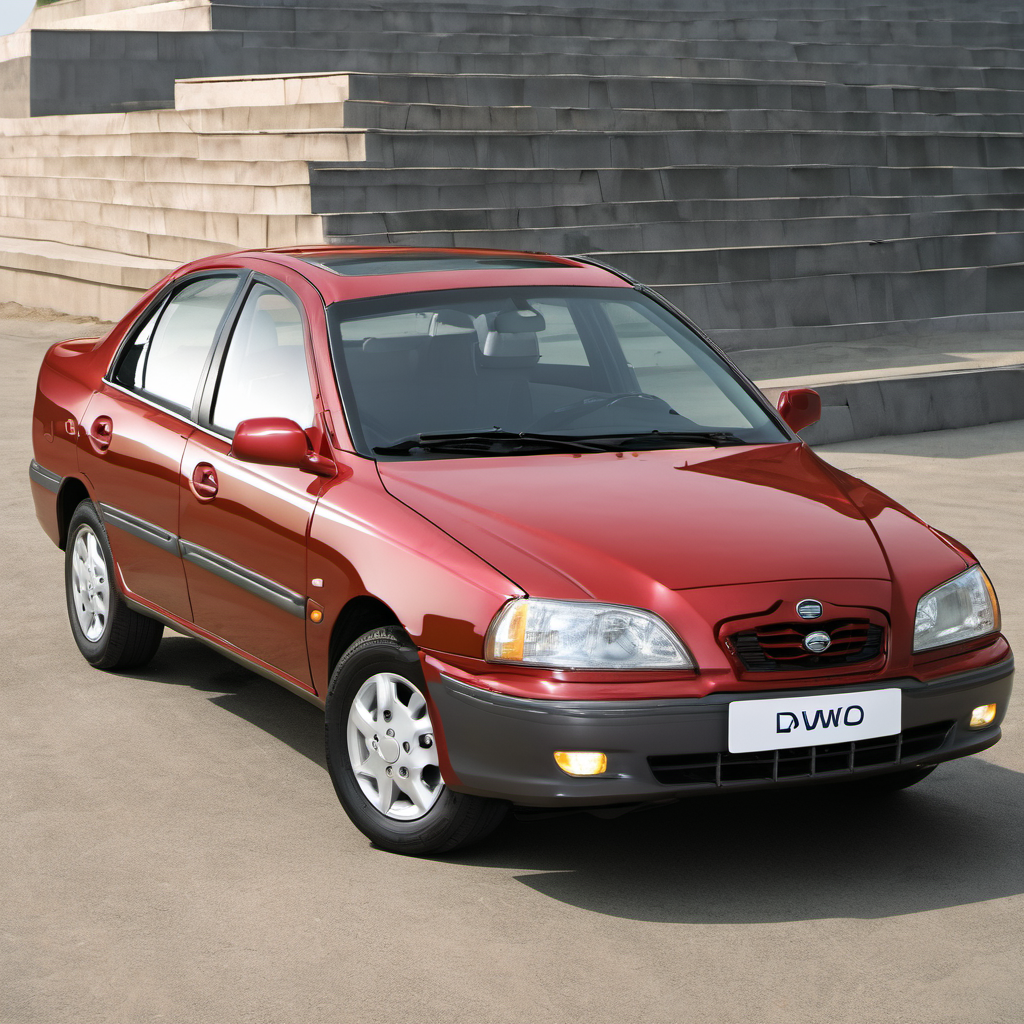
Direct Korean-brand competitor in the compact wagon space at the same price point; note Daewoo's collapse makes parts even harder to find than Hyundai