Timing belt and tensioner failure
high- Typically appears
- 60–100k mi (or any survivor at 25 years old)
- Estimated repair
- $400 – $750
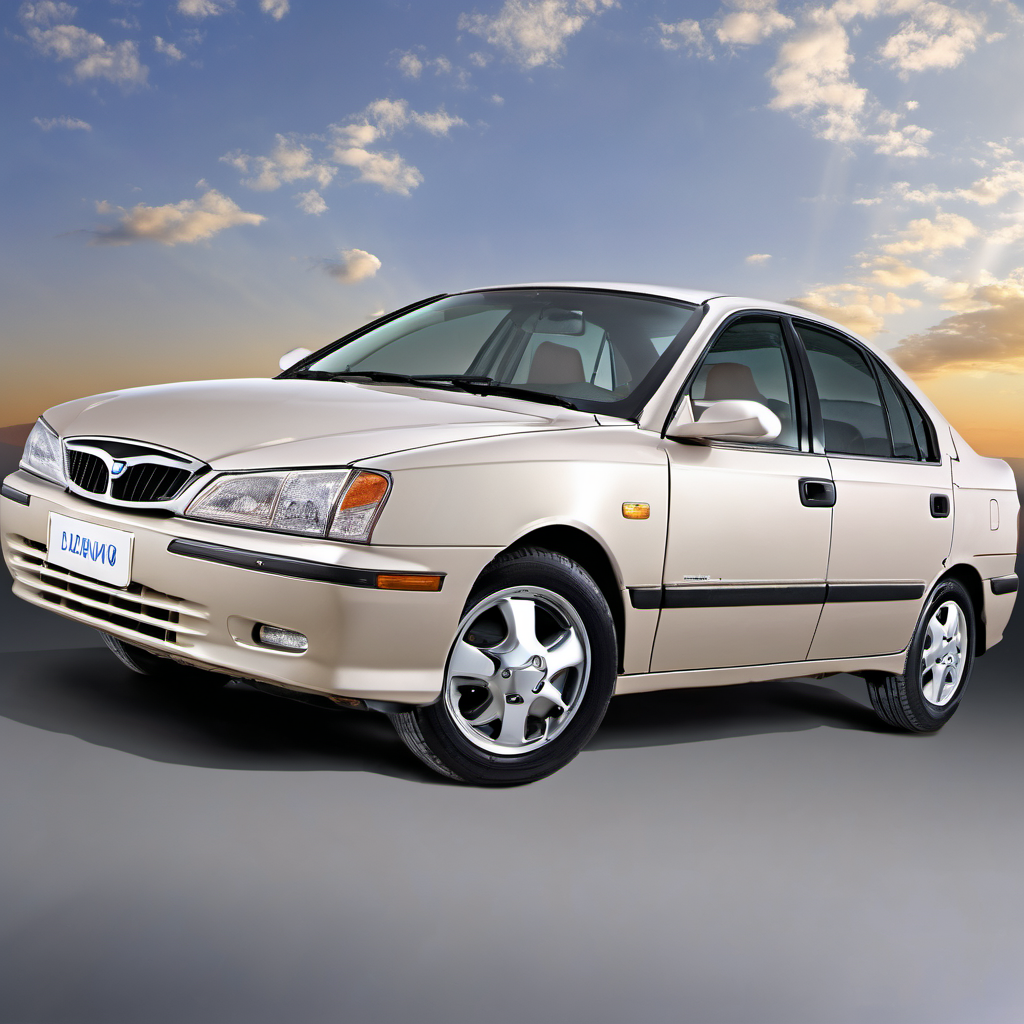
2000 Daewoo
Sedan
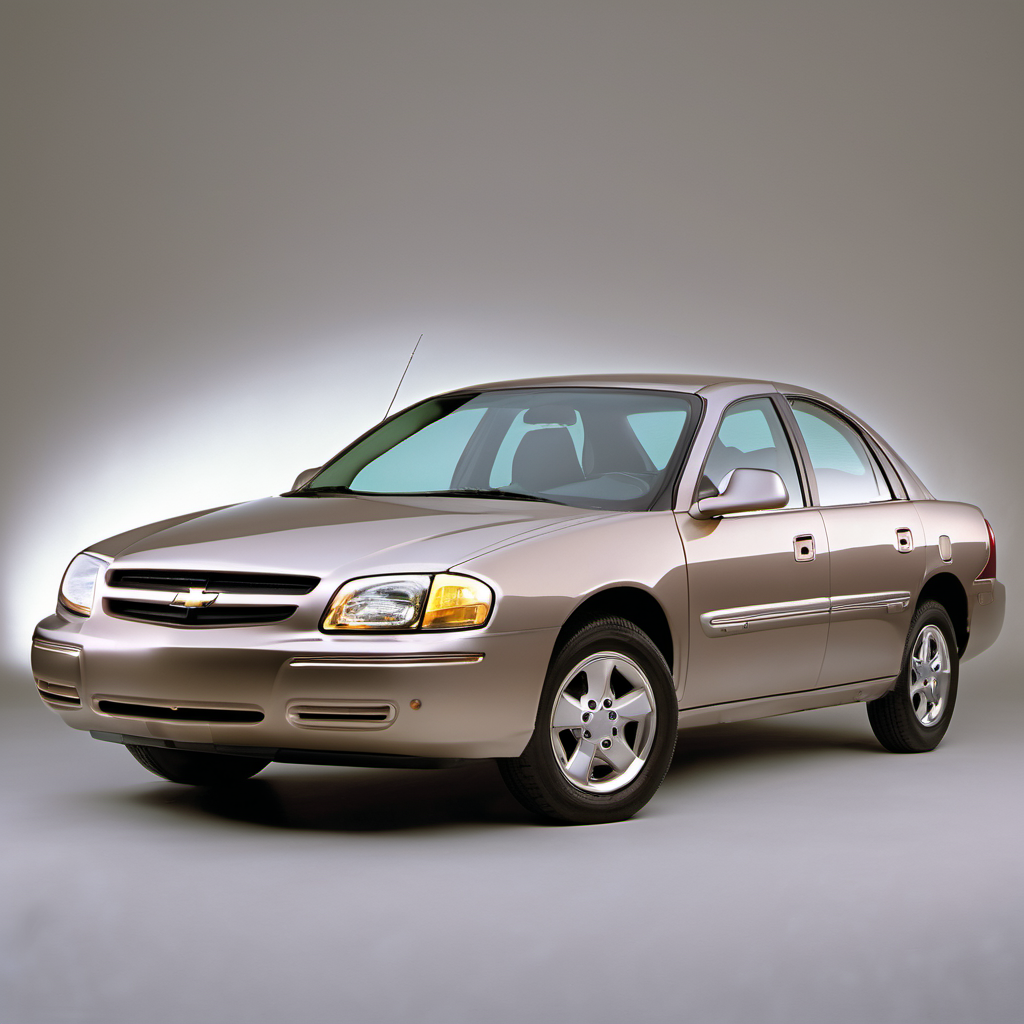
The 2000 Daewoo Leganza is a mid-size front-wheel-drive sedan that was sold in the U.S. as Daewoo's top-of-the-line model during the brand's brief American run (1999–2002). Built in South Korea, it was positioned to compete with entry-level offerings from Toyota and Honda at a notably lower price point. It offered a comfortable, well-equipped cabin for the money, with standard features that rivaled pricier competitors. Daewoo pulled out of the U.S. market in 2002, which is the single biggest practical issue with owning one today. Parts availability has shrunk dramatically, and few independent shops are familiar with the platform. GM absorbed some Daewoo operations, so some overlap exists with GM parts, but it is limited and unreliable as a general rule. For someone who already owns a Leganza and wants to keep it running, the keys are finding a knowledgeable shop, sourcing parts proactively, and staying ahead of maintenance — especially rubber components and cooling system items that are now over 20 years old.
The 2000 Daewoo Leganza is a mid-size front-wheel-drive sedan that was sold in the U.S. as Daewoo's top-of-the-line model during the brand's brief American run (1999–2002). Built in South Korea, it was positioned to compete with entry-level offerings from Toyota and Honda at a notably lower price point. It offered a comfortable, well-equipped cabin for the money, with standard features that rivaled pricier competitors. Daewoo pulled out of the U.S. market in 2002, which is the single biggest practical issue with owning one today. Parts availability has shrunk dramatically, and few independent shops are familiar with the platform. GM absorbed some Daewoo operations, so some overlap exists with GM parts, but it is limited and unreliable as a general rule. For someone who already owns a Leganza and wants to keep it running, the keys are finding a knowledgeable shop, sourcing parts proactively, and staying ahead of maintenance — especially rubber components and cooling system items that are now over 20 years old.
The 2.2L DOHC is an interference engine. A snapped belt means bent valves and a likely totaled car given parts costs. At 25 years old, replace it regardless of mileage if you don't have documentation.
All rubber coolant hoses are past their design life. A blowout in a Wisconsin winter or summer can leave you stranded and cause serious engine damage.
Wisconsin road salt aggressively attacks steel brake lines. A leaking or blown brake line is a safety emergency. Inspect every year and replace compromised sections proactively.
The 4-speed automatic in this era is sensitive to dirty fluid. Fresh fluid extends life significantly, especially with parts being nearly impossible to source.
Aged O2 sensors cause poor fuel trim, rough running, and failed emissions tests. Replacement sensors are sometimes available as universal-fit units.
Sub-zero Lake Geneva winters demand a strong battery. The 2.2L DOHC needs full cranking power in cold weather. A 4–5 year old battery should be tested and replaced if borderline.
Aged belts crack in cold weather. In a car this old, replace on a schedule rather than waiting for visible failure.
Check subframe mounting points, control arm brackets, and fuel/brake lines for rust perforation. Address early — structural rust repair costs escalate quickly and may exceed the car's value.
Always defer to the manufacturer's service manual for warranty-mandated intervals.
On paper, a Leganza is cheap to own. In practice, the wild card is parts. A routine repair that would cost $200 on a common sedan can cost $500+ on a Leganza simply because the correct part must be hunted down online, shipped from overseas, or fabricated. Budget generously for parts sourcing time and cost. Any major mechanical failure — transmission, engine, ABS module — may cost more to fix than the car is worth.
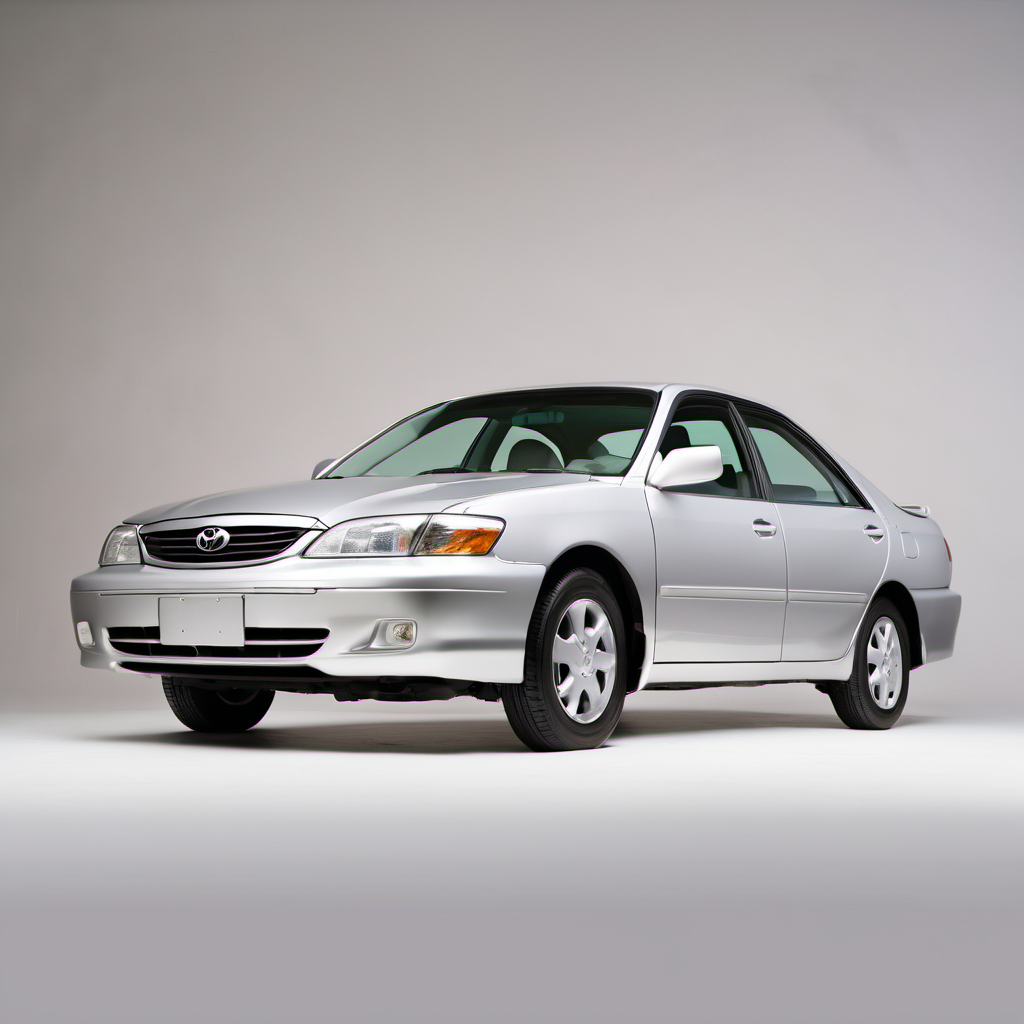
Same segment, similar price when new, but vastly better parts availability and long-term reliability track record.
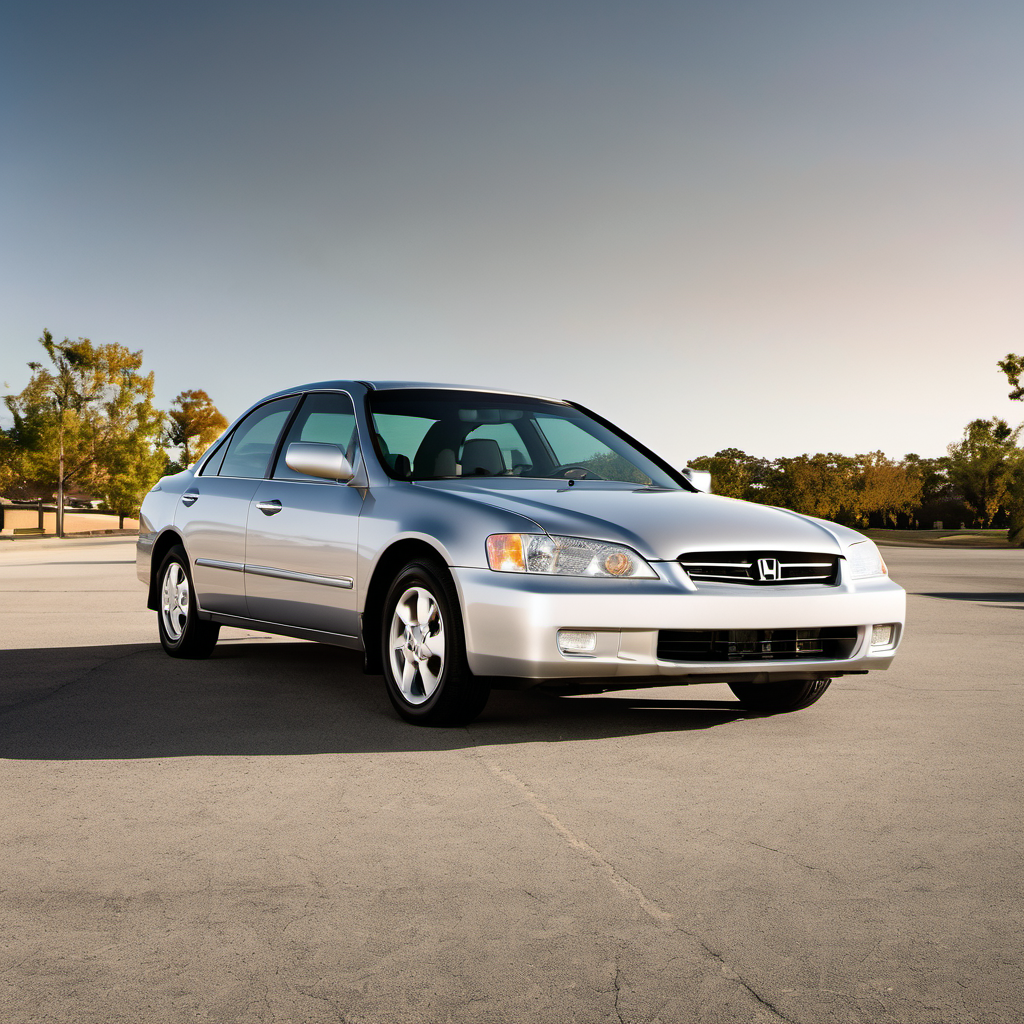
Direct competitor at launch — FWD mid-size sedan with strong dealer and parts support that the Leganza simply cannot match today.
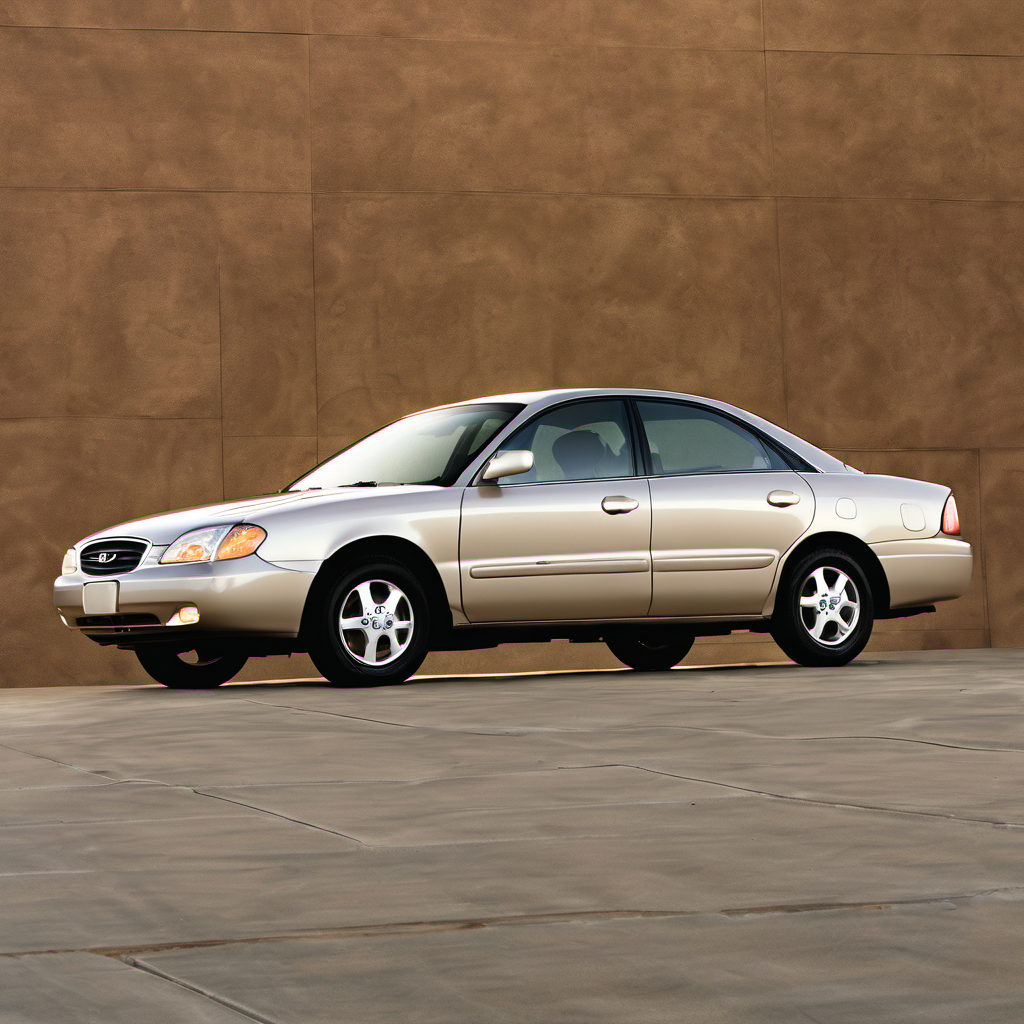
Similar budget-friendly Korean-market positioning with a comparable feature set; parts are far more available in the U.S. today.
Comparable domestic mid-size FWD sedan at a similar price point with much better U.S. parts and shop support.