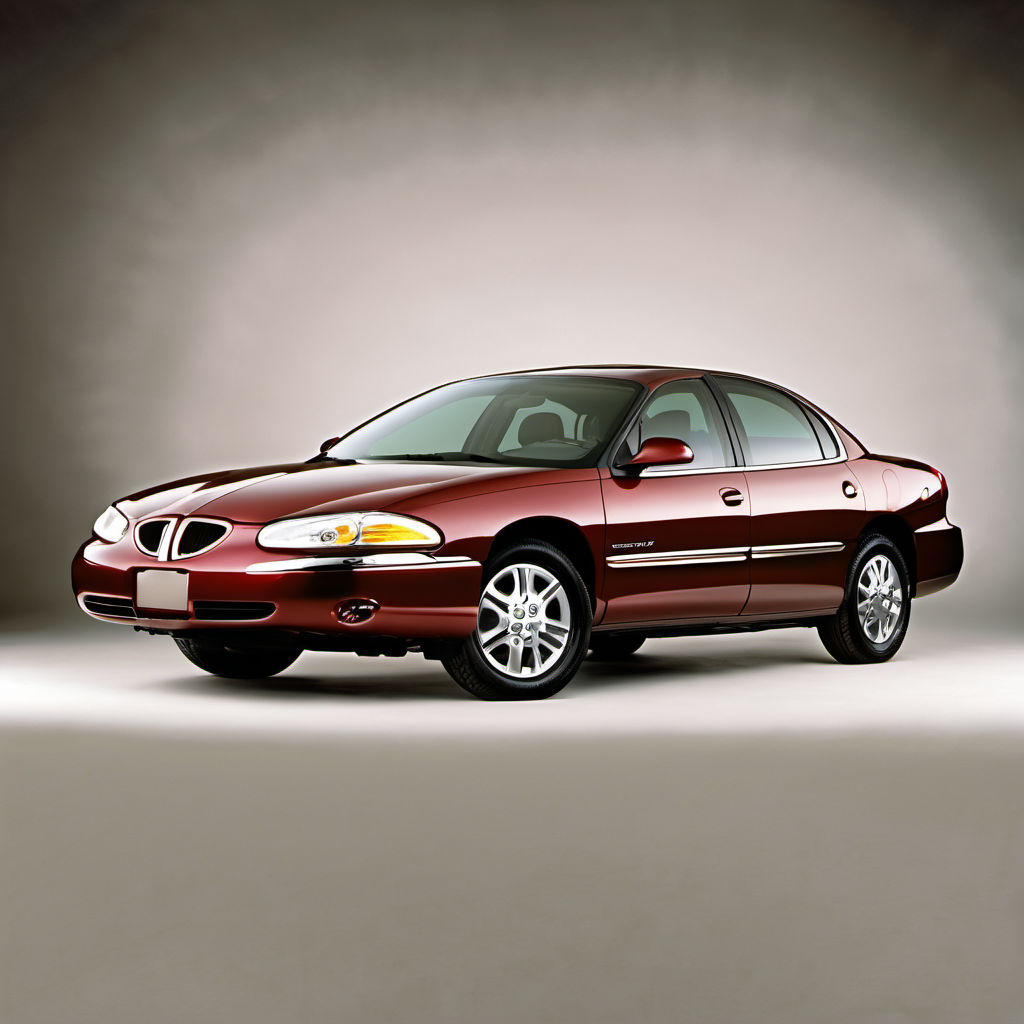
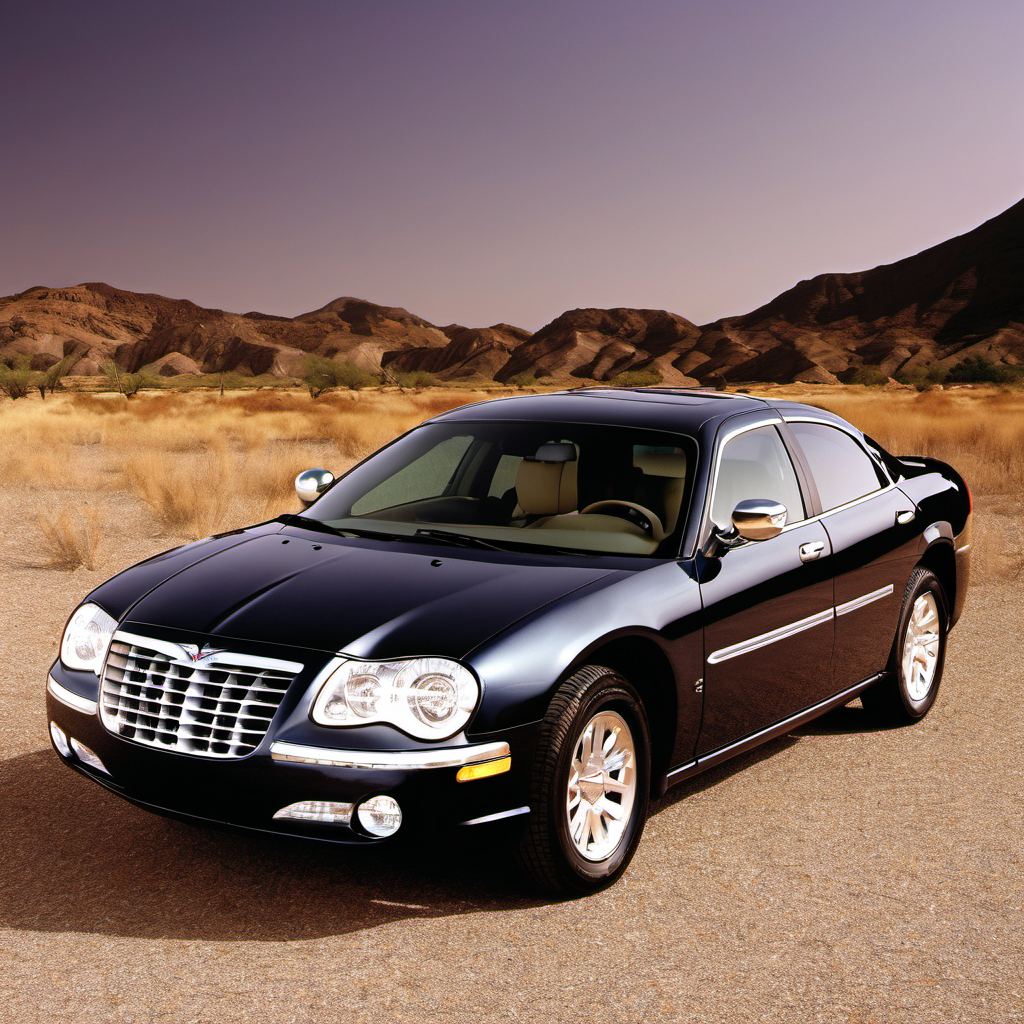
2000 Pontiac Bonneville Sedan

2000 Pontiac

BonnevilleSedan

Sedan

The 2000 Pontiac Bonneville is a full-size front-wheel-drive sedan built on GM's G-body platform, sharing its bones with the Buick LeSabre and Oldsmobile 88. It was Pontiac's flagship car — roomy, comfortable, and powered by GM's well-regarded 3800 Series II V6. In an era when large American sedans were losing ground to imports, the Bonneville held its own with a smooth highway ride, generous interior space, and genuine durability when properly maintained. The standard SE trim got the naturally aspirated 3800 V6 (205 hp), while the higher SSEi trim added a supercharger for 240 hp. Both versions share the same basic architecture and most maintenance items. At 25 years old, surviving examples are deep into high-mileage territory, so condition and service history matter far more than asking price. For buyers in the Lake Geneva area, this car's FWD and relatively low ground clearance make it a fair-weather daily driver or a highway cruiser — not an ideal Wisconsin winter workhorse unless it's been properly sorted. Rust is the number one threat at this age.

Reliability
3/5
Verified data
Specs shown for Bonneville — the most common configuration. Other trims may vary in engine, drivetrain, or fuel economy. Sign in to see your vehicle's exact specs.
Engine
[object Object]
Drivetrain
FWD
Fuel
Gasoline
MPG
17 city / 27 hwy / 20 combined
Seats
Doors
Body
Large Cars

Overview

AI-curated

The 2000 Pontiac Bonneville is a full-size front-wheel-drive sedan built on GM's G-body platform, sharing its bones with the Buick LeSabre and Oldsmobile 88. It was Pontiac's flagship car — roomy, comfortable, and powered by GM's well-regarded 3800 Series II V6. In an era when large American sedans were losing ground to imports, the Bonneville held its own with a smooth highway ride, generous interior space, and genuine durability when properly maintained. The standard SE trim got the naturally aspirated 3800 V6 (205 hp), while the higher SSEi trim added a supercharger for 240 hp. Both versions share the same basic architecture and most maintenance items. At 25 years old, surviving examples are deep into high-mileage territory, so condition and service history matter far more than asking price. For buyers in the Lake Geneva area, this car's FWD and relatively low ground clearance make it a fair-weather daily driver or a highway cruiser — not an ideal Wisconsin winter workhorse unless it's been properly sorted. Rust is the number one threat at this age.

Known for
  • GM 3800 Series II V6 — one of the most reliable American engines of its era
  • Spacious, comfortable interior with a smooth highway ride
  • Available supercharged SSEi trim with real performance credentials
  • Strong parts availability due to shared GM platform
Best for
  • Budget-conscious buyer who wants a large, comfortable sedan
  • Highway commuters prioritizing ride comfort and fuel economy
  • DIY-friendly owners — the 3800 is one of the easiest V6s to work on
  • Someone who needs a parts-rich, simple platform
Watch for
  • 25-year-old rust — especially rocker panels, subframe, and brake lines
  • Intake manifold gasket failure (a known 3800 weakness on pre-2001 engines)
  • Supercharger coupler wear on SSEi trims
  • Aging coolant passages leading to cross-contamination if neglected
  • High mileage electrical gremlins in the body control module and power accessories

Common issues by mileage

6 known

Lower Intake Manifold Gasket Failure

high
Typically appears
60–120k mi
Estimated repair
$300 – $600

Coolant Crossover / Throttle Body Hose Deterioration

high
Typically appears
80k+ mi
Estimated repair
$100 – $350

Oxygen Sensor / HO2S Heater Circuit Failure

medium
Typically appears
80–150k mi
Estimated repair
$120 – $280

Power Steering Rack Leaks and Front Strut Wear

high
Typically appears
100k+ mi
Estimated repair
$350 – $900

Body Control Module / Electrical Gremlins (windows, locks, gauges)

medium
Typically appears
100k+ mi
Estimated repair
$150 – $600

Rust — Rocker Panels, Subframe, Brake Lines

high
Typically appears
Any — accelerated in Wisconsin salt use
Estimated repair
$400 – $3,000

Maintenance schedule

  1. 1
    Every 5,000 miles or 6 months Engine oil and filter change

    The 3800 is oil-thirsty and gasket failures show up first as oil contamination. Fresh oil with a clean filter is the cheapest insurance you can buy on this engine.

  2. 2
    Every 5 years or 150k miles — but inspect annually Coolant flush with GM-approved DEX-COOL or equivalent

    DEX-COOL turns acidic when contaminated with air or oil. Degraded coolant accelerates intake gasket and water pump failure. On a 25-year-old car, inspect and test coolant condition every spring.

  3. 3
    Every oil change Inspect intake manifold gaskets for seepage

    The plastic lower intake gasket is the most common failure point on the 3800 Series II. Look for oily residue along the sides of the intake and milky oil on the dipstick. Catch it early and the repair is straightforward.

  4. 4
    Every 30,000 miles Transmission fluid and filter service

    The 4T65-E automatic is a solid unit but hates neglected fluid. Dark or burnt-smelling fluid accelerates clutch pack wear.

  5. 5
    Annually Inspect all coolant hoses and the throttle body bypass hose

    Rubber hoses on a 25-year-old car are overdue. The throttle body coolant hose in particular collapses internally and causes overheating before you notice an external leak.

  6. 6
    Annually, every spring after winter Brake line inspection — full undercar

    Wisconsin road salt eats steel brake lines from the outside in. A failed brake line is a safety emergency. Inspect the entire run from master cylinder to each wheel every season.

  7. 7
    Every 30,000 miles Spark plugs and wires

    The 3800 uses a distributorless ignition. Worn plugs or cracked plug wires cause misfires and can trigger false sensor codes.

  8. 8
    Every fall, before winter Battery load test

    Batteries older than 4 years rarely survive a Wisconsin winter at full capacity. A battery that starts the car fine in October can fail in January at -10°F.

Always defer to the manufacturer's service manual for warranty-mandated intervals.

Cost of ownership

Annual maintenance
$600 – $1,800
Fuel
At 20 MPG combined and ~12,000 miles/year, expect roughly $1,400–$1,700/year at current Midwest gas prices. Highway driving will do noticeably better.
Insurance
Low — full-size domestic sedans of this age are among the cheapest vehicles to insure. Expect $600–$1,000/year for full coverage depending on your record.

This is a cheap car to own IF the major issues (intake gaskets, rust, hoses) have already been addressed. Deferred maintenance bills can spike well above $2,000 in a single year on a neglected example. Buy one that's been cared for and the annual costs are very manageable. Parts are inexpensive and widely available.
Seasonal care

Lake Geneva, WI
Winter
  • Load-test the battery every fall — the 3800 draws significant current on cold starts and a weak battery will leave you stranded at the worst time.
  • Switch to a full-synthetic 5W-30 oil before temperatures drop below 20°F to ensure fast cold-start lubrication in the upper valve train.
  • Flush and top off with fresh -34°F rated coolant — degraded DEX-COOL loses freeze protection and accelerates gasket corrosion.
  • Inspect and replace wiper blades with winter-rated blades; top off washer fluid with a -20°F or better rated formula — Wisconsin roads require frequent windshield clearing.
  • Inspect the undercarriage for rust on brake lines and fuel lines before salt season; treat any bare metal with a rust inhibitor.
  • Keep the gas tank at least half full to prevent moisture accumulation in the fuel system and add weight over the front drive wheels.
Summer
  • Check tire pressure monthly — tires lose and gain ~1 PSI per 10°F of temperature change, so summer heat inflates them above spec.
  • Inspect the A/C system for refrigerant charge and condenser blockage; the 3800 can heat-soak in stop-and-go traffic if the cooling fan relay is failing.
  • Check coolant level and condition before any long road trip — the intake manifold gaskets are most likely to weep under sustained high-load/high-temp driving.
  • Inspect serpentine belt and tensioner — heat accelerates cracking and glazing on a belt this age.

Comparable vehicles

If you're shopping for one

Red flags
  • Any sign of coolant in the oil or oil in the coolant — walk away unless you're prepared for an immediate intake gasket job.
  • Rust holes or severe pitting on the subframe or brake lines — structural rust can make repairs cost more than the car is worth.
  • No service records and vague ownership history — deferred maintenance on the 3800 tends to snowball.
  • A check engine light that the seller claims 'just came on' — scan it before you buy and cross-reference any codes.
  • Burned or dark brown transmission fluid with a burnt smell — transmission trouble is likely.
What to inspect
  • Pull the oil dipstick and look for milky or foamy residue — intake gasket failure mixes coolant into the oil.
  • Check the coolant overflow tank for oil contamination (oily rainbow sheen or brown sludge).
  • Do a full undercar inspection for rust on rocker panels, subframe mounting points, brake lines, and fuel lines — this is the make-or-break item on any Wisconsin-area example.
  • Start cold and listen for upper-end ticking in the first 30 seconds — indicates oil starvation from a leaking intake gasket or neglected oil changes.
  • Test every power accessory: windows, locks, trunk release, mirrors — BCM and wiring issues are expensive to chase on a 25-year-old car.
  • Check the transmission for smooth, firm shifts at highway speeds; a slipping or flaring 4T65-E is a $1,200–$2,500 repair.
AI profile generated 11 days ago · claude-sonnet-4-6 · v2.