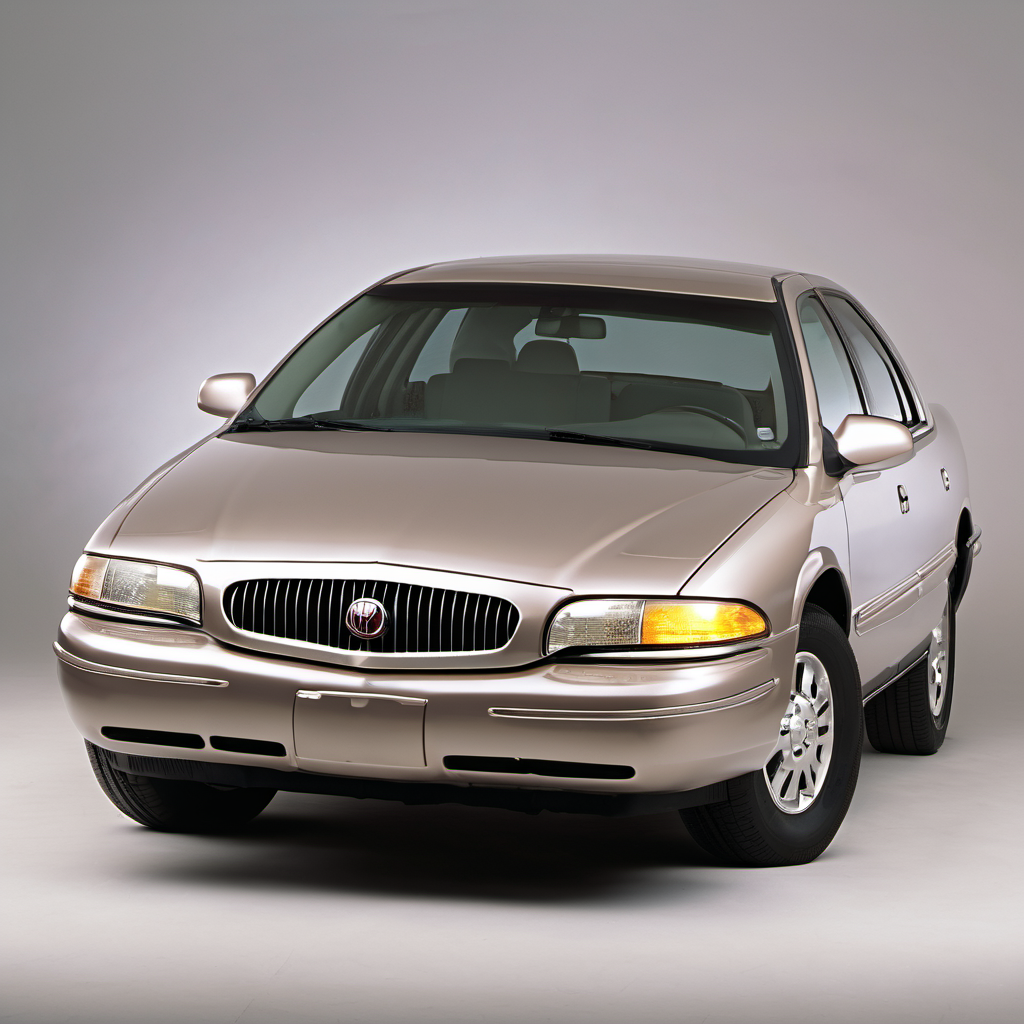
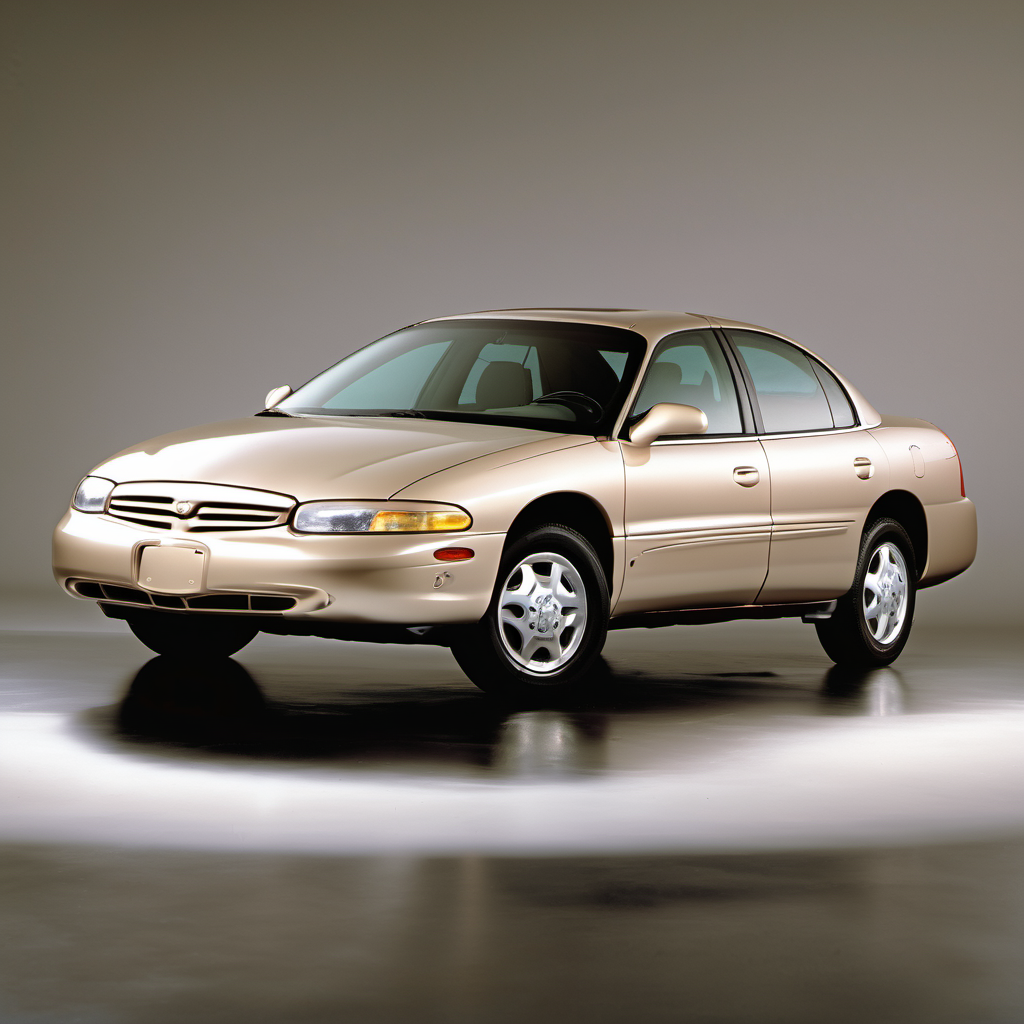
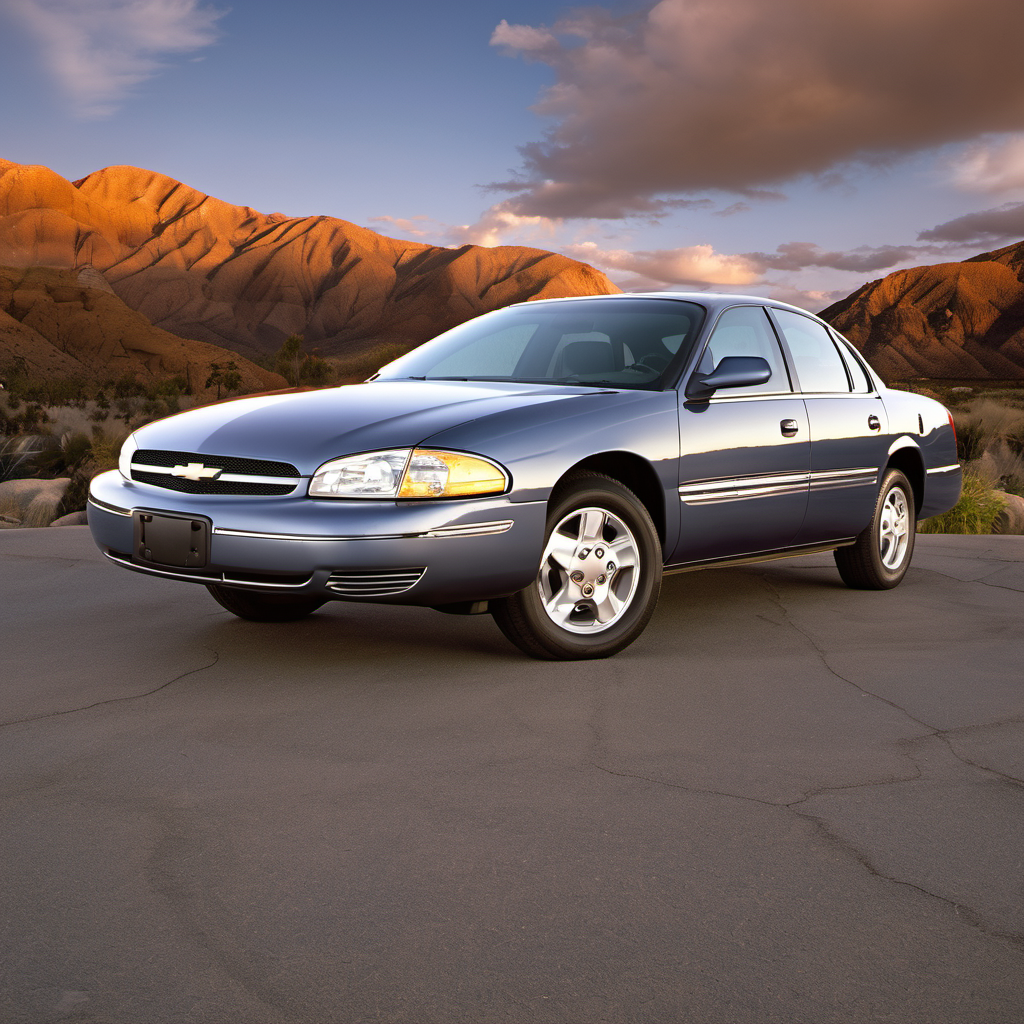
2000 Buick Century Sedan

2000 Buick

CenturySedan

Sedan

The 2000 Buick Century is a front-wheel-drive full-size sedan built on GM's W-body platform, the same architecture shared with the Pontiac Grand Prix and Oldsmobile Intrigue. It was squarely aimed at buyers who wanted a comfortable, quiet, American-made highway cruiser at a reasonable price — and it delivered on that promise for many years. Powered by GM's proven 3.1L V6, the Century is not a performance car, but it is a durable daily driver when maintained. The 3.1L has known quirks (upper intake manifold gaskets being the most notorious), but owners who stayed on top of coolant and oil changes routinely saw 150,000–200,000 miles from the drivetrain. By 2025, a surviving 2000 Century is almost certainly a high-mileage example or a low-mileage garage-kept car — there isn't much middle ground at this age. Either way, rust is the dominant concern in the upper Midwest, and it should be your first inspection priority before anything else.

Reliability
3/5
Verified data
Specs shown for Century — the most common configuration. Other trims may vary in engine, drivetrain, or fuel economy. Sign in to see your vehicle's exact specs.
Engine
[object Object]
Drivetrain
FWD
Fuel
Gasoline
MPG
18 city / 27 hwy / 21 combined
Seats
Doors
Body
Midsize Cars

Overview

AI-curated

The 2000 Buick Century is a front-wheel-drive full-size sedan built on GM's W-body platform, the same architecture shared with the Pontiac Grand Prix and Oldsmobile Intrigue. It was squarely aimed at buyers who wanted a comfortable, quiet, American-made highway cruiser at a reasonable price — and it delivered on that promise for many years. Powered by GM's proven 3.1L V6, the Century is not a performance car, but it is a durable daily driver when maintained. The 3.1L has known quirks (upper intake manifold gaskets being the most notorious), but owners who stayed on top of coolant and oil changes routinely saw 150,000–200,000 miles from the drivetrain. By 2025, a surviving 2000 Century is almost certainly a high-mileage example or a low-mileage garage-kept car — there isn't much middle ground at this age. Either way, rust is the dominant concern in the upper Midwest, and it should be your first inspection priority before anything else.

Known for
  • Smooth, compliant ride — one of the softer domestic sedans of its era
  • GM 3.1L V6: torquey, widely serviced, but prone to intake manifold gasket leaks
  • Spacious interior with genuinely large trunk — a practical highway car
  • Affordable parts and straightforward independent-shop serviceability
  • Standard-setting reliability for its class when properly maintained
Best for
  • Retired drivers or low-mileage local commuters wanting an inexpensive, comfortable sedan
  • Budget-conscious buyers who want a large American car and can handle basic upkeep
  • Owners who value a quiet, smooth ride over sporty handling
  • Anyone needing a large trunk for regular errands or light hauling
Watch for
  • Upper intake manifold gasket failure — coolant leaks into oil or externally; check oil for milky color
  • Body and frame rust, especially rocker panels, rear wheel wells, and subframe mounts — critical in Wisconsin
  • Transmission wear on the 4T65-E at higher mileage; rough shifts or slipping are warning signs
  • Coolant system neglect — DexCool ('orange') coolant has a 5-year/150k service life; running old coolant accelerates gasket failure
  • Power window regulators and door lock actuators are common failures on cars this age

Common issues by mileage

6 known

Upper Intake Manifold Gasket Failure

high
Typically appears
60–130k mi
Estimated repair
$400 – $750

Coolant Leak / Overheating (Lower Intake & Thermostat Housing)

medium
Typically appears
80–150k mi
Estimated repair
$300 – $600

4T65-E Transmission Slipping or Rough Shifting

medium
Typically appears
100–170k mi
Estimated repair
$1,200 – $2,800

Oxygen Sensor Failure (B1S1 or B1S2)

medium
Typically appears
80–140k mi
Estimated repair
$120 – $280

Power Window Regulator / Door Lock Actuator Failure

high
Typically appears
80k+ mi
Estimated repair
$100 – $320

Underbody & Rocker Panel Rust (Wisconsin-specific)

high
Typically appears
Any mileage on unprotected cars
Estimated repair
$500 – $3,500

Maintenance schedule

  1. 1
    Every 5 years or 150k miles — but on a 25-year-old car, do it now if unknown Coolant flush and DexCool replacement

    Old DexCool turns acidic and attacks intake manifold gaskets and plastic coolant necks. This is the single most important preventive job on the 3.1L.

  2. 2
    Every 5,000 miles or 6 months Oil and filter change

    The 3.1L tolerates regular oil well. If the oil looks milky or smells sweet, stop driving — you have coolant intrusion from a leaking intake gasket.

  3. 3
    Every 30,000–40,000 miles Transmission fluid service (4T65-E)

    GM did not widely publish a transmission service interval for this era, but the 4T65-E lives much longer with regular fluid changes. Use Dexron VI.

  4. 4
    Every 30,000 miles for standard plugs; 60,000 for platinum Spark plugs and wires

    The rear three plugs on the 3.1L V6 are buried against the firewall. Access is difficult; replace all six at once to avoid pulling the intake area apart twice.

  5. 5
    Every 60,000 miles or at any sign of cracking/glazing Serpentine belt and tensioner inspection

    Belt failure leaves you stranded. At 25 years old, replace it if history is unknown regardless of appearance.

  6. 6
    Every fall before road salt season Underbody rust inspection and treatment

    Wisconsin road salt is aggressive. Inspect subframe mounting points, rocker panels, brake lines, and fuel lines annually. Treat exposed metal with rust inhibitor.

  7. 7
    Every year Brake line inspection

    Steel brake lines on cars this age frequently rust through in the upper Midwest. A failed brake line is a safety emergency. Check for bubbling, pitting, or wet spots along the lines.

  8. 8
    Every fall Battery test and terminal cleaning

    Cold cranking amps drop significantly below 0°F. A battery that seems fine in summer can leave you stranded at -10°F. Test it before November.

Always defer to the manufacturer's service manual for warranty-mandated intervals.

Cost of ownership

Annual maintenance
$600 – $1,800
Fuel
At 21 MPG combined and ~12,000 miles/year, expect roughly $1,400–$1,700/year at current upper Midwest gas prices.
Insurance
Liability-only coverage on a vehicle this age typically runs $400–$800/year depending on driver profile. Full coverage rarely makes financial sense given market value.

The Century is one of the cheaper domestic sedans to own when it's healthy — parts are inexpensive and any independent shop can work on it. The risk is deferred maintenance: a neglected intake gasket job or transmission service can turn a $2,000 car into a $4,000 repair bill fast. Budget on the higher end if the car's service history is unknown.
Seasonal care

Lake Geneva, WI
Winter
  • Test the battery every October — cold starts below 0°F demand full cold-cranking capacity; replace any battery over 4–5 years old proactively
  • Switch to a full-strength winter washer fluid rated to at least -20°F; the 3.1L runs warm but the reservoir and lines can freeze with diluted fluid
  • Inspect rubber coolant hoses before the cold season — hardened or cracked hoses are more likely to burst in extreme cold under morning pressure spikes
  • Check brake line condition along the frame and around rear axle — salt accumulation accelerates rust-through on steel lines at this vehicle's age
  • Keep the fuel tank above half when temperatures drop below 0°F to reduce moisture condensation in the tank and fuel lines
  • After each snowfall, rinse the undercarriage if possible — salt and slush pack into wheel wells and behind rocker panels where this car is most vulnerable to rust
Summer
  • Monitor coolant temperature gauge closely in stop-and-go traffic — the 3.1L can run warm with a partially clogged radiator or weak water pump, especially on aging examples
  • Check tire pressure monthly — tires gain roughly 1 PSI per 10°F of temperature rise, and overinflated tires on hot pavement reduce grip
  • Test the A/C system for proper cooling — the R-134a system is straightforward, but cabin evaporator core leaks are possible at this age
  • Inspect the serpentine belt for heat cracking; summer heat accelerates rubber degradation on a 25-year-old belt

Comparable vehicles

If you're shopping for one

Red flags
  • Milky or brown oil — indicates coolant mixing with engine oil; do not buy without a full diagnosis
  • Visible rust perforation on rocker panels or floor pans — structural rust on a 25-year-old car often costs more to fix than the car is worth
  • Any evidence of overheating history (stained head gaskets, warped head, replaced heads) — treat as high-risk
  • Transmission that hesitates, slips, or bangs into gear — rebuilds on the 4T65-E often cost more than the car's market value
  • Soft or spongy brake pedal — could mean worn master cylinder or (more seriously) a rusted brake line that's about to fail
  • Missing or refused service records on a car this age — not a dealbreaker, but treat the price accordingly
What to inspect
  • Pull the oil dipstick and look for milky, frothy, or sweet-smelling oil — a dead giveaway for intake manifold gasket failure with coolant intrusion
  • Check the coolant overflow tank for oil film or brown sludge — another sign of gasket failure or head gasket issues
  • Get underneath and inspect rocker panels, subframe mounting points, fuel lines, and brake lines for rust — this is the make-or-break inspection on any upper Midwest car this age
  • Test every power window and door lock — regulators and actuators are common failures and replacement adds up quickly if multiple are bad
  • Check transmission behavior: it should shift smoothly through all four gears with no hesitation, slipping, or clunking
  • Look for coolant stains or white residue around the intake manifold area on top of the engine — external gasket weeping is a common early sign
  • Verify the A/C blows cold and the heater core works — heater core replacement on W-body cars is a significant labor job
AI profile generated 13 days ago · claude-sonnet-4-6 · v2.