Engine Oil Sludge (1.8T)
high- Typically appears
- 60–150k mi
- Estimated repair
- $800 – $4,000
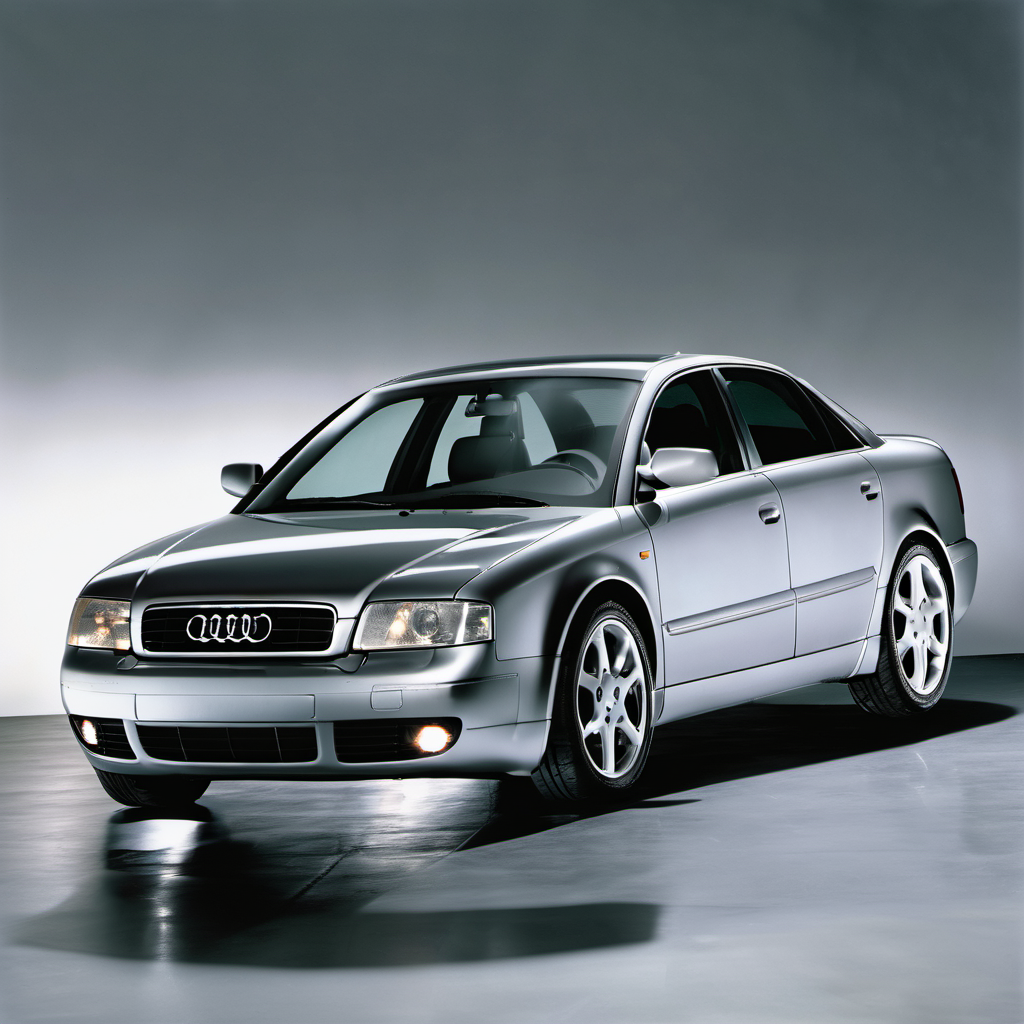
2000 Audi
Wagon
The 2000 Audi A4 Avant (Wagon) is a compact European sport wagon built on Audi's B5 platform. It pairs a turbocharged 1.8L four-cylinder with a refined, car-like ride and a practical cargo-friendly body — a combination that was rare in its price class at the time. This generation A4 earned a loyal following for its driving dynamics and upscale interior, though it came with the maintenance expectations of a European luxury brand. At 24 years old, any surviving example is genuinely a high-mileage or carefully kept collector's daily driver. Parts availability has thinned for some items, and repair costs can surprise owners accustomed to domestic vehicle pricing. That said, a well-maintained B5 A4 1.8T can still be a rewarding ownership experience for mechanically-minded enthusiasts. This FWD wagon variant was less common than the Quattro all-wheel-drive version sold alongside it, which is worth noting both for Wisconsin winter capability and for future resale. Budget appropriately for European-brand independent shop labor and sourcing OEM or quality aftermarket parts.
The 2000 Audi A4 Avant (Wagon) is a compact European sport wagon built on Audi's B5 platform. It pairs a turbocharged 1.8L four-cylinder with a refined, car-like ride and a practical cargo-friendly body — a combination that was rare in its price class at the time. This generation A4 earned a loyal following for its driving dynamics and upscale interior, though it came with the maintenance expectations of a European luxury brand. At 24 years old, any surviving example is genuinely a high-mileage or carefully kept collector's daily driver. Parts availability has thinned for some items, and repair costs can surprise owners accustomed to domestic vehicle pricing. That said, a well-maintained B5 A4 1.8T can still be a rewarding ownership experience for mechanically-minded enthusiasts. This FWD wagon variant was less common than the Quattro all-wheel-drive version sold alongside it, which is worth noting both for Wisconsin winter capability and for future resale. Budget appropriately for European-brand independent shop labor and sourcing OEM or quality aftermarket parts.
The 1.8T turbo engine is sludge-prone. Full synthetic at short intervals is the single most important thing you can do to protect this engine. Extended intervals are the primary cause of catastrophic sludge-related engine failures on this platform.
Interference engine — belt failure destroys the engine. The water pump is driven by the timing belt, so replacing it at the same time costs little extra labor and prevents a repeat teardown shortly after.
Plastic components in the cooling system become brittle with age and heat cycles. A burst hose or failed thermostat housing can cause rapid overheating and head gasket damage.
Worn plugs increase misfire risk, which on a turbocharged engine can damage the catalytic converter and stress the ignition coil packs — already a known weak point.
Brake fluid absorbs moisture over time, lowering its boiling point and promoting internal corrosion. European manufacturers (including Audi) have long specified 2-year intervals for good reason.
Wisconsin road salt is extremely aggressive on a 24-year-old European vehicle. Subframe and suspension component corrosion is a real concern. Annual inspection and undercoating treatment extends the car's serviceable life significantly.
Audi classified transmission fluid as lifetime fill, but real-world experience shows fluid degradation leads to shifting issues. An independent shop fluid change at this interval is cheap insurance on a 24-year-old transmission.
The rubber intake boot between the airbox and turbo cracks with age and causes unmetered air leaks, leading to rough idle and running issues. Visual inspection is quick and replacement is inexpensive.
Always defer to the manufacturer's service manual for warranty-mandated intervals.
The A4 1.8T is cheap to buy but not cheap to own if you don't stay ahead of maintenance. Routine items (oil, plugs, brakes) are manageable. The big-ticket risks — timing belt, cooling system, sludge-related engine work — can easily run $500–$4,000+ per event if deferred. Budget for European-brand labor rates at an independent shop (typically $90–$130/hr in the Lake Geneva area) rather than domestic vehicle rates. A car in good mechanical shape with documented history is a reasonable daily driver budget; an unknown-history example is a financial gamble.
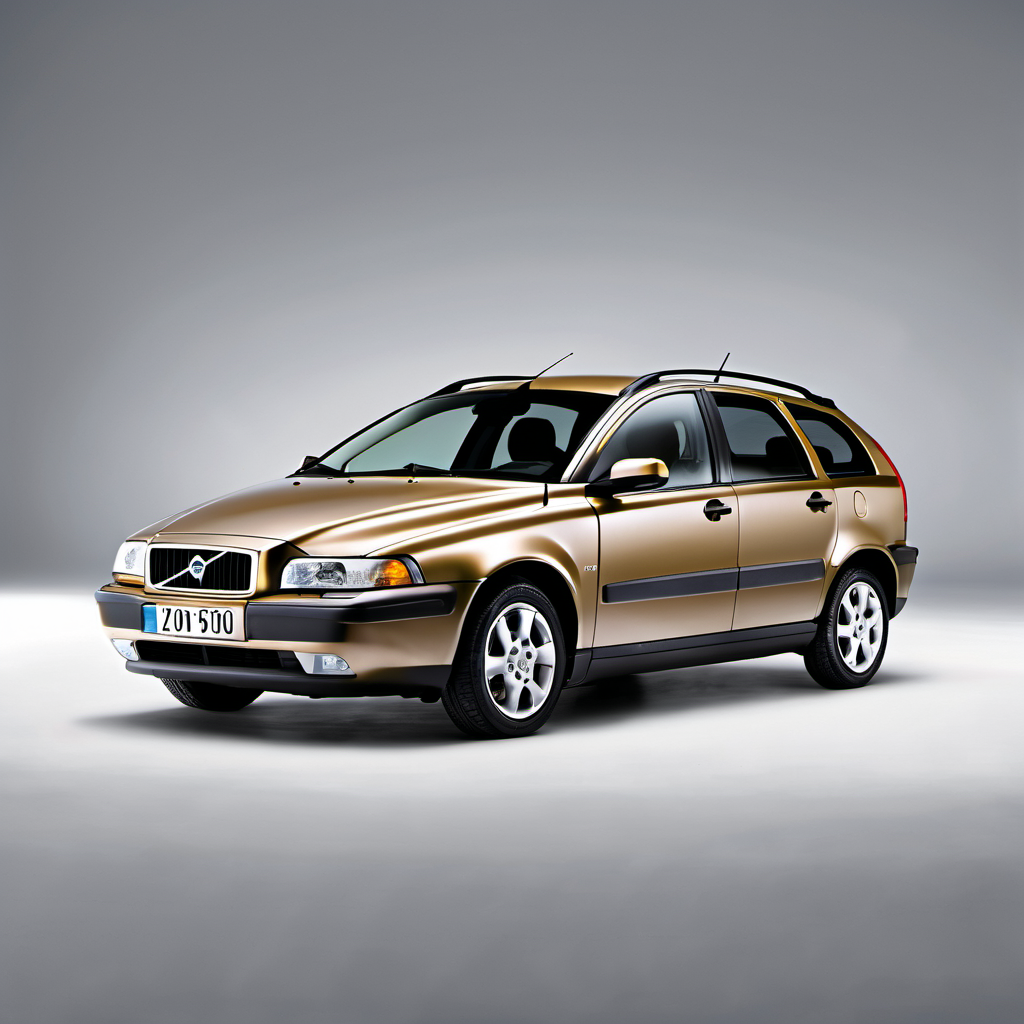
European compact wagon, similar price point and mission, comparable reliability concerns at age, but simpler mechanically than the Audi turbo.
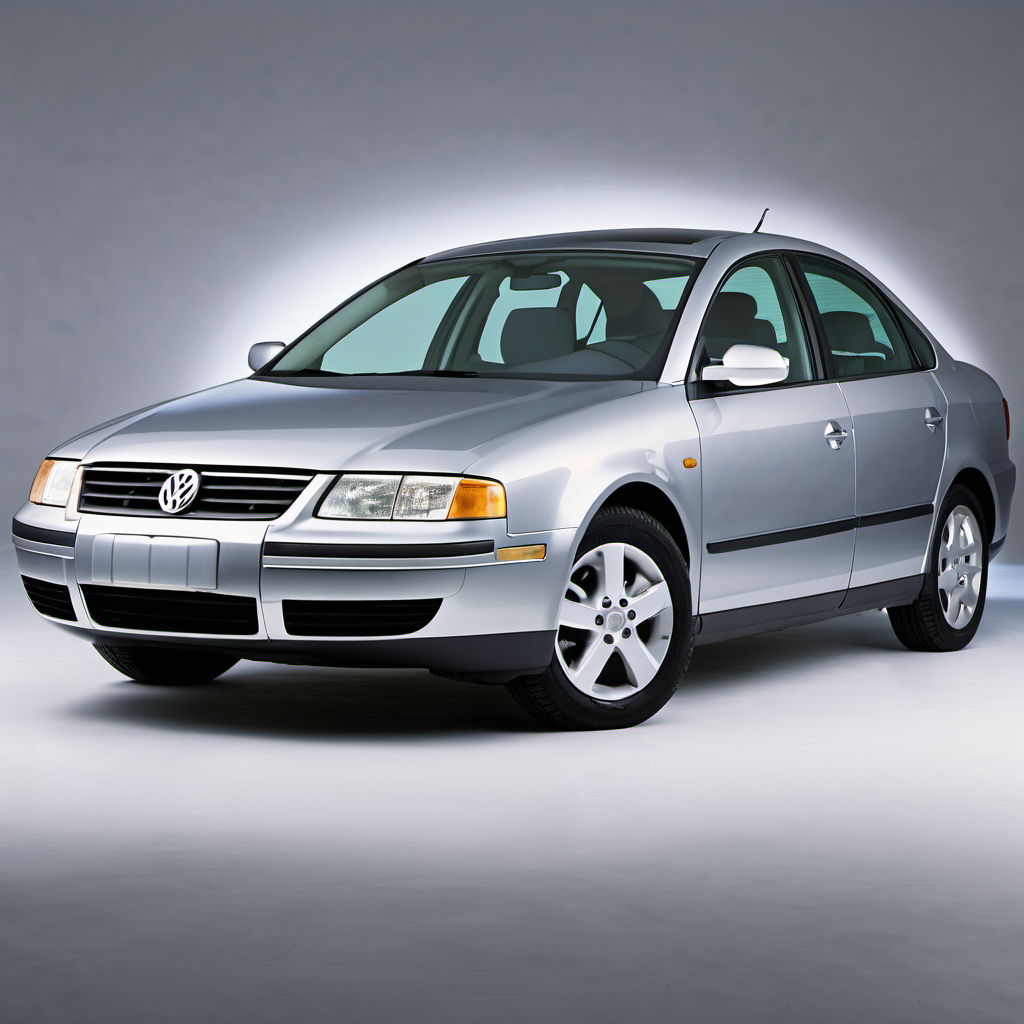
Shares the same VAG platform and 1.8T engine family. More interior space, similar ownership costs, and parts cross over — good alternative for buyers wanting the same driving character with a larger footprint.
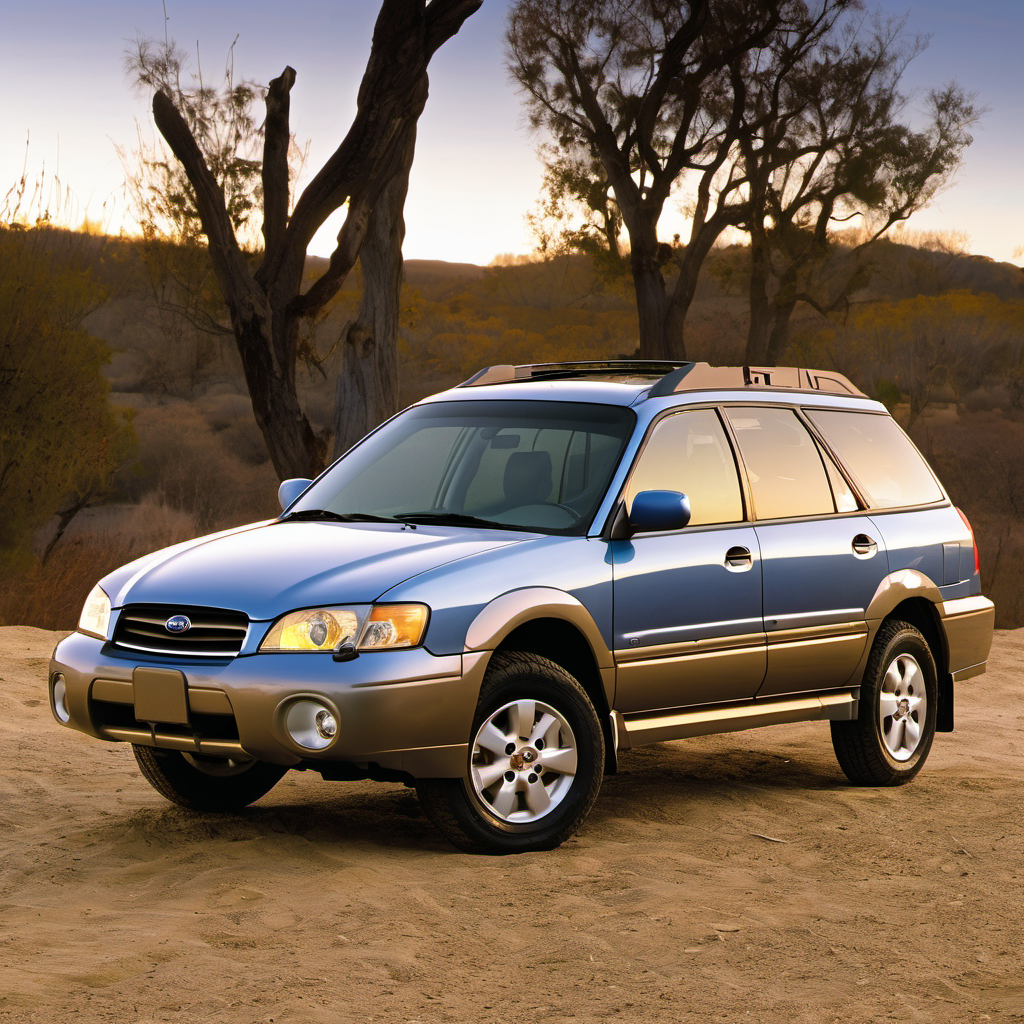
Practical all-weather wagon at a similar used price. AWD standard, much better for Wisconsin winters than this FWD A4, and significantly lower European-brand maintenance costs.
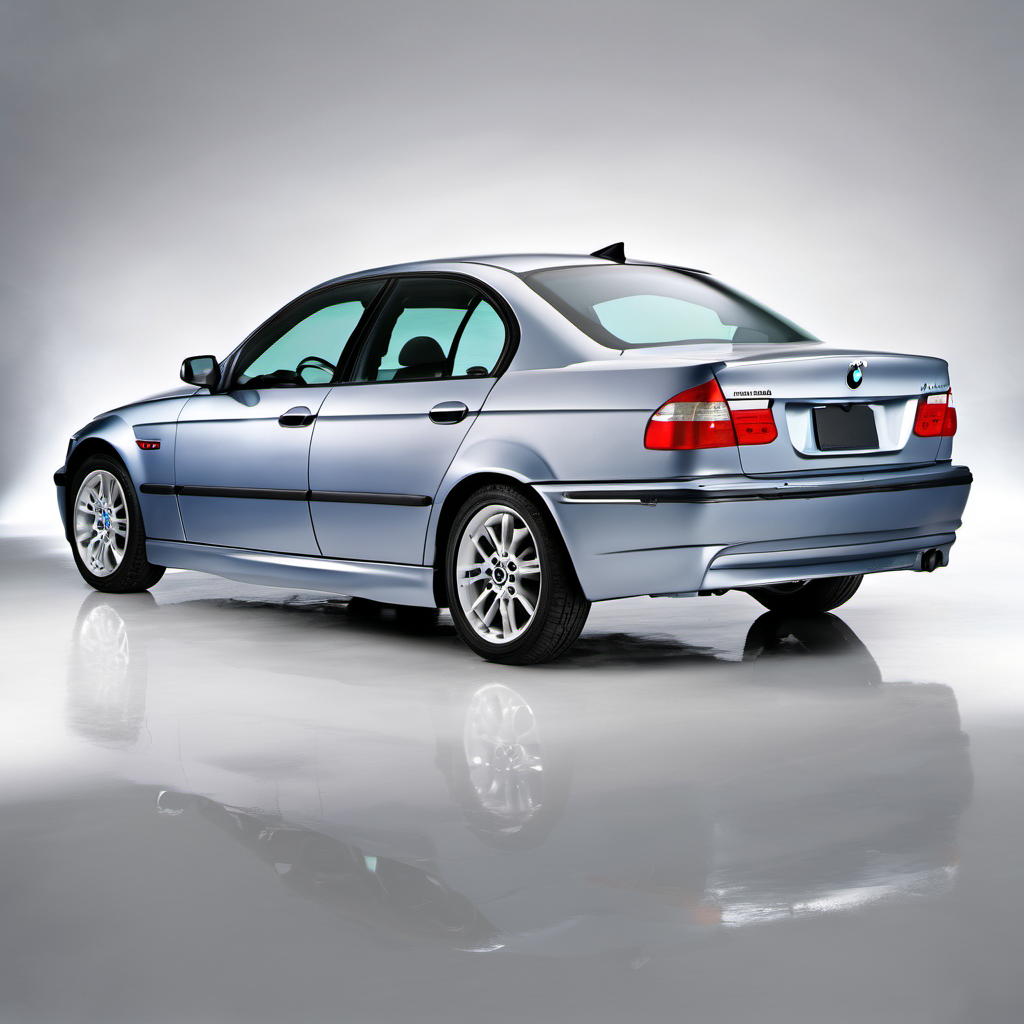
328i touring wagon offers comparable European sport-luxury character and era with RWD driving dynamics. Similar age-related ownership risks and European shop labor costs apply.