Turbocharger Oil Feed Line Clogging / Turbo Failure
high- Typically appears
- 80–150k mi
- Estimated repair
- $800 – $2,200
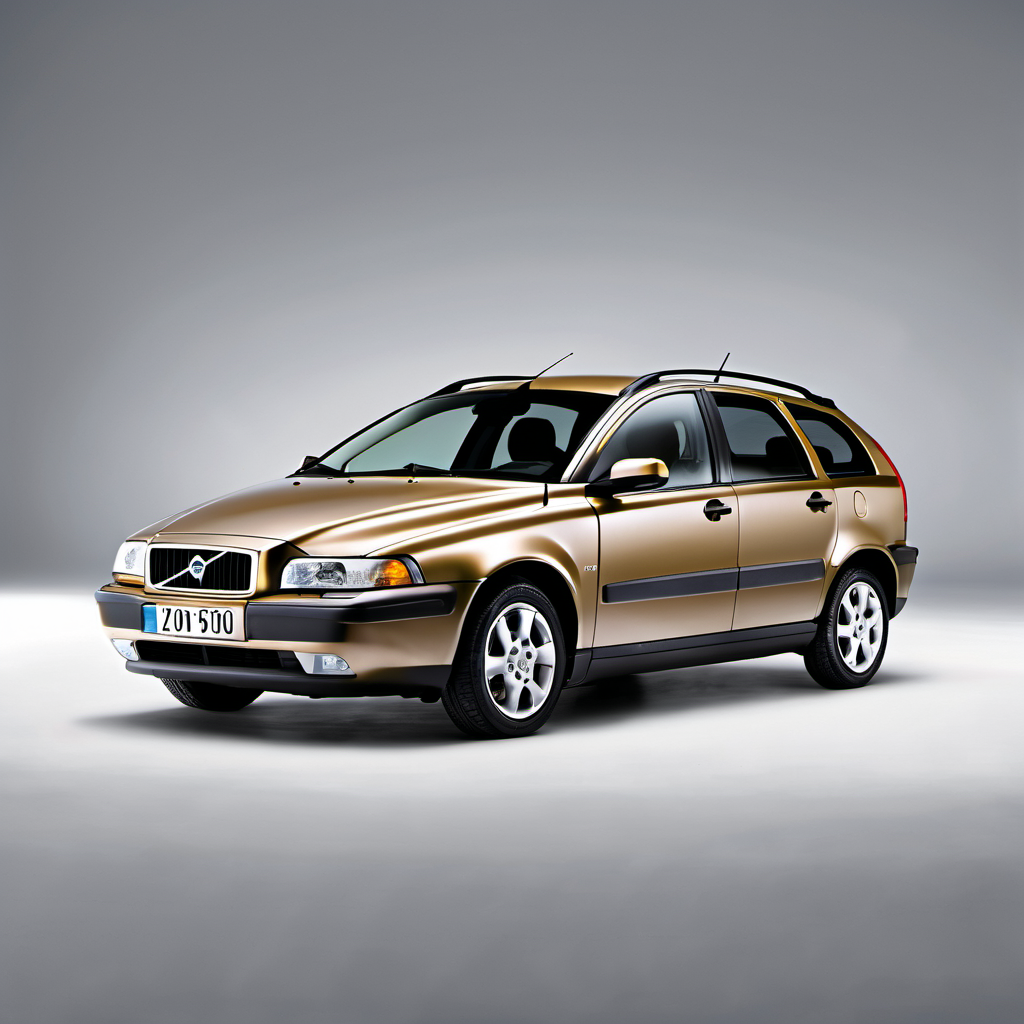
2000 Volvo
Wagon
The 2000 Volvo V40 is a compact European wagon built on a platform co-developed with Mitsubishi (the Carisma platform), sold in the U.S. for a relatively short window from 2000–2004. It offers genuine Volvo safety credentials — side airbags, SIPS body structure — in a sleek, small-footprint package powered by a turbocharged 1.9L four-cylinder. It was positioned as a premium alternative to the Jetta Wagon and Subaru Outback Sport crowd. These are aging Euro-market cars now, and parts availability is the elephant in the room. The V40 was never a volume seller in the U.S., which means independent mechanics with deep Volvo knowledge are worth their weight in gold. The turbo engine rewards premium fuel and consistent oil changes — skip either and problems compound quickly. A well-maintained V40 in this era can be a charming, capable small wagon, but ownership requires some patience and a willingness to source parts from specialty suppliers. It is not a casual beater purchase.
The 2000 Volvo V40 is a compact European wagon built on a platform co-developed with Mitsubishi (the Carisma platform), sold in the U.S. for a relatively short window from 2000–2004. It offers genuine Volvo safety credentials — side airbags, SIPS body structure — in a sleek, small-footprint package powered by a turbocharged 1.9L four-cylinder. It was positioned as a premium alternative to the Jetta Wagon and Subaru Outback Sport crowd. These are aging Euro-market cars now, and parts availability is the elephant in the room. The V40 was never a volume seller in the U.S., which means independent mechanics with deep Volvo knowledge are worth their weight in gold. The turbo engine rewards premium fuel and consistent oil changes — skip either and problems compound quickly. A well-maintained V40 in this era can be a charming, capable small wagon, but ownership requires some patience and a willingness to source parts from specialty suppliers. It is not a casual beater purchase.
The turbo's oil feed passages are narrow. Extended drain intervals accelerate coke buildup in the turbo oil lines, which is the leading cause of early turbo failure on this engine.
The thermostat housing and plastic cooling system components become brittle with age. Old coolant accelerates corrosion internally. A 25-year-old car needs fresh coolant regardless of mileage.
This engine is interference-type. A snapped timing belt means bent valves and likely engine replacement. On a car this age, do not skip or extend this interval.
Worn plugs on a turbocharged engine cause misfires and can stress the ignition coil and catalytic converter. Stick to the OEM plug specification.
A restricted fuel filter on a turbo engine causes lean conditions and can trigger fuel trim and O2 sensor codes.
Volvo specifies this interval. Moisture-saturated brake fluid lowers boiling point and accelerates ABS modulator corrosion — a known issue on aging V40s.
Wisconsin road salt is extremely aggressive on this car's unibody. Catch surface rust early — once it reaches structural areas, repair costs can exceed the car's value.
Cabin filters on European cars of this era are often forgotten. A clogged filter strains the blower motor and reduces heater/defroster effectiveness — critical for Wisconsin winters.
Always defer to the manufacturer's service manual for warranty-mandated intervals.
Routine maintenance on an independent-shop budget is manageable, but parts sourcing for a low-volume Euro import drives costs up when something breaks. A year with no surprises might run $800–$1,200 in maintenance. A year with a turbo, timing belt, or electrical repair can easily hit $2,500 or more. Buy only a car with documented history and a pre-purchase inspection — deferred maintenance on these is expensive to catch up on.
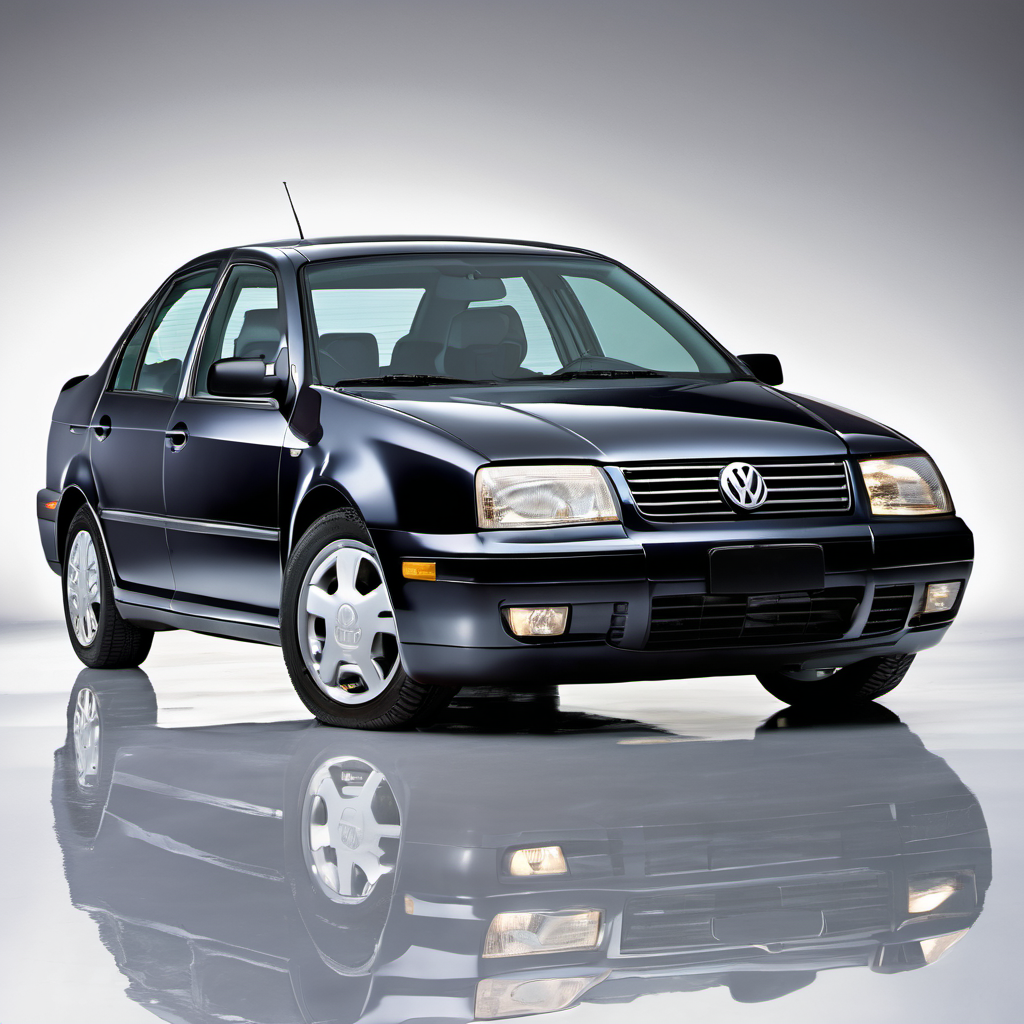
Same compact wagon segment and similar price point. Better parts availability in the U.S. and a larger enthusiast community, but its own share of electrical and cooling issues.
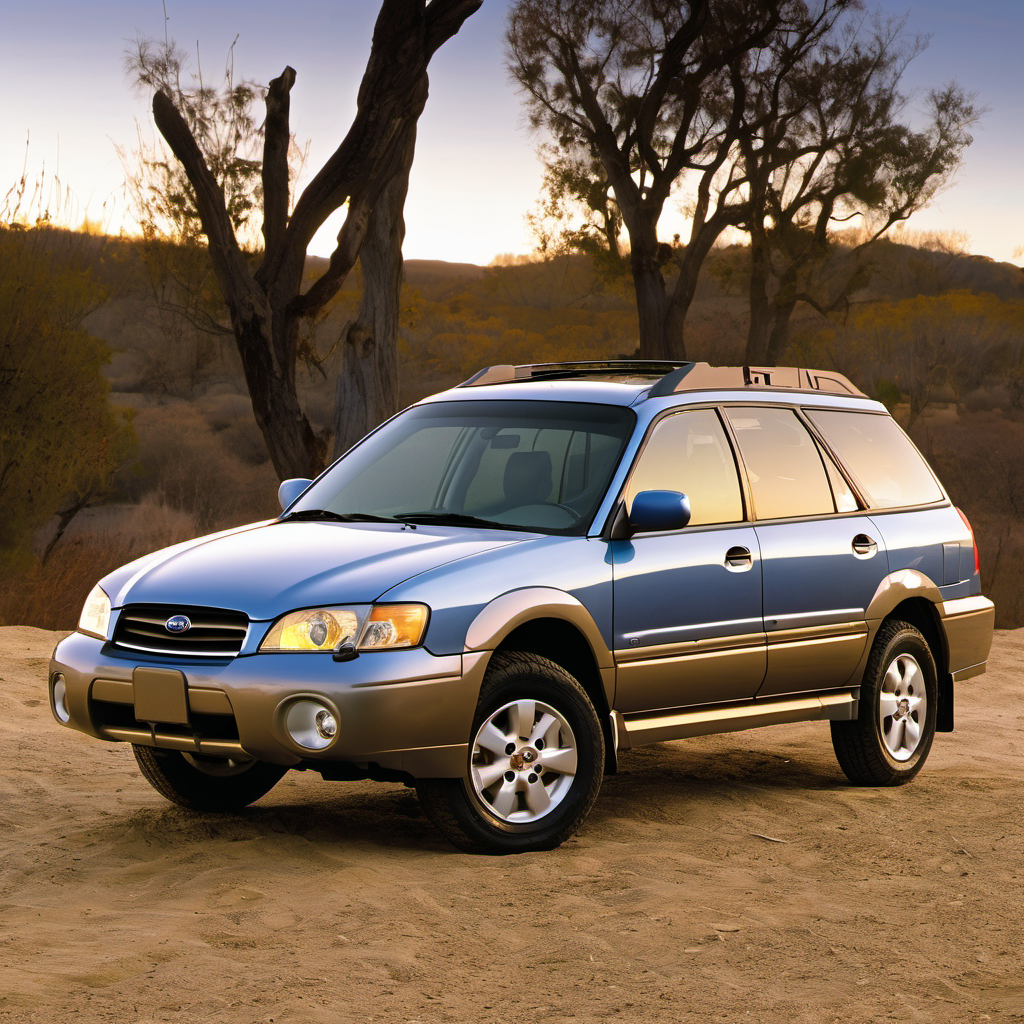
Compact wagon, similar footprint, but adds AWD. Better long-term parts support and a much larger U.S. owner base. Head gasket issues on 2.5L engines are well-documented.
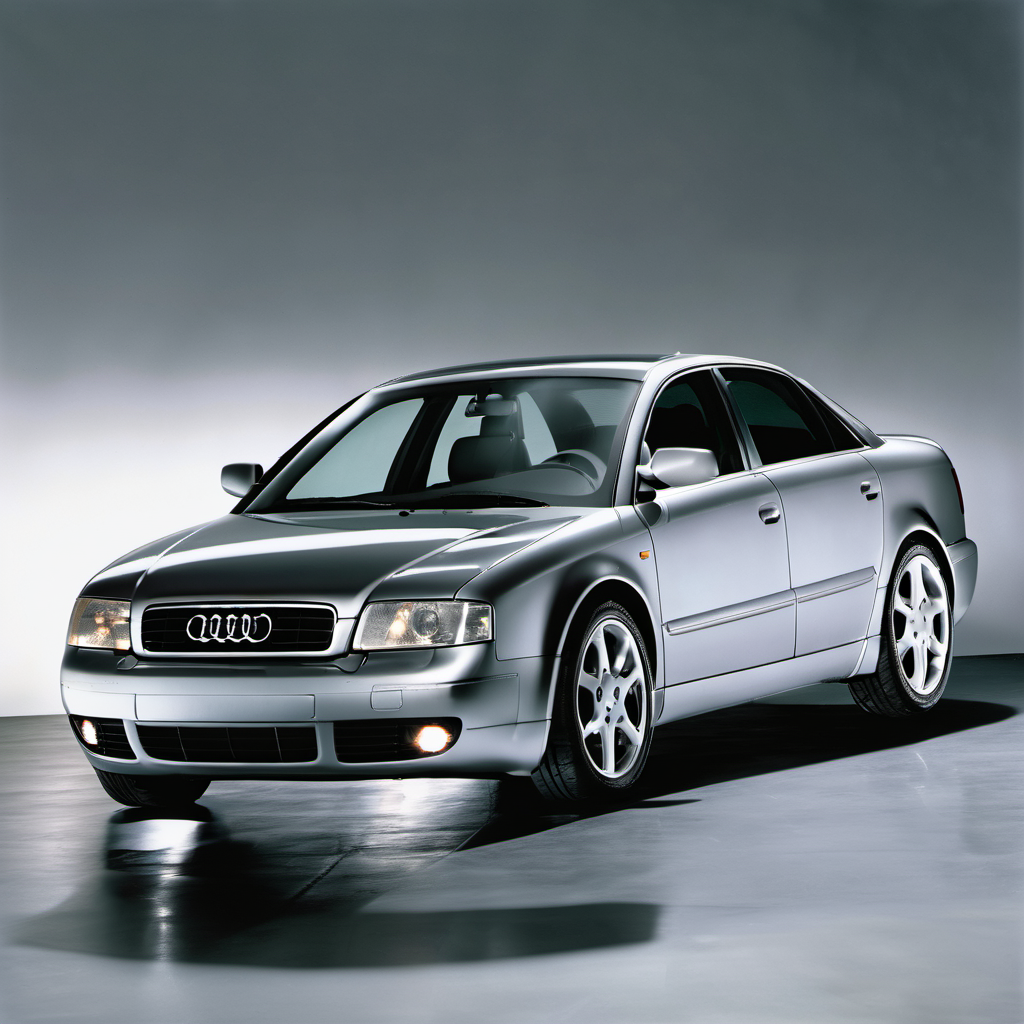
European compact wagon with similar premium positioning. More powertrain options including quattro AWD, but higher maintenance costs overall.
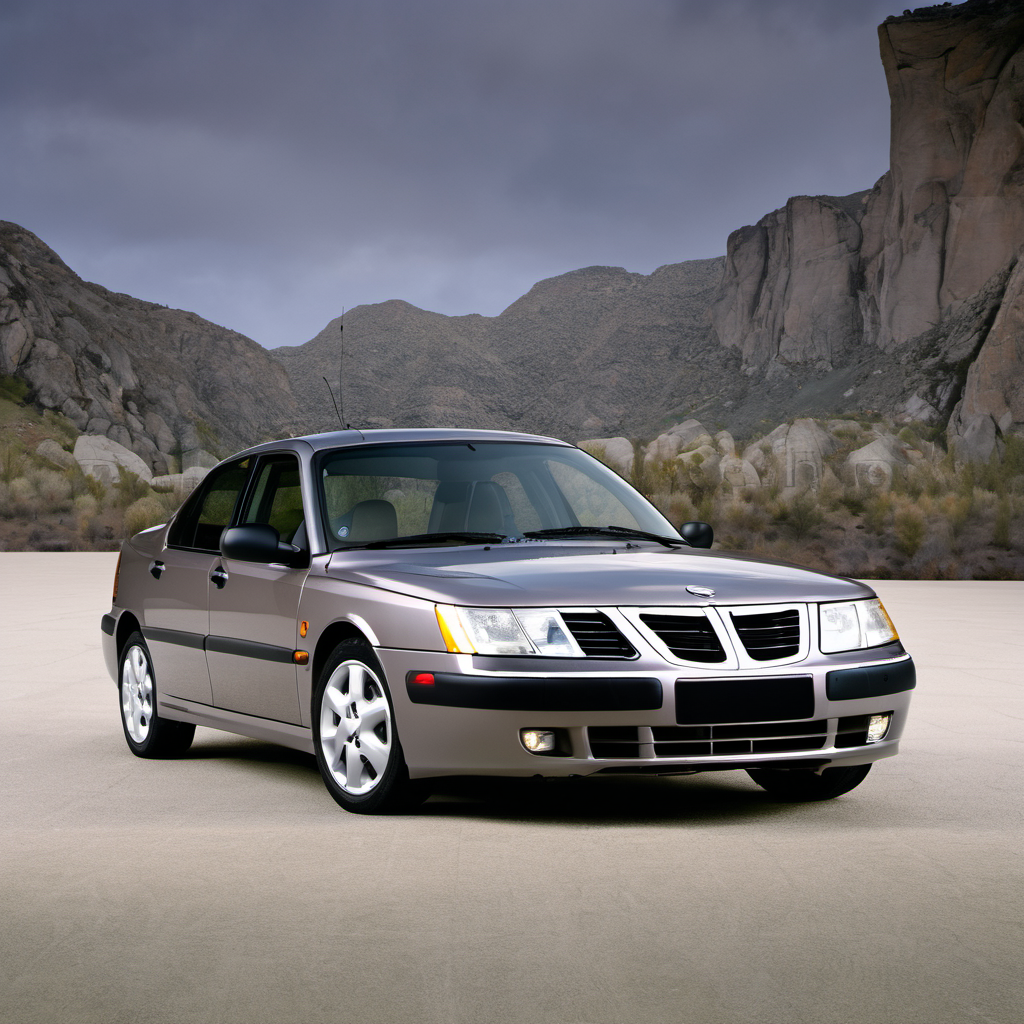
Turbocharged Swedish alternative in a similar premium compact segment. Shares some European ownership quirks and parts challenges but has a strong enthusiast following.