Engine oil sludge (1.8T)
high- Typically appears
- 60–150k mi
- Estimated repair
- $1,500 – $5,000
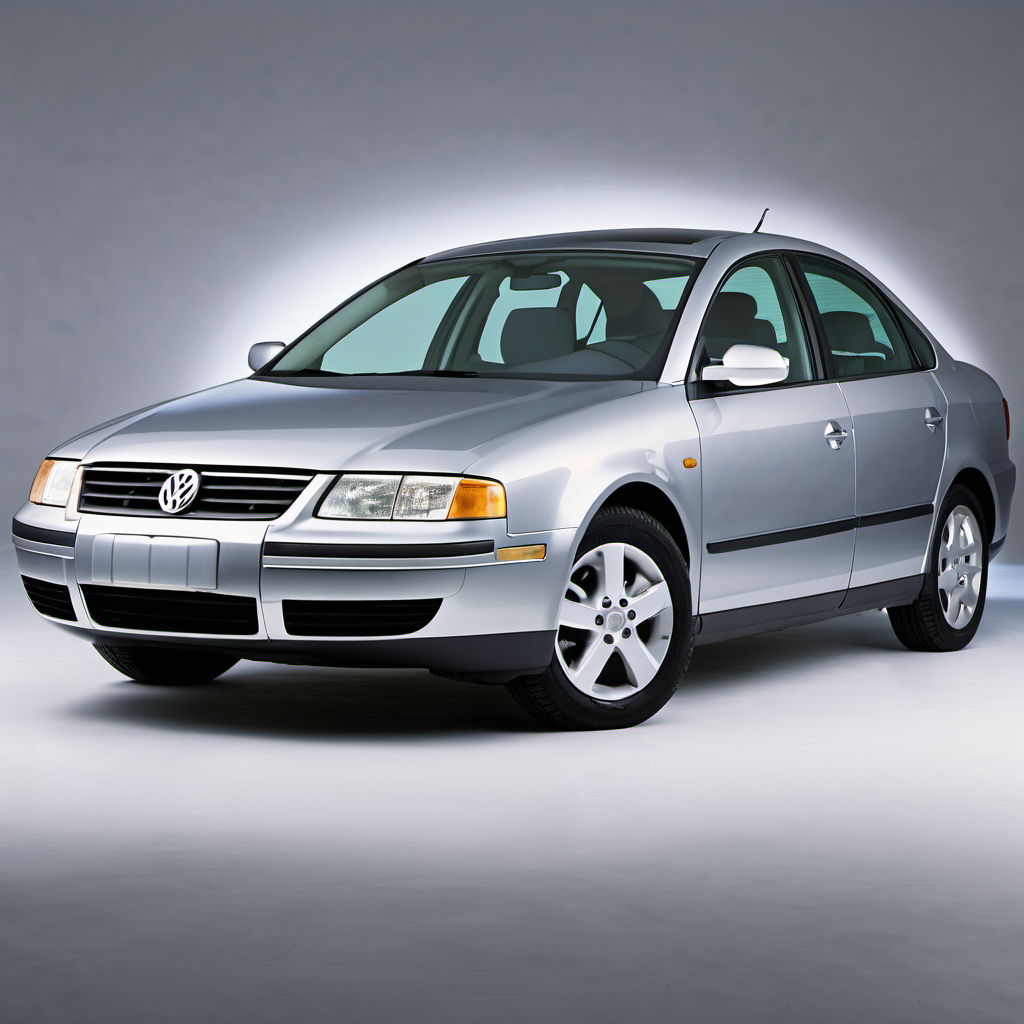
2000 Volkswagen
Wagon
The 2000 Volkswagen Passat Wagon is the B5-generation Passat in its most practical form — a European-styled family hauler with a turbocharged 1.8T engine, a composed ride, and a cabin that punched well above its class in fit and finish for its time. It offered wagon utility without the minivan stigma and attracted buyers who wanted something a step up from a typical domestic station wagon. The 1.8T engine was shared across the VW/Audi family and is genuinely capable, but it demands respect: premium fuel only, regular oil changes with the right oil specification, and attention to the cooling system. Neglect any of those and repair bills climb fast. This generation Passat is now 25 years old, and most examples have aged maintenance histories — which is the core risk of ownership. For a patient buyer who finds a well-documented, low-deferred-maintenance example, the Passat Wagon can still be a rewarding and practical daily driver. For everyone else, the cost of catching up on neglected items can easily exceed the car's market value.
The 2000 Volkswagen Passat Wagon is the B5-generation Passat in its most practical form — a European-styled family hauler with a turbocharged 1.8T engine, a composed ride, and a cabin that punched well above its class in fit and finish for its time. It offered wagon utility without the minivan stigma and attracted buyers who wanted something a step up from a typical domestic station wagon. The 1.8T engine was shared across the VW/Audi family and is genuinely capable, but it demands respect: premium fuel only, regular oil changes with the right oil specification, and attention to the cooling system. Neglect any of those and repair bills climb fast. This generation Passat is now 25 years old, and most examples have aged maintenance histories — which is the core risk of ownership. For a patient buyer who finds a well-documented, low-deferred-maintenance example, the Passat Wagon can still be a rewarding and practical daily driver. For everyone else, the cost of catching up on neglected items can easily exceed the car's market value.
The 1.8T engine's sludge problem is directly tied to long oil change intervals and wrong-spec oil. Use VW 502.00-spec full synthetic. This is the single most important maintenance item on this car.
The 1.8T is an interference engine — a broken timing belt destroys it. The water pump and thermostat housing should be done at the same time since labor overlaps heavily. On a 25-year-old car, verify when this was last done before purchase.
VW G12/G13 coolant is required — do not mix types. All hoses and the plastic expansion tank become brittle with age and are overdue for inspection or replacement on any high-mileage example.
Worn plugs compound coil pack stress and cause misfires. Use OEM-specification plugs only — the 1.8T is sensitive to plug type.
DOT 4 fluid is hygroscopic and absorbs moisture over time, lowering boiling point and promoting brake line corrosion — especially critical in a salt environment.
Wisconsin salt destroys brake lines and subframe mounting points. Catching rust early is dramatically cheaper than replacing failed components. Look specifically at rear subframe mounting areas and hard brake lines.
Clean filters protect the MAF sensor and turbocharger. The cabin filter is often forgotten on older VWs and becomes a mold and odor source in humid Wisconsin summers.
A marginal battery that starts the car fine in September may fail completely at -10°F. The 1.8T's cold-start enrichment and turbo oil supply depend on strong cranking — don't get caught short in a Wisconsin winter.
Always defer to the manufacturer's service manual for warranty-mandated intervals.
This is not a cheap car to own despite its low purchase price. Parts are VW-specific and more expensive than domestic equivalents, and labor requires technicians familiar with the platform. A healthy example with no deferred maintenance might see $900–$1,400/yr in routine upkeep. An example that needs to catch up on timing belt, cooling system, and suspension work could easily hit $3,000–$5,000 in year one. Always get a pre-purchase inspection at a shop familiar with European vehicles before buying.
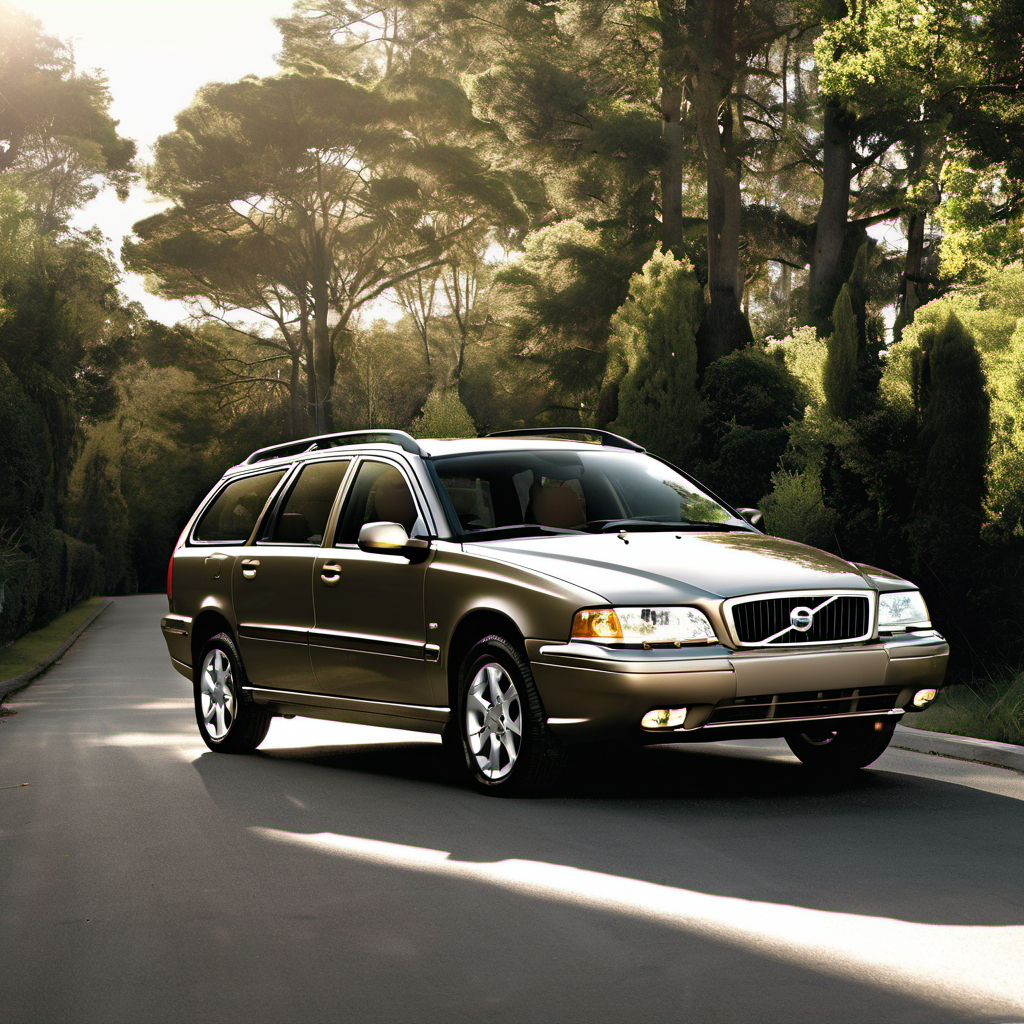
Same era, same mission — European wagon with a premium interior and a turbocharged engine. Similar ownership cost and similar expectation that deferred maintenance will be expensive. Arguably better long-term rust resistance.
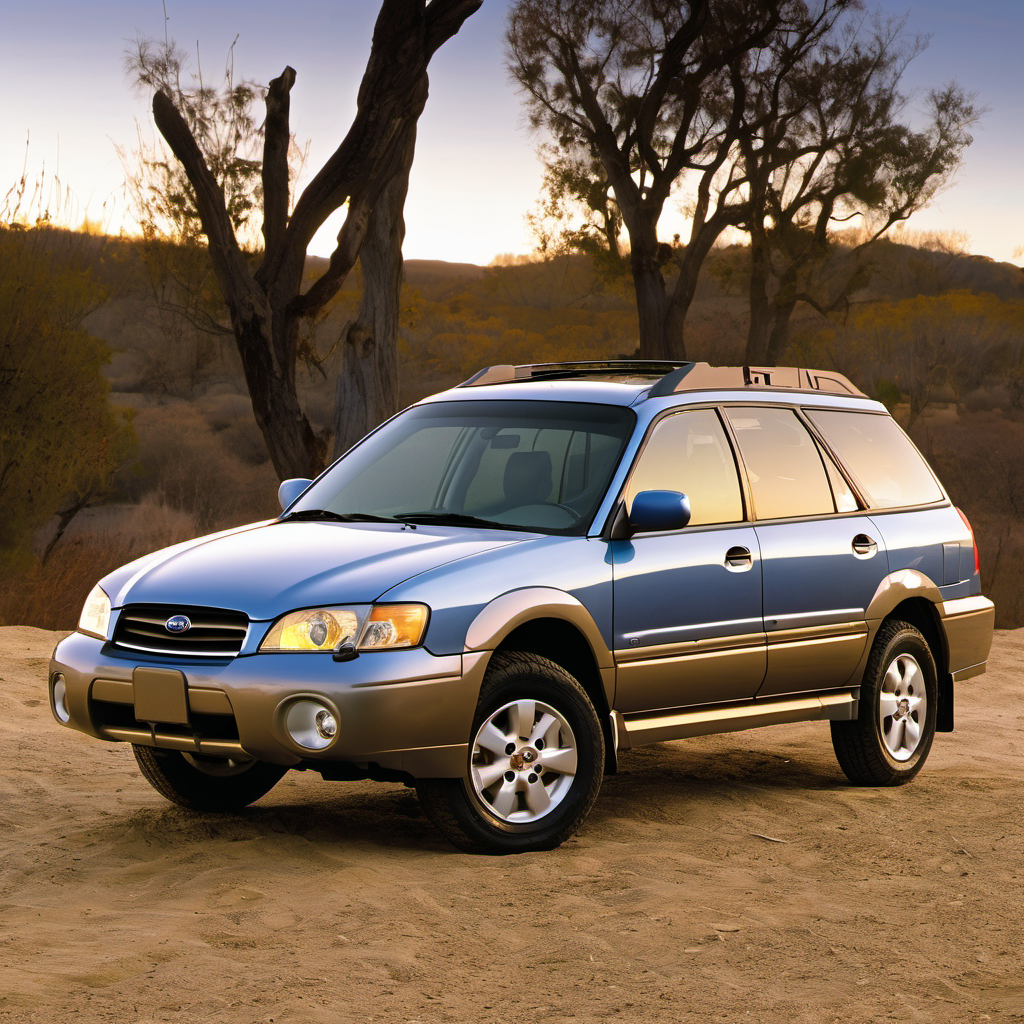
Practical wagon with AWD for Wisconsin winters, more reliable powertrain reputation, lower parts cost, and a larger dealer/independent service network. Lower ceiling on the driving experience but much lower floor on ownership risk.
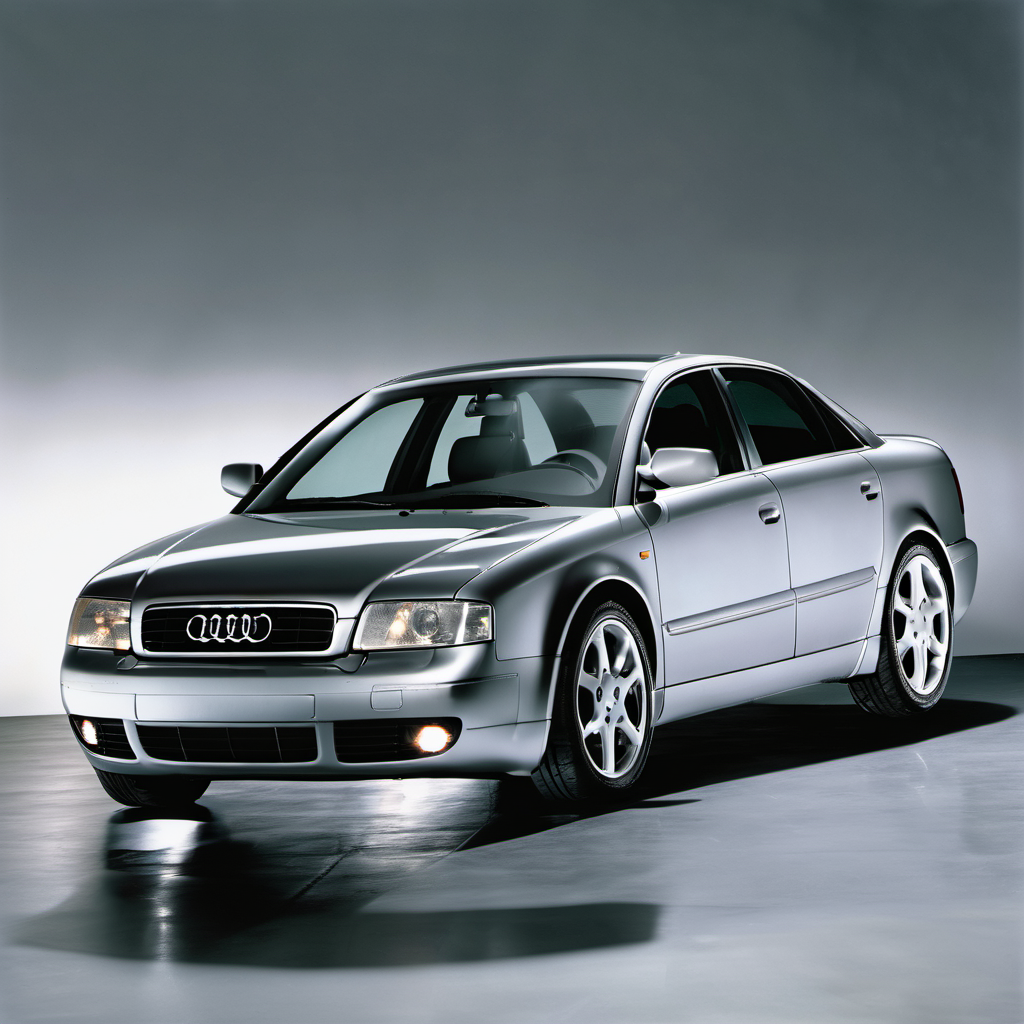
Essentially the same B5 platform with the same 1.8T engine, but with Quattro AWD available. Shares all the Passat's strengths and weaknesses — useful if AWD is a priority, but parts cost is higher.
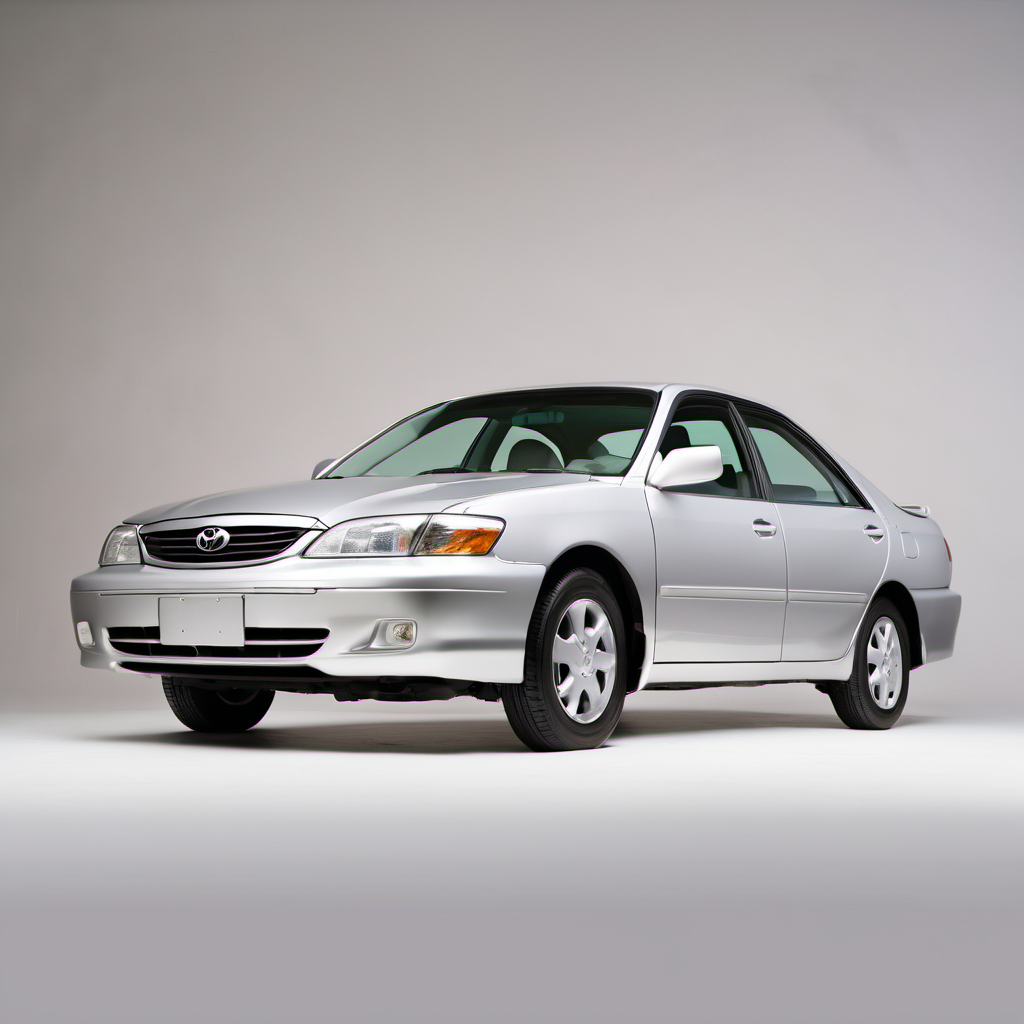
Sedan rather than wagon, but represents the conservative alternative in the same price range — far lower ownership cost, much easier to find service, and a significantly better long-term reliability track record.