Cooling System Failure (radiator, expansion tank, hoses, thermostat)
high- Typically appears
- 80–150k mi
- Estimated repair
- $400 – $900
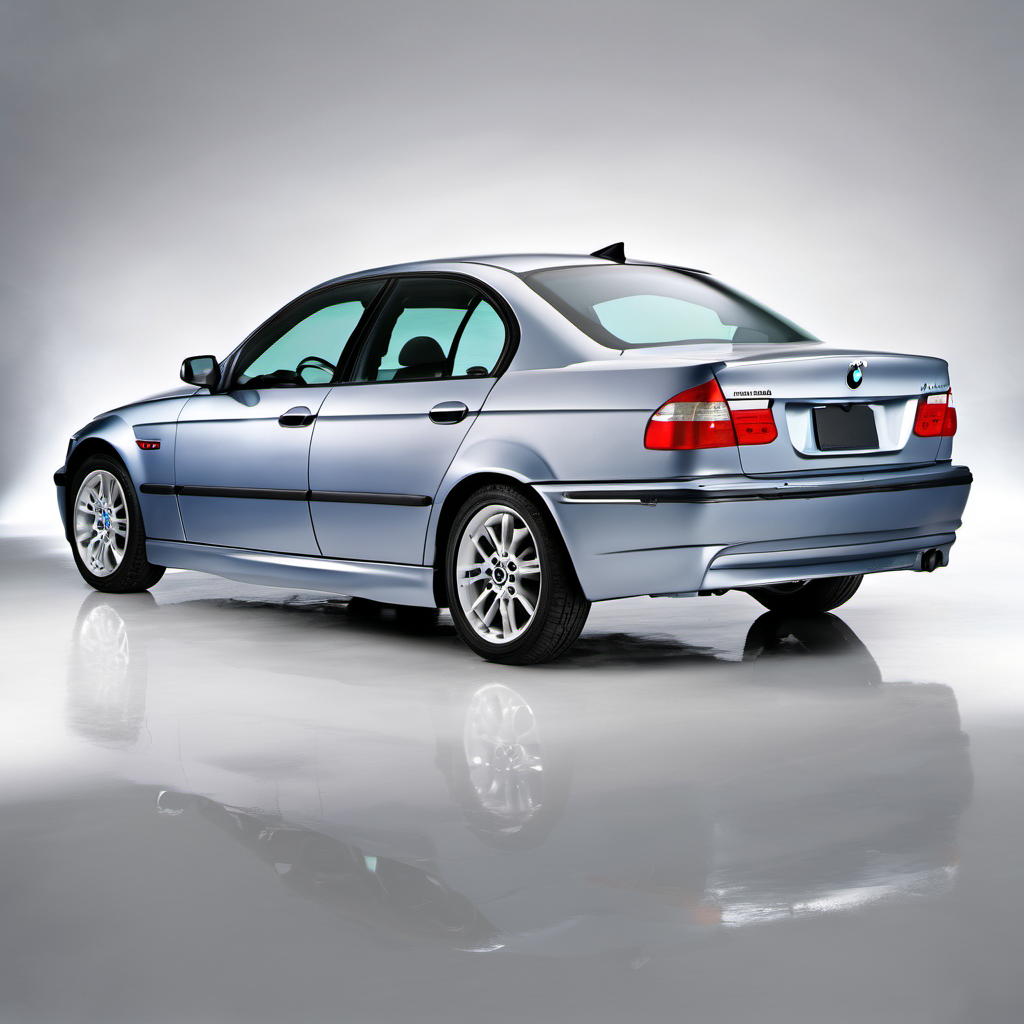
2000 BMW
Sedan
The 2000 BMW 3 Series (E46 generation) is widely regarded as one of BMW's finest sporting sedans. Launched in 1999 for the US market, the E46 refined the formula of its predecessor with a stiffer body, more interior space, and a smoother inline-six engine. The 323i (2.5L) slots between the 318i and the 328i in the lineup and delivers a balanced blend of fuel economy and performance that made it the volume seller of the range. Behind the wheel the E46 remains a benchmark for driver engagement in its class. The steering is direct, the chassis balanced, and the inline-six smooth enough to use every day without fatigue. At 25 years old these cars are now firmly in DIY and enthusiast territory — parts are widely available, the community is large, and a well-maintained example can still cover long miles. The catch is that 'well-maintained' is doing a lot of heavy lifting. The E46 has several well-documented failure points that ignored maintenance turns into expensive repairs fast. Buyers and owners who stay ahead of the cooling system, rubber bushings, and oil leaks will be rewarded; those who don't will find repair bills that can exceed the car's market value.
The 2000 BMW 3 Series (E46 generation) is widely regarded as one of BMW's finest sporting sedans. Launched in 1999 for the US market, the E46 refined the formula of its predecessor with a stiffer body, more interior space, and a smoother inline-six engine. The 323i (2.5L) slots between the 318i and the 328i in the lineup and delivers a balanced blend of fuel economy and performance that made it the volume seller of the range. Behind the wheel the E46 remains a benchmark for driver engagement in its class. The steering is direct, the chassis balanced, and the inline-six smooth enough to use every day without fatigue. At 25 years old these cars are now firmly in DIY and enthusiast territory — parts are widely available, the community is large, and a well-maintained example can still cover long miles. The catch is that 'well-maintained' is doing a lot of heavy lifting. The E46 has several well-documented failure points that ignored maintenance turns into expensive repairs fast. Buyers and owners who stay ahead of the cooling system, rubber bushings, and oil leaks will be rewarded; those who don't will find repair bills that can exceed the car's market value.
Every plastic cooling component on the E46 is now 25 years old. The expansion tank and radiator end caps crack without warning. A full preventive refresh is far cheaper than an overheating-induced head gasket failure.
Fresh oil protects VANOS seals and hydraulic components. Sludge from extended intervals is the #1 cause of premature VANOS and cam wear on the M52/M54.
The VANOS variable valve timing unit uses rubber seals that harden with age. Worn seals cause retarded timing, rough idle, and loss of low-end torque. Seal kits are inexpensive; labor at an independent BMW specialist is modest.
Oil leaks are universal on aged E46s. Addressing them early prevents oil contamination of belts, hoses, and the starter motor below.
The E46's rear subframe mounting pockets in the unibody are prone to cracking — especially on cars driven hard or on rough Wisconsin roads. Catching it early allows welded repair; ignored, it becomes a major structural job.
Individual coil-on-plug ignition coils fail with age and cause misfires. Replacing plugs on schedule and testing coils proactively avoids rough-running and catalytic converter damage.
BMW specifies a 2-year brake fluid interval for good reason — DOT 4 fluid absorbs moisture, lowering boiling point. Wisconsin winter moisture accelerates this. Fresh fluid protects ABS components and pedal feel.
Aged gear oil thickens in sub-zero temperatures, stressing seals and bearings on cold starts. Fresh fluid is especially important before a Wisconsin winter.
Always defer to the manufacturer's service manual for warranty-mandated intervals.
A well-maintained E46 323i is not expensive to run by European car standards — parts are abundant and independent BMW shops charge far less than dealers. The risk is deferred maintenance: cooling system overhauls, VANOS service, and subframe repairs can stack quickly if a previous owner skipped them. Budget $1,000–$1,500 in catch-up work when buying any high-mileage example. Ongoing annual costs land in the $900–$2,200 range for a car that's already up to date.
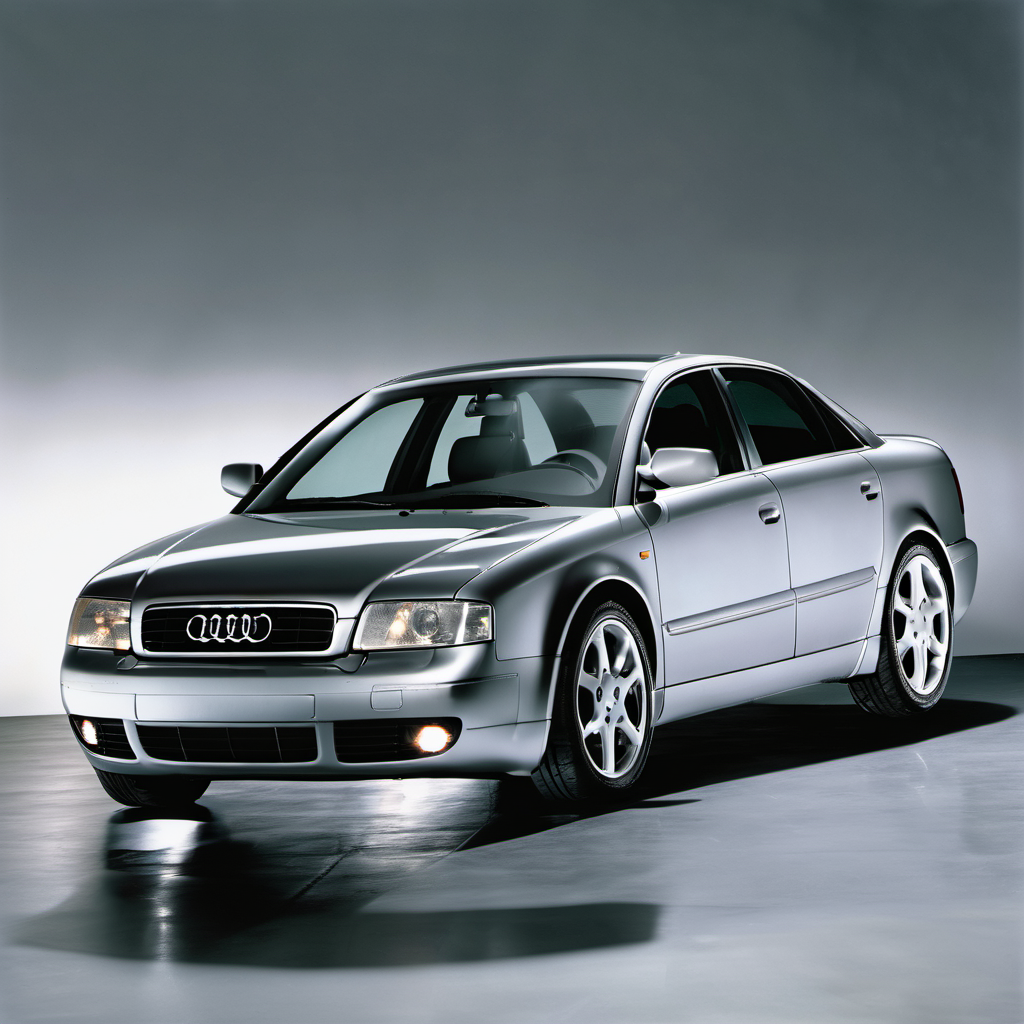
Same-era European sports sedan, available with Quattro AWD (a real winter advantage over the BMW's RWD), similar price point, and comparable driving refinement. Maintenance costs are in the same range.
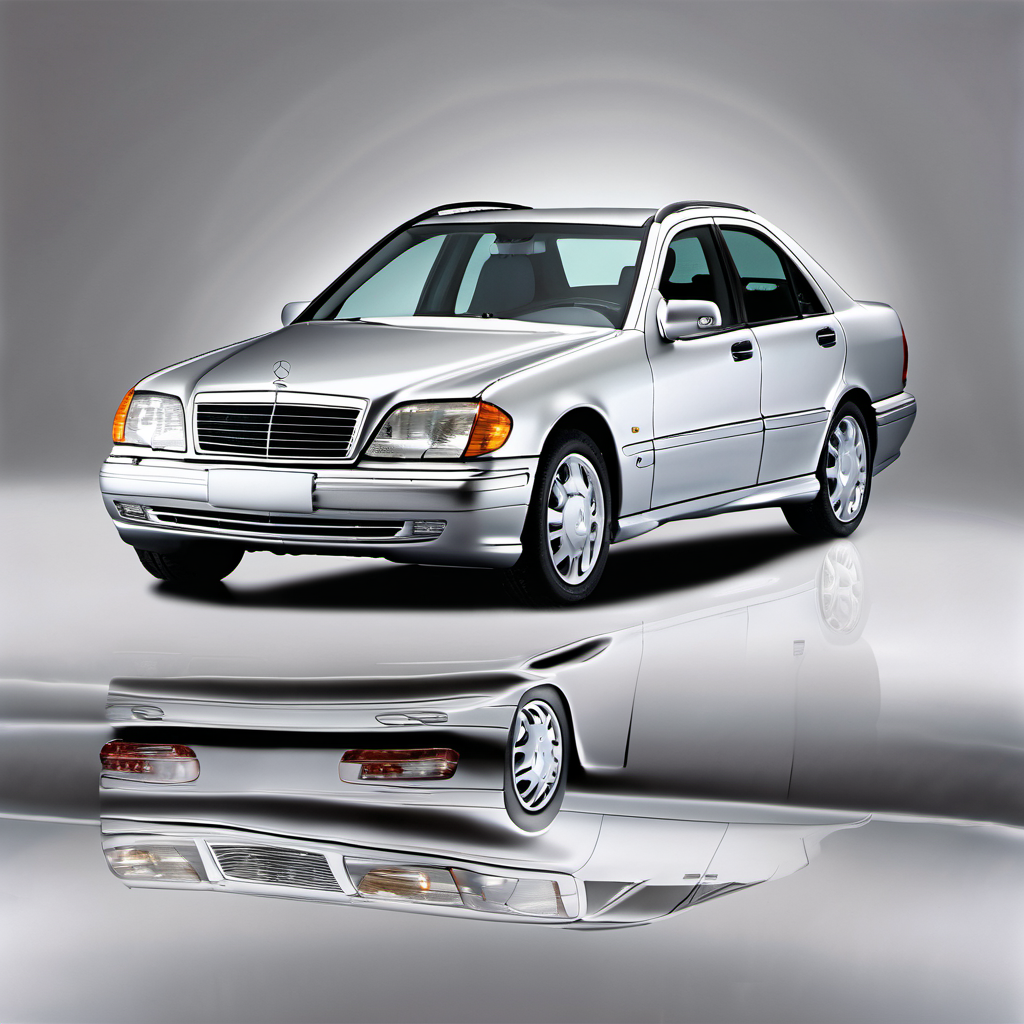
Direct segment competitor. The W202/W203 C-Class offers comparable luxury and performance. Generally considered slightly less driver-focused than the E46 but with a strong reliability track record when maintained.
RWD inline-six sports sedan at a similar price. Significantly lower long-term maintenance costs and stronger reliability, but less driver engagement and a smaller enthusiast parts ecosystem than the E46.
No catalog matchEuropean alternative with available AWD suited to Wisconsin winters. Trades the BMW's driving dynamics for greater practicality and standard safety features. Similar independent-shop maintenance cost profile.
No catalog match