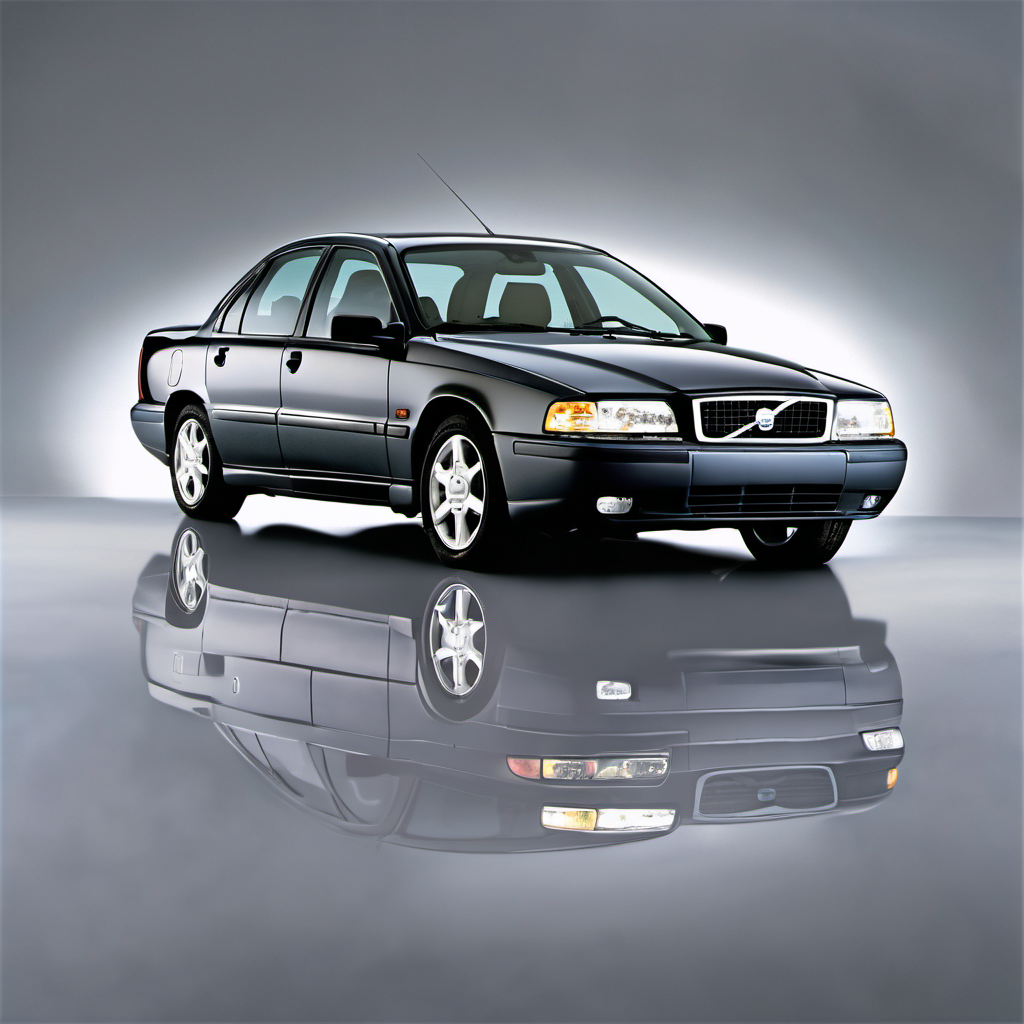
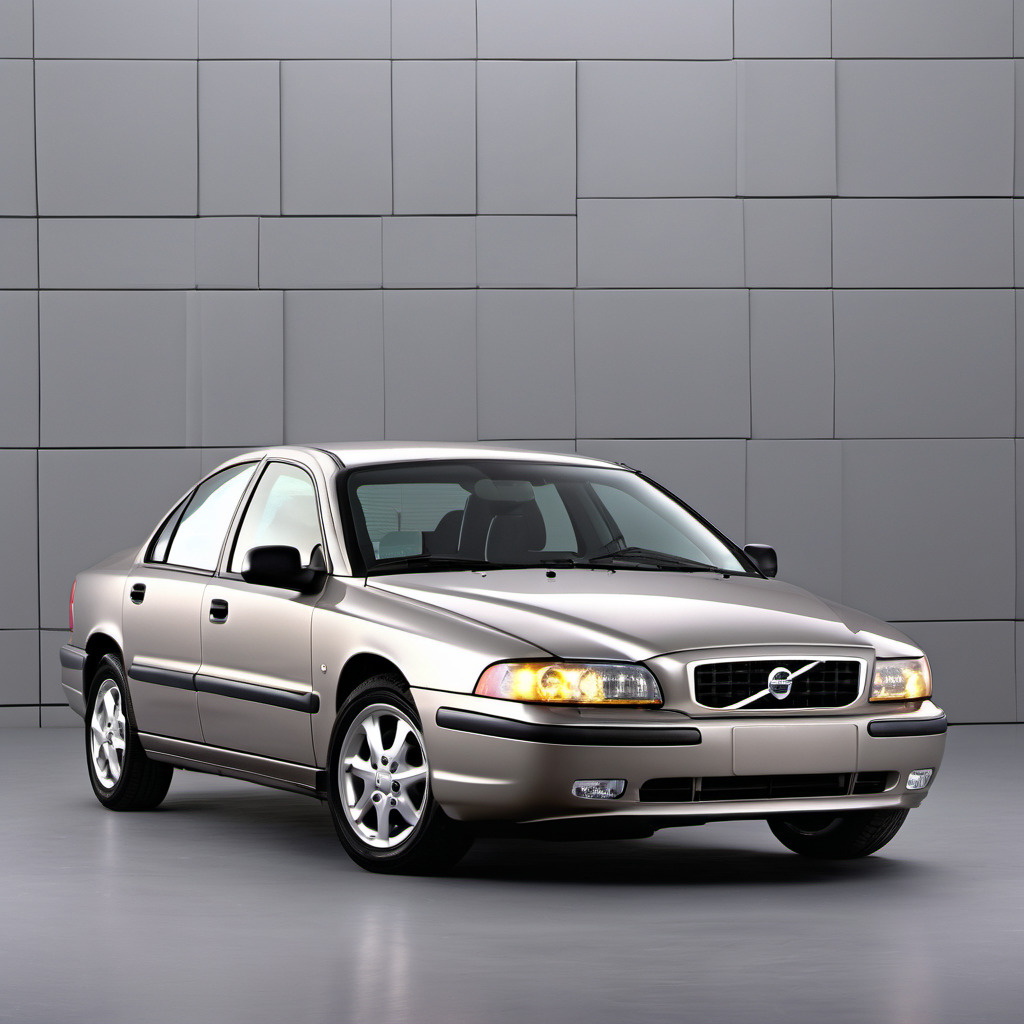
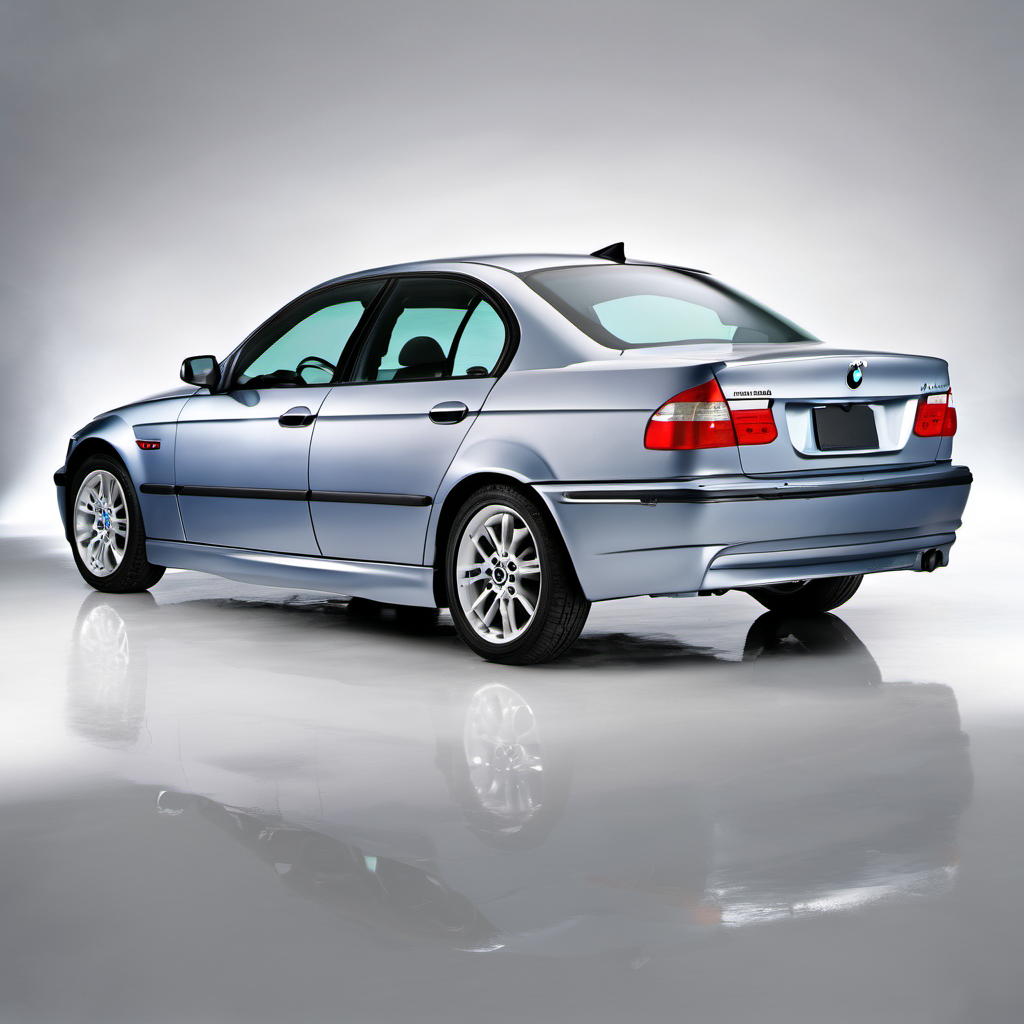
2000 Volvo S70 Sedan

2000 Volvo

S70Sedan

Sedan

The 2000 Volvo S70 is a front-wheel-drive mid-size European sedan built on Volvo's long-running 850/S70 platform. It was Volvo's mainstream entry in the late-'90s/early-2000s market, offering a turbocharged 5-cylinder engine in a practical, safety-focused package. By 2000, the S70 was in its final model year — Volvo replaced it with the S60 for 2001 — so parts availability has tightened over the years, and finding a Volvo-specialist shop matters more than ever. The turbo inline-5 gives the S70 a distinctive character: smooth and torquey at low RPM, with a noticeable boost surge once the turbo spools. Owners who maintain oil changes religiously and use the correct premium fuel are rewarded with a willing, comfortable long-distance car. Neglect the maintenance schedule and the turbo and engine internals pay the price quickly. At 24 years old, any surviving S70 is firmly in the "enthusiast or budget European" category. Rust from Wisconsin road salt, deferred maintenance, and age-hardened rubber are the primary concerns. Budget accordingly and have a pre-purchase inspection done by a Volvo-familiar shop before buying.

Reliability
2/5
Verified data
Specs shown for S70 — the most common configuration. Other trims may vary in engine, drivetrain, or fuel economy. Sign in to see your vehicle's exact specs.
Engine
[object Object]
Drivetrain
FWD
Fuel
Premium gasoline
MPG
17 city / 25 hwy / 20 combined
Seats
Doors
Body
Midsize Cars

Overview

AI-curated

The 2000 Volvo S70 is a front-wheel-drive mid-size European sedan built on Volvo's long-running 850/S70 platform. It was Volvo's mainstream entry in the late-'90s/early-2000s market, offering a turbocharged 5-cylinder engine in a practical, safety-focused package. By 2000, the S70 was in its final model year — Volvo replaced it with the S60 for 2001 — so parts availability has tightened over the years, and finding a Volvo-specialist shop matters more than ever. The turbo inline-5 gives the S70 a distinctive character: smooth and torquey at low RPM, with a noticeable boost surge once the turbo spools. Owners who maintain oil changes religiously and use the correct premium fuel are rewarded with a willing, comfortable long-distance car. Neglect the maintenance schedule and the turbo and engine internals pay the price quickly. At 24 years old, any surviving S70 is firmly in the "enthusiast or budget European" category. Rust from Wisconsin road salt, deferred maintenance, and age-hardened rubber are the primary concerns. Budget accordingly and have a pre-purchase inspection done by a Volvo-familiar shop before buying.

Known for
  • Strong passive safety and rigid body structure
  • Torquey turbocharged 5-cylinder engine with good low-end pull
  • Comfortable highway cruiser with a European ride quality
  • Complex European electrical systems that age poorly
  • Volvo's reputation for longevity — when properly maintained
Best for
  • Volvo enthusiasts comfortable with older European car ownership
  • Drivers wanting a safe, comfortable used sedan on a modest budget
  • Owners with access to an independent Volvo specialist
  • Highway commuters who want a solid, quiet ride
Watch for
  • Deferred maintenance on turbo and cooling system — very costly to fix
  • Rust on subframes, floor pans, and strut towers from road salt
  • Age-cracked vacuum hoses and rubber boost lines causing boost leaks
  • Electrical gremlins from aging wiring harnesses and connectors
  • Increasingly scarce OEM and quality aftermarket parts

Common issues by mileage

6 known

Turbocharger Oil Seal Failure / Turbo Wear

high
Typically appears
100k+ mi
Estimated repair
$800 – $2,200

Boost Pipe / Vacuum Hose Cracking and Boost Leaks

high
Typically appears
80k+ mi
Estimated repair
$150 – $500

Oxygen Sensor and Heater Circuit Failure

high
Typically appears
80k–150k mi
Estimated repair
$200 – $500

Coolant System Leaks (Hoses, Expansion Tank, Thermostat Housing)

high
Typically appears
80k+ mi
Estimated repair
$250 – $900

Electrical Connector Corrosion and Wiring Harness Faults

medium
Typically appears
Any mileage on aging examples
Estimated repair
$150 – $1,200

Front Suspension Wear (Sway Bar Links, Control Arm Bushings, Ball Joints)

high
Typically appears
80k–150k mi
Estimated repair
$300 – $900

Maintenance schedule

  1. 1
    Every 5,000 miles or annually — do not stretch intervals on a turbocharged engine Engine oil and filter change using the correct viscosity (Volvo specified 5W-30 full synthetic)

    Turbo bearings are oil-cooled and lubricated. Old or low oil destroys turbo internals fast. This is the single most important maintenance item on the S70.

  2. 2
    Every 3 years or 45,000 miles Coolant flush and inspection of expansion tank, hoses, and thermostat housing

    Plastic expansion tanks and thermostat housings crack with age. A coolant failure on a turbocharged engine can escalate to head gasket damage quickly.

  3. 3
    Every 70,000 miles or 7 years, whichever comes first Timing belt and tensioner replacement (interference engine — critical)

    The 2.3L I5 is an interference engine. A broken timing belt destroys the engine with no warning. Verify the last replacement date and mileage before purchase.

  4. 4
    Every 30,000 miles Spark plug replacement (use OEM-equivalent plugs only)

    The turbocharged 5-cylinder is sensitive to plug condition. Worn plugs increase misfire risk under boost and can cause catalytic converter damage.

  5. 5
    Inspect every 2 years; replace any cracked or soft sections immediately Inspect and replace vacuum hoses and boost pipes

    At this age, every rubber boost pipe and vacuum line is a failure candidate. Boost leaks cause running problems and can send fault codes for turbo and O2 circuits.

  6. 6
    Every 2 years regardless of mileage Brake fluid flush

    Brake fluid absorbs moisture over time, lowering boiling point. Critical for a vehicle this age, especially heading into winter braking demands.

  7. 7
    Annually — every fall before winter salt season Inspect undercarriage, subframe, and strut towers for rust

    Lake Geneva road salt is brutal on this platform. Strut tower corrosion is a structural and safety issue. Catch it early with rust-inhibiting treatment.

  8. 8
    Every fall before winter Battery load test

    Volvo's electronics are sensitive to low voltage. A weak battery causes hard starts and electrical gremlins in sub-zero weather common to the Lake Geneva area.

Always defer to the manufacturer's service manual for warranty-mandated intervals.

Cost of ownership

Annual maintenance
$900 – $2,500
Fuel
Premium fuel is recommended for the turbocharged engine. At 20 MPG combined and ~15,000 miles/year, expect $2,100–$2,700/year depending on current premium prices.
Insurance
Typically low for a 24-year-old sedan — expect $700–$1,200/year for full coverage depending on driver profile and usage.

The S70 looks affordable to buy, but ongoing costs are the story. Routine maintenance is moderate, but a 24-year-old European turbo car almost always has deferred work that surfaces quickly. Budget a $1,000–$2,000 'first-year catch-up' fund on top of normal maintenance for hoses, belts, sensors, and suspension components. Parts can be sourced from IPD and other Volvo specialists, but labor at a Volvo-familiar shop is the real cost driver. This is not an inexpensive car to keep right.
Seasonal care

Lake Geneva, WI
Winter
  • Load-test the battery every fall — sub-zero Lake Geneva temperatures expose weak batteries fast, and Volvo's electronics misbehave badly on low voltage
  • Flush and refill the cooling system with fresh 50/50 coolant to ensure freeze protection below -34°F
  • Switch to full-synthetic 5W-30 if not already using it — cold-start oil flow is critical for the turbo bearings
  • Fill the washer fluid reservoir with a rated -20°F or lower concentrate; the standard reservoir cap seal can shrink in extreme cold and cause leaks
  • Inspect the undercarriage and apply rust inhibitor to bare metal before first salt exposure — especially subframe mounting points and floor seams
  • Use dedicated winter tires on a separate set of steel wheels; the S70's FWD helps in snow but all-season tires are a real limitation in deep Wisconsin winters
Summer
  • Inspect the cooling system before summer heat — the turbocharged engine runs hot and a marginal thermostat or low coolant level becomes a problem quickly in 90°F weather
  • Check tire pressure monthly; heat causes pressure to rise and over-inflated tires on a car this age can mask worn suspension components
  • Test the A/C system early in the season — R-134a refrigerant charge drops over the years and the cabin blower motor resistor is a common failure on this platform
  • Inspect the serpentine and accessory belts for cracking; summer heat accelerates rubber degradation on a vehicle this age
  • Watch for heat-soak stalling or rough idle after hot shutdown — classic sign of a failing fuel pressure regulator or cracked boost hose that expands under heat

Comparable vehicles

If you're shopping for one

Red flags
  • No timing belt service records — walk away or negotiate a large discount and do it immediately
  • Any rust perforation on the floor, subframe, or strut towers — structural safety concern, not a cosmetic issue
  • Milky or foamy oil or coolant — head gasket failure on a car this age is often not worth repairing
  • Smoke from the turbo at idle or under load — turbo is failing, $800–$2,200 repair
  • Check engine light with boost/O2/camshaft codes present — may indicate ignored deferred maintenance or turbo system issues
  • Evidence of coolant top-offs without a flush (rusty or low reservoir) — cooling system likely neglected
What to inspect
  • Timing belt replacement records — if unknown, budget for immediate replacement before driving the car
  • Undercarriage rust: lift the car and check subframe mounting points, floor pans, and strut towers for perforation or severe scaling
  • Coolant condition and expansion tank for cracks or milky contamination (head gasket warning sign)
  • All rubber boost pipes and vacuum lines — squeeze them; any cracking or softness means replacement
  • Oil filler cap and dipstick for mayonnaise (moisture/coolant contamination in oil)
  • Turbo for shaft play — grab the turbine shaft and check for more than minimal radial play
  • Electrical: check that all warning lights extinguish after start, that windows/locks/HVAC work correctly — gremlins here are expensive to trace
AI profile generated 8 days ago · claude-sonnet-4-6 · v2.