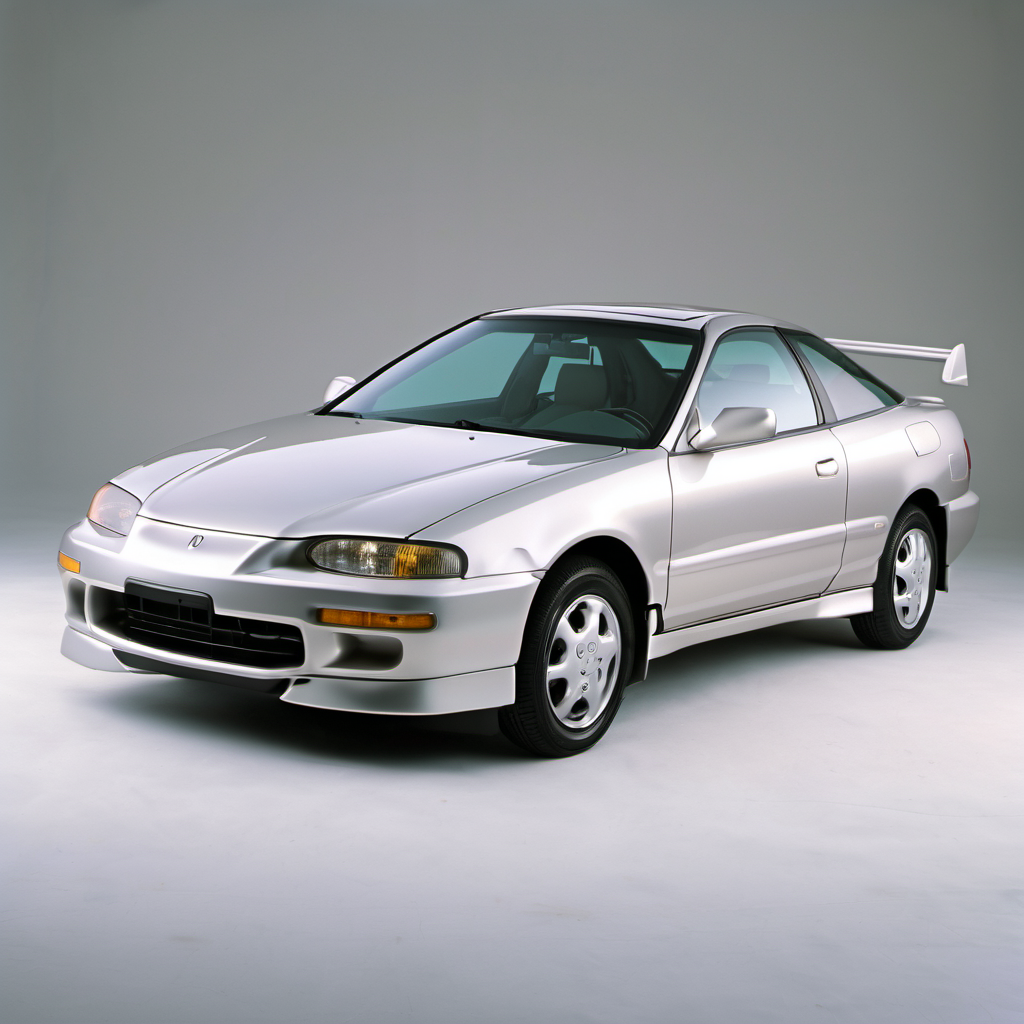
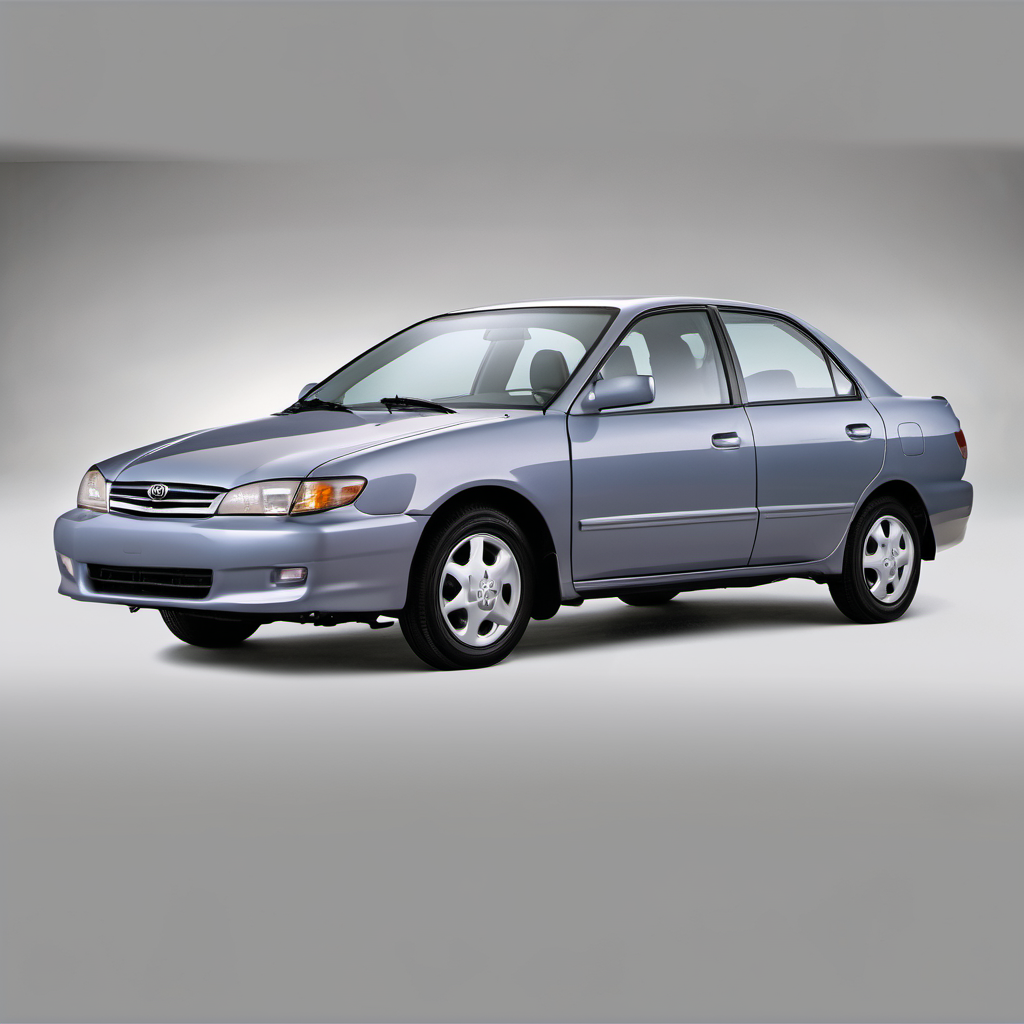
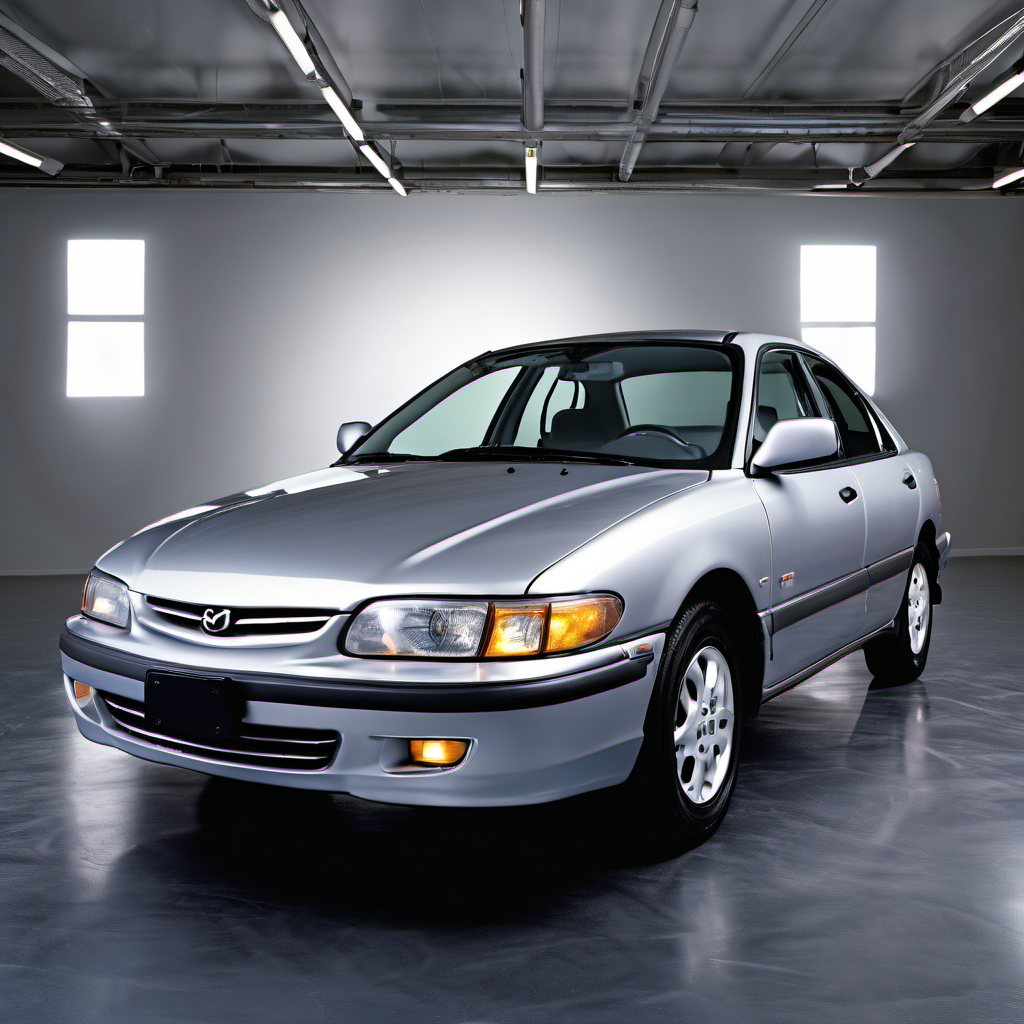
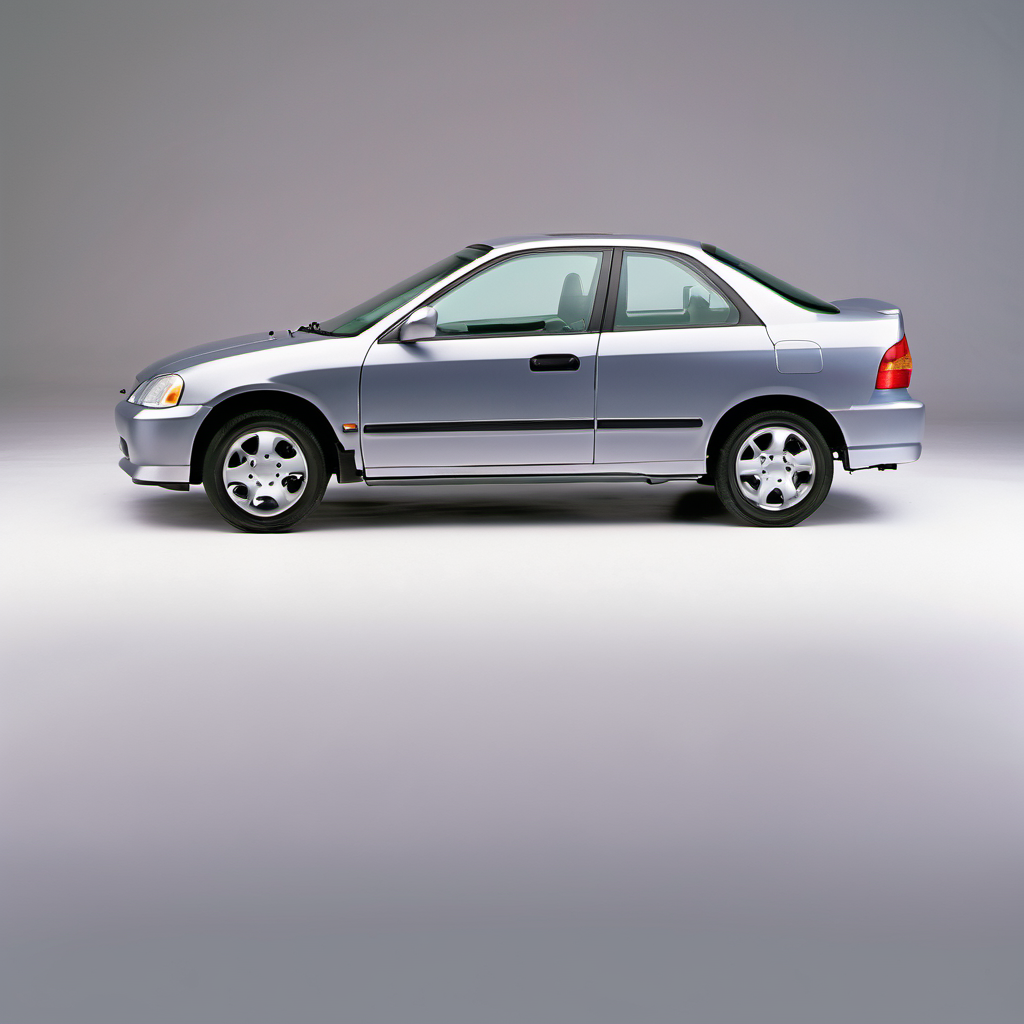
2000 Acura Integra Sedan

2000 Acura

IntegraSedan

Sedan

The 2000 Acura Integra Sedan is the final model year of the third-generation (DC2/DB8) Integra, a compact sport sedan that earned a devoted following for its rev-happy DOHC engine, precise handling, and Honda-level reliability. By 2000, the Integra had been refined over nearly a decade and represented one of the last genuinely driver-focused entry-luxury compacts before the segment shifted toward SUVs. Powered by a 1.8L DOHC four-cylinder producing 140 hp (GS/LS/SE trim) or 170 hp (GS-R with VTEC), the Integra rewards drivers who like to work through the rev range. The 5-speed manual is the enthusiast's choice, though a 4-speed automatic was available. The chassis is taut, steering is communicative, and the car feels much more engaging than its modest spec sheet suggests. At 24+ years old, condition varies wildly. Well-maintained examples are genuinely long-lived, but this model is a magnet for modification, which means many used examples have been driven hard, lowered, or had engines swapped. A clean, stock Integra Sedan is increasingly rare and worth finding.

Reliability
4/5
Verified data
Specs shown for Integra — the most common configuration. Other trims may vary in engine, drivetrain, or fuel economy. Sign in to see your vehicle's exact specs.
Engine
[object Object]
Drivetrain
FWD
Fuel
Gasoline
MPG
21 city / 28 hwy / 23 combined
Seats
Doors
Body
Subcompact Cars

Overview

AI-curated

The 2000 Acura Integra Sedan is the final model year of the third-generation (DC2/DB8) Integra, a compact sport sedan that earned a devoted following for its rev-happy DOHC engine, precise handling, and Honda-level reliability. By 2000, the Integra had been refined over nearly a decade and represented one of the last genuinely driver-focused entry-luxury compacts before the segment shifted toward SUVs. Powered by a 1.8L DOHC four-cylinder producing 140 hp (GS/LS/SE trim) or 170 hp (GS-R with VTEC), the Integra rewards drivers who like to work through the rev range. The 5-speed manual is the enthusiast's choice, though a 4-speed automatic was available. The chassis is taut, steering is communicative, and the car feels much more engaging than its modest spec sheet suggests. At 24+ years old, condition varies wildly. Well-maintained examples are genuinely long-lived, but this model is a magnet for modification, which means many used examples have been driven hard, lowered, or had engines swapped. A clean, stock Integra Sedan is increasingly rare and worth finding.

Known for
  • Rev-happy DOHC 1.8L engine with excellent longevity
  • Sharp, involving handling for a front-wheel-drive compact
  • Strong long-term reliability with proper maintenance
  • High theft rate — one of the most stolen cars of its era
  • Cult following that keeps parts available and community knowledge deep
Best for
  • Drivers who want a fun, reliable daily driver on a budget
  • Honda/Acura enthusiasts comfortable with DIY maintenance
  • Commuters who prefer a manual transmission experience
  • Buyers who need affordable entry into a proven, long-lasting platform
Watch for
  • Extremely high theft risk — verify VIN history and check for prior theft/recovery
  • Modified or swapped engines that void maintenance history
  • Rust on rocker panels, rear wheel arches, and frame rails from road salt
  • Worn synchros on manual transmission from aggressive shifting
  • Suspension and alignment damage from aftermarket lowering springs or coilovers

Common issues by mileage

6 known

Timing belt failure / overdue replacement

high
Typically appears
90k+ mi or 7+ years
Estimated repair
$300 – $550

Oxygen sensor failure (upstream or downstream)

high
Typically appears
80–150k mi
Estimated repair
$120 – $280

Manual transmission synchro wear (2nd gear most common)

medium
Typically appears
100–180k mi
Estimated repair
$800 – $2,000

Distributor failure (igniter/pick-up coil)

medium
Typically appears
80–150k mi
Estimated repair
$150 – $350

Rust — rocker panels, rear wheel arches, and subframe

high
Typically appears
Any mileage, age-driven
Estimated repair
$400 – $3,000

Catalytic converter theft / exhaust wear

medium
Typically appears
Any mileage
Estimated repair
$350 – $900

Maintenance schedule

  1. 1
    Every 90k miles or 7 years, whichever comes first Timing belt and water pump replacement

    This is an interference engine — a snapped belt means bent valves and a very expensive repair. At this vehicle's age, verify it was done recently and do it again if documentation is missing.

  2. 2
    Every 5,000 miles or 6 months Engine oil and filter change

    The B18 engine is oil-sensitive. Extended drain intervals accelerate sludge buildup at this age. Use a quality conventional or full-synthetic 5W-30.

  3. 3
    Every 3 years Coolant flush

    Older Honda coolant breaks down and becomes acidic, attacking the aluminum head and water pump. Critical before Wisconsin winters.

  4. 4
    Every 30k miles Spark plug replacement

    Worn plugs hurt the already modest fuel economy and make the engine harder to start in cold weather.

  5. 5
    Every 30–45k miles Manual transmission fluid change

    Honda MTF is the correct fluid. Using ATF or non-Honda fluid causes notchy shifting and accelerates synchro wear, especially in 2nd gear.

  6. 6
    Every 2 years Brake fluid flush

    Brake fluid absorbs moisture over time, lowering its boiling point. Especially important on a car this age where the fluid may never have been changed.

  7. 7
    Every fall, before salt season Inspect and treat underbody for rust

    Wisconsin road salt is brutal on the Integra's known rust points: rocker panels, rear wheel arches, and subframe brackets. Catch it early before it becomes structural.

  8. 8
    Every 30k miles or at signs of rough idle Distributor cap, rotor, and ignition wires inspection

    The distributor-based ignition system on the B18 is a common failure point at high mileage. A worn cap or cracked wire causes misfires and hard cold starts.

Always defer to the manufacturer's service manual for warranty-mandated intervals.

Cost of ownership

Annual maintenance
$400 – $900
Fuel
At 23 MPG combined and ~15,000 miles/year, expect roughly $1,500–$1,800/year at current Wisconsin gas prices. The Integra takes regular 87 octane.
Insurance
Generally inexpensive to insure for liability and collision, but comprehensive premiums can be notably higher due to this model's status as one of the most stolen vehicles in the U.S. Shop around and verify your coverage.

When properly maintained, the Integra is one of the cheapest-to-own cars in its segment. Parts are widely available through Honda dealer networks and the aftermarket. The biggest cost risks are deferred maintenance on a 24-year-old car (especially timing belt and rust remediation) and theft-related losses. Budget on the higher end if the car's service history is unknown.
Seasonal care

Lake Geneva, WI
Winter
  • Switch to 5W-30 full synthetic oil if not already — cold cranking at sub-zero temps is much easier and protects the engine on startup.
  • Test the battery before November. A stock battery on a 24-year-old car is almost certainly overdue for replacement; cold weather will expose a weak battery fast.
  • Use a quality winter washer fluid rated to -20°F or lower. The stock reservoir is small — keep a jug in the trunk.
  • Inspect wiper blades and consider winter-specific blades. The Integra's low hood line makes ice buildup on standard blades a real problem.
  • Flush and refill coolant if not done recently, and verify the 50/50 antifreeze mix protects to at least -34°F for Wisconsin winters.
  • Rinse the underbody after every heavy salting event — the rocker panels and rear arches are rust hot spots that salt accelerates quickly.
Summer
  • Check tire pressure monthly — summer heat causes pressure to rise, and the Integra's sporty handling suffers noticeably when tires are overinflated.
  • Inspect the A/C system refrigerant level and cabin filter. The system is old enough that leaks are common; a weak A/C is miserable on a hot Wisconsin highway.
  • Check coolant level and condition before summer road trips — the B18 runs warm in heavy traffic and an aging cooling system is the first thing to fail.
  • Park in shade when possible. The dark interior fades and the small cabin heat-soaks quickly, stressing any rubber seals and the dashboard.

Comparable vehicles

If you're shopping for one

Red flags
  • Any evidence of prior theft recovery (damaged steering column, replaced ignition, cut wiring under the dash)
  • Structural rust at the rear wheel arches or subframe — this can be a safety issue and is expensive to repair properly
  • Non-matching engine or intake setup without a clear paper trail — unknown swap history is a liability
  • Lowered suspension with no documentation of components used — cheap springs and worn shocks destroy tire wear and alignment
  • Missing or incomplete service records on a high-mileage example, especially with no timing belt documentation
  • Overheating history indicated by a cracked or replaced reservoir, white residue on the oil cap (possible head gasket), or coolant smell
What to inspect
  • Run a VIN history report and check for theft/recovery records — the Integra is historically one of the top-stolen vehicles in the U.S.
  • Inspect rocker panels, rear wheel arches, and the underside of the subframe for rust — poke with a screwdriver to check for soft spots, not just surface rust.
  • Verify timing belt replacement with documentation. No paperwork means assume it's due; budget for it immediately.
  • Check all fluid conditions: oil (should be amber, not black or milky), coolant (green or blue, not brown), and brake fluid (clear, not dark brown).
  • Test the manual transmission through all gears, especially 2nd — grinding or resistance on the 2-3 shift is a common synchro wear sign.
  • Look for signs of engine swap or modification: mismatched engine bay paint, aftermarket engine mounts, non-OEM wiring, or an engine code that doesn't match the VIN trim.
AI profile generated 59 min ago · claude-sonnet-4-6 · v2.